Why Walleye Are Called Walleye
If you've ever held a walleye up close, you might have noticed something striking about their eyes – they have a peculiar, almost opaque quality that sets them apart from other fish. This unique visual characteristic isn't just a quirky feature; it's the very reason why this beloved New York game fish got its distinctive name. Many anglers wonder about the origins of such a specific name, and this guide is here to unravel the fascinating science and history behind why we call them "walleye," delving into their biology, behavior, and what it means for you on the water.
The Literal Truth in Their Eyes: A Biological Explanation
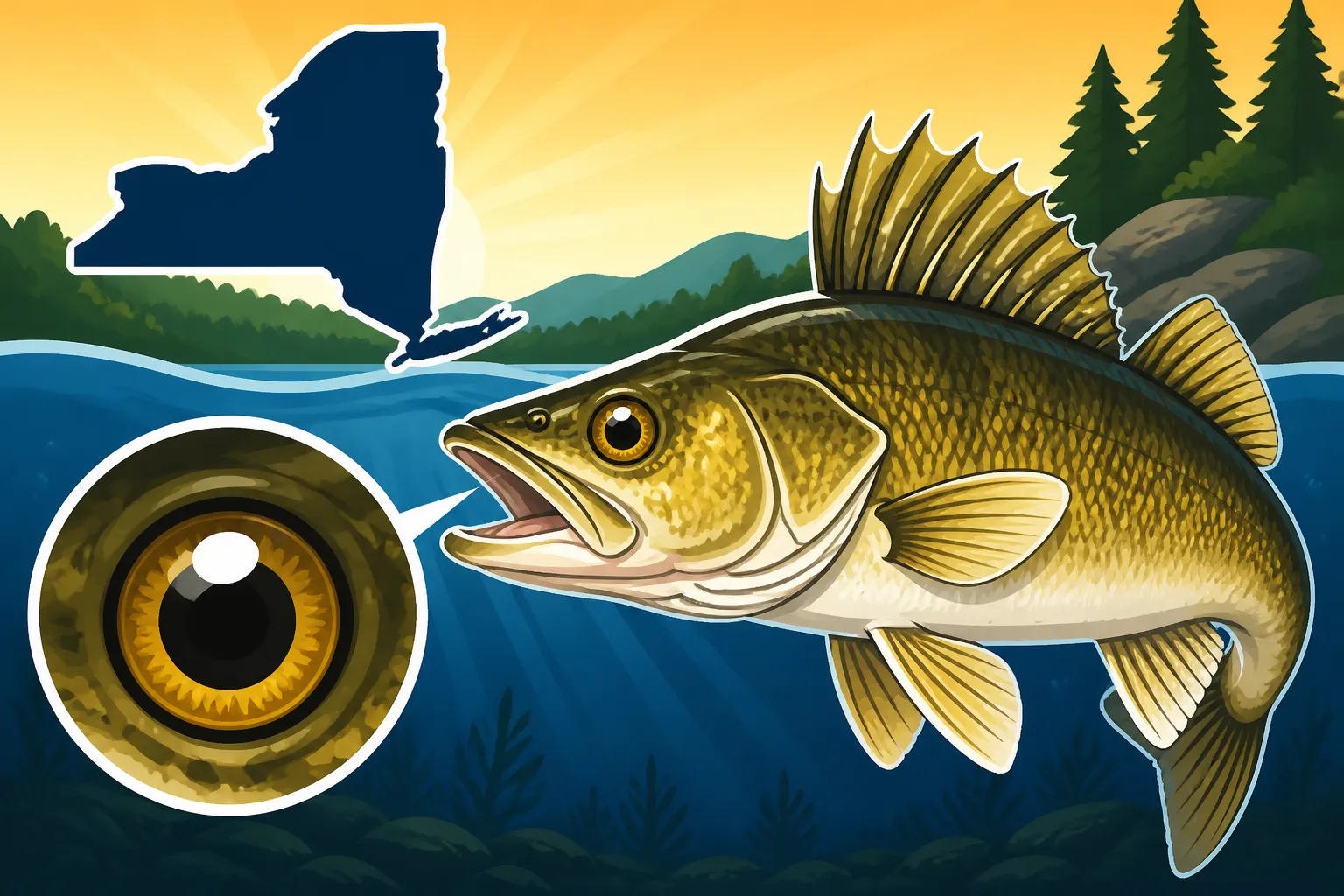
The name "walleye" isn't a whimsical moniker; it's a direct descriptor of their most prominent physical feature. Unlike many fish with dark, expressive eyes, the walleye's eyes often appear milky, cloudy, or even whitish, giving them a distinct "wall-eyed" or "walleyed" look, similar to a person whose eyes deviate outwards. This isn't a defect, but a highly specialized adaptation that makes them incredibly efficient predators, especially in low-light conditions.
The Reflective Tapetum Lucidum: A Night Vision Secret
The secret behind the walleye's unique gaze lies in a specialized layer of tissue located behind their retina, called the tapetum lucidum. This term might sound complex, but its function is quite simple and incredibly effective: it's a natural light-amplifying system. Think of it like a built-in reflector. When light enters the walleye's eye, if it's not immediately absorbed by the photoreceptor cells, the tapetum lucidum reflects it back through the retina. This gives the photoreceptors a second chance to detect the light, effectively maximizing the amount of light captured.
This reflective layer is why, if you shine a light on a walleye's eyes in the dark, they appear to glow or reflect with an iridescent sheen, much like a cat's eyes at night. It's not that the eyes are emitting light, but rather reflecting it back to the source. This adaptation is critical for their survival and predatory success. It allows them to see far better than many other fish species in dim environments, giving them a significant advantage when hunting prey under conditions where other fish might struggle. You can find many fascinating books on fish anatomy, even on platforms like Amazon, that delve deeper into these incredible biological adaptations.
How This Vision Affects Walleye Behavior and Fishing Strategies
Because of their superior low-light vision, walleye are often most active during dawn, dusk, and throughout the night. They thrive in conditions that might deter other sight-dependent predators, such as overcast days, choppy water, or areas with stained or turbid water. These are the times when their keen eyesight truly shines, allowing them to ambush unsuspecting prey with ease.
Understanding this biological advantage is absolutely crucial for any angler hoping to consistently catch walleye in New York. If you're out fishing on a bright, sunny afternoon in crystal clear water, you're likely to find walleye hunkered down in deeper, darker areas, or tucked away in heavy cover, trying to avoid the intense light that hurts their sensitive eyes. Conversely, those low-light periods are when they move into shallower water, actively cruising and feeding. This is why many experienced walleye anglers swear by early morning or late evening trips, or even embrace the thrill of How to Fish for Walleye at Night. Their unique eyes aren't just a cool feature; they dictate their entire lifestyle and provide the angler with key clues on when and where to find them.
Beyond the Eyes: Other Defining Walleye Characteristics
While their "wall-eyes" are the namesake feature, walleye are much more than just their impressive vision. They are a fascinating and highly sought-after fish species, known for a combination of physical attributes and behavioral patterns that make them a favorite among New York anglers. Understanding these characteristics helps paint a complete picture of this remarkable fish.
Physical Traits and Preferred Habitat
Walleye possess a sleek, elongated body, typically olive and gold in color, with darker mottling or bars on their sides that help them blend into their surroundings. They have two distinct dorsal fins, the first of which is spiny and the second soft-rayed. Their mouths are armed with numerous sharp, needle-like teeth, perfectly adapted for grasping slippery prey. Despite their somewhat intimidating teeth, they are generally a docile fish to handle, though caution is always advised.
In New York, walleye prefer cool, clear to moderately turbid waters. You'll find them thriving in large lakes and major river systems. The Great Lakes (especially Lake Erie and Lake Ontario), the mighty St. Lawrence River, and many of the Finger Lakes like Oneida Lake are prime walleye territory. They often associate with structural elements like drop-offs, rock piles, submerged humps, and weed lines, which offer both ambush points and refuge from brighter light. Their adaptability to different water clarities, thanks to their eyes, means they can inhabit a broader range of environments than some other species. Best Walleye Fishing Spots in New York often highlight these types of locations.
Walleye as a Prized Game Fish in New York
Beyond their scientific intrigue, walleye hold a special place in the hearts (and stomachs!) of New York anglers. They are renowned for their delicious, firm, white, flaky meat, considered by many to be among the finest-eating freshwater fish. This culinary appeal drives a significant amount of angling pressure, making them a primary target for many fishing trips.
From a sporting perspective, walleye offer a unique challenge. While not always the most acrobatic fighters, they are strong and tenacious, often making powerful, deep runs. Anglers often describe the initial "thump" of a walleye strike as subtle, followed by a solid, determined pull. Their elusiveness and the challenge of consistently locating and enticing them add to their allure. Many anglers travel across the state specifically to pursue these fish, contributing to the vibrant fishing culture in regions like the Finger Lakes and along the Great Lakes shorelines. You can find a plethora of specialized fishing gear and guidebooks for walleye fishing on sites like Amazon, catering to their immense popularity.
Walleye in New York: Regulations and Effective Fishing Techniques
If you're planning to target walleye in New York, understanding the state's regulations and employing effective techniques are paramount. The New York Department of Environmental Conservation (DEC) manages walleye populations to ensure their sustainability, which means specific rules apply to their harvest. Moreover, successful walleye fishing often hinges on knowing how and when to present your bait or lure.
Key New York Walleye Regulations
New York has carefully established fishing regulations for walleye, designed to protect spawning populations and ensure healthy fish stocks for future generations. These regulations can vary by body of water, so it's absolutely essential to consult the most current official guide before heading out. Generally, regulations cover:
- Season Dates: Walleye seasons typically have specific opening and closing dates. For instance, many waters might see a season open in early May, after the primary spawning period. It's not a year-round free-for-all, so always check.
- Minimum Size Limits: To allow walleye to reach maturity and spawn at least once, there are usually minimum length requirements. Any fish caught under this size must be immediately and carefully released.
- Daily Catch Limits: This refers to the number of walleye you are legally allowed to keep per day. These limits are in place to prevent overharvesting.
Remember, fishing without understanding the rules is not only irresponsible but can lead to fines and penalties. Always refer to the New York DEC Fishing Regulations Guide or the specific regional guide for the waters you plan to fish. You can also review articles like New York Walleye Season and Limits for a general overview.
Effective Techniques for Targeting Walleye
Given their keen low-light vision and preference for structure, successful walleye fishing often revolves around precise bait presentation and understanding their feeding patterns.
- Jigging: This is a fantastic method, especially when walleye are holding tight to structure or in deeper water. Using jigs tipped with live bait (like minnows or nightcrawlers) or soft plastic artificials, you present the lure vertically, bouncing it just off the bottom. The subtle action mimics injured prey, often irresistible to walleye. This technique is particularly effective on lakes like Oneida. Learn more about it with How to Jig for Walleye.
- Trolling: Covering water is key, especially in large lakes. Trolling crankbaits or spinner rigs behind a boat allows you to systematically search for active fish. Depth control is crucial here; you want your lures to be running at or just above the depth where walleye are holding. Trolling is a popular choice on vast waters like Lake Erie. Consider diving deeper into How to Troll Crankbaits for Walleye.
- Casting Crankbaits and Jerkbaits: When walleye are shallower, particularly during low-light periods, casting lipped crankbaits or slender jerkbaits can be highly effective. These lures mimic baitfish and can provoke aggressive strikes. The retrieve should vary, sometimes slow and steady, sometimes with pauses and twitches to entice a bite.
- Live Bait Rigs: Simple live bait rigs, such as a slip-sinker rig with a hook, swivel, and a lively nightcrawler, minnow, or leech, can be incredibly deadly. Present these near drop-offs, weed edges, or around submerged structure, allowing the bait to drift naturally. Remember that What Walleye Eat gives you clues on the best baits to use.
Understanding Best Time to Fish for Walleye in New York often boils down to fishing during low-light hours or seeking them in deep, dark sanctuaries during bright midday sun. Adjusting your techniques to match these conditions is the hallmark of a skilled walleye angler.
The Walleye's Place in New York's Ecosystem and Culture
Walleye are more than just a challenging catch or a delicious meal; they play a significant role in New York's aquatic ecosystems and contribute substantially to the state's vibrant fishing culture and economy. Their presence impacts everything from the health of other fish populations to the livelihood of local businesses and guides.
Ecological Importance in New York Waters
As apex predators in many of their habitats, walleye are crucial for maintaining a healthy balance within the aquatic food web. They primarily feed on smaller baitfish like perch, shiners, and smelt, which helps control populations of these forage species. This predatory role can prevent overpopulation of certain species, which in turn ensures adequate food resources for other aquatic life.
For example, in a major walleye fishery like Oneida Lake Walleye Fishing Guide, a healthy walleye population helps regulate the number of panfish and other smaller species. This natural control mechanism is vital for the overall ecological stability and biodiversity of the lake. Their presence often indicates a relatively healthy and productive aquatic environment, capable of supporting a diverse range of fish.
Cultural and Economic Impact on New York State
The popularity of walleye fishing in New York translates into significant economic activity and cultural importance. From fishing guides and bait shops to tackle manufacturers and local restaurants, the pursuit of walleye supports numerous businesses across the state. Towns situated near prime walleye fisheries, such as those along Lake Erie Walleye Fishing Near Buffalo, New York or in the Thousand Islands region, see a noticeable boost in tourism and local commerce during peak walleye seasons.
Walleye tournaments are also a major draw, attracting anglers from far and wide, generating excitement, and often contributing to conservation efforts. For many New Yorkers, walleye fishing is a cherished tradition, passed down through generations. It's a way to connect with nature, enjoy the solitude or camaraderie on the water, and engage in a thrilling outdoor pursuit. The anticipation of that tell-tale "thump" on the line, the challenge of landing a trophy, and the reward of a fresh walleye dinner are all deeply ingrained in the fishing culture of New York State. Whether you're a seasoned pro or a curious beginner, the walleye offers an experience that is both rewarding and deeply embedded in the heart of New York fishing.
| Characteristic | Description | Impact on Fishing |
|---|---|---|
| "Walleyed" Eyes | Caused by the tapetum lucidum, giving eyes a milky or cloudy appearance. | Provides superior low-light vision, making them most active at dawn, dusk, night, or in stained/choppy water. Anglers target these times and conditions. |
| Sleek Body | Streamlined, elongated body shape, typically olive/gold with darker mottling. | Agile predators, can move quickly through water. Helps them blend into various underwater environments, making them harder to spot by prey (and anglers in clear water). |
| Sharp Teeth | Numerous small, needle-like teeth in a large mouth. | Efficient at grasping and holding slippery baitfish. Requires durable leaders when using certain techniques, and careful handling when unhooking to avoid injury. |
| Preferred Habitat | Cool, clear to moderately turbid waters of large lakes and rivers, near structure. | Anglers should focus on specific structures like rock piles, drop-offs, and weed lines where walleye ambush prey. Understanding preferred depths is key, especially in varying light conditions. |
| Fighting Style | Strong, deep runs with a characteristic "thump" bite, rather than acrobatic jumps. | Provides a satisfying fight on appropriate tackle. The initial bite can be subtle, requiring sensitive rods and attentive angling to detect. Not usually a visual fight, but a powerful tug-of-war. |
Disclaimer
This article is for general informational purposes only and does not constitute professional advice. Laws, prices and regulations vary by location and change over time. Consult a qualified professional for guidance on your specific situation.