Average Yellow Perch Size on New York’s Lake Erie
You're out on the vast waters of Lake Erie, the rod tip bouncing gently, and suddenly, you feel that familiar tug. As you reel it in, a question often pops into your head: "Is this a good-sized perch, or just an average one?" It's a common thought for many anglers, whether you're a seasoned veteran or just starting out. This guide is going to dive deep into what you can realistically expect when it comes to the average yellow perch size on New York's side of Lake Erie, and how you can target those bigger, more satisfying catches.
Understanding Yellow Perch in Lake Erie
Lake Erie, often affectionately called the "Walleye Capital of the World," is also a truly incredible fishery for other species, and yellow perch are definitely among its shining stars. These feisty, delicious fish are a staple for many anglers, providing both a fun fight and a fantastic meal. But what makes Lake Erie such a prime spot for them, and what defines a "typical" perch here?
Why Lake Erie is a Perch Paradise
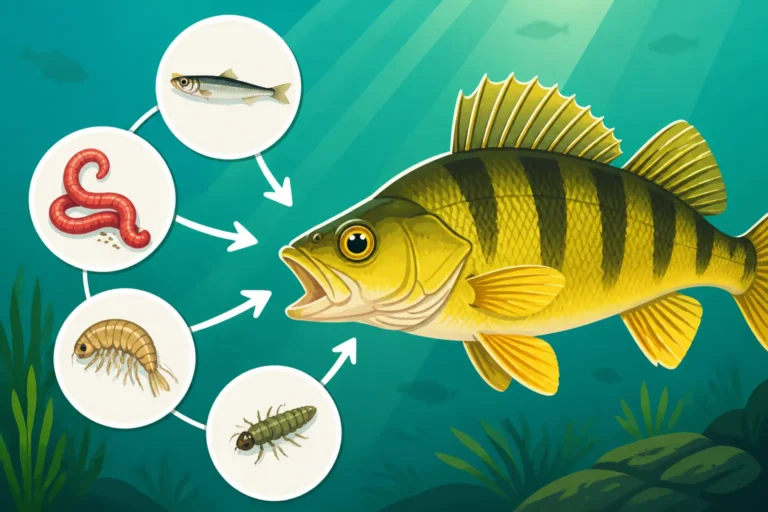
Lake Erie's unique characteristics make it an absolutely ideal habitat for yellow perch. It's the shallowest of the Great Lakes, which means its waters warm up more quickly and are incredibly fertile. This fertility translates into an abundance of food sources, from tiny invertebrates and insect larvae to small baitfish. Think of it like a five-star buffet for a perch! The lake's vast expanses of shallow, productive water, coupled with a good mix of sandy bottoms, weed beds, and rocky structures, provide perfect hiding spots and feeding grounds. It’s a complete ecosystem that allows perch populations to thrive, often leading to impressive numbers and sizes.
General Characteristics of Yellow Perch
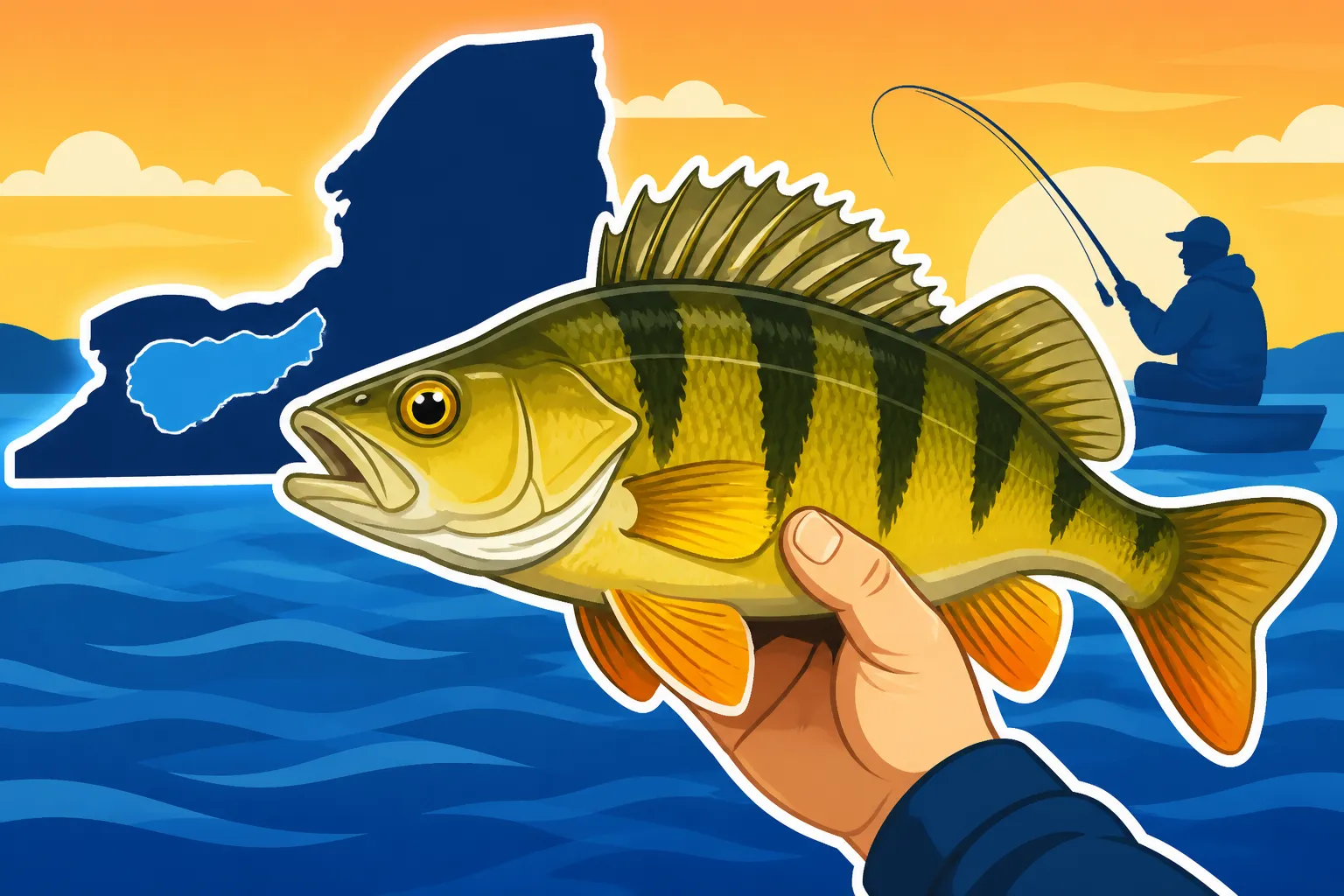
Yellow perch are easily recognizable, even for a beginner. They have a distinctive brassy yellow to greenish-yellow body, often marked with 6-8 dark, vertical bars along their sides, giving them a striped appearance. Their fins, especially the lower ones, can range from a pale yellow to a vibrant orange or even reddish hue, particularly during spawning season. They have a somewhat elongated, compressed body, with two dorsal fins – the first spiny and the second soft-rayed. Typically, in many waters, they might be just 6-8 inches long. However, in Lake Erie, you're often looking at something a bit more substantial, which is what makes fishing for them so appealing.
Factors Influencing Perch Size
It’s not just about luck when it comes to fish size; several factors play a huge role in how big a yellow perch will get. First and foremost is age. Like most fish, the older they are, the larger they generally become, assuming they have enough food and avoid predators. Food availability is critical; a perch in a food-rich environment like Lake Erie's fertile waters will grow much faster and larger than one struggling in a lean ecosystem. Population density also matters immensely. If there are too many perch in an area and not enough food to go around, they can become "stunted," meaning they won't reach their full growth potential. Think of it like a crowded restaurant with limited food – everyone gets a little, but nobody gets a full meal. Water temperature, oxygen levels, and genetic factors also contribute to how robust a perch can become.
Average Yellow Perch Size on New York's Lake Erie
So, let's get down to the nitty-gritty: what kind of yellow perch are you actually going to be pulling out of New York's Lake Erie? The answer is generally quite encouraging for anglers, as Lake Erie is known for producing some truly respectable perch.
The Typical Catch
When you're out fishing the New York waters of Lake Erie for yellow perch, a "typical" or average catch will often range between 8 to 11 inches in length. In terms of weight, these fish usually come in at 0.5 to 1 pound. Now, this isn't to say you won't catch smaller "dinks" or bigger fish, but if you're consistently catching perch within this range, you're right in the sweet spot of what's considered average for this productive fishery. These are perfect panfish, offering enough meat for a satisfying fillet and a good, solid fight on light tackle. It's a pretty reliable size that makes a day out on Lake Erie incredibly rewarding.
Trophy Perch: What to Expect
While 8-11 inches is average, Lake Erie certainly has its share of "jumbo" perch that get anglers excited. A trophy yellow perch on New York's Lake Erie would typically measure 12 inches or more, with some exceptional specimens pushing past 14 or even 15 inches. These larger fish can weigh 1.5 pounds or more, sometimes approaching the 2-pound mark, which is a truly massive perch for most freshwater standards.
Catching one of these beauties isn't an everyday occurrence, but it's far from rare if you know where and when to look. They're often older fish, smarter and more wary, requiring a bit more patience and skill. When you hook into a jumbo perch, you'll know it – they pull hard and fight with surprising vigor for their size. Landing one of these is definitely a bragging-rights moment and makes the trip worthwhile.
Seasonal Variations in Size and Condition
The size and overall condition of yellow perch in Lake Erie can definitely fluctuate with the seasons.
- Spring (Post-spawn): After the spring spawn, which typically occurs in April and May, perch can be a bit leaner. They've expended a lot of energy, and while they'll be actively feeding, their bodies might not be as robust as other times of the year. However, this is often a time of intense feeding, so numbers can be high.
- Summer: As water temperatures rise and food sources (like zooplankton and insect larvae) become abundant, perch feed heavily throughout the summer. You'll find them well-fed and growing, often exhibiting excellent condition. They might be found in slightly deeper, cooler waters during the hottest parts of the day.
- Fall: This is arguably one of the best times to target large, fat perch. They are aggressively feeding to build up fat reserves for the winter, making them plump and heavy. Their bodies are usually at their peak condition, and they are incredibly active. Many anglers consider fall to be prime time for targeting trophy perch.
- Winter (Ice Fishing): Even under the ice, perch are still catchable and can be quite chunky, especially earlier in the ice season. They continue to feed, albeit at a slower pace. You might find them schooled up tightly, and once you locate them, you can often catch several good-sized fish. Ice Fishing in New York: A Complete Guide will tell you more about the winter experience.
How to Improve Your Chances of Catching Larger Perch
It’s one thing to catch perch, but it's another to consistently land those bigger, thicker ones. If you're looking to upgrade your catch, here are some strategies you can employ on New York's Lake Erie.
Tactics and Techniques
Targeting bigger perch often means refining your approach. While basic bobber fishing with a worm will catch plenty of perch, it might not always lead to the jumbos.
- Bottom Fishing with Spreaders: This is a classic and highly effective method. Use a perch spreader rig, which typically has two snelled hooks branching off a main line, with a sinker at the bottom. This allows you to present two baits near the lakebed where perch often feed. Light action rods with sensitive tips are key here to detect subtle bites.
- Jigging: Small jigs, especially tipped with live bait or a piece of Berkley Gulp!, can be incredibly effective, particularly when perch are schooled up tight. A slow, subtle jigging motion is often all it takes. For deeper water, heavier jigs might be needed, but remember, perch have relatively small mouths, so keep your hook size appropriate.
- Drifting: If you're covering a lot of ground in a boat, drifting with the current or wind, slowly dragging your bait or jig along the bottom, can help you locate schools of active fish. This is particularly effective in open stretches of bottom. Keep an eye on your fish finder; learning How to Read a Fish Finder for New York Lakes can make a huge difference in locating those elusive schools.
Best Baits and Lures
Yellow perch aren't overly finicky, but certain baits and lures definitely out-produce others, especially when targeting larger fish.
- Live Bait is King: Hands down, live bait is usually the most effective for yellow perch. Small emerald shiners (often called "Lake Erie shiners"), fathead minnows, or even pieces of larger minnows are fantastic. Nightcrawlers or red worms are also perennial favorites. Remember, the fresher the bait, the better! You might even find some reputable bait shops selling these, or you can find bait containers and aerators on platforms like Amazon to keep your bait lively.
- Soft Plastics: Small plastic grubs, tubes, or minnow imitations, typically 1 to 2 inches in length, can be deadly when threaded onto a small jig head. Colors like chartreuse, white, pumpkinseed, or motor oil often perform well. Tipping these plastics with a piece of worm or a Berkley Gulp! product can add scent and even more appeal.
- Small Spoons and Blade Baits: In certain situations, especially during active feeding periods or when perch are relating to baitfish, small jigging spoons or blade baits can trigger aggressive strikes. Brands like VMC or Johnson often offer suitable options that you can find easily on Amazon.
Prime Fishing Locations and Times
Knowing where and when to cast your line is just as important as the technique itself.
- Structure is Key: Perch love structure. Look for areas with rock piles, submerged weed beds (especially edges), gravel points, or even man-made structures like old docks or bridge pilings. These areas provide cover, ambush points, and concentrated food sources. Best Perch Fishing Spots on Lake Erie offers specific details.
- Depth: While perch can be found in various depths, they often prefer moderate depths, anywhere from 15 to 40 feet, depending on the season, water temperature, and baitfish presence. In colder months, they might move deeper, while in spring and fall, they can be found shallower.
- Time of Day: Early morning and late afternoon/evening hours tend to be prime feeding times for perch, similar to many other fish species. Overcast days can extend these bite windows, as the reduced light encourages them to feed longer. However, if you find a strong school of perch, they can often bite consistently throughout the day.
- Drift, Don't Anchor (Initially): When you're searching for perch, especially in open water, drifting is your friend. Let the boat move slowly, dragging your rigs or jigs. When you hit a school, you'll start getting bites. Then, you can mark the spot with a buoy or your GPS and try to anchor upwind to make repeat drifts over the productive area.
Regulations and Sustainable Perch Fishing
While Lake Erie is incredibly productive, following regulations and practicing sustainable fishing habits are crucial for keeping it that way.
New York's Yellow Perch Regulations
New York State has specific regulations for yellow perch in Lake Erie, and these can change, so always check the most current New York Department of Environmental Conservation (DEC) fishing guide before you head out. Generally, for yellow perch on Lake Erie, there is typically a daily creel limit specifying how many fish you can keep per day. It's rare for there to be a minimum size limit for yellow perch on Lake Erie, but again, always verify. The idea behind these limits is to allow anglers to enjoy a good harvest while ensuring plenty of fish remain to reproduce and keep the population healthy. Familiarizing yourself with the New York Fishing Regulations Explained is an essential step before any trip. Also, don't forget your New York Fishing License Guide!
Practicing Catch and Release
While yellow perch are fantastic table fare, practicing selective harvest and catch and release can contribute to the sustainability of larger fish. If you've already caught enough for a meal, consider releasing some of the bigger "jumbo" perch. These large fish are often the prime breeders, contributing significantly to future generations. Handle them gently, minimize their time out of the water, and ensure they are revived before release. A good practice is to keep the medium-sized perch (your 8-11 inchers) for dinner, and let those 12+ inch lunkers go to fight another day. It helps maintain a healthy age structure in the population and ensures that Lake Erie continues to produce impressive fish for years to come.
When fishing, remember that having the right tools for safe release, like a de-hooking tool or needle-nose pliers, can be incredibly helpful. You can often find these essential fishing accessories on Amazon, ensuring you're well-equipped for any situation on the water.
Comparing Average and Trophy Yellow Perch in Lake Erie
Here's a quick look at the typical distinctions between your average Lake Erie yellow perch and those coveted trophy catches:
| Feature | Average Yellow Perch (Lake Erie, NY) | Trophy Yellow Perch (Lake Erie, NY) |
|---|---|---|
| Length Range | 8 – 11 inches | 12+ inches |
| Weight Range | 0.5 – 1 pound | 1.5+ pounds |
| Age | 2-4 years | 5+ years |
| Abundance | Common | Less common, but catchable |
| Fight | Good, lively | Strong, significant pull |
| Best Season | All seasons | Primarily fall, late summer |
| Primary Value | Excellent table fare | Bragging rights, prime breeder |
This table really highlights why Lake Erie is such a fantastic fishery. Even an "average" perch is a solid, enjoyable catch, and the potential for a true jumbo is always there, making every cast exciting. Whether you're filling a cooler or chasing a personal best, Lake Erie's yellow perch fishery offers something for everyone.
This article is for general informational purposes only and does not constitute professional advice. Laws, prices and regulations vary by location and change over time. Consult a qualified professional for guidance on your specific situation.