What Yellow Perch Eat
Anglers often find themselves scratching their heads, wondering why yellow perch can be so elusive on one trip and ravenous on the next. The secret often lies in understanding what these feisty panfish are actually eating! This guide will pull back the curtain on the diverse diet of yellow perch in New York, giving you the knowledge to match their menu and vastly improve your catch rate, transforming those head-scratching moments into triumphant ones.
Understanding the Opportunistic Appetite of Yellow Perch in New York
Yellow perch (Perca flavescens) are one of New York's most beloved and abundant freshwater fish, prized by anglers for their delicious taste and willingness to bite. But what exactly drives their hunger? The answer, as with many successful predators, is often "whatever is available." Yellow perch are true opportunists, and their diet shifts dramatically depending on their age, the time of year, and the specific ecosystem they call home. Knowing this can be a game-changer for your fishing success.
The Microscopic Beginnings: From Fry to Fingerlings
Every yellow perch starts small, and so does its diet. When newly hatched from their ribbon-like egg masses, yellow perch fry are tiny, barely visible specks. Their first meals consist of microscopic organisms, primarily zooplankton – minuscule crustaceans and rotifers floating in the water column. They are passive feeders, drifting and engulfing whatever small organic matter comes their way. This is a critical stage for their survival, as they are vulnerable to a myriad of predators and rely entirely on the abundance of these tiny food sources.
As they grow into fingerlings, typically a few inches long, their diet expands slightly to include very small larval insects. Think of the tiniest mosquito larvae or midge pupae. At this stage, they are still very much a part of the planktonic food web, and they gather in large, protective schools, feeding on the most abundant and easily digestible fare. Anglers rarely target perch this small, but understanding this initial phase helps us appreciate their journey and how their early diet preferences lay the groundwork for their more diverse adult menu. The health of the zooplankton population is incredibly important for the survival of entire year classes of perch.
Teenage Perch: Expanding Their Culinary Horizons
As yellow perch continue to grow, typically reaching lengths of 4-6 inches, their mouths get bigger, and their hunting skills become more refined. They transition from purely microscopic meals to a broader array of invertebrates. This "teenage" phase sees them actively preying on larger insect nymphs, such as those of mayflies and damselflies, which spend their larval stages clinging to submerged vegetation or burrowing in the lakebed. They'll also start to consume small crustaceans like scuds (freshwater shrimp) and even small leeches, which are readily available in many New York waterways.
During this stage, perch begin to exhibit more predatory behavior, stalking and ambushing their prey rather than just filtering it from the water. They become more efficient hunters, learning to forage in different parts of the water column and within various types of cover, such as weed beds and submerged woody debris. The availability of these larger, protein-rich invertebrates is crucial for their rapid growth during these formative months. If a particular lake or pond lacks a healthy population of these middle-tier food sources, the perch population might struggle to reach larger sizes, leading to stunted fish.
The Adult Perch Diet: A True Foraging Predator
Once yellow perch reach adult size, generally over 6 inches, they become formidable and adaptable predators with a truly diverse palate. While they'll never entirely give up on insect larvae and crustaceans, their diet heavily shifts towards more substantial prey. This is where the term "opportunistic" really shines.
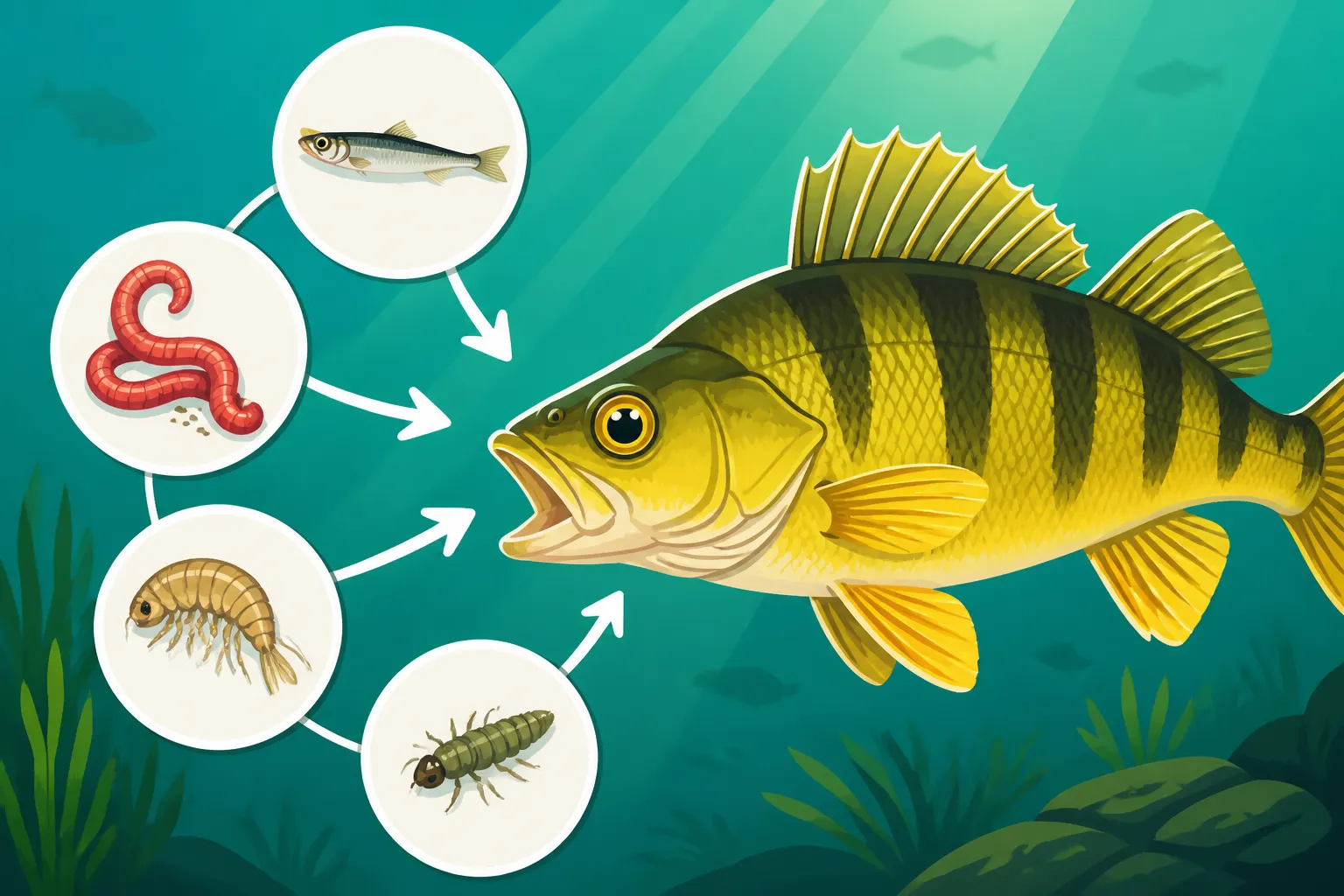
Adult yellow perch will voraciously consume aquatic worms, leeches, and a wide variety of insect larvae they find burrowed in the mud or clinging to structures. But perhaps their most significant dietary shift is towards small fish. Minnows of all kinds—emerald shiners, golden shiners, fathead minnows, and even the fry of other species, including young yellow perch themselves—become a primary food source. They're not above raiding the nests of other fish for their eggs either, especially during spawning seasons. Crayfish, where abundant, also become a staple, offering a high-protein, crunchy meal that perch absolutely love. Yellow Perch in New York outlines just how prevalent these fish are across the state's waters, providing ample opportunity for them to find such diverse food sources.
Understanding this broad diet is key for anglers. It means that while perch might be focused on one food source at a particular moment, they're always open to something else if it presents an easy meal. This adaptability is why they thrive in so many different environments, from the vast expanse of Lake Erie to smaller, quiet ponds in the Adirondacks.
How New York Seasons Dictate the Yellow Perch Menu
Just like our own eating habits change with the seasons, so do those of yellow perch. Their metabolism, the availability of certain prey, and their own biological imperatives (like spawning) all play a significant role in what they're willing to eat and how aggressively they'll pursue it. Paying attention to these seasonal shifts can greatly inform your bait and presentation choices.
Springtime Feast: Post-Ice Out and Pre-Spawn Power Bites
Ah, spring in New York! After the long, cold winter, when the ice finally relinquishes its grip on our lakes and ponds, yellow perch emerge with a renewed appetite. Their metabolism starts to ramp up as water temperatures slowly climb. In the early spring, their focus is often on easily accessible food sources that are just becoming active. This includes emerging insect larvae, like those of midges, which hatch in large numbers, providing an immediate food boost. Nutrient-rich runoff from melting snow also brings terrestrial insects and worms into the water, presenting easy targets.
Before the actual spawn, typically in April or May depending on the region and water body, perch feed aggressively to build up energy reserves. They'll gorge on whatever is most abundant, which can include small minnows, new hatches of insect nymphs, and any aquatic worms or leeches that become active in the warming shallows. Post-spawn, usually after shedding their eggs, the females in particular will be extremely hungry and often less selective, willing to hit a wider variety of baits as they recover their energy. This is a prime time for using active baits that mimic these emerging or readily available food sources. New York Fishing Seasons Explained offers a broader look at how different species adapt to the changing seasons across the state.
Summer Foraging: Deep Water Delights and Weedline Wonders
Summer brings warmer water temperatures, which means a higher metabolism for yellow perch. While they remain active feeders, the heat often drives them to seek out cooler, deeper water, especially in larger lakes like Lake Erie or the Finger Lakes. In these deeper environments, their diet heavily leans on schools of baitfish, such as emerald shiners, which often congregate in open water. Anglers often find perch suspending over deeper structure or along pronounced drop-offs, ambushing these schools.
However, in shallower lakes or during cooler summer periods, perch will continue to patrol weed lines and other submerged vegetation. These areas are veritable buffets of aquatic insect larvae, scuds, and small crayfish. They’ll also feast on the fry of other fish species that use the weeds for cover. The key to summer perch fishing is to understand that their location is often dictated by temperature and the densest concentrations of their preferred summer meals. When the weather gets really hot, even the most aggressive perch can become lethargic, so understanding their movements in response to warmth is vital.
Autumn Aggression: Bulking Up for the Big Freeze
As the days shorten and water temperatures begin to drop in the fall, yellow perch enter a crucial phase: bulking up for winter. This is a period of intense, aggressive feeding. Their metabolism is still high, but the urgency to pack on fat reserves for the lean winter months drives them into a feeding frenzy. Their diet at this time heavily shifts towards protein-rich foods, primarily large quantities of minnows and crayfish.
Perch will actively school up, often in large numbers, and move into shallower bays, flats, and along structure where baitfish are congregating before the deepest cold sets in. This aggressive behavior makes them particularly fun to catch in the fall, as they often hit lures and baits with considerable force. If you're looking for larger perch, autumn is a fantastic time to target them with baits that mimic fleeing minnows or scuttling crayfish. Best Time of Year to Fish in New York will give you an even better understanding of prime fishing periods across different species.
Winter Sustenance: Under-Ice Snacking Strategies
Even under a thick blanket of ice, yellow perch still need to eat, albeit at a much slower pace. Their metabolism slows down significantly in the cold water, and they conserve energy. However, they remain active enough to forage, making them a primary target for ice anglers in New York. Their winter diet often consists of smaller, more easily digestible items. This includes zooplankton, which are still present under the ice, and the dormant larvae of various aquatic insects that reside in the bottom sediments.
Small minnows, if they are slow-moving or easy to ambush, also remain on the menu. Many ice anglers find that smaller, more subtle presentations with tiny baits are most effective during the winter months. Perch will often school tightly under the ice, so once you find one, you've likely found many. Understanding their slower feeding habits and preference for smaller, slower prey is paramount for successful ice fishing. How to Ice Fish for Perch delves deeper into effective techniques for these frigid conditions.
Key Prey Species: What Yellow Perch Actively Hunt in New York Waters
To truly understand what yellow perch eat, we need to get specific about their favored menu items. While they are opportunistic, certain prey species consistently rank high on their list, forming the backbone of their diet across various habitats in New York.
The Ubiquitous Aquatic Invertebrates: Bugs, Worms, and Larvae
Aquatic invertebrates are the unsung heroes of the yellow perch diet, especially for younger fish and in colder months. These creatures are present year-round and form a critical base of the food web.
- Mayfly Nymphs: These flat, brown, and often wiggly creatures burrow into the mud or cling to rocks and vegetation. Perch will root them out, and during mayfly hatches, perch can key in heavily on the emerging adults and their nymphs.
- Caddisfly Larvae: Often found in protective cases made of pebbles or twigs, caddisfly larvae are a substantial meal. Perch will slurp them right out of their cases.
- Chironomids (Midges): These tiny, worm-like larvae live in the bottom sediments and are a staple for perch, particularly in winter and early spring. When they hatch, the entire water column can be filled with them, creating a massive food source.
- Aquatic Worms and Leeches: These squiggly critters are found in almost every freshwater environment. Perch will readily consume them, especially when they are exposed due to current or disturbance.
- Scuds (Freshwater Shrimp): These tiny, comma-shaped crustaceans are abundant in weed beds and provide a continuous food source. Perch will graze through weeds, picking off scuds and other small invertebrates.
While often overlooked by anglers in favor of flashier baits, these invertebrates represent a constant, reliable food source for yellow perch and should influence your lure choices, especially when trying to "match the hatch" of natural prey.
Small Forage Fish: When Perch Turn Predator
As perch grow larger, their predatory instincts take over, and small fish become a significant, energy-rich component of their diet. They are active hunters, often ganging up in schools to corral and ambush baitfish.
- Shiners: Emerald shiners and golden shiners are particularly important in larger lakes. They form dense schools, making them an attractive target for hungry perch. Perch will chase them in open water and along breaklines.
- Dace and other Minnows: Various species of smaller minnows that inhabit streams and the shallower areas of lakes are constantly at risk of becoming a perch meal.
- Juvenile Panfish and Perch Fry: It might sound cannibalistic, but larger yellow perch are not above eating smaller perch or the young of other panfish species like bluegill and sunfish. It's a harsh reality of the food chain, but it means that small fish imitations can be incredibly effective. To learn more about what other fish in New York target, check out What Walleye Eat. This will give you insight into the competitive landscape for forage fish.
The size of the forage fish eaten depends on the size of the perch. A 10-inch perch can easily engulf a 2-3 inch minnow, while a smaller 6-inch perch will stick to tiny shiners or fry.
Crustaceans: The Crunch and Protein Power-Up
Crustaceans, particularly crayfish, are like gourmet meals for yellow perch. Where crayfish are present, perch will actively seek them out, often overturning rocks or rooting through submerged debris to find them.
- Crayfish: These bottom-dwelling creatures are packed with protein and offer a substantial meal. Perch will prey on both juvenile and adult crayfish, especially during molting periods when the crayfish are soft and vulnerable. You'll often find perch patrolling rocky bottoms or areas with woody cover where crayfish tend to hide.
- Other Small Crustaceans: Beyond crayfish, tiny crustaceans like isopods and amphipods (scuds) are also on the menu, especially for smaller perch or in areas where crayfish aren't abundant.
The presence and abundance of these prey species directly correlate with the health and size of the yellow perch population in a given New York water body. Anglers who understand these natural food sources are much better equipped to select the right bait and fish in the right locations.
Matching the Menu: Top Baits and Lures for New York Yellow Perch
Knowing what yellow perch eat is only half the battle; the other half is presenting something they can't resist. Whether you prefer the realism of live bait or the versatility of artificial lures, mimicking their natural diet is the most effective strategy.
Live Bait: Nature's Proven Perch Catchers
When it comes to tempting a yellow perch, nothing quite beats live bait. The natural movement, scent, and texture are often irresistible, especially when perch are being finicky.
- Worms: The classic. Nightcrawlers, cut into smaller pieces (perch have smaller mouths than you might think), or smaller red wigglers are perennial favorites. They perfectly mimic aquatic worms and insect larvae that perch constantly encounter. Thread a piece onto a small hook, and fish it near the bottom or suspended under a bobber. This is a go-to for many anglers, and for good reason!
- Minnows: Small shiners, fatheads, or other local baitfish are deadly for larger, more predatory perch. Lip-hook a small minnow (1-2 inches is ideal) and fish it under a bobber or on a small jig head. The struggling action of the minnow is a powerful attractant. Remember to check local regulations on using live baitfish. Keeping your minnows lively is key, and you can find excellent minnow buckets and aerators on Amazon to ensure they stay active throughout your fishing trip.
- Maggots/Grubs: These protein-packed little morsels are especially effective for ice fishing or when targeting smaller perch. They emit a scent that perch find enticing and are excellent tipped on small jigs. Small mealworms are also fantastic.
- Leeches: Where legal and available, a small lively leech fished under a bobber can be incredibly effective, especially in deeper, cooler water where perch are feeding on natural leeches.
For those looking to catch a mix of panfish, Best Bait for Catching Sunfish and Bluegill offers some excellent crossover tips that work wonders for perch too.
Artificial Lures: Mimicking the Natural World
While live bait has its advantages, artificial lures offer versatility, durability, and the ability to cover more water. The key is to choose lures that imitate the size, shape, and action of a perch's natural prey.
- Jigs: Small jigs are arguably the most versatile perch lure.
- Marabou Jigs: The soft, pulsing marabou fibers mimic insect larvae or small minnows.
- Plastic Grub Jigs: Small curly-tail or paddle-tail grubs on a light jig head (1/32 to 1/8 oz) can imitate small baitfish or larger insect larvae. Tipping them with a small piece of worm or a maggot can add scent and realism.
- Tube Jigs: Small tubes (1-2 inches) are excellent for imitating baitfish or even small crayfish, especially when fished near the bottom.
- Small Spinnerbaits and Inline Spinners: Lures like a classic Mepps or Rooster Tail with a small blade create flash and vibration, calling attention to themselves and mimicking small, fleeing baitfish. Sizes #0 to #2 are usually perfect for perch.
- Spoons: Tiny jigging spoons (1/8 to 1/4 oz) are fantastic for ice fishing or vertical jigging in open water. They flutter and flash as they drop, resembling a wounded baitfish. Colors like silver, gold, and perch patterns are often highly effective.
- Soft Plastics: The variety here is endless. Micro tubes, small minnow imitations, and creature baits that mimic crayfish are all productive. These are readily available on Amazon in a vast array of colors and sizes, allowing you to experiment and find what works best on a given day.
- Color Choice: Natural colors (perch patterns, greens, browns, silvers) often work best in clear water, while brighter colors (chartreuse, orange) can be effective in stained water or for attracting attention.
Understanding Perch Behavior: Beyond Just the Bait
Even the best bait won't work if you're not where the fish are, or if your presentation is off. Understanding where yellow perch feed in relation to their food sources is crucial. They often relate to structure (weed lines, rock piles, sunken timber, drop-offs) where their prey either lives or congregates. Using a good quality fish finder, which you can easily research and purchase on Amazon, can help you identify schools of baitfish and, consequently, the perch that are likely feeding on them.
Consider scent attractants – liquids or gels that you apply to your lures or even live bait to add extra appeal. Sometimes, that little bit of added smell is all it takes to trigger a strike from a hesitant perch. Finally, proper presentation is everything. Whether you're still fishing, slowly drifting, or actively jigging, try to make your offering look as natural and appealing as possible. Vary your retrieve speed and depth until you find what the perch are keying into on that particular day. For more insights on how external factors like water temperature influence fish behavior, take a look at How to Fish Cold Water in New York.
| Prey Type | Common Natural Food Sources | Recommended Baits/Lures | Notes |
|---|---|---|---|
| Insects/Larvae | Mayfly nymphs, caddisfly larvae, chironomids, aquatic worms | Red wigglers, nightcrawler pieces, maggots/grubs, small marabou or grub jigs | Especially effective in spring and winter; fish slow and near bottom. |
| Small Forage Fish | Shiners, dace, perch fry, juvenile panfish | Live minnows (1-2"), small crankbaits, jigging spoons, soft plastic minnow imitations | Crucial for larger, predatory perch, particularly in summer and fall. Match baitfish size. |
| Crustaceans | Crayfish, scuds, freshwater shrimp | Small crayfish imitations (jigs, soft plastics), live crayfish | Highly effective where crayfish are abundant (rocky bottoms, clear water). Fish on the bottom. |
| Other Invertebrates | Leeches, snails | Live leeches, pieces of nightcrawler | Good year-round, especially in slower-moving or deeper water. Subtle presentation works best. |
Disclaimer
This article is for general informational purposes only and does not constitute professional advice. Laws, prices and regulations vary by location and change over time. Consult a qualified professional for guidance on your specific situation.