How to Tell a Yellow Perch From a Walleye
It's a scene many of us have faced: you reel in a beautiful fish, and your mind immediately races through the possibilities. Is it a vibrant yellow perch, or could it be the elusive walleye you've been dreaming of? This common confusion can lead to a lot of head-scratching, especially for newer anglers or when you're fishing in waters where both species thrive. Understanding the subtle yet crucial differences between yellow perch and walleye isn't just about satisfying your curiosity; it's absolutely vital for adhering to New York's fishing regulations, which often have distinct rules for each species. This guide is here to clear up that confusion once and for all, helping you confidently identify your catch on the water.
The Common Mix-Up: Why Yellow Perch and Walleye Get Confused
The struggle to tell a yellow perch from a walleye is real, and it’s something many New York anglers experience. They share a lot of habitat, similar diets, and can even be caught using comparable techniques, which naturally leads to moments of mistaken identity. This isn't just a minor detail; misidentifying your fish could mean accidentally violating catch limits or size restrictions, which no one wants.
Shared Habitats and Overlapping Territories
One of the biggest reasons for the mix-up is that both yellow perch and walleye are prominent residents of many of New York's incredible freshwater bodies. You'll find them in the same lakes, rivers, and even larger ponds, often occupying similar sections of the water column or feeding grounds. Think of a vast lake like Oneida or a sprawling system like the Great Lakes tributaries; it's entirely plausible to catch both species in quick succession, or even from the same fishing hole!
For instance, you might be out on Lake Erie, targeting How to Catch Yellow Perch on New York's Lake Erie near a weed line, and suddenly you hook into something much larger that, at first glance, resembles a giant perch. Or perhaps you're trolling for How to Jig for Walleye in deeper water, and a chunky yellow perch decides to grab your bait. This shared real estate creates a perfect storm for confusion, especially if you're primarily focused on the fight and less on the immediate visual cues. Both species are predatory, feeding on smaller baitfish, insects, and crustaceans, which means they're often attracted to similar lures and baits, further blurring the lines when they hit your line.
Fishing Techniques That Bring Both to the Net
It's not just where they live; it's how we catch them too. Many popular fishing methods in New York are effective for both yellow perch and walleye, making it easy to encounter either on a single outing. Jigging, still fishing with live bait like minnows, and even slow trolling crankbaits can entice both species.
Imagine you're ice fishing on one of New York's frozen lakes, dropping a small jig tipped with a grub down a hole. You're hoping for a bucket full of delicious perch, but then a powerful strike nearly pulls the rod from your hand – it could easily be a walleye. The excitement of the catch can sometimes overshadow careful observation in the moment. Similarly, when you’re fishing with multiple lines, say, using How Many Fishing Rods Can I Use at Once? as allowed by regulations, you might have one rod set up for perch and another for something larger, only to find both rods producing fish that look eerily similar. This overlap in technique means anglers need to be extra vigilant the moment a fish breaks the surface. Knowing the distinct features before you even cast out will help you make that crucial identification quickly and correctly.
The Definitive Guide to Visual Identification: Spotting the Differences
Alright, let's get down to brass tacks. While they might look similar at first glance, yellow perch and walleye have several key distinguishing features that, once you know them, make identification much easier. You just need to know where to look! Forget the general impression and focus on these specific anatomical markers.
Dorsal Fins: The Easiest Clue
This is often the first and most reliable place to look. Both fish have two dorsal fins, but their appearance is strikingly different.
-
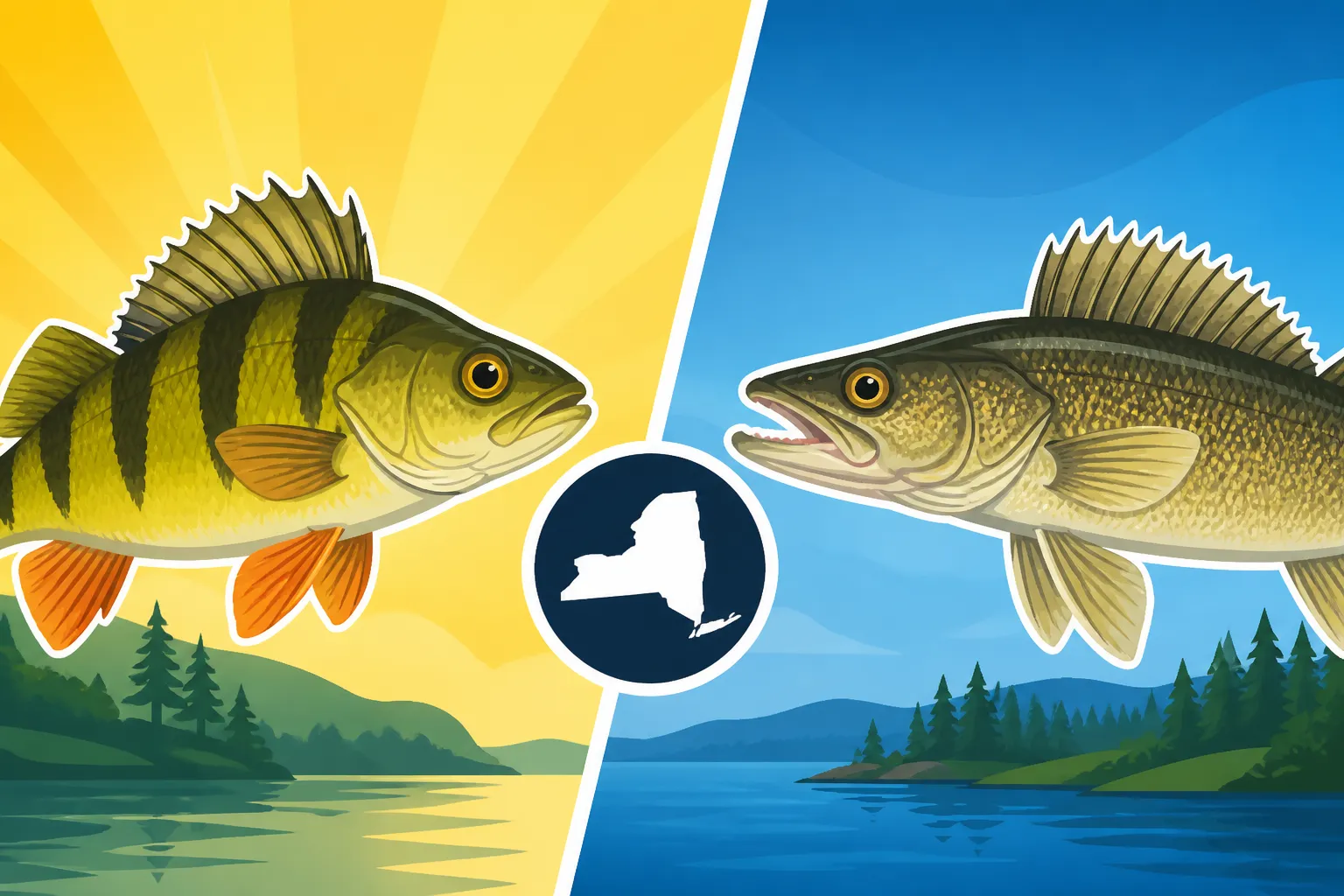
Yellow Perch: A yellow perch's first dorsal fin is spiny and relatively tall, and it's typically separated from the second, softer-rayed dorsal fin by a clear, but sometimes slight, gap. The most important thing to note about the spiny dorsal fin on a yellow perch is that it is usually unmarked, or might have some subtle mottling, but critically, it lacks a distinct large black blotch at its rear base. The overall body often has those tell-tale vertical bars extending up into the base of the dorsal fins.
-
Walleye: Here's the kicker for walleye: their first, spiny dorsal fin will always have a distinct, large, black blotch or spot at its very rear base, often extending onto the last few rays. This is a dead giveaway! The walleye's two dorsal fins are usually more clearly separated than a perch's, and the spiny one generally looks more rigid and prominent. If you see that dark spot, you've almost certainly got a walleye.
Body Shape, Size, and Overall Appearance
Beyond the fins, the overall "feel" of the fish in your hands, along with its size and body proportions, can tell you a lot.
-
Yellow Perch: Yellow perch typically have a much deeper, more compressed body shape, appearing somewhat "pot-bellied" compared to a walleye. They are generally smaller, often ranging from 6 to 12 inches, though larger "jumbo" perch exist. Their coloration is usually a vivid golden-yellow to brassy green on the sides, with 6 to 8 prominent dark vertical bars that fade into a whitish belly. These bars are quite distinct and are a strong identifier.
-
Walleye: Walleye, as their name suggests, are generally much larger and possess a more elongated, cylindrical, or torpedo-shaped body. They can grow significantly bigger than perch; Average Walleye Size on New York's Lake Erie often surprises anglers used to catching smaller fish. Their coloration tends to be more subdued, a mottled olive-green to brown on the back and sides, blending into a creamy white belly. The vertical bars are absent or much fainter and broken, not the distinct bands you see on a perch. They also have a general slimness that contrasts with the perch's deeper body.
Mouth, Teeth, and Eye Reflection
These are finer details, but incredibly helpful once you learn to spot them.
-
Mouth and Teeth: This is a crucial distinction. The walleye is known for its formidable array of sharp, needle-like canine teeth. These teeth are very pronounced and are designed for grasping slippery prey. If you gently open a walleye's mouth (carefully, those teeth are no joke!), you'll see them immediately. Yellow perch, on the other hand, have smaller, brush-like teeth that feel like sandpaper. They don't have the prominent canines of a walleye.
-
Eye Reflection: The "walleyed" part of their name comes from their unique eyes. Walleye have large, somewhat glassy eyes that appear opaque or cloudy, especially in low light. This is due to a reflective layer called the tapetum lucidum, which helps them see in dim conditions. If you shine a light on a walleye's eyes in the dark, they'll glow, much like a cat's eyes. Yellow perch have normal, dark, non-reflective eyes. This eye characteristic is a fantastic way to confirm a walleye, particularly when comparing it side-by-side with a perch.
A Quick Comparison Table
To help you keep these distinctions straight, here’s a handy table summarizing the key physical differences:
| Feature | Yellow Perch | Walleye |
|---|---|---|
| Dorsal Fins | First dorsal usually clear, no large black blotch at rear base. | First dorsal always has a distinct, large black blotch at its rear base. |
| Body Shape | Deeper, more compressed, often "pot-bellied." | More elongated, cylindrical, torpedo-shaped. |
| Size | Generally smaller (6-12 inches commonly). | Significantly larger (15-30+ inches commonly). |
| Coloration | Golden-yellow to brassy green with 6-8 distinct dark vertical bars. | Mottled olive-green to brown, faint or no vertical bars. |
| Mouth/Teeth | Smaller, brush-like teeth. No prominent canines. | Prominent, sharp needle-like canine teeth. |
| Eyes | Normal, dark, non-reflective. | Large, glassy, opaque/cloudy; reflective ("eye shine"). |
If you're still not sure on the water, having a reliable fish identification guide can be a huge help. You can often find excellent, detailed field guides on Amazon that specifically cover New York's freshwater species, perfect for quick reference.
Behavioral and Habitat Distinctions: More Clues to Identification
While visual cues are paramount, understanding the behavioral tendencies and preferred habitats of yellow perch and walleye can also provide valuable context, helping you anticipate what you might catch and confirm your identification.
Preferred Depths and Structure
Knowing where each species typically likes to hang out can be a significant clue, though there's always some overlap.
-
Yellow Perch: These are incredibly adaptable fish and can be found in a wide range of habitats. They frequently inhabit shallower areas, especially around submerged vegetation, docks, brush piles, and other forms of cover. They’ll venture into deeper open water too, but often associate with structure. If you’re fishing in 5-15 feet of water with plenty of weeds, you're squarely in perch territory. Their strong schooling instinct often means if you catch one, there are many more to be found nearby.
-
Walleye: Walleye, especially larger ones, tend to prefer deeper, cooler water. They are often found near rocky drop-offs, humps, points, and structural elements in lakes and rivers. They are particularly sensitive to light due to their reflective eyes, so they'll often retreat to deeper, darker areas during bright daylight hours. When Best Time to Fish for Walleye in New York comes up, you'll often hear about dawn, dusk, or even night fishing because that's when they're most active in shallower water. If you're marking fish on your sonar at 20-40 feet over a rocky bottom, the odds lean more towards walleye.
Feeding Habits and Activity Times
Their feeding patterns also differ, influencing when and where they're most likely to bite.
-
Yellow Perch: Yellow perch are opportunistic feeders and will feed throughout the day. They have a varied diet, consuming insects, small crustaceans, and smaller baitfish. If you're catching them consistently during midday, it's a good indicator you're on a perch school. They are particularly aggressive biters and can be a lot of fun to catch, often providing steady action. For those just starting out, fishing for Yellow Perch in New York can be a great way to build confidence.
-
Walleye: Walleye are primarily crepuscular and nocturnal predators, meaning they are most active during dawn, dusk, and throughout the night. Their unique eyes give them a significant advantage in low-light conditions. During the day, they often hold tight to structure in deeper water, making them a bit more challenging to target. When they do feed, they are powerful predators, keying in on baitfish like shiners, smelt, and even juvenile perch. If you're setting out for an evening fishing session, especially in areas known for trophy fish, you're likely putting yourself in prime walleye feeding time.
Why Accurate Identification is Non-Negotiable: Regulations and Conservation
It cannot be stressed enough: knowing the difference between a yellow perch and a walleye is absolutely critical, not just for bragging rights, but for staying on the right side of the law and contributing to responsible conservation. New York has specific and often quite different regulations for each species.
Navigating New York's Fishing Regulations
New York State's Department of Environmental Conservation (DEC) sets specific rules for different fish species, covering everything from minimum size to daily creel limits and even season dates. These regulations are designed to manage fish populations sustainably, ensuring healthy fisheries for future generations. Forcing yourself to think through "Is this a perch or a walleye?" is an essential part of being a responsible angler.
Consider this scenario: You're out fishing, having a great day, and you've caught a few nice-sized fish. If you mistake a small walleye for a large perch, you might inadvertently keep a walleye that is under the legal Walleye Minimum Size Limit or exceed the Walleye Daily Limit in New York. The penalties for violating fishing regulations can range from significant fines to the confiscation of your gear, and nobody wants that kind of day on the water.
It's equally important to note that while yellow perch are generally abundant and have more liberal regulations, misidentifying a walleye as a perch could lead you to keep a fish that needs to go back to grow. Always consult the official New York Fishing Regulations Explained before you head out. You can also pick up a copy of the Where to Pick Up the New York Fishing Regulations Guide at most license vendors or find it online. This document is your bible when you're on the water.
Contributing to Conservation Efforts
Beyond avoiding penalties, proper identification plays a huge role in the ongoing health of New York's fisheries. Walleye, for instance, are a highly sought-after sport fish, and their populations are carefully managed. Incorrectly harvesting them, even by accident, can put undue pressure on local populations.
By taking the time to correctly identify your catch, you become an active participant in conservation. If you catch a fish that looks like a walleye but is below the legal size, knowing its true identity means you'll release it immediately and carefully, giving it the best chance to grow and reproduce. Similarly, if you're targeting perch but keep a protected species by mistake, you're unknowingly harming conservation efforts. If you're looking to upgrade your tackle to target bigger walleye, checking out the selection of heavy-duty rods and reels on Amazon might be a good idea, ensuring you have the right gear to handle and release larger fish safely if needed.
Having the right knowledge empowers you to make informed decisions on the water, ensuring that you're not only enjoying your time fishing but also doing your part to protect these amazing natural resources. So, the next time you feel a tug on your line, remember these identification tips and take a moment to truly look at your catch. It makes all the difference!
Disclaimer
This article is for general informational purposes only and does not constitute professional advice. Laws, prices and regulations vary by location and change over time. Consult a qualified professional for guidance on your specific situation.