How Big Do Steelhead Get in New York?
It's a common dream, isn't it? You're out on a crisp fall morning, or perhaps a blustery spring day, casting your line into one of New York's incredible tributaries, and you just know that a truly massive fish could be lurking in the depths. When it comes to steelhead, that dream is very real, but so is the question: just how big do these incredible fish actually get in our New York waters? This guide is going to dive deep into what you can realistically expect, what influences their growth, and where the true giants might be hiding.
Understanding New York Steelhead: More Than Just a Rainbow Trout
Before we talk about size, it’s really important to understand what a steelhead actually is in New York. Many anglers, especially those new to the sport or visiting from other regions, often confuse them with typical rainbow trout. While genetically they are the same species, their life history is vastly different, and this plays a huge role in their potential size.
The Anadromous Lifestyle
Steelhead are anadromous forms of rainbow trout. What does "anadromous" mean? It simply means they are born in freshwater rivers and streams, migrate to the ocean (or in New York's case, the Great Lakes), grow large in that vast, food-rich environment, and then return to freshwater to spawn. This journey to the open waters of Lake Ontario or Lake Erie is what allows them to achieve impressive sizes that resident, stream-dwelling rainbow trout simply can't match. They spend years feasting on baitfish and other aquatic delicacies, packing on weight and muscle before their instinctual call to reproduce brings them back to the rivers. You might want to check out Steelhead Trout in New York for a more detailed look at these magnificent fish.
Steelhead vs. Resident Rainbows
The confusion between steelhead and rainbow trout is perfectly understandable, as they share the same scientific name. However, think of it this way: a steelhead is like a super-athlete version of a rainbow trout. A resident rainbow trout lives its entire life in a stream or river. While they can grow to a respectable size, especially in larger rivers or fertile spring creeks, they typically don't have access to the same abundance of food as their Great Lakes counterparts. Steelhead, on the other hand, benefit from the enormous forage base of the Great Lakes. This fundamental difference in their diet and environment is the primary reason why steelhead grow so much larger and fight with such incredible power when hooked.
Realistic Size Expectations for New York Steelhead
When you’re out on a tributary, hoping for a steelhead, what can you truly expect to pull from the water? The truth is, it varies. You'll hear tales of monsters, and those tales are certainly rooted in reality, but the average catch is often more modest, though still incredibly exciting.
Average Weight and Length
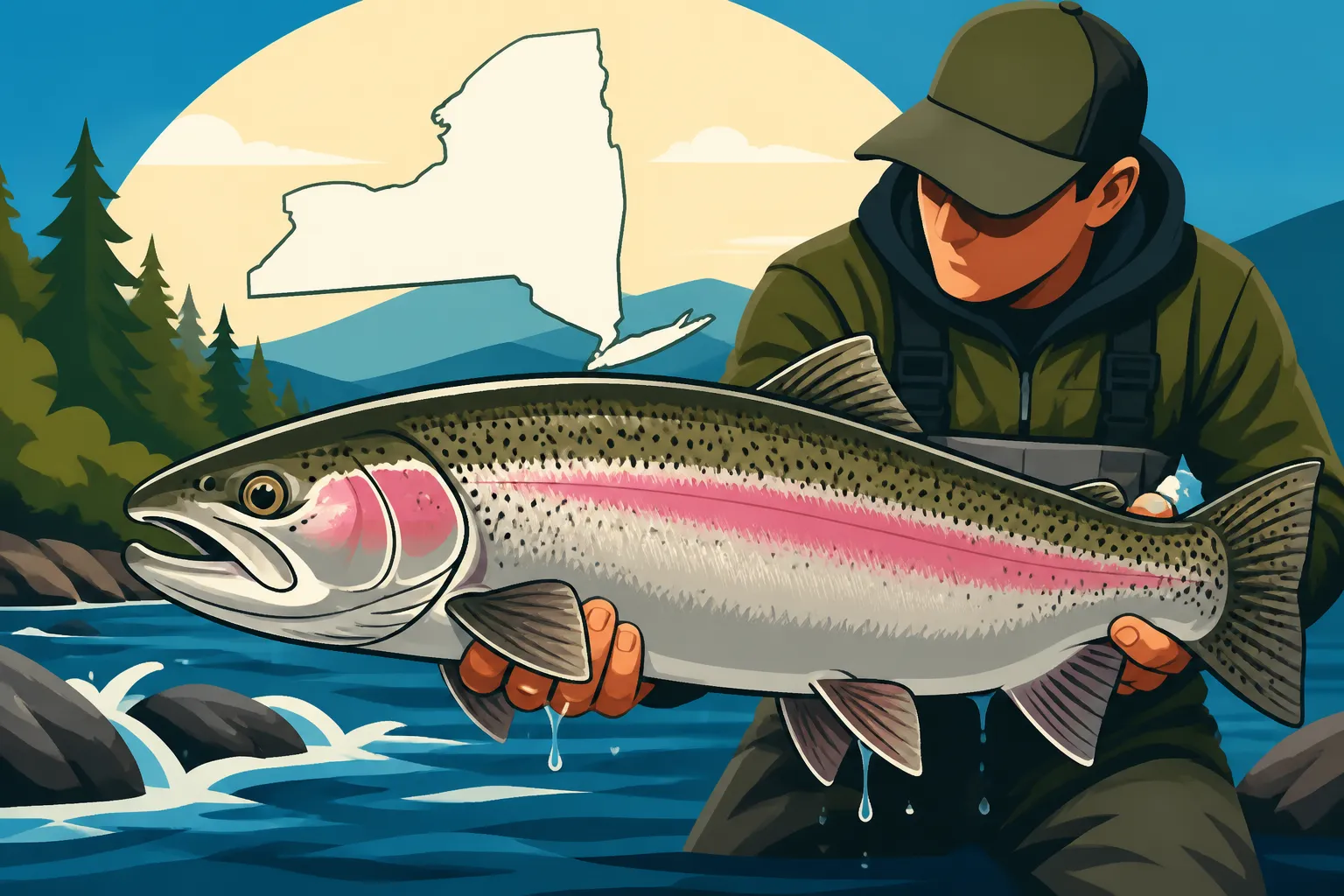
Most of the steelhead you'll encounter in New York's Great Lakes tributaries, particularly those flowing into Lake Ontario or Lake Erie, will typically range from 5 to 12 pounds. In terms of length, that usually translates to fish anywhere from 20 to 30 inches. Now, don't get me wrong, a 5-pound steelhead is still a formidable adversary on light tackle, pulling drag and making powerful runs. A 10-pounder feels like a freight train. These averages reflect fish that have spent a few years growing in the Great Lakes before returning to spawn. They are strong, healthy, and a fantastic catch for any angler. If you're wondering about specific locations, many anglers head to popular spots like the Salmon River. For more specific numbers, check out Steelhead Average Weight in New York's Lake Ontario Tributaries.
The "Trophy" Steelhead Category
Ah, the dream fish! What constitutes a "trophy" steelhead in New York? For most anglers, a steelhead pushing 15 pounds or more definitely falls into this category. These are the fish that make your knees shake and your heart pound. They might be older, have found particularly good feeding grounds in the lake, or just be exceptionally robust specimens. You'll occasionally hear reports of fish topping 20 pounds, and while less common, they are certainly out there and represent truly exceptional catches. These giants require strong tackle, careful handling, and a good dose of luck. When you hook into one of these, you quickly understand why steelhead are so revered.
Factors Influencing Steelhead Size
It's not just about spending time in the lake; several key factors play a role in how large a steelhead will ultimately grow. Understanding these can help you appreciate the journey each fish takes and might even influence where and when you decide to fish.
Age and Growth Rate
Like most fish, steelhead size is heavily correlated with age. A steelhead that spends one year in the lake after smolting (transforming from a stream-dwelling parr to a lake-ready smolt) will be significantly smaller than one that has spent three or four years. Many of the larger steelhead caught are typically 3 to 5 years old. Their growth rate is influenced by the abundance of forage fish in the Great Lakes. If there's a healthy population of alewives, smelt, and other baitfish, steelhead have a buffet to grow on. Conversely, years with less abundant forage might see a slight dip in average size.
| Age (Years) | Typical Length (Inches) | Typical Weight (Pounds) | Notes |
|---|---|---|---|
| 1-2 (Post-Smolt) | 16-24 | 3-7 | Often referred to as "skippers" or "half-pounders" |
| 2-3 | 22-28 | 6-12 | Most common size class for returning adults |
| 3-5+ | 28-36+ | 12-20+ | Trophy-sized fish, older, multi-spawners |
Genetics and Strain Differences
Not all steelhead are created equal, even within the same species. There are different strains of rainbow trout that are stocked into the Great Lakes, each with potentially slightly different genetic predispositions for growth and size. For example, some strains might be known for faster growth or larger maximum size, while others might be more resilient to certain environmental conditions. While anglers don't typically pick their fish by strain, it's an underlying factor that contributes to the overall size potential of a fishery. Anglers might find resources or specific gear like specialized lines or leader material on a site like Amazon that caters to targeting these larger, stronger fish.
Food Availability in the Great Lakes
This is perhaps the biggest factor. The Great Lakes, particularly Lake Ontario, are incredibly productive ecosystems. When populations of baitfish like alewives, rainbow smelt, and even gobies are abundant, steelhead have a constant food source to fuel their rapid growth. A strong forage base means healthy, heavy fish. Conversely, fluctuations in these baitfish populations can impact the overall health and size of the steelhead returning to the tributaries. It's a delicate balance, and the health of the lake directly translates to the size of the fish we catch.
Spawning Cycles and Repeat Spawners
Unlike Pacific salmon, steelhead are iteroparous, meaning they can survive spawning and return to the lake, only to come back to spawn again in subsequent years. These "repeat spawners" are often the largest fish in the system. They've survived multiple arduous journeys, grown even bigger in the lake during their recovery, and return as true behemoths. Identifying a repeat spawner can be tricky, but their sheer size and battle-hardened appearance often give them away. Catching one of these veterans is a truly special experience and often accounts for those massive, brag-worthy fish stories.
The New York State Record Steelhead
Every angler dreams of catching a state record. While it's an incredibly rare feat, knowing the benchmark gives you a sense of just how big these fish can get in New York. The current state record for steelhead (rainbow trout) caught in New York is a truly gargantuan fish, weighing in at 26 pounds, 15 ounces. This monster was caught in Lake Ontario itself, not in a tributary, which makes sense given that the lake is where they do the vast majority of their feeding and growing.
Catching a Record-Setter
Breaking a state record is a combination of immense skill, being in the right place at the right time, and a huge dose of sheer luck. Most record-setting steelhead are caught by anglers trolling in Lake Ontario, where these fish spend their lives gorging on baitfish. They aren't typically caught by shore anglers or waders in the tributaries, though huge fish certainly do enter the rivers. If you're serious about targeting truly massive fish, a charter out on Lake Ontario, especially during the peak feeding seasons, might increase your chances, although landing a fish of that magnitude is still a once-in-a-lifetime event. For most of us, just landing a good-sized steelhead that puts a deep bend in our rod is trophy enough!
Where to Find Big Steelhead in New York
While steelhead can be found in many tributaries across the state that flow into the Great Lakes, some areas are particularly renowned for their big fish potential. It's all about access to the lake, good spawning grounds, and a healthy ecosystem.
Lake Ontario Tributaries
Hands down, the tributaries flowing into Lake Ontario are New York's premier steelhead destinations. Rivers like the Salmon River, Oswego River, Genesee River, and countless smaller streams offer fantastic opportunities. These rivers see massive runs of steelhead, often starting in the fall, continuing through the winter (making for incredible Ice Fishing in New York: A Complete Guide opportunities if the conditions are right), and peaking again in the spring. The sheer volume of fish and the abundance of food in Lake Ontario mean these waters consistently produce large steelhead. Many anglers rely on specific tackle designed for these conditions, and finding the right gear, from specialized fly rods to durable waders, is easy on platforms like Amazon.
Lake Erie Tributaries
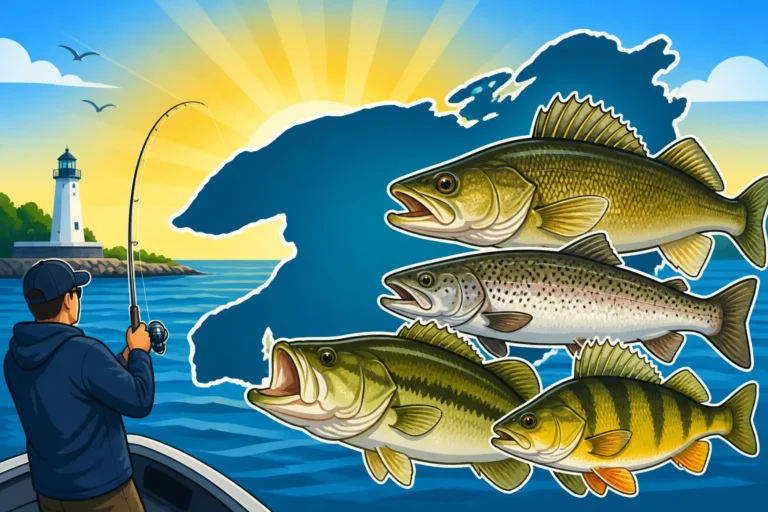
While perhaps not as famous as Lake Ontario's system for steelhead, Lake Erie tributaries also offer excellent fishing for strong, healthy steelhead. Rivers like Cattaraugus Creek and Chautauqua Creek see good runs of fish. The average size in Lake Erie might be slightly different than Lake Ontario, but these fish are still powerful fighters and can grow quite large. The fishery here is robust, and anglers who spend time learning the nuances of these specific streams are often rewarded with impressive catches.
Tips for Targeting Larger Steelhead
So, you're hoping to land a steelhead on the bigger side of the spectrum? While luck always plays a role, there are a few things you can do to increase your odds.
Use Heavier Gear (When Appropriate)
While many anglers enjoy the challenge of light tackle, if you're specifically targeting larger fish, don't be afraid to bump up your gear a bit. A slightly heavier rod, stronger main line, and a robust reel can make all the difference when fighting a 15-pound steelhead in swift current. You don't want to break off that fish of a lifetime because your gear wasn't up to the task. A reliable fluorocarbon leader in a higher test strength is often a good investment, and you can find a wide selection of these on Amazon.
Fish During Peak Runs and Conditions
The biggest fish tend to be present during the peak of the fall and spring runs. In the fall, they enter the rivers to stage for winter and often to spawn. In the spring, they are actively spawning or dropping back to the lake, and are often at their heaviest after a winter of feeding. Cold, clear water and stable flows generally offer the best conditions. Pay attention to water temperatures and river levels; these factors significantly impact fish movement and feeding behavior. Check out Best Time to Fish for Steelhead on New York's Lake Ontario Tributaries for more detailed timing.
Focus on Deeper Pools and Holding Lies
Larger steelhead often prefer deeper, more stable holding lies where they can conserve energy and feel secure. This might be in the tail-out of a deep pool, behind large boulders, or in the slower water near strong current seams. Learning to read the water and identify these prime spots is crucial. Don't just cast blindly; observe the river, understand the currents, and target areas where a big fish would naturally hold. Patience is key in these spots, as you might need to make multiple drifts to entice a strike.
Employ Effective Techniques
Whether you're float fishing with egg sacs, drifting beads, or swinging flies, mastering your chosen technique will improve your chances. For larger fish, presenting your bait or lure naturally and subtly is often more effective than aggressive presentations. Think about how a big, wary fish would react. If you're using egg sacs, make sure they're tied correctly and drifting naturally. If fly fishing, a perfect mend can make all the difference. Guides often emphasize the importance of presentation, and a good New York's Salmon River Fishing Guides can teach you invaluable lessons.
Disclaimer
This article is for general informational purposes only and does not constitute professional advice. Laws, prices and regulations vary by location and change over time. Consult a qualified professional for guidance on your specific situation.