Average Walleye Size on New York’s Lake Erie
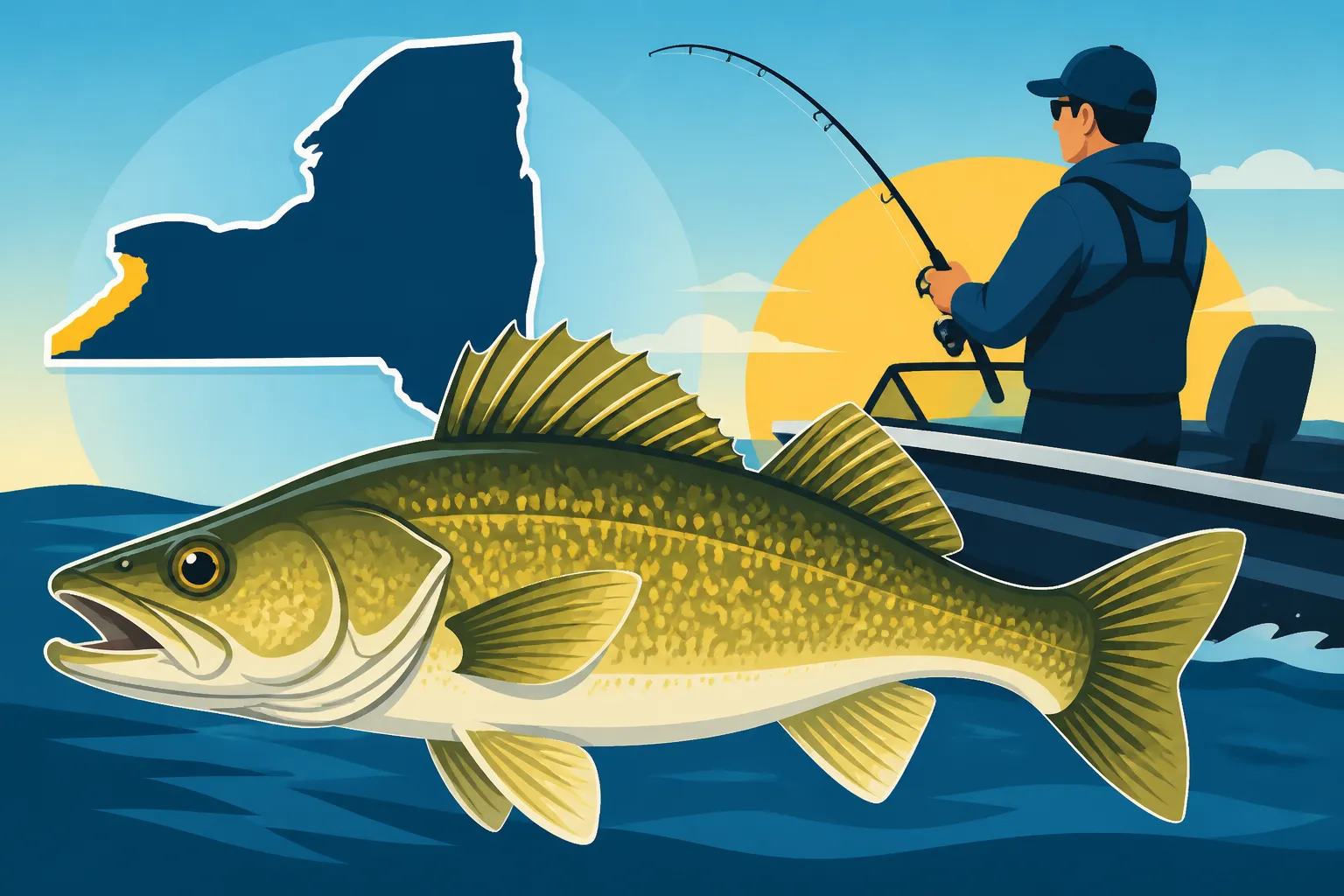
There's nothing quite like the thrill of feeling that distinct thump on your line, knowing it could be a beautiful walleye from the vast expanse of Lake Erie. Many anglers, especially those new to New York's incredible waters, often wonder: what's the typical size of a walleye you can expect to reel in from this legendary lake? This guide will dive deep into what constitutes an "average" walleye from Lake Erie, exploring the factors that influence their size and what you can realistically hope to catch.
Understanding Walleye Growth in New York's Lake Erie Fishery
Lake Erie is a powerhouse for walleye fishing, and it’s no secret why. The conditions here are often ideal for these elusive, delicious fish to thrive. But what makes a walleye grow to a certain size, and why do some stretches of the lake produce bigger fish than others? It's a combination of nature's bounty and careful management.
Factors Influencing Walleye Size
Several key factors play a massive role in how big a walleye gets. It's not just about luck; it's about the entire ecosystem they call home.
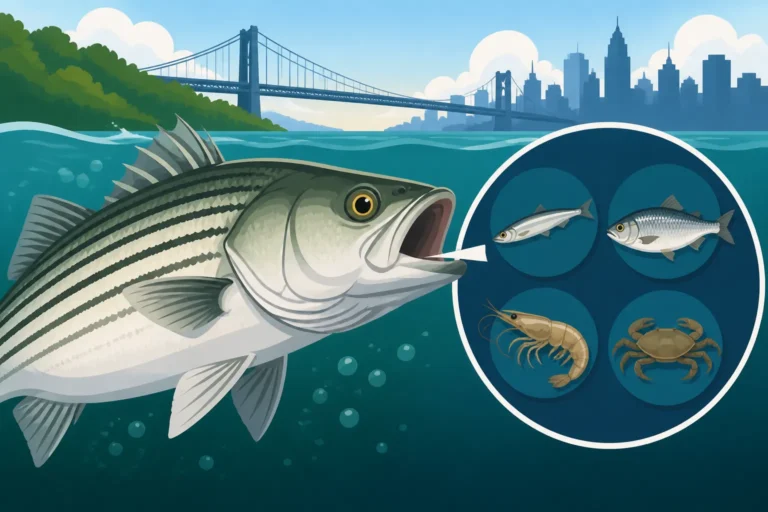
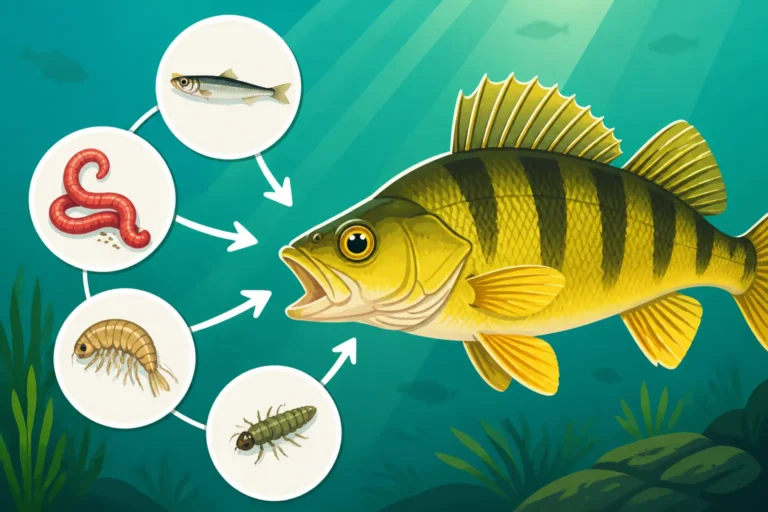
- Food Availability: This is perhaps the most critical factor. Lake Erie is incredibly fertile, boasting vast quantities of forage fish like emerald shiners, gizzard shad, and smelt. A walleye that has a consistent, abundant food supply will naturally grow faster and larger than one in a less productive environment. Think of it like us – if we eat well, we have more energy to grow! The sheer volume of baitfish available in Lake Erie provides an all-you-can-eat buffet for walleye, fueling their impressive growth rates. Understanding What Walleye Eat can even help you choose your bait effectively.
- Water Temperature and Growing Season: Walleye are cold-water fish, but they still need warmer temperatures to metabolize food efficiently and grow. Lake Erie's distinct seasons, with its productive warm-water months, offer a solid growing season. While the lake can get quite chilly, the prolonged periods of moderate temperatures allow walleye to feed heavily and pack on pounds and length. These seasonal changes are part of New York Walleye Season Dates and influence their behavior.
- Genetics and Stocking Programs: While wild populations dominate, stocking efforts occasionally supplement natural reproduction. The genetic makeup of the walleye population also contributes to its overall growth potential. Healthy, diverse genetics within the walleye population ensure a robust stock capable of reaching impressive sizes.
- Fishing Pressure and Management: New York, through its Department of Environmental Conservation (DEC), actively manages the walleye fishery on Lake Erie. Regulations like Walleye Daily Limit in New York and Walleye Minimum Size Limit are put in place to ensure that enough fish survive to spawn and grow to larger sizes, protecting the overall health and sustainability of the population. This helps prevent overfishing and allows the fishery to flourish, ensuring future generations can enjoy the same fantastic fishing.
Average Size Versus Trophy Size
It's important to distinguish between what you'll typically catch on any given outing and what constitutes a true "trophy" walleye. Most anglers are thrilled to catch a fish within the average size range, as these are still fantastic fighters and excellent table fare.
- Average Size: When we talk about average size, we're generally referring to the fish that make up the bulk of the catch for most anglers. These are the fish that have successfully navigated their early years, grown past the minimum size limit, and are actively feeding. They represent the healthy, reproducing backbone of the walleye population. You'll catch plenty of these on a productive day on Lake Erie.
- Trophy Size: A trophy walleye is a different beast entirely. These are older, larger fish that have managed to avoid predators and anglers for many years, growing to exceptional dimensions. They are often less common and require specific techniques and a good understanding of their habits to target successfully. While not every trip will yield a trophy, Lake Erie certainly has the potential to produce some absolute giants, making it a dream destination for many dedicated walleye anglers.
What to Expect: Average Walleye Dimensions on Lake Erie
So, what does an "average" walleye from New York's Lake Erie really look like? Let's break down the typical lengths and weights you can expect, and how age plays into those numbers.
Typical Length and Weight Ranges
Based on angler reports and biological surveys, the average walleye caught in the New York waters of Lake Erie falls into a very respectable size range. You're generally looking at fish that are perfect for a meal or a good fight.
Most anglers fishing Lake Erie in New York can expect to catch walleye in the 16-24 inch range, weighing anywhere from 2 to 5 pounds. These are healthy, robust fish that put up a great fight and make for excellent table fare. It's not uncommon to land several fish in this size bracket during a successful outing.
However, Lake Erie is also renowned for its capacity to produce much larger fish. It's definitely not out of the realm of possibility to hook into a walleye that pushes the 25-30 inch mark, easily weighing 7-10 pounds or even more. These larger specimens are often older, more experienced fish that have grown fat on the lake's abundant forage. While a 10-pound walleye isn't "average," it's certainly a realistic goal and part of what makes Lake Erie so exciting.
Here's a quick look at what you might consider typical:
| Size Category | Length Range (inches) | Weight Range (pounds) | Description |
|---|---|---|---|
| Legal Keeper | 15-18 | 1.5-2.5 | Just past the minimum size, still a good catch. |
| Average | 19-24 | 3-5 | Most common catch, good fight, great eating. |
| Large | 25-28 | 6-8 | Very respectable fish, memorable catch. |
| Trophy | 29+ | 9+ | Once-in-a-lifetime fish, highly sought after. |
Keep in mind that these are general guidelines, and individual fish can vary. What one angler considers "average" might be a trophy to another, especially if they're just starting out!
Age and Growth Rate
Walleye growth isn't linear; it depends heavily on their age. In the rich waters of Lake Erie, walleye grow at a relatively fast pace compared to some other bodies of water.
- Year 1-2: Walleye are quite small, often only reaching 8-12 inches. They're focused on survival and rapid initial growth.
- Year 3-4: This is often when walleye in Lake Erie start to enter the "keeper" size range. They'll typically be 15-18 inches long.
- Year 5-7: These are the prime average-sized fish. You'll find many walleye in the 19-24 inch range in this age bracket, putting on significant weight and muscle. They are at a great size for catching and often represent the bulk of the harvest.
- Year 8+: Walleye that survive beyond 7 years in Lake Erie can become the true giants. These older fish are the ones that push the 25-30+ inch mark and can weigh upwards of 10 pounds. Their growth slows down, but they continue to pack on weight. Catching one of these ancient warriors is truly special.
It's a testament to the health of Lake Erie's ecosystem that walleye are able to reach such impressive ages and sizes, offering anglers fantastic opportunities.
Beyond the Average: Targeting Bigger Walleye
While catching average-sized walleye is a blast, many anglers set their sights on those truly impressive, larger fish. It takes a bit more strategy, patience, and often specific techniques to consistently hook into the bigger ones.
Prime Fishing Seasons and Locations
Knowing when and where to fish is crucial when targeting larger walleye. They tend to have different habits and hangouts than their smaller counterparts.
- Spring and Early Summer: As the water warms, walleye become very active and move into shallower areas to feed. This can be an excellent time to target larger fish, especially around rocky structures or transitions where they ambush baitfish. Fishing in the spring after the ice melts can be particularly productive. Look for reports on Best Walleye Fishing Spots in New York to narrow down your search.
- Late Summer and Fall: As summer progresses, larger walleye often retreat to deeper, cooler waters during the day, coming shallower to feed at night or during low-light conditions. Fall can be incredibly productive as they feed heavily in preparation for winter. The bite can be fantastic during this time, with fish putting on weight.
- Key Lake Erie Areas: Certain areas of New York's Lake Erie are renowned for producing big walleye. The waters near Buffalo, for example, offer fantastic opportunities for both numbers and size. Understanding the local nuances of Lake Erie Walleye Fishing Near Buffalo, New York can give you an edge. Deeper offshore structures, humps, and sudden depth changes are often magnets for larger, more solitary walleye. Don't be afraid to venture a bit further out if you have the right boat and equipment.
Techniques for Trophy Walleye
Targeting larger walleye often requires adjusting your approach from simply catching numbers.
- Go Big with Bait and Lures: Larger fish aren't afraid of a bigger meal. Instead of small jigs, consider larger crankbaits, swimbaits, or substantial live bait presentations. When searching for new lures, many anglers start by browsing the wide selection available on Amazon to find popular brands and specific models. Think about what a mature walleye would instinctively see as a substantial energy reward.
- Trolling Deeper and Slower: Many trophy walleye hang out in deeper waters during the day. Trolling with downriggers, Dipsy Divers, or heavy inline weights to get your lures to specific depths is essential. How to Troll Crankbaits for Walleye can be a game-changer for covering water and finding those big schools or solitary giants. Experiment with trolling speeds; sometimes a slower presentation is just what a wary old walleye needs to commit.
- Night Fishing: Walleye have excellent low-light vision, and larger fish are often more active after dark when they feel safer venturing into shallower areas to hunt. Trolling or casting large stickbaits at night can be incredibly effective. Make sure you're familiar with New York Fishing Regulations Explained for night fishing rules.
- Vertical Jigging: If you mark large fish on your electronics over structure, vertical jigging can be a very direct and effective method. Large spoons, blade baits, or heavy soft plastics can entice a strike. Learning How to Jig for Walleye effectively is a valuable skill for this technique. When you're looking for specific jigging spoons, you'll often find a comprehensive selection and reviews on Amazon.
- Patience is Key: Targeting trophy fish means fewer bites, but potentially bigger rewards. Be patient, stick to your plan, and be ready when that heavy strike finally comes.
Lake Erie's Walleye Fishery: A Healthy Ecosystem
The fact that Lake Erie consistently produces such impressive walleye, year after year, isn't accidental. It's a testament to a healthy ecosystem and dedicated conservation efforts.
Conservation Efforts and Sustainable Practices
New York, in cooperation with other states bordering Lake Erie and Canadian provinces, works tirelessly to manage and protect the lake's incredible fishery.
- Science-Based Management: Fisheries biologists conduct extensive research, tracking walleye populations, growth rates, and reproductive success. This data-driven approach informs regulations and stocking decisions, ensuring that the fishery remains robust. These regulations often come in the form of specific size and creel limits.
- Habitat Protection: Efforts to maintain water quality and protect critical spawning and nursery habitats are ongoing. A healthy habitat is fundamental to a thriving fish population. Without clean water and suitable places for walleye to reproduce, the fishery wouldn't be nearly as productive.
- Angler Compliance: Anglers play a huge role in conservation by adhering to regulations set forth by the DEC, outlined clearly in the New York Fishing Regulations Explained guide. Following catch limits and size restrictions helps to ensure that enough fish remain in the population to reproduce and grow. It's a collective responsibility that pays off with fantastic fishing opportunities.
Catch and Release Practices for Large Walleye
When you do hook into that dream walleye, especially a larger one, how you handle it if you intend to release it is incredibly important for its survival.
- Minimize Fight Time: While exciting, a prolonged fight can exhaust a large fish, reducing its chances of survival after release. Try to land the fish as efficiently as possible.
- Proper Netting: Use a large, knotless, rubberized landing net. This material is gentler on the fish's slime coat and fins, reducing injury.
- Handle with Care: Support the fish horizontally, especially larger ones, to avoid damaging internal organs. Avoid holding it vertically by the jaw or gill plate, which can cause severe injury. When searching for a new net, Amazon has many options that fit the bill.
- Quick Release: Get a photo if you want one, but do it quickly. Keep the fish in or over the water as much as possible.
- Revival: If the fish seems stressed or sluggish, hold it gently in the water, facing into the current, until it regains its strength and can swim away on its own. This is crucial for Catch-and-Release Handling Rules.
By understanding the average walleye size on New York's Lake Erie, and respecting the fishery through responsible practices, we can all continue to enjoy the incredible angling opportunities this magnificent lake provides for years to come. Tight lines!
Disclaimer
This article is for general informational purposes only and does not constitute professional advice. Laws, prices and regulations vary by location and change over time. Consult a qualified professional for guidance on your specific situation.