Maximum Size of a Muskellunge in New York Waters
It's incredibly exciting to think about the monster fish lurking in New York's waters, especially when it comes to the legendary muskellunge. Many anglers dream of encountering one of these toothy giants, but it can be hard to know just how big they really get or what to expect when you finally hook into one. This guide is here to shed light on the true potential size of muskellunge in New York, diving into the factors that contribute to their massive growth and what makes them such an awe-inspiring catch.
Understanding the Maximum Size of Muskellunge
When we talk about the "maximum size" of a muskellunge in New York, we're really looking at a couple of things: their biological potential and the actual record-holding fish. These aren't just big fish; they're apex predators that can command respect and strike a little fear into the heart of an unprepared angler.
The Genetic Blueprint for Giants
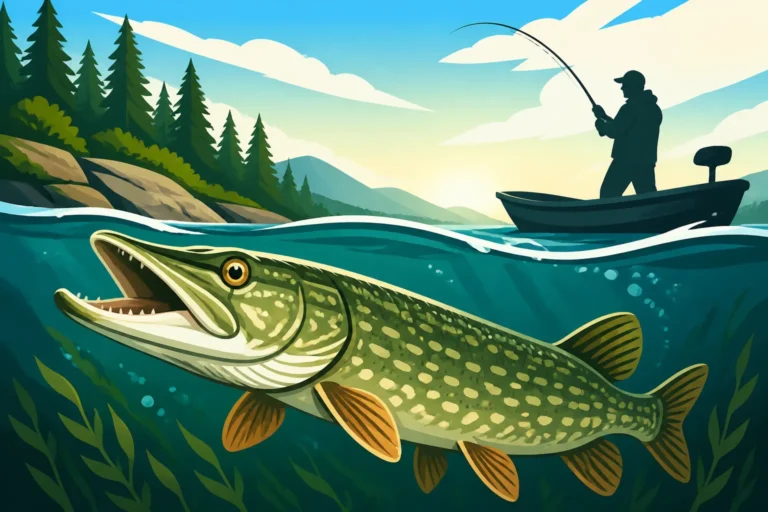
Muskellunge, often called "muskie," are genetically built to be large. They are the biggest members of the pike family, known for their elongated, powerful bodies and formidable jaws. In optimal conditions, with plenty of food and suitable habitat, they can grow to truly astonishing lengths and weights. Their growth rate is often slower than other popular game fish, but they compensate for it by living longer and continuing to grow throughout their lives. This slow and steady growth is part of what allows them to reach such impressive dimensions, making every year count towards becoming a true behemoth.
It's not just about the size of the water body; it's about the entire ecosystem. A lake or river rich with abundant forage fish, like cisco, suckers, or even smaller panfish, provides the fuel these fish need to pack on the pounds. Combine that with deep, cool water to retreat to during warmer months, and plenty of cover in the form of weed beds or rocky structures for ambushing prey, and you have the perfect recipe for a trophy muskie to thrive and reach its full genetic potential. For anglers, knowing these preferred habitats is key to even having a chance at these larger specimens. You can find more details on where these fish reside in Muskellunge in New York.
The State Record: A Testament to New York's Waters
The maximum size of a muskellunge in New York isn't just theoretical; it's etched in the record books. The current state record muskellunge is a legendary fish, caught back in 1957 by Art Lawton on the St. Lawrence River. This incredible fish weighed in at a staggering 69 pounds, 15 ounces, and measured a whopping 64.5 inches long. Think about that for a moment – over five feet long and nearly 70 pounds! This record stands as a testament to the incredible quality of New York's muskie fisheries, particularly the St. Lawrence River, which is renowned worldwide for its trophy muskies.
It's important to remember that state records are often exceptional fish, true anomalies that have beaten the odds to grow to such immense sizes. While most anglers won't ever catch a muskie that size, the fact that such giants exist in our waters keeps the dream alive. It also highlights the historical abundance and robust health of certain muskie populations in New York. The presence of such a record-setting fish inspires countless trips and the purchase of specialized gear, perhaps a heavy-duty muskie reel or extra-strong braided line you might find on Amazon, all in the hopes of just a glimpse of such a leviathan. This record also informs anglers about the sheer power and size these fish can attain, meaning your gear needs to be up to the challenge.
Factors Influencing Muskellunge Size
While the potential for immense size is there, not every muskie grows to record proportions. Several critical factors play a role in how large an individual muskellunge might become in New York's diverse waterways.
Environment and Habitat Quality
The environment a muskie lives in is paramount to its growth. Water bodies with stable temperatures, ample dissolved oxygen, and minimal pollution provide a healthy foundation for muskie to thrive. However, the true game-changer is the presence of suitable habitat features. Muskies are ambush predators, so they need plenty of cover – think dense weed beds, submerged timber, rock piles, or steep drop-offs. These structures provide ideal hiding spots from which they can launch surprise attacks on unsuspecting prey.
Furthermore, the size and depth of the water body itself can influence muskie growth. Larger, deeper lakes and rivers often offer more expansive territories, more diverse forage bases, and greater thermal refuges, which are crucial for large, cold-water-loving predators. For example, the vast expanse and nutrient-rich waters of the St. Lawrence River and its associated bays are ideal muskie territory, contributing to the incredible specimens found there. Conversely, smaller, shallower waters might sustain muskie populations, but they are less likely to produce the truly giant, record-breaking fish. Learning about these diverse habitats is part of the fun, and you can delve deeper into Fishing New York's St. Lawrence River and Thousand Islands.
Forage Base and Food Availability
You are what you eat, and for a muskie, a consistent and abundant food supply is absolutely essential for reaching maximum size. Muskies are piscivores, meaning their diet consists almost exclusively of other fish. The type and size of these prey fish directly impact how quickly and how large a muskie can grow. In areas rich with large, fatty baitfish like cisco, whitefish, suckers, or even larger yellow perch, muskies have the caloric intake necessary to bulk up.
A robust and diverse forage base means that muskie don't have to expend excessive energy hunting, allowing them to conserve strength and dedicate more resources to growth. Consider a muskie in a lake teeming with alewives versus one in a pond with sparse minnow populations. The former is likely to grow much faster and larger. This is why prime muskie waters are often known for healthy populations of these key prey species. Anglers who target muskies often try to "match the hatch" by using lures and baits that imitate the local forage, many of which are readily available on Amazon, from large crankbaits to soft plastics designed to mimic a substantial meal. What Muskellunge Eat provides more detail on their diet.
Age and Lifespan
Muskies are relatively slow-growing but long-lived fish. While some species of fish might reach their maximum size in just a few years, a truly giant muskie can be decades old. It takes a long time for them to pack on that kind of length and weight. Their longevity is a critical factor in their ability to reach trophy proportions. A muskie needs to survive numerous challenges throughout its life – harsh winters, fishing pressure, disease, and competition – to achieve a venerable age.
In New York, muskies can live upwards of 20 to 30 years, with some individuals potentially living even longer in pristine, undisturbed environments. Each passing year offers another growth cycle, another opportunity to feed and add inches and pounds. This also means that conservation efforts, such as catch-and-release practices and maintaining healthy habitats, are incredibly important for ensuring that these fish have the chance to grow into the giants that inspire us all. The mantra "let 'em go, let 'em grow" rings particularly true for muskies.
Fishing Pressure and Conservation Efforts
Fishing pressure, especially the ethics and practices of anglers, plays a significant role in the maximum size of muskellunge available in New York waters. Historically, muskies were sometimes targeted for their meat, but today, they are predominantly a catch-and-release species. This shift in mindset, along with regulations that promote the release of large fish, is crucial for maintaining and enhancing trophy muskie fisheries.
When anglers consistently release the biggest fish, those individuals are given the opportunity to continue growing, potentially contributing to future state records or at least increasing the average size of the population. Proper catch-and-release techniques, such as using large, single hooks, minimizing handling time, and employing tools like long-nosed pliers or jaw spreaders, are vital for the survival of these released giants. Many anglers equip themselves with specialized muskie tools, which are easily found on platforms like Amazon, to ensure a safe release, underscoring the dedication to conservation within the muskie fishing community. Catch-and-Release Handling Rules offers excellent guidance on this.
What Anglers Can Expect: Trophy vs. Average Sizes
While the state record is awe-inspiring, it's not the daily reality for most muskie anglers. Understanding the difference between a "trophy" muskie and a more "average" catch can help set realistic expectations and make your time on the water even more rewarding.
Average Muskellunge Sizes in New York
Most muskellunge caught in New York waters will fall into a more "average" size range. While still impressive, these fish typically range from about 30 to 45 inches in length. A 30-inch muskie is a solid catch, representing a fish that has grown considerably, but it's far from the colossal sizes seen in the record books. Fish in the 30-40 inch range might weigh anywhere from 8 to 20 pounds, depending on their girth and overall health.
These average-sized fish are often abundant in good muskie waters and provide fantastic angling opportunities. They hit lures hard, fight valiantly, and truly test an angler's skill and equipment. Even a "smaller" muskie is a memorable experience, offering a glimpse into the power and predatory nature of these fish. You'll often find anglers discussing the average size of fish in specific lakes and rivers, knowing that a higher average often means healthier populations and the potential for a larger one to be lurking.
Defining a "Trophy" Muskellunge
For many muskie enthusiasts, a "trophy" muskie is generally considered anything 50 inches or longer. Landing a muskie that breaks the 50-inch mark is a monumental achievement and often represents years of dedication and countless hours on the water. These are the fish that dominate fishing stories, photographs, and dreams. A 50-inch muskie can easily weigh upwards of 30 pounds, with some exceptional individuals pushing into the 40-pound range.
The St. Lawrence River, in particular, is famed for its trophy potential, with anglers regularly reporting catches of 50-inch-plus fish. Other notable New York waters, like Chautauqua Lake or the Susquehanna River system, also produce their share of true giants. Pursuing these trophy fish often involves specialized gear, larger baits, and a deep understanding of muskie behavior. Many anglers will invest in high-quality rods and reels designed for casting heavy muskie baits, which can be researched and purchased through various outdoor retailers or online platforms like Amazon.
The table below illustrates the typical size classifications for muskellunge in New York waters, providing a helpful benchmark for anglers.
| Classification | Length Range (inches) | Typical Weight (pounds) | Significance |
|---|---|---|---|
| Small/Young | Under 30 | Under 8 | Rarely targeted, important for future population |
| Average | 30 – 45 | 8 – 20 | Common catch, strong fighters, good experience |
| Large | 45 – 50 | 20 – 30 | Excellent catch, nearing trophy status |
| Trophy | 50+ | 30 – 50+ | Lifetime achievement, often caught in prime waters |
| State Record | 64.5 | 69 lbs, 15 oz | Historic, extremely rare, benchmark of ultimate size |
The Role of "Water Wolves" in the Ecosystem
Beyond just their size, muskellunge play a crucial role as apex predators, sometimes called "water wolves," in New York's aquatic ecosystems. By preying on other fish, they help to control populations, prevent overpopulation of certain species, and keep the food chain in balance. Their presence often indicates a healthy and thriving aquatic environment.
Catching a truly massive muskie isn't just about the personal achievement; it's a connection to the wild, untamed nature of New York's waters. These fish are challenging to catch, demanding patience, persistence, and often, a touch of luck. When you finally boat one of these magnificent creatures, whether it's an average-sized fighter or a legitimate trophy, it's a moment you won't soon forget, reinforcing the passion for New York fishing.
The Hunt for the Giants: Strategies for Trophy Muskellunge
Chasing giant muskellunge in New York is a commitment. It's not just about showing up with a rod; it's about preparation, persistence, and having the right strategies in place. If you're serious about hooking into one of these maximum-sized fish, there are certain approaches that will increase your odds.
Gear Up for Battle
First and foremost, you need the right tools for the job. Muskie fishing isn't for light tackle. These fish are incredibly powerful, with sharp teeth and a tendency to fight hard right up to the boat. A dedicated muskie setup typically involves a heavy-action rod, often 8 to 9 feet long, paired with a robust baitcasting reel capable of handling heavy lines and large lures. Braided line, with a breaking strength of 80 to 100 pounds, is standard, usually with a heavy fluorocarbon or wire leader to withstand those razor-sharp teeth.
Lures for big muskies are, predictably, also big. We're talking about foot-long crankbaits, massive bucktail spinners, oversized jerkbaits, and large soft plastics that can mimic a substantial meal. These lures are heavy to cast and retrieve, which is why the specialized gear is so important. Don't skimp on quality; a broken rod or reel mid-fight can be heartbreaking. Many dedicated muskie anglers build their arsenal from trusted brands, and a quick search on Amazon will show you the extensive range of heavy-duty muskie gear available.
Understanding Muskie Habits and Prime Times
Knowing when and where to fish is just as important as how. Muskies are often most active during specific "feeding windows," which can be influenced by factors like moon phase, barometric pressure, and water temperature. While they can be caught year-round in open water (within regulations), late spring, early summer, and especially the fall are often considered prime times for trophy muskies. In fall, they are aggressively feeding to bulk up for winter, making them more willing to chase larger baits. You can learn more about this in Best Season for Muskellunge Fishing in New York.
Location is also critical. Look for areas with deep water access, plenty of cover, and a rich forage base. Deep weed lines, rocky points, submerged humps, river channels, and current breaks are all prime muskie territory. They often patrol these areas, waiting for an opportunity to ambush prey. Many trophy fish are caught by anglers meticulously working these prime areas, casting hundreds, if not thousands, of times to trigger a strike. It's truly a game of patience and perseverance.
The Art of the Figure-Eight
One technique that is almost synonymous with muskie fishing is the "figure-eight." When a muskie follows your lure right to the boat, but doesn't strike, the battle isn't over. Instead of lifting your lure out of the water, plunge your rod tip into the water and draw a large figure-eight pattern with your lure next to the boat. This erratic, darting motion often triggers a follow-up strike from a hesitant muskie right at the boat side. It's a high-adrenaline maneuver that can turn a disheartening follow into an unforgettable catch.
Mastering the figure-eight takes practice and quick reflexes. It requires being ready for a strike at any second, even when you think the retrieve is over. This technique is especially important when targeting the larger, more cautious muskies that might inspect a lure multiple times before deciding to commit. It’s an essential skill for any serious muskie angler and can often be the difference between a fish story and a fish in the net. Learning How to Figure-Eight a Muskie Boatside is a critical step for any muskie enthusiast.
New York's Commitment to Muskellunge Fisheries
New York State, through the Department of Environmental Conservation (DEC), is actively involved in managing and conserving muskellunge populations to ensure these magnificent fish continue to thrive. This commitment is vital for maintaining the potential for trophy-sized fish in our waters.
Stocking Programs and Habitat Management
The DEC undertakes stocking programs in various lakes and rivers across the state where muskie populations might be struggling or where new fisheries are being established. These programs help supplement natural reproduction and ensure a healthy genetic diversity. By raising young muskellunge in hatcheries and then carefully releasing them, the state helps to ensure a future for these sought-after game fish.
Beyond stocking, habitat management is a continuous effort. This includes protecting and restoring critical spawning areas, managing water quality, and preserving the diverse habitats that muskie rely on throughout their life cycle. These efforts are not just for the benefit of the muskie; a healthy muskie fishery is often an indicator of a healthy overall aquatic ecosystem, benefiting countless other species as well.
Regulations and Research
New York has specific fishing regulations in place for muskellunge, including minimum size limits and possession limits. These regulations are designed to protect the breeding stock and allow fish to reach mature sizes before they can be harvested. For trophy hunters, the emphasis is almost always on catch-and-release, but the regulations provide a baseline for sustainable management. You can always check the New York Fishing Regulations Explained for the most current rules.
Ongoing research also plays a crucial role. Biologists study muskie populations, growth rates, migratory patterns, and health to better understand their needs and how best to manage them. This scientific approach helps ensure that decisions are based on sound ecological principles, safeguarding these incredible fish for future generations of anglers. This dedication to conservation is what makes New York a premier destination for muskie fishing.
Remember, while the pursuit of a maximum-sized muskie is thrilling, it's also a journey that teaches patience, respect for nature, and the importance of conservation. Every muskie, regardless of size, is a powerful and beautiful creature that deserves our admiration and protection.
Disclaimer
This article is for general informational purposes only and does not constitute professional advice. Laws, prices and regulations vary by location and change over time. Consult a qualified professional for guidance on your specific situation.