Why Bluefish Have Such Sharp Teeth
If you've ever tangled with a bluefish, you know they're not exactly known for their gentle touch. Many anglers, especially those new to saltwater fishing in New York, are often struck by the sheer ferocity of these fish, and a big part of that reputation comes directly from their formidable mouths. It's a common question that swirls around docks and tackle shops: why do bluefish have such sharp teeth? This guide is here to unravel the mystery behind their razor-sharp bite and help you understand the true nature of this powerful New York predator.
The Bluefish: A Fierce Predator of New York Waters
Bluefish, scientifically known as Pomatomus saltatrix, are truly a force to be reckoned with in the marine ecosystems they inhabit. They're not just another fish in the sea; they are an apex predator in their domain, built from nose to tail for aggressive hunting. Their entire being is designed for speed, agility, and delivering a devastating strike.
A Common Sight in Saltwater
In New York, you'll find bluefish patrolling our coastal waters, estuaries, and even venturing into the lower reaches of rivers. They are particularly abundant in areas like Long Island Sound, the Atlantic Ocean coastline, and around the mouths of major bays. Bluefish in Long Island Sound often show up in massive schools, creating a thrilling, albeit sometimes chaotic, fishing experience. From late spring through fall, when baitfish are plentiful, bluefish follow these food sources, making them accessible to shore anglers and boaters alike. Their presence is a sign of a vibrant marine environment, and when they're around, you can bet there's action to be had.
Built for the Hunt
Beyond their teeth, bluefish possess several physical characteristics that scream "predator." They have a sleek, streamlined body that allows for incredible bursts of speed, perfect for ambushing schools of baitfish. Their powerful, forked tail propels them through the water with remarkable force. Their eyes are large, granting them excellent vision to spot prey in varying light conditions. But it's that wide, gaping mouth, lined with those infamous teeth, that truly sets them apart. They don't just nip at their food; they commit to the attack, often slashing through entire schools of baitfish, leaving a trail of wounded or stunned fish in their wake. This aggressive feeding behavior is legendary among seasoned anglers and a spectacle to behold from a safe distance.
The Evolutionary Advantage of Bluefish Teeth
The bluefish's dental arrangement isn't a random quirk of nature; it's a finely tuned evolutionary tool. Every aspect of their teeth, from their shape to their constant renewal, serves a critical purpose in their survival as one of the ocean's most effective hunters. Understanding this "why" helps us appreciate their place in the food chain and approach them with the respect they deserve.
Precision Shears for Prey
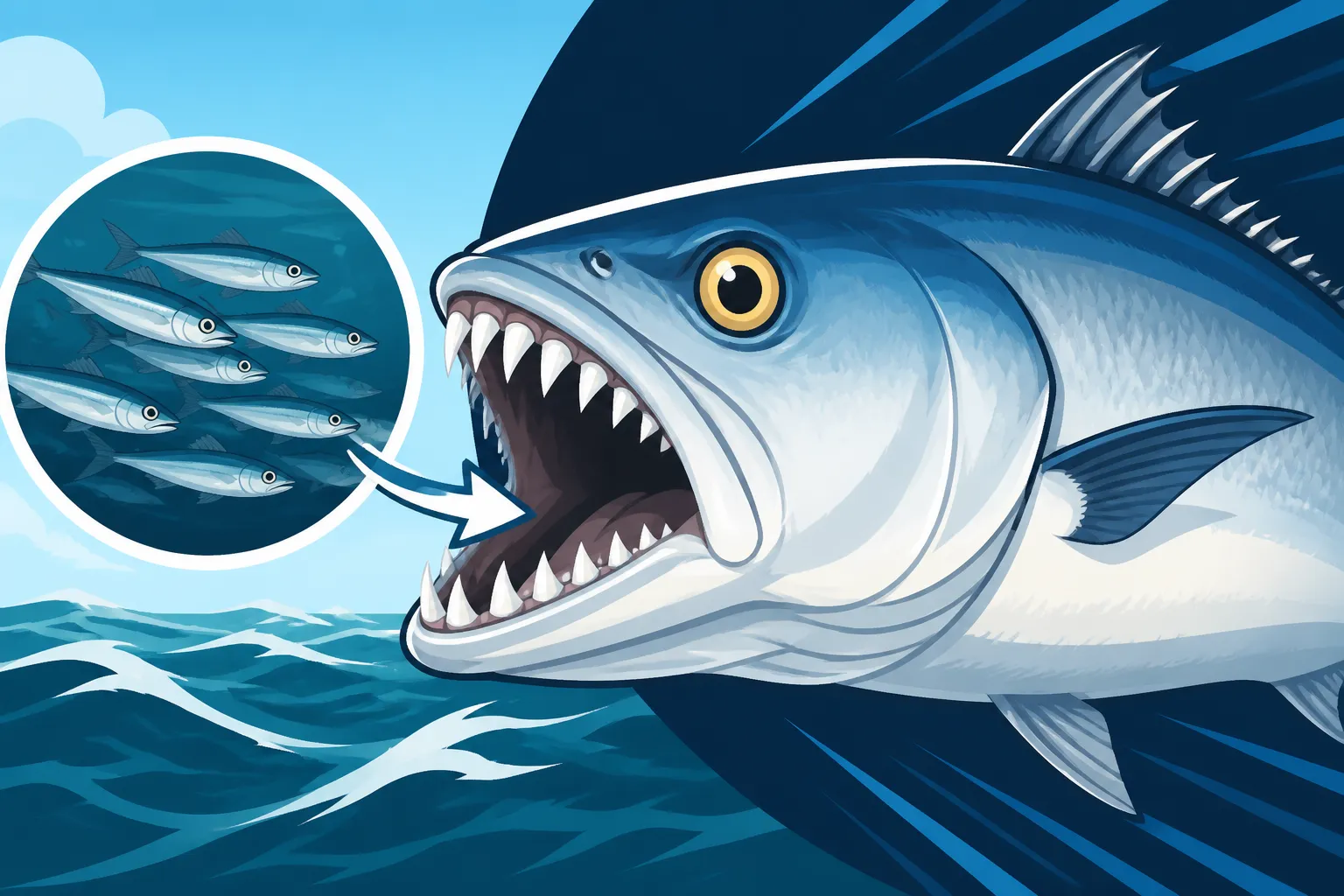
Imagine a pair of tiny, razor-sharp scissors lining both the upper and lower jaws – that's essentially what a bluefish's mouth resembles. Their teeth are conical, pointed, and incredibly sharp, arranged in a single, distinct row in each jaw. Unlike some other predatory fish that might have irregular teeth or grinding plates, bluefish teeth are designed purely for cutting. When they bite down, these teeth act like a guillotine, cleanly slicing through the flesh of their prey. This allows them to dispatch smaller fish quickly, often severing them in half or chopping them into manageable pieces. This method is incredibly efficient for consuming large quantities of rapidly moving baitfish, enabling them to make the most of a feeding opportunity before the school disperses.
A Constant Cycle of Replacement
Much like sharks, bluefish don't just have one set of teeth for life. They are constantly replacing them throughout their existence. This continuous cycle means that even if a tooth is broken, dulled, or lost during a violent feeding frenzy or a struggle with a hooked bait, a new, sharp tooth is always ready to emerge and take its place. This rapid regeneration ensures that the bluefish's primary hunting tool is always in prime condition, maintaining its predatory edge. This isn't just a minor detail; it's a vital adaptation that guarantees their sustained success as a formidable hunter in a competitive marine environment. It's a system designed for perpetual sharpness.
Impact on Prey and Ecosystem
The bluefish's bite has a profound impact on its prey species and, consequently, on the broader marine ecosystem. Their ability to quickly decimate schools of baitfish like bunker (menhaden), spearing, and anchovies means they play a significant role in population control. During a "bluefish blitz," when large schools aggressively feed, they can create a scene of absolute chaos, with baitfish scattering and leaping out of the water in desperation. This intense predation pressure influences the behavior and distribution of their prey, pushing them into different areas or depths. While it might seem brutal, this efficiency is a natural part of the marine food web, helping to maintain balance and prevent overpopulation of certain species. What Bluefish Have Such Sharp Teeth is not just a question of anatomy, but of ecological function.
Handling Bluefish Safely and Why It Matters
Given their incredible set of choppers, handling a bluefish, whether you plan to keep it or release it, demands a degree of caution and the right tools. A moment of carelessness can lead to a painful injury, turning a fun day of fishing into an urgent trip to the emergency room.
Essential Tools for the Angler
When you're targeting bluefish, or even if you're just fishing in waters where they might be present, you need to be prepared. A good pair of long-nosed pliers is absolutely essential for safely removing hooks from their toothy mouths without putting your fingers at risk. Forceps or a specialized de-hooker can also be invaluable, especially if the hook is deeply set. Many anglers also invest in cut-resistant gloves, available from various outdoor retailers and online marketplaces such as Amazon, to add an extra layer of defense against those razor-sharp teeth. Don't forget a sturdy landing net or a gaff for larger fish, which allows you to control the fish without having to grab it by hand immediately. You can find robust, marine-grade pliers and de-hookers on Amazon, often at competitive prices, ensuring you're ready for any toothy encounter.
Best Practices for Release
If you're practicing catch and release, minimizing stress and injury to the fish is paramount, and that includes protecting yourself. Once a bluefish is landed, try to keep it in the water as much as possible if you're releasing it. Use your long-nosed pliers to quickly and carefully remove the hook. If the hook is too deep, consider cutting the line as close to the hook as possible; often, the hook will rust out over time, and this is far better than struggling with the fish and causing further injury or risking a severe bite. Holding the fish by the tail and jaw (being extremely cautious of the teeth) can help, but always prioritize safety. A cradle or soft-rubber net can also help subdue the fish gently. Remember, a quick and clean release is beneficial for both the fish's survival and your peace of mind. For more on this, you might find our guide on Catch-and-Release Handling Rules helpful.
What Happens If You Get Bitten
Let's be realistic: a bluefish bite is not just a nip. Their teeth are designed to sever flesh, and they do an excellent job of it. A direct bite can result in deep, jagged lacerations that bleed profusely and often require medical attention. These aren't simple punctures; they are actual cuts, sometimes quite deep, which can lead to nerve damage, tendon damage, or severe infections if not treated properly. It's not uncommon for anglers to recount stories of bluefish nearly taking off a finger or leaving scars that serve as permanent reminders of a moment of inattention. Always keep your hands clear of their mouths, even if you think the fish is subdued. They can thrash unexpectedly, and those teeth will find whatever they can. Carrying a basic first-aid kit with antiseptic wipes, bandages, and pressure wraps is always a good idea, particularly when fishing species known for aggressive bites. Many compact fishing-specific first aid kits can be found on Amazon.
Beyond the Bite: Other Bluefish Characteristics
While their formidable teeth are certainly a defining feature, bluefish are fascinating creatures for many other reasons. Understanding more about their overall behavior and life cycle paints a more complete picture of these powerful game fish.
Voracious Appetites and Feeding Frenzies
The term "feeding frenzy" was practically invented for bluefish. When a large school encounters a dense concentration of baitfish, they enter a state of extreme predatory excitement. They'll slash through the bait, often not even consuming everything they kill, driven by an instinct to incapacitate as much prey as possible. This behavior makes them incredibly exciting to target because they hit lures and baits with unparalleled aggression. They'll chase down anything that looks like a meal, from metal jigs to surface poppers, offering explosive strikes that will get your adrenaline pumping. Their diet is primarily small schooling fish, but they aren't picky and will opportunistically feed on squid, crustaceans, or even smaller members of their own species. It's a testament to their insatiable hunger and efficient hunting machine that their teeth are always ready for action. You might be interested in how this compares to What Striped Bass Eat in the Hudson River as another New York predator.
The Fight of a Bluefish
Beyond their bite, bluefish are renowned for their incredible fighting spirit. Once hooked, they put up a tremendous battle, pulling hard, making powerful runs, and often jumping clear out of the water. Their sheer strength and relentless nature make them a favorite target for many anglers seeking a challenging fight. They don't give up easily, and even when brought boatside, they retain enough energy to thrash violently, which is another reason why careful handling is so crucial. The combination of their aggressive feeding habits and powerful fighting ability ensures that a bluefish encounter is rarely dull. If you're looking for an action-packed day on the water, targeting blues is definitely one way to achieve it.
Conservation and Management
Despite their abundance, bluefish populations are carefully monitored and managed to ensure sustainability. New York, like other states along the Atlantic coast, implements regulations such as daily catch limits and minimum size requirements. These rules are put in place to balance recreational and commercial fishing interests with the long-term health of the species. Understanding and adhering to these regulations is crucial for every angler. New York Fishing Regulations Explained provides a comprehensive look at the rules in place. It's important that we, as anglers, do our part to ensure that these magnificent predators continue to thrive in our waters for generations to come.
Here's a quick comparison of bluefish teeth versus another common New York saltwater predator:
| Feature | Bluefish | Striped Bass |
|---|---|---|
| Tooth Shape | Razor-sharp, conical, needle-like | Small, rasp-like, brush-like, not sharply pointed |
| Arrangement | Single row in upper and lower jaws | Multiple rows, forming a rough "patch" |
| Primary Function | Shearing, cutting prey into pieces | Gripping prey whole, holding securely |
| Bite Potential | Can inflict severe lacerations | Less severe, more of a strong abrasion or grip |
| Dietary Strategy | Aggressive, often "chopping" through schools | Often gulp prey whole, or stun with powerful mouth |
| Danger Level | High for human skin, requires extreme caution | Moderate, can chafe or abrade but rarely cuts deep |
Next time you head out, whether you're wondering about Best Time of Year to Fish in New York or How to Fish for Bluefish on Long Island Sound, remember that bluefish are more than just a challenging catch; they're a marvel of evolution, perfectly equipped for their role as a top predator. Those sharp teeth are a testament to their power and efficiency, and a good reason to always practice safety on the water.
Disclaimer
This article is for general informational purposes only and does not constitute professional advice. Laws, prices and regulations vary by location and change over time. Consult a qualified professional for guidance on your specific situation.