New York Fish Species That Spawn in Spring
One of the most exciting times for anglers in New York State is spring, but it also brings unique challenges and responsibilities. If you've ever wondered why some fish seem to disappear or become incredibly active at certain times of the year, it often boils down to their biological imperative to reproduce. This comprehensive guide will walk you through the fascinating world of New York fish species that spawn in spring, helping you understand their behaviors, preferred habitats, and how this knowledge can make you a more successful and ethical angler.
Understanding Spring Spawning in New York Waters
Spring is a season of renewal, and for many fish species, it's the most critical time of their year. As the ice recedes and water temperatures begin their slow climb, an ancient instinct kicks in, driving fish to specific locations to lay and fertilize their eggs. This annual ritual is vital for the health of our fisheries, and understanding it is key to responsible angling.
The Biological Urge: Why Spring?
The timing of spring spawning isn't random; it's a finely tuned dance with environmental cues. The primary triggers are usually rising water temperatures and increasing daylight hours. As the days lengthen, fish sense the changing seasons, and their bodies prepare for reproduction. Different species have different optimal temperature ranges for spawning, which dictates when and where they’ll seek out their mates.
For example, trout species generally prefer cooler water, so their spawning activity often begins shortly after ice-out, or even beneath thin ice in some instances, in the early spring. Conversely, species like largemouth bass hold off until the water has warmed considerably more, often into the late spring or early summer. These temperature thresholds are crucial because they ensure the eggs develop properly and that newly hatched fry have an adequate food supply as they emerge. It's a delicate balance of timing and conditions that has evolved over millennia.
Habitat Selection for Spawning Success
When it comes to spawning, not just any patch of water will do. Fish are incredibly particular about their spawning grounds, selecting areas that offer the best chances for their eggs and fry to survive. This usually means shallower waters where sunlight can penetrate, helping to warm the eggs, and where there's some protection from predators and strong currents.
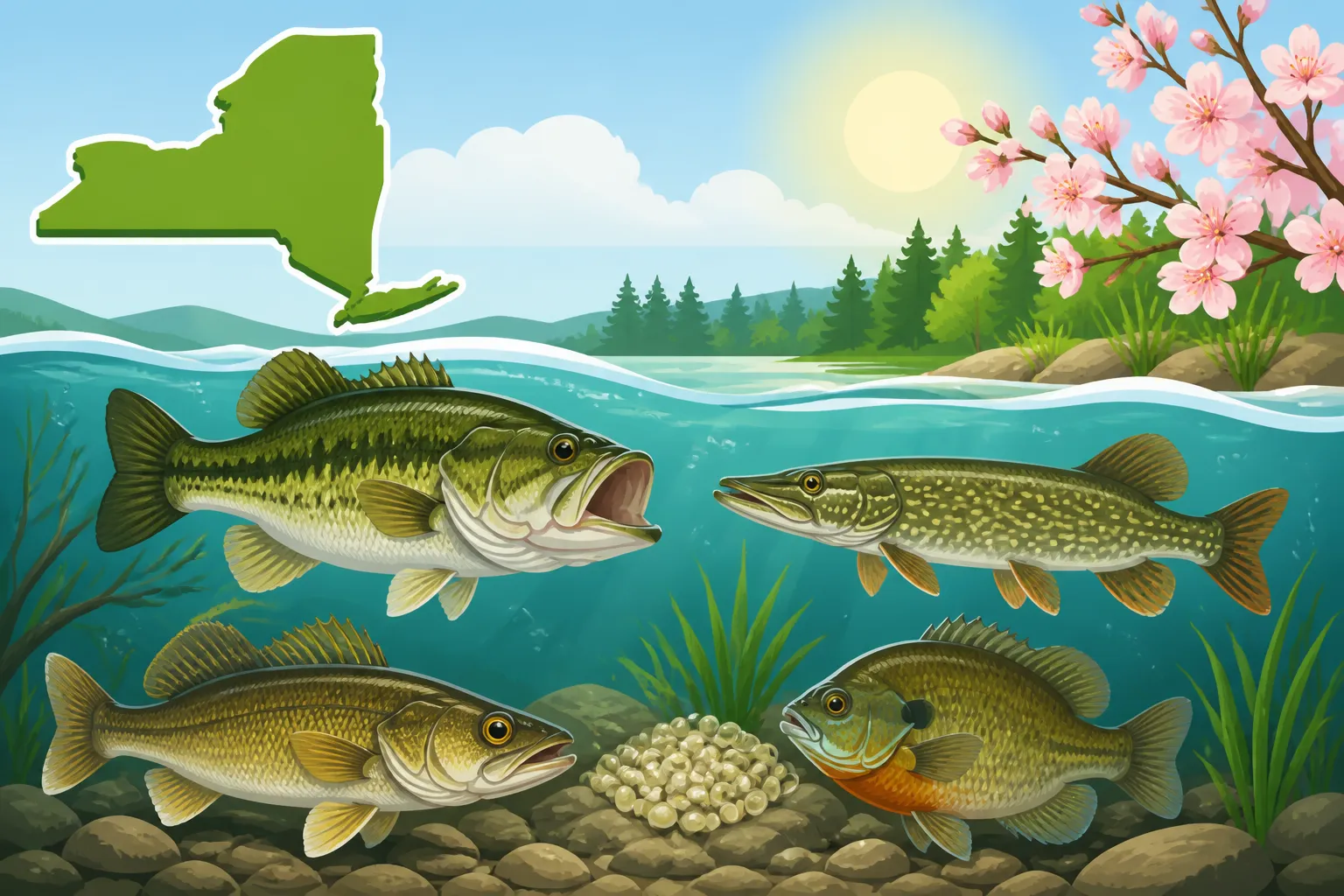
For many species, like trout and walleye, gravel beds are paramount. The spaces between the stones provide aeration for the eggs and help protect them from being washed away or eaten. Bass, on the other hand, often prefer areas with a mix of sand, gravel, and submerged vegetation, where the males can sweep out a "nest" to protect the eggs. Pike and panfish frequently seek out flooded vegetation or brush piles, where their sticky eggs can adhere safely. Understanding these preferences can help you predict where fish will be concentrated during the spring and appreciate the delicate ecosystems they rely on.
Key New York Fish Species That Spawn in Spring
New York State boasts an incredible diversity of fish, and many of our most popular species undertake their spawning rituals as winter gives way to warmer weather. Knowing which fish are spawning when can significantly impact your fishing strategy.
Trout Species: Brookies, Browns, and Rainbows
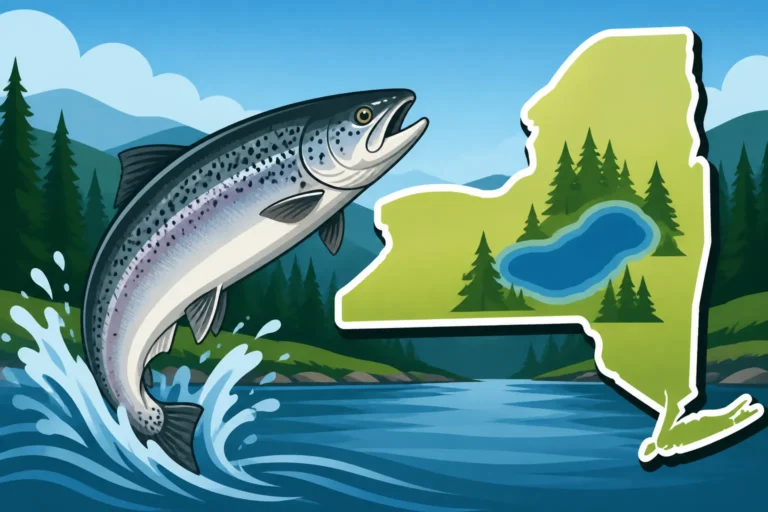
While some trout, particularly brook trout and brown trout, are known for their fall spawning runs, many populations, especially wild rainbow trout (steelhead), engage in significant spring spawning activity. These migratory rainbows, often referred to as "steelhead" when they return from Lake Ontario or Lake Erie to tributary streams, begin their upstream journey as early as late winter and continue well into spring.
They seek out gravelly runs in cold, clear streams, where females lay their eggs in "redds" – depressions in the streambed. Males then fertilize the eggs, and the females often cover them with gravel. The timing can vary based on the specific tributary and water conditions, but you'll often find intense activity from March through May. Anglers targeting these species during this sensitive time need to be acutely aware of regulations and practice ethical Catch-and-Release Handling Rules to protect the spawning population. Check out our guide on A Guide to New York's Trout Species for more details.
Bass Species: Largemouth and Smallmouth
For many bass anglers, spring means anticipating the spawn. Both largemouth and smallmouth bass in New York typically spawn in late spring, generally from May through June, once water temperatures consistently reach the upper 50s and low 60s Fahrenheit. This is a fascinating period because the males become incredibly territorial and aggressive.
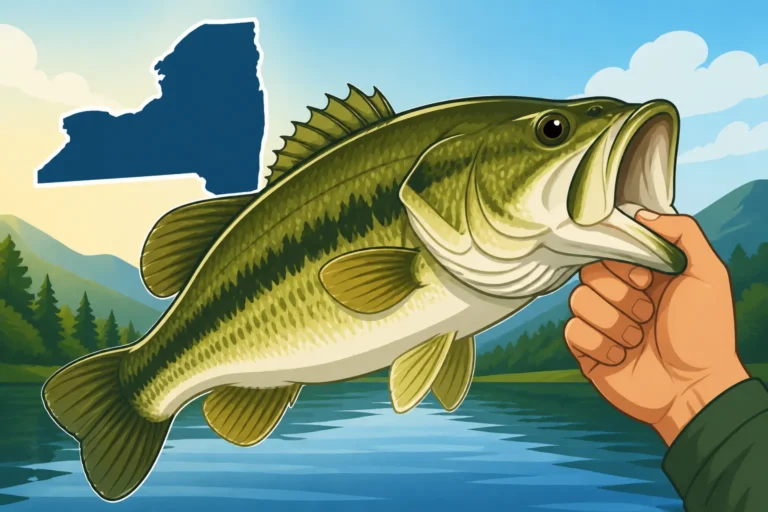
Largemouth bass prefer shallow, protected areas with submerged vegetation, logs, or brush piles. The male will fan out a circular nest on the bottom and then guard the eggs and fry ferociously from any perceived threat. Smallmouth bass seek out similar depths but prefer rocky or gravelly bottoms, often near current breaks in rivers or along lake shoals. During this time, male bass are highly protective, making them vulnerable to anglers. Many seasoned anglers choose to avoid targeting nesting bass directly, or at least practice immediate and careful release, to ensure the next generation thrives. Understanding New York Bass Season Dates is crucial for planning your trips.
Walleye and Northern Pike: Cool Water Spawners
Walleye are one of New York's most sought-after cool-water game fish, and their spawning season in early spring is legendary for creating intense fishing opportunities. As soon as the ice leaves the lakes and rivers, often in April and sometimes even stretching into May, walleye begin their spawning migrations. They prefer to broadcast their eggs over rocky reefs, gravel shoals, and areas with current in rivers. You'll often find them stacked up in tributaries or along windswept shorelines where conditions are just right.
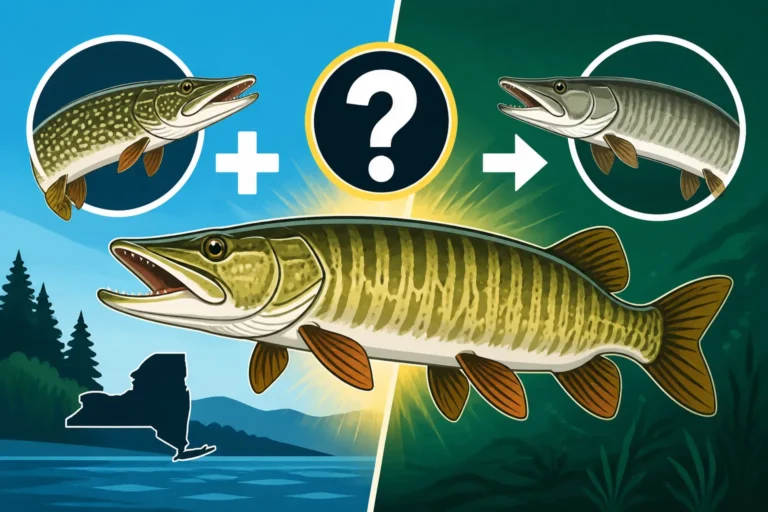
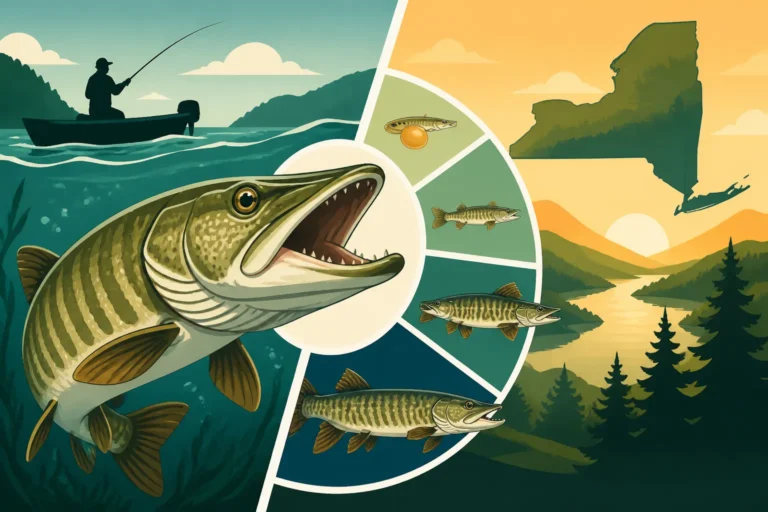
Northern pike are even earlier birds, sometimes spawning when there's still ice on sheltered bays. They typically move into flooded vegetation, marshy areas, and shallow wetlands in March and April. Their eggs are sticky and adhere to submerged plants, where they'll hatch relatively quickly. Both walleye and pike can be quite active and accessible during these early spring movements, but knowing the specific regulations for New York Walleye Season and Limits is critical to ensure sustainable fishing. For durable gear to handle these strong fighters, you might check out some reputable fishing rod and reel combos available on Amazon.
Panfish: Crappie, Perch, and Sunfish
Don't underestimate the humble panfish! Crappie, yellow perch, bluegill, and other sunfish species provide incredible action in the spring, especially as the water warms up a bit more towards late spring and early summer. These species are prolific spawners and often gather in large schools, making for fantastic fishing experiences, particularly for families and beginners.
Yellow perch often spawn in April and May, depositing their distinctive gelatinous egg strands over submerged vegetation or brush piles. Crappie, both black and white, typically move into shallow, brushy areas, around docks, or beneath lily pads in May and June to build their communal nests. Bluegill and other sunfish are a bit later, often spawning from late May through July, creating multiple nests in sandy or gravelly shallows. Because they are so abundant and aggressive during the spawn, panfish offer some of the best opportunities for consistent bites. It’s always a good idea to check the specific regulations for New York's Panfish Species Explained in your fishing area.
How Spring Spawning Impacts Anglers
Understanding the spring spawning patterns of fish isn't just a matter of biological curiosity; it has direct implications for how, when, and where you fish.
Prime Opportunities and Challenges
For many species, the pre-spawn period is a time of intense feeding as fish bulk up for the energy demands of reproduction. This can lead to some of the most aggressive bites of the year, as fish actively seek out food. During the actual spawning process, some species, like bass, become highly territorial and will strike at anything that approaches their nest, not necessarily out of hunger, but to protect their future generations. This can present both prime opportunities for a catch and a significant challenge for ethical angling.
The post-spawn period can also be excellent, as fish recover from the rigors of spawning and resume feeding to regain lost energy. Identifying these phases can help you fine-tune your approach, whether you're looking for a trophy or just a fun day of consistent action. It's a fantastic time to use a variety of baits and techniques. To ensure you have all your bases covered, you can easily find a diverse selection of artificial lures and soft plastics on Amazon, perfect for imitating the forage these hungry fish are after.
Responsible Angling During Spawning Season
With increased fish activity during the spring comes increased responsibility for anglers. Many species are at their most vulnerable during the spawn. Regulations are often put in place to protect these fish, such as closed seasons, specific catch limits, or even mandatory catch-and-release periods for certain species. For example, some areas might have New York Catch-and-Release Trout Fishing Rules during certain times of the year.
It's crucial to consult the current New York Fishing Regulations Explained before heading out. Beyond legal requirements, consider ethical practices:
- Minimize Stress: If you do catch a spawning fish, handle it gently and release it quickly. Avoid prolonged fights and keep the fish in the water as much as possible.
- Avoid Nesting Fish: For species like bass that actively guard nests, consider avoiding direct targeting of visible nesting fish. Disturbing a nest can leave eggs or fry vulnerable to predators.
- Use Appropriate Gear: Ensure your tackle is appropriate for the size of fish you're targeting to facilitate a quick fight and release. You can find a good selection of quality fishing scales and knot-tying tools on Amazon to aid in proper handling.
Gear and Techniques for Spring Spawning Season
Being prepared with the right gear and knowledge of appropriate techniques can make your spring fishing trips much more successful, especially when targeting specific spawning species.
Essential Tackle for Spring Success
The gear you choose will depend heavily on the species you're pursuing. For early spring trout and walleye, light to medium spinning gear with sensitive rods is often ideal for detecting subtle bites in cold water. Baits like jigs, small crankbaits, and live bait (where permitted) are often highly effective. Many anglers swear by a good selection of soft plastics for steelhead, which you can easily source from a trusted retailer like Amazon.
As the water warms and bass become active, medium-heavy baitcasting or spinning setups are common, allowing you to cast larger lures like spinnerbaits, crankbaits, and Texas-rigged worms into shallow cover. Panfish can be caught on ultralight gear with tiny jigs, bobbers, and worms. The key is to match your tackle to the fish's size and the presentation needed for their spawning behaviors. Don't forget to stock up on quality fishing line; many anglers purchase their bulk spools from Amazon for convenience.
| Fish Species | General Spawning Period | Key Spawning Habitat | Notes for Anglers |
|---|---|---|---|
| Brook Trout | Early Spring (March-May) | Cold, clear streams, gravel | Aggressive post-spawn, follow regulations. |
| Brown Trout | Early Spring (March-May) | Rivers, streams, shallow lake shoals | Often actively feeding after spawning. |
| Rainbow Trout | Early Spring (March-May) | Tributaries, gravel beds | Strong fighters, often migratory. |
| Largemouth Bass | Late Spring (May-June) | Shallow, weedy areas, structure | Guard nests; often catch-and-release is encouraged. |
| Smallmouth Bass | Late Spring (May-June) | Rocky areas, gravel, moderate currents | Guard nests; can be very aggressive. |
| Walleye | Early Spring (April-May) | Rocky reefs, gravel shoals, river current | Excellent eating, often good post-spawn bite. |
| Northern Pike | Early Spring (March-April) | Flooded vegetation, shallow marshy areas | Ambush predators, can be caught during spawning. |
| Yellow Perch | Mid-Spring (April-May) | Submerged vegetation, brush piles | Schooling fish, excellent for panfish enthusiasts. |
| Crappie (Black/White) | Late Spring (May-June) | Submerged brush, docks, lily pads | Known for prolific bites, often found in schools. |
| Bluegill/Sunfish | Late Spring (May-July) | Shallow, soft bottom, vegetation | Very active, great for family fishing. |
Navigating Regulations and Conservation
Navigating the rules and regulations for spring fishing can feel a bit like wading through a labyrinth, but it's absolutely essential for protecting our fisheries. New York State's Department of Environmental Conservation (DEC) publishes detailed guides every year, outlining season dates, catch limits, and special regulations for specific water bodies. You can usually pick up a physical copy at most bait and tackle shops or DEC offices, or you can find them online.
Understanding these rules, like the New York Freshwater Fishing Rules or when New York Trout Season Opening Day Is April 1, ensures you're fishing legally and responsibly. Remember that regulations can vary not just by species, but also by specific rivers, lakes, or even sections of a single body of water. For example, some areas might have different rules for New York Ice Fishing Rules that transition into open water season. Always double-check before you cast your line. By doing so, you're not just avoiding a potential fine (Fine for Fishing Without a License in New York), but you're actively participating in the conservation efforts that keep New York's fishing bountiful for future generations.
Spring fishing in New York offers some of the most exciting and rewarding experiences for anglers of all skill levels. By taking the time to understand the spawning behaviors of various fish species, and by committing to responsible and ethical angling practices, you can enjoy incredible success while also ensuring the health and sustainability of our precious aquatic ecosystems. So grab your gear, consult the latest regulations, and get ready to experience the magic of New York's spring fishing!
Disclaimer
This article is for general informational purposes only and does not constitute professional advice. Laws, prices and regulations vary by location and change over time. Consult a qualified professional for guidance on your specific situation.