What a Bowfin Is
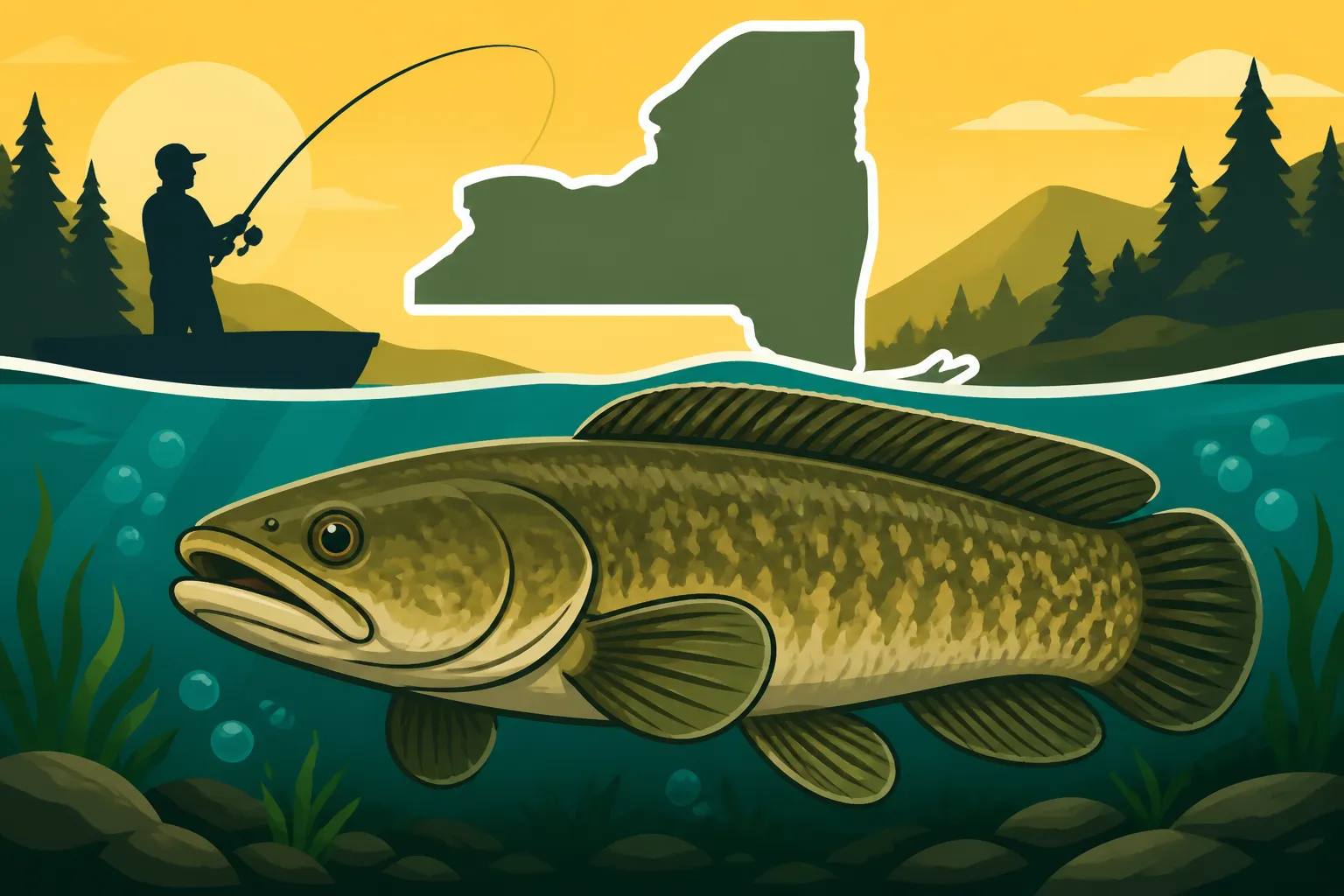
You're out on a quiet backwater, maybe a marshy section of the Hudson River or a sluggish tributary, and you hook into something that fights like a demon. It's got a long, muscular body, a dorsal fin that stretches almost the entire length of its back, and a face that looks like it swam straight out of the Jurassic period. You pull it in, and the first thought that often crosses an angler's mind is, "What in the world is this thing?" It's not a pike, not a bass, and definitely not a typical panfish. Chances are, you've just met the bowfin, a truly unique and often misunderstood resident of New York's freshwater systems. This guide is here to shed light on this incredible species, helping you understand its biology, where to find it, and what makes it such a fascinating part of our aquatic landscape.
Understanding the Bowfin: A Living Fossil
The bowfin, scientifically known as Amia calva, holds a special place in the ichthyological world. It's often called a "living fossil" because its lineage dates back millions of years, predating many of the fish species we commonly encounter today. When you look at a bowfin, you're essentially looking at a fish that has changed very little over vast stretches of geological time. This ancient heritage gives them a set of unique adaptations and characteristics that set them apart from almost every other fish in our waters.
A Glimpse into Prehistory
Imagine a fish that evolved alongside dinosaurs – that's essentially the bowfin. Their prehistoric features are immediately apparent. One of the most distinctive is their long, undulating dorsal fin, which runs for more than half the length of their back. This isn't just for show; it allows for incredibly fluid, snake-like movements through dense vegetation, making them stealthy ambush predators. Another tell-tale sign of their ancient ancestry is the gular plate, a bony plate located under their lower jaw, a feature almost unique among modern fish. This plate, along with their robust skeletal structure, speaks to a design built for survival through millennia of environmental changes. Their scales are ganoid, a type of hard, interlocking scale that provides exceptional armor, much like those found on gar or sturgeon. These aren't your typical flexible fish scales; they offer serious protection.
Physical Traits and Identification
Bowfin are undeniably striking, once you know what to look for. Their bodies are typically long and cylindrical, ranging in color from olive green to dark brown on their backs, fading to a creamy white or yellow on their bellies. Many will have a mottled or reticulated pattern along their flanks, giving them excellent camouflage in weedy environments. Their heads are somewhat flattened and broad, with a large mouth full of sharp, conical teeth – a clear indication of their predatory nature.
One of the most defining identification markers, especially for males, is the distinct black spot, often rimmed with an orange or yellow halo, at the base of their tail fin (caudal peduncle). While females may have this spot, it's usually less pronounced or entirely absent. This spot is sometimes referred to as an "ocellus" or "eyespot" and is a key feature for distinguishing them. Sizes can vary, but mature bowfin in New York commonly range from 1 to 5 pounds, though larger specimens, pushing upwards of 8-10 pounds, are certainly caught. Their powerful tail and muscular build mean that even a smaller bowfin puts up an impressive fight when hooked. You might mistake one for a different species at first glance, but once you get a closer look at that dorsal fin and tail spot, you'll know you've found a bowfin.
Bowfin vs. Other Fish: Avoiding Misidentification
It's common for anglers to initially misidentify a bowfin, especially if they're not familiar with the species. The most frequent confusion is with the Northern Snakehead (Channa argus), an invasive species that poses a serious threat to native ecosystems. While both have long bodies and dorsal fins, there are clear differences. Snakeheads typically have a more elongated, snake-like head, often with distinct, irregular blotches along their sides, and lack the prominent tail spot of the bowfin. The dorsal fin of a snakehead is usually shorter relative to its body length compared to a bowfin's remarkably long fin. If you catch what you suspect is a snakehead in New York, it's crucial to report it to the DEC.
Another common mix-up can be with the Northern Pike or chain pickerel due to their similar body shape and predatory appearance. However, pike and pickerel have a much more pronounced, duck-bill-shaped snout, and their dorsal fins are much shorter and located far back on their bodies, closer to the tail, whereas the bowfin's dorsal fin starts much further forward and extends along most of its back. Additionally, pike and pickerel have distinct scale patterns (often bean-shaped spots on pike, chain-like patterns on pickerel) that differ from the bowfin's mottled look. Knowing these distinctions is vital for proper identification and compliance with fishing regulations. How to Identify Fish Species in New York is a great resource if you're ever unsure about your catch.
| Feature | Bowfin | Northern Pike | Northern Snakehead |
|---|---|---|---|
| Dorsal Fin | Very long, almost full length of back | Short, set far back near tail | Long, but shorter than bowfin's |
| Tail Spot | Distinct black spot (often with halo), especially in males | Absent | Absent |
| Head Shape | Broad, somewhat flattened, large mouth | Elongated, "duck-bill" snout | Snake-like, conical |
| Gular Plate | Present (bony plate under jaw) | Absent | Absent |
| Body Markings | Mottled green/brown, lighter belly | Bean-shaped spots (pike), chain pattern (pickerel) | Irregular dark blotches |
| Native to NY? | Yes | Yes | No (invasive) |
Where Bowfin Are Found in New York Waters
Bowfin are truly survivors, and their choice of habitat reflects their ancient adaptations. They are incredibly resilient fish, capable of thriving in conditions that would stress or kill many other species. Understanding their preferred environments is key to finding them and appreciating their unique role in the ecosystem.
Native Ranges and Habitats
In New York, bowfin are generally found in the slow-moving, warmer waters of the state's central, western, and southeastern regions. They are a native species to the Great Lakes basin and the Susquehanna River system, which means they've been part of our aquatic tapestry for a very long time. You're most likely to encounter them in larger river systems like the Hudson, Mohawk, and parts of the St. Lawrence River, as well as their associated backwaters, oxbows, and marshy bays. They also inhabit many of the smaller lakes and ponds that connect to these major drainages, particularly those with abundant aquatic vegetation. Areas like the lower sections of the Oswego River Fishing Guide or the quieter stretches of the Erie Canal can be prime bowfin territory.
They aren't keen on fast-flowing, clear trout streams. Instead, think sluggish currents, muddy or silty bottoms, and water that might feel a little too warm for more sensitive species. These conditions, often found in floodplains and wetland areas, are exactly where bowfin thrive.
Preferred Ecosystems
Bowfin are masters of camouflage and ambush in dense cover. Their preferred habitats are typically shallow, often less than 10 feet deep, and heavily vegetated. They love lily pads, thick weed beds, submerged logs, and cattail fringes. These environments provide them with excellent cover to hide from potential predators (especially when young) and, more importantly, ideal ambush points for their prey.
One of their most remarkable adaptations is their ability to breathe air using a primitive lung-like swim bladder. This allows them to survive in oxygen-depleted waters, a common occurrence in warm, stagnant, heavily vegetated areas during hot summer months. While other fish might be gasping for oxygen at the surface, gulping air, bowfin can do this quite efficiently, giving them a significant survival advantage. This capability makes them incredibly hardy and allows them to persist in places where other predatory fish might perish. If you're exploring New York's Best Lakes for Fishing and find yourself in a shallow, weedy bay, don't be surprised if a bowfin is lurking there.
The Bowfin's Role in the Ecosystem
Despite often being overlooked or misunderstood by anglers, the bowfin plays a significant and often beneficial role within its native ecosystems. They are not merely "trash fish" but integral components of the food web, helping to maintain balance and health in their preferred habitats.
As a Predator
Bowfin are opportunistic and voracious predators. Their diet consists primarily of other fish, including carp, panfish, and even smaller game fish. They also consume crayfish, frogs, and large aquatic insects. Their powerful jaws, sharp teeth, and explosive strike make them incredibly effective hunters. They typically lie in wait, perfectly camouflaged in the weeds, and then launch themselves at unsuspecting prey. Their role as a top predator in their specific habitats helps control populations of smaller fish, which can prevent overpopulation and disease, ultimately contributing to a healthier aquatic environment. For example, in some areas, they might help keep panfish populations from becoming stunted. They're a vital part of the natural balance, making them an interesting fish to learn more about when studying Fish Species You Can Catch in New York.
As Prey and a Nuisance (Sometimes)
While adult bowfin are powerful predators, they do have their place in the food chain. Young bowfin are susceptible to predation from larger fish, birds of prey, and mammals. As adults, their tough scales and aggressive nature make them a less appealing meal for most animals, though larger predatory birds like ospreys or bald eagles might target them.
From an angler's perspective, bowfin sometimes get a bad rap. They're often considered a "nuisance" by those targeting more traditionally desirable game fish like bass or walleye, largely because they can be quite aggressive and will readily strike baits meant for other species. Some anglers dislike their appearance or the slime they produce, leading to them being thrown back carelessly or even left on shore. However, for those who appreciate a strong fight and a unique catch, the bowfin offers an exhilarating experience. Their power and willingness to fight make them a worthy adversary on light tackle. For a different type of fight, check out New York's Most Popular Freshwater Fish.
Conservation Status in New York
In New York, the bowfin is a native species and is generally not considered endangered or threatened. Unlike some fish that require specific, pristine water conditions, the bowfin's adaptability, particularly its ability to tolerate low oxygen levels and warmer waters, has allowed it to persist even in habitats that have seen some degree of human impact. The New York State Department of Environmental Conservation (DEC) manages bowfin as part of general fishing regulations, which are usually quite liberal for this species, often with no specific closed seasons or restrictive size/bag limits, although it's always wise to check the current New York Fishing Regulations Explained before heading out. Their robust populations and adaptability ensure they continue to be a fascinating, albeit sometimes surprising, part of the angling experience in the state.
Angling for Bowfin: A Unique Challenge
If you're looking for a fish that delivers a powerful, unpredictable fight and often surprises you with its ferocity, the bowfin is your target. They might not be as glamorous as a trout or a salmon, but they make up for it with sheer grit and determination once hooked. Catching a bowfin is an experience every freshwater angler in New York should have at least once.
Best Techniques and Baits
Bowfin aren't particularly picky, which is part of their charm. They're opportunistic feeders, meaning they'll hit a wide variety of offerings.
- Live Bait: This is often the most effective method. A lively shiner, sunfish, or even a large nightcrawler under a bobber or fished on the bottom can be irresistible to a hungry bowfin. They prefer to ambush, so letting your bait sit near dense cover is key.
- Artificial Lures: Don't shy away from throwing artificials. Spinnerbaits, chatterbaits, and swimbaits that mimic baitfish can trigger aggressive strikes. Topwater lures like frogs or poppers, worked slowly over lily pads, can also be incredibly exciting, as a bowfin's explosive surface strike is something to behold. Think about the types of lures you'd use for largemouth bass in heavy cover, and you're likely on the right track for bowfin. Many anglers find great success with these types of lures, which can be easily found on platforms like Amazon if your local tackle shop doesn't have a wide selection.
- Jigs and Plastics: Soft plastics, especially those rigged weedless, can be effective when worked through heavy cover. Sweet beavers or crawfish imitations bounced along the bottom will attract attention.
When fishing for bowfin, focus on their preferred habitats: shallow, weedy areas, around submerged wood, or along the edges of dense lily pad fields. Medium-heavy to heavy action rods with braided line are recommended, not just for handling the strong fight but also for pulling them out of thick vegetation. How to Fish Cold Water in New York might cover some general principles, but for bowfin, warm, weedy water is where it's at.
Handling and Releasing Bowfin
Once you've hooked a bowfin, be prepared for a spirited battle. They are incredibly strong and will pull hard, often making powerful runs and even jumping or tail-walking like a bass. Their sharp teeth are a serious consideration when handling them. It's highly recommended to use a landing net, and then a fish gripper or heavy-duty gloves if you plan to handle the fish directly for a photo or hook removal.
- Hook Removal: Because of their toothy mouths, a long-nose plier or a hook remover tool is essential. Avoid putting your fingers anywhere near their jaws.
- Gripping: If you must handle the fish, grip it firmly behind the head, or use a lip gripper tool. Be mindful of their powerful body, as they can thrash significantly.
- Release: Like all fish, bowfin should be released quickly and gently if you're not keeping them. Support their body horizontally and allow them to recover before letting them go. Their hardiness generally means they have a high survival rate after being caught and released. This thoughtful approach extends to all fish, from the New York's Most Popular Saltwater Fish to freshwater fighters like the bowfin.
Eating Bowfin: Is It Worth It?
The question of whether bowfin are good to eat is a contentious one among anglers. Historically, they've been considered a "rough fish" or "trash fish" with less culinary appeal than species like walleye or trout. Some older traditions refer to them as "mudfish" or "dogfish," terms that don't exactly inspire confidence for the dinner plate.
However, culinary opinions are shifting, and some adventurous eaters have found ways to prepare bowfin that are quite palatable. The key seems to be proper handling and preparation. Bowfin flesh is often described as firm and white, but can be somewhat tough and has a slightly muddy flavor if not prepared correctly.
- Bleeding and Icing: Like many fish, immediately bleeding and icing the fish after capture can significantly improve the flavor and texture of the meat.
- Filleting and Trimming: Filleting them carefully and trimming away any red meat or fatty parts is crucial. Some recommend skinning the fillets completely.
- Cooking Methods: Popular cooking methods include frying, baking, or even smoking. They can be good in fish cakes or stews, where the texture isn't as critical. Some compare the texture to alligator meat when properly prepared, which might not be for everyone, but certainly offers a unique experience. If you're looking for Best-Tasting Fish Species From New York Waters, bowfin might not be at the top of the list for most, but with the right approach, they can be a surprisingly good meal.
Ultimately, whether you keep and eat a bowfin is a personal choice. Many anglers simply enjoy the fight and practice catch and release, while others see it as a chance to try something new in the kitchen.
Disclaimer
This article is for general informational purposes only and does not constitute professional advice. Laws, prices and regulations vary by location and change over time. Consult a qualified professional for guidance on your specific situation.