New York Fish Species That Spawn in Fall
As the leaves start to turn and that crisp autumn air rolls in across New York, many anglers begin to pack away their gear, thinking the prime fishing season is behind them. But hold on a second! You'd be missing out on some incredible action if you did. What many don't realize is that fall isn't just a beautiful time to be outdoors; it's a critical period for several important fish species in our state. This guide is all about shedding light on those tenacious New York fish species that undertake their vital spawning rituals as the days grow shorter and temperatures drop, giving you an edge for some truly memorable late-season fishing experiences.
The Unique Rhythms of Fall Spawning
It might seem counterintuitive, but for certain fish, the cooling waters and shorter daylight hours of autumn signal the absolute perfect time to reproduce. Unlike the frenetic energy of spring spawners who capitalize on rising temperatures and abundant food, fall spawners operate on a different biological clock, driven by ancient instincts to ensure the survival of their species in a colder, often harsher, environment. Understanding this rhythm is key to appreciating the incredible life cycles happening right under the surface of our lakes and rivers.
Why Fall? The Biological Imperative
For many fall-spawning fish, the decision to reproduce as summer fades is a strategic one, honed over millennia. As lake and river temperatures begin their gradual decline after the heat of summer, oxygen levels often increase, and water clarity can improve. These conditions create a more stable environment for delicate eggs, which need a consistent flow of oxygen-rich water to develop properly. Laying eggs in the fall means that by the time winter sets in, the embryos are often well-developed, nestled in their protected gravel beds, waiting for the spring thaw to emerge as fry. This gives them a head start, allowing them to grow larger and stronger before the next year's crop of spring-spawned fry even begins its life journey.
Furthermore, the timing often aligns with periods of significant migration or staging, building up fat reserves during the late summer and early fall months. This biological drive is incredibly powerful, transforming fish into single-minded creatures focused solely on propagating their kind. It’s a spectacle of nature that every angler should witness, and it completely changes the dynamics of where and how you might find these fish.
Preferred Fall Spawning Habitats
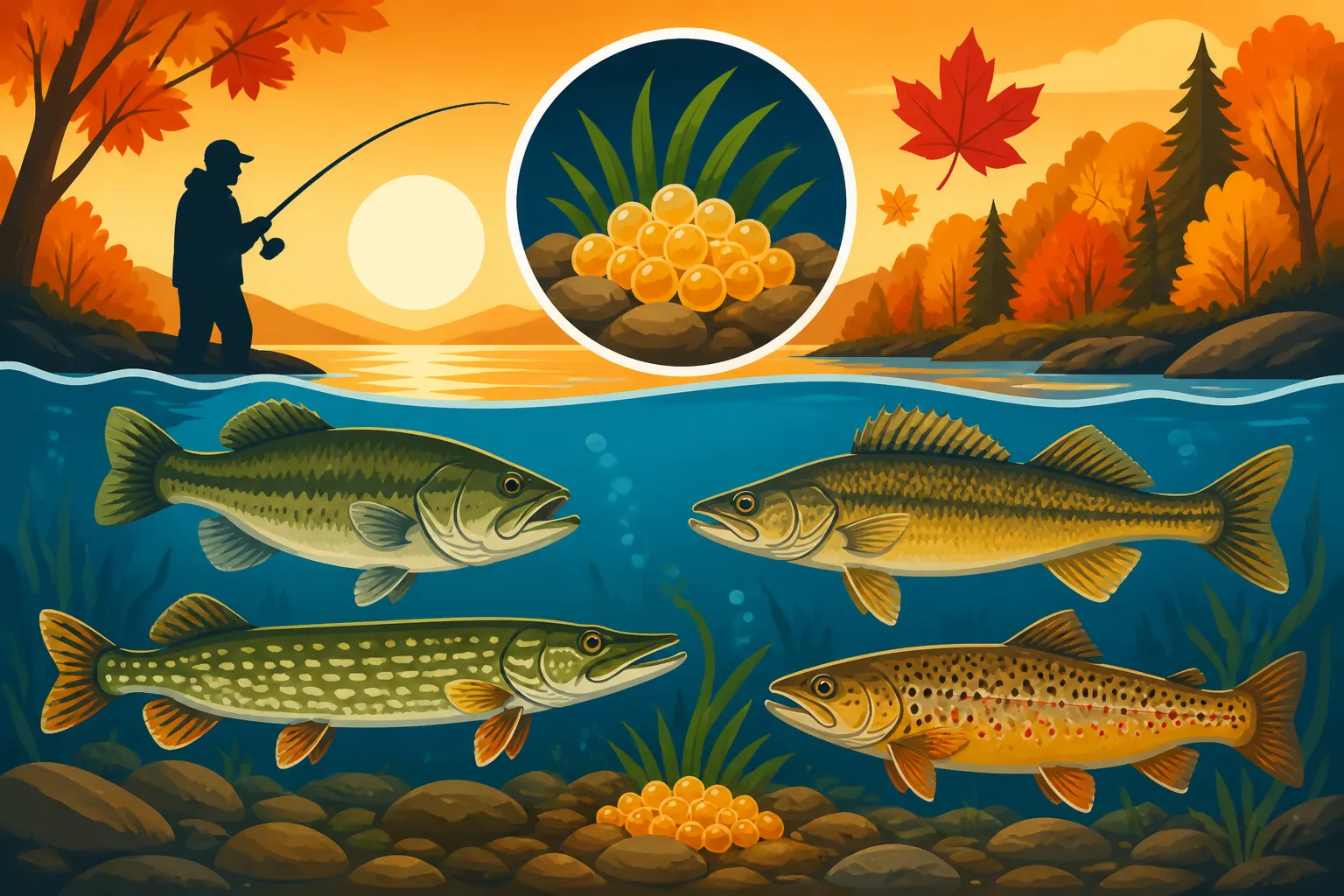
The choice of spawning habitat for fall-spawning species is just as critical as the timing itself. You won't find them broadcasting eggs randomly; these fish are highly particular. Many salmon and trout species, for instance, are classic "redd" builders. A "redd" is a depression scooped out in clean, oxygenated gravel beds, typically in the headwaters of rivers or stream tributaries. The female uses her tail to create these nests, where she and a male will deposit their eggs and milt, after which the eggs are covered with gravel for protection.
Other species, like the revered lake trout, prefer the rocky shoals of larger, deeper lakes. They'll seek out specific rock formations or areas where currents naturally keep the substrate clean and well-oxygenated. These unique preferences mean that if you know when and where to look, you can often find these fish concentrated in specific, predictable locations during the fall. However, this also means these areas become incredibly important to protect and respect during these sensitive times.
Key New York Fish Species That Spawn in Fall
New York State is home to a fantastic array of fish, and several of our most exciting species put on their spawning display when the autumn colors paint the landscape. Knowing who these players are and what makes their fall rituals special can turn a mediocre late-season trip into an unforgettable adventure.
Pacific Salmon: The Kings of the Fall Run
When you talk about fall spawners in New York, the first fish that usually comes to mind are the mighty Pacific salmon, specifically Chinook and Coho salmon. These magnificent fish undertake epic migrations from the vast waters of Lake Ontario and Lake Erie into their natal tributaries each autumn, creating one of the most incredible natural phenomena in the state. If you’ve never witnessed a salmon run, it’s truly a sight to behold.
Chinook Salmon: The Big Show
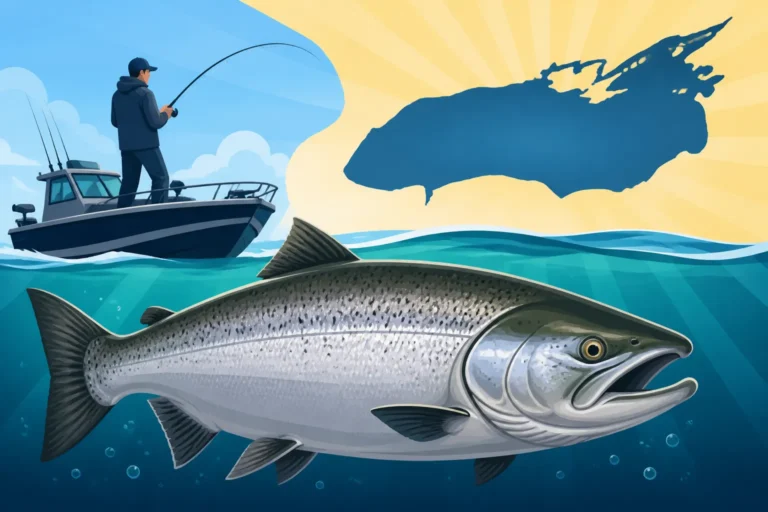
Chinook salmon, often called "King salmon" for good reason, are the largest of the Pacific salmon species in New York. Their fall run usually begins in late August and peaks through September and into October, depending on water levels and temperatures. Driven by an unstoppable urge, they navigate rivers like the Salmon River, Oswego River, and Genesee River, pushing upstream to find those perfect gravel beds to create their redds. These fish are powerful, aggressive, and can offer a truly challenging fight. After they spawn, their life cycle comes to an end, and they succumb to the rigors of their journey, contributing nutrients back to the ecosystem. If you're planning on chasing these giants, make sure you're well-equipped. You'll want strong rods, heavy line, and terminal tackle that can handle fish often exceeding 20 pounds. Many anglers find great success with egg sacs, large flies, or even bright spoons and plugs that mimic injured baitfish. Having a robust landing net, which you can easily find on Amazon, is practically a necessity. You can learn more about these incredible fish in our detailed guide on Chinook Salmon in New York.
Coho Salmon: The Leaping Acrobats
Hot on the heels of the Chinooks, or sometimes even alongside them, come the Coho salmon. While generally smaller than Chinooks, Cohos are famous for their acrobatic jumps and spirited fights, making them a favorite among many fall anglers. Their run often coincides with the latter half of the Chinook run, extending well into October and sometimes even November, especially in the tributaries of Lake Ontario. Like their Chinook cousins, Coho salmon are anadromous, meaning they live most of their lives in the Great Lakes before returning to freshwater to spawn and complete their life cycle. Their preferred baits and lures are often similar to Chinooks, though perhaps a bit smaller in presentation. For those keen on targeting these beauties, our article Coho Salmon in New York has some excellent tips.
Lake Trout: Deep-Water Spawners
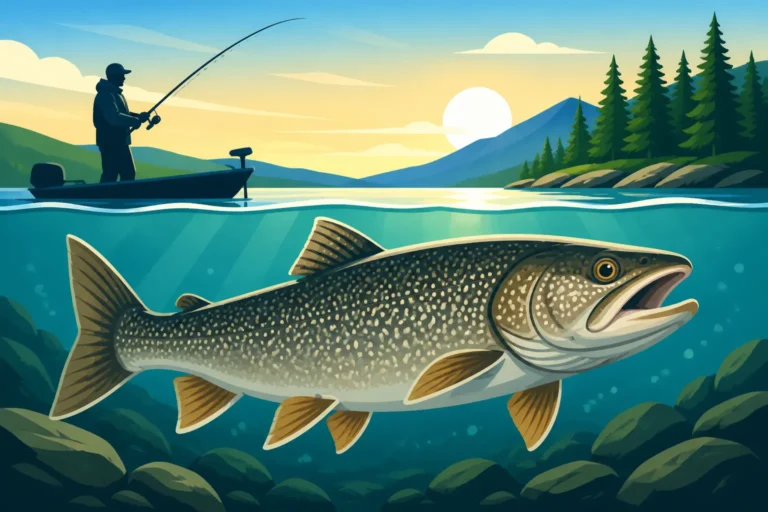
Moving away from the fast-flowing rivers, we turn our attention to the cold, deep waters of New York's larger lakes for another significant fall spawner: the Lake Trout. These native char are true cold-water specialists and their spawning habits are a stark contrast to the river-running salmon. Lake trout typically spawn from late October through November, often extending into early December, preferring the cooler, stable temperatures that autumn brings to deeper lake waters.
Instead of building redds in rivers, lake trout seek out rocky shoals and reefs in the main lake basins. They'll broadcast their eggs over these clean, rocky substrates, where the eggs then fall into crevices and are protected from predators and currents. The sheer size of some of these fish, coupled with their preference for deeper waters, makes targeting them a unique challenge. You'll often find anglers trolling large spoons or stickbaits over known spawning areas, or jigging vertically with heavy spoons or tubes. Being patient and understanding their deep-water habits is crucial. Our guide on Lake Trout in New York offers more insights into finding and catching these impressive fish.
Landlocked Atlantic Salmon: A Different Kind of Salmon
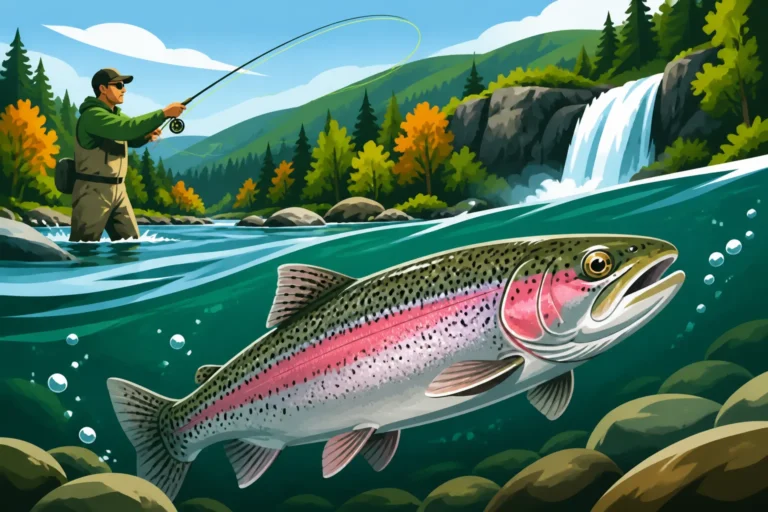
While Pacific salmon are often the stars of the fall run, New York also hosts populations of Landlocked Atlantic Salmon, particularly in the Finger Lakes and other large inland waters. These fish are true salmon, but they complete their entire life cycle in freshwater, never migrating to the ocean. Like their anadromous cousins, they are fall spawners, typically making their way into tributary streams in October and November to deposit their eggs in gravel redds.
Landlocked Atlantic salmon are prized for their beauty and their incredible fighting prowess. They are notoriously challenging to catch, requiring a refined approach, often involving fly fishing with specific streamer or nymph patterns, or careful trolling techniques in the lakes. Their fall spawning migrations, though often less dramatic in scale than the Pacific salmon runs, offer a fantastic opportunity for anglers seeking a unique challenge. Understanding their specific habitats and migration patterns is crucial, and you can delve deeper into their world with our post Landlocked Atlantic Salmon in New York.
Brown Trout and Brook Trout: Nurturing the Next Generation
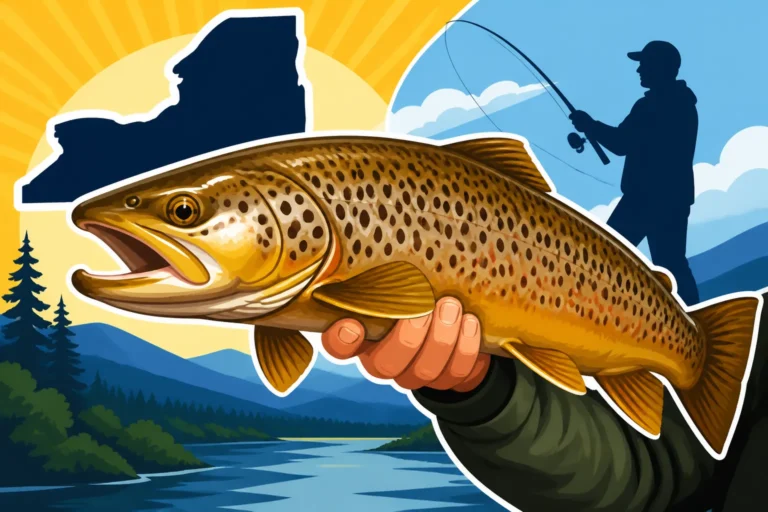
It might surprise some, but many strains of Brown Trout and our beloved native Brook Trout are also fall spawners. While you might associate trout fishing with spring, the autumn months are when these beautiful fish are driven by the urge to reproduce. Brown trout typically spawn from late October through December, while brook trout often begin a bit earlier, from September into November.
Both species seek out gravelly stream bottoms, often in smaller tributaries or the upper reaches of rivers, to create their redds. They prefer clean, cold, well-oxygenated water, making many of New York's pristine streams ideal spawning grounds. During this time, the fish can be incredibly aggressive, as they are focused on territory and reproduction. However, ethical angling practices are paramount when targeting these fish during their spawning period. Avoiding direct pressure on redds and practicing careful catch-and-release is vital to ensure the future health of these populations. Learn more about these beautiful fish in our specific guides on Brown Trout in New York and Brook Trout in New York.
How Fall Spawning Impacts Your Fishing Strategy
Understanding which species spawn in the fall and where they do it isn't just an academic exercise; it's vital for planning successful and ethical fishing trips. The fish's behavior changes dramatically during this period, and so too should your approach.
Ethical Angling During Spawning Runs
This is perhaps the most important consideration when fishing for fall-spawning species. Fish that are actively spawning are vulnerable. They are often concentrated in specific areas, can be less wary, and are expending enormous amounts of energy. As responsible anglers, it's our duty to minimize our impact.
One of the biggest no-nos is targeting fish directly on their redds. These gravel depressions are the nurseries for the next generation, and disturbing them can damage eggs or stress the breeding fish to the point where they abandon their nests. If you see fish actively spawning or notice areas of disturbed, clean gravel, it's best to give them a wide berth. Practicing catch-and-release, especially during spawning runs, is highly encouraged. When you do catch a fish, handle it minimally, keep it in the water as much as possible, and release it quickly. Learning proper Catch-and-Release Handling Rules is something every angler should do, especially during these sensitive times. For those cool fall mornings, a good pair of insulated waders, perhaps from brands available on Amazon, makes a huge difference in staying comfortable so you can focus on the fishing, not the chill.
Gear and Techniques for Fall Spawners
Your tackle box might need a few adjustments for fall spawning fish. Given the often-turbulent conditions of rivers during salmon runs or the deep-water haunts of lake trout, robust gear is a must.
For salmon and river-spawning trout, heavier spinning or baitcasting setups are common, allowing you to cast heavier lures or drift substantial egg sacs. Fly anglers often opt for heavier switch rods or two-handed spey rods to manage long casts and powerful fish in broad rivers. Egg patterns, flashy spoons, and weighted nymphs are popular choices. Remember, these fish are often responding to territorial instincts or the abundance of protein (eggs), rather than actively feeding in the traditional sense. So, your presentations need to be compelling. Stocking up on heavier lines and appropriate lures, easily found on Amazon, is crucial.
For lake trout, downriggers are a common tool to get large spoons and stickbaits down to the deeper spawning shoals. Heavy jigs and specialized deep-water electronics for finding structure are also essential. Because these fish are often in deeper, clearer water, your line choice and leader material can make a big difference. Terminal tackle like strong leader material and sharp hooks are easily replenished through Amazon.
Navigating Regulations and Seasons
New York's fishing regulations are designed to protect fish populations, especially during critical life stages like spawning. It's not enough to know what fish spawn in the fall; you absolutely need to know the rules surrounding them. Ignoring regulations can lead to fines and a significant negative impact on the fishery.
Understanding Special Regulations
Fall spawning often brings with it very specific regulations that differ from general statewide rules. For instance, many tributaries that host salmon and trout runs will have special season dates, catch limits, and even restrictions on the type of gear you can use. Some areas might be entirely closed to fishing during peak spawning to allow fish to reproduce undisturbed. Other areas might permit fishing but mandate single-hook, artificial lure-only rules to reduce mortality.
It's your responsibility to be aware of these local rules. Relying on assumptions can get you into trouble. The New York Department of Environmental Conservation (DEC) publishes an annual fishing regulations guide that is your definitive source for this information. Always check the specific regulations for the water body you plan to fish, especially during the fall months. Our guides on New York Fishing Regulations Explained and New York Fishing Season Dates and Catch Limits are excellent starting points to help you understand the broader framework.
Checking Local Advisories and DEC Resources
Beyond the general regulations guide, the DEC often issues special advisories, particularly for major fishing destinations like the Salmon River or the Great Lakes tributaries. These advisories can inform anglers about water levels, run timing, and any temporary changes to regulations. Before heading out, make it a habit to check the DEC's website or contact local tackle shops and guide services. These local experts often have the most up-to-date information on conditions and fishing activity. Picking up a copy of the New York DEC Fishing Regulations Guide is a must-do for any serious angler in the state.
Knowing the specific challenges and nuances of fall fishing, including which species are actively spawning, will immensely improve your success rate and your enjoyment of the season. Plus, it makes you a more responsible and knowledgeable steward of New York's incredible fisheries.
Here’s a quick overview of some of the primary fall-spawning species in New York:
| Species | Preferred Spawning Habitat | General Peak Spawning Period | Key Characteristics for Anglers |
|---|---|---|---|
| Chinook Salmon | Gravel beds in tributary rivers | Sept – Oct | Largest, powerful fighters, terminal life cycle, strong runs. |
| Coho Salmon | Gravel beds in tributary rivers | Oct – Nov | Smaller than Chinooks, acrobatic, strong fighters, terminal life cycle. |
| Lake Trout | Rocky shoals/reefs in deep lakes | Oct – Dec | Deep-water residents, long-lived, target with trolling/jigging. |
| Landlocked Atlantic Salmon | Gravel beds in tributary rivers | Oct – Nov | Fights hard, beautiful fish, entire life in freshwater, often fly-fished. |
| Brown Trout | Gravel beds in rivers/streams | Oct – Dec | Smart and wary, aggressive during spawn, diverse diets. |
| Brook Trout | Gravel beds in cold streams | Sept – Nov | Native char, indicator of water quality, smaller but spirited fighters. |
As you can see, fall fishing in New York is far from over when the summer heat fades. It’s a time of intense activity and opportunity for those who understand and respect the natural cycles of our fish populations. Embrace the crisp air, the changing leaves, and the incredible challenge of targeting these remarkable fall spawners. It truly is one of the Best Time of Year to Fish in New York.
Disclaimer
This article is for general informational purposes only and does not constitute professional advice. Laws, prices and regulations vary by location and change over time. Consult a qualified professional for guidance on your specific situation.