Average Bluefish Size in Long Island Sound
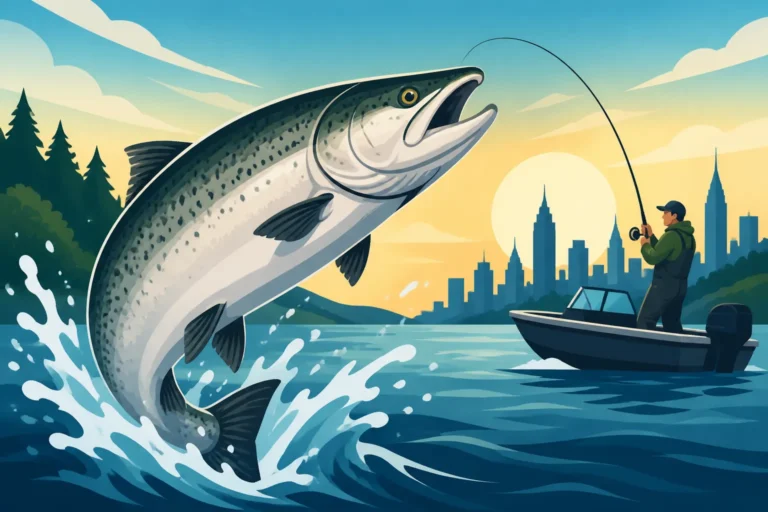
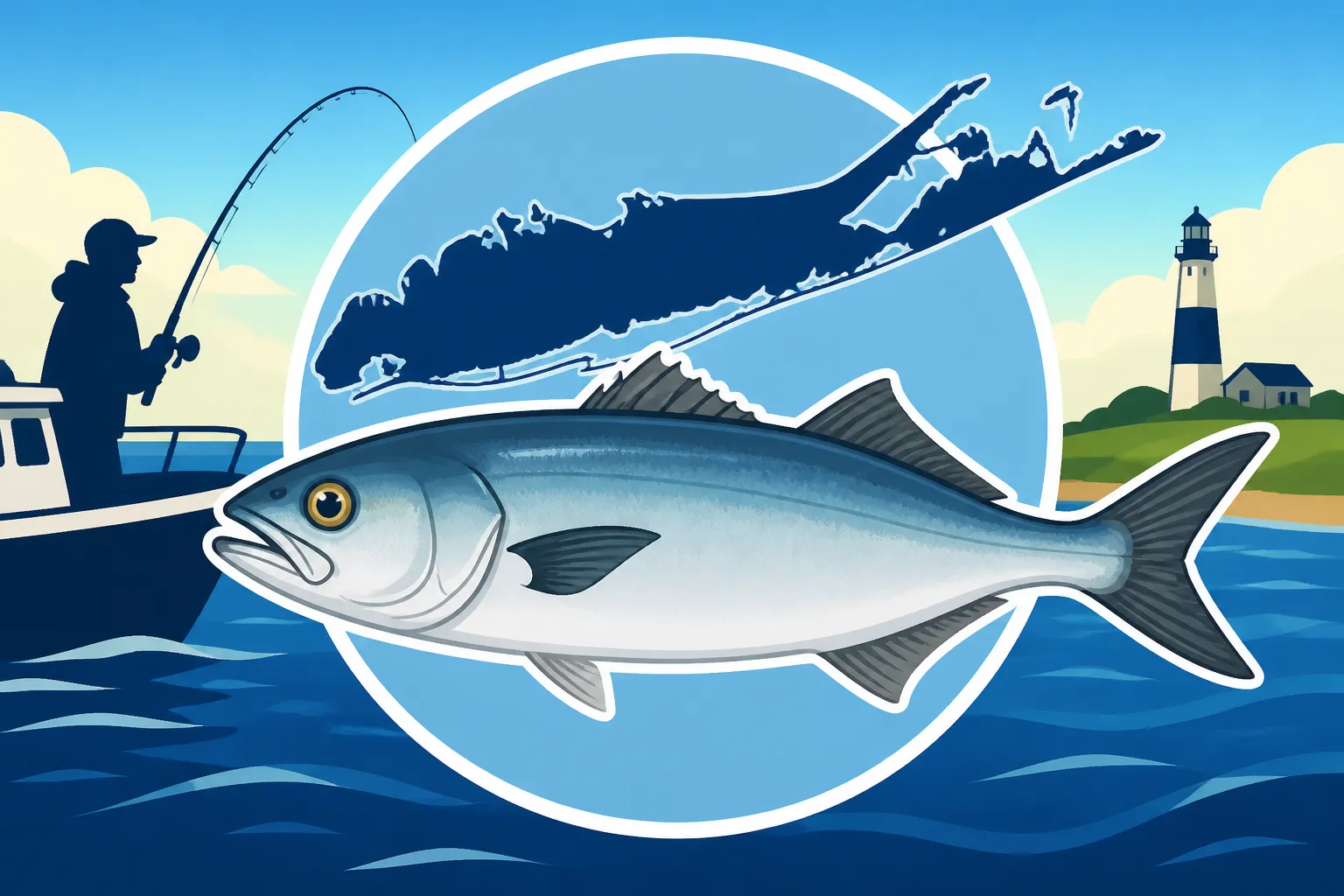
There's nothing quite like the thrill of a bluefish hitting your line on Long Island Sound, but it can also be a bit of a mystery, right? You hear tales of monster choppers and then sometimes you're reeling in what feels like a glorified sardine with an attitude. This guide is here to demystify the "average" bluefish size you can expect in the abundant waters of Long Island Sound, helping you set realistic expectations and even refine your gear choices for these feisty predators.
Understanding Bluefish in Long Island Sound
Long Island Sound is a phenomenal fishery, a dynamic estuary that supports an incredible diversity of marine life, and bluefish are definitely one of its star attractions. They're known for their voracious appetites, aggressive strikes, and powerful fights, making them a favorite target for many anglers, myself included. But like any wild creature, their size isn't fixed; it's a constantly shifting average influenced by a whole host of factors.
The Dynamic Nature of Long Island Sound Bluefish
Bluefish in Long Island Sound are part of a larger migratory population that sweeps up and down the Atlantic coast. They follow baitfish, water temperatures, and their own biological imperatives. This means that the bluefish you encounter in June might be quite different in average size from those you find in September, or even from year to year. Early in the season, you might see smaller "schoolies" moving in, eager to feed after their journey north. As the season progresses, and they've had more time to gorge themselves on the Sound's abundant forage, you're more likely to encounter larger, more robust fish.
Think of it like a bustling highway of fish. Some cars are compact sedans, just cruising along, while others are massive eighteen-wheelers. The Sound is a crucial feeding ground for these fish, where they pack on weight and grow before continuing their migrations. Understanding this migratory pattern and the seasonal changes is key to understanding why the "average" can feel so fluid from one trip to the next.
Factors Influencing Bluefish Size
Several environmental and biological factors play a significant role in the size of bluefish you'll encounter in Long Island Sound. It's not just random; there's a science to it, even if it feels like pure luck sometimes.
First, water temperature is huge. Bluefish are warm-water fish, preferring temperatures generally above 60 degrees Fahrenheit. As the water warms in late spring and early summer, they push north into the Sound, and as it cools in the fall, they start heading south. The duration of their stay and the sustained warmth of the water can influence how much they grow during their residency. A long, warm summer often means more feeding opportunities and, consequently, bigger fish.
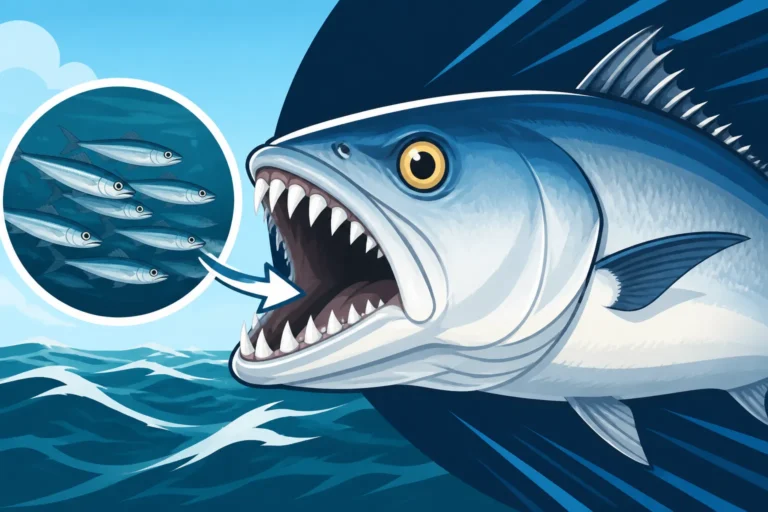
Second, the availability of baitfish is paramount. Bluefish are opportunistic predators, and their growth is directly tied to how much they can eat. Long Island Sound is rich with baitfish like Atlantic menhaden (bunker), spearing, silversides, and even juvenile striped bass and weakfish. If there's an abundance of these food sources, bluefish thrive and grow quickly. Conversely, if baitfish populations are down for any reason, the bluefish might not reach their maximum potential size or might move on to more fertile hunting grounds.
Finally, age and genetic factors also contribute. Just like people, fish have different growth rates. Older fish generally grow larger, given enough food and favorable conditions. While all bluefish have a genetic predisposition for a certain size range, their actual attainment of that size is a testament to their success in the Sound's rich environment. It's a complex dance between nature and nurture that determines the size of the bluefish bending your rod.
What "Average" Really Means for Bluefish Anglers
When we talk about the "average" size of bluefish in Long Island Sound, it's really more of a spectrum. It's rare to catch only one size of fish, and often you'll encounter a mix. But there are certainly prevailing sizes that tend to show up more frequently, and anglers have even developed terms for these different categories.
Schoolies, Choppers, and Gorillas: Size Categories
Anglers often categorize bluefish into three general size classes, each with its own fight and appeal:
-
Schoolies: These are the smaller, younger bluefish, often found in large schools (hence the name). They typically range anywhere from 1 to 5 pounds, though you might occasionally catch a true "snapper" at under a pound, or a robust schoolie pushing 6 or 7. Schoolies are incredibly fun on light tackle, offering spirited fights and aggressive strikes. They're often the first bluefish to show up in the Sound in spring and can be abundant throughout the summer. While they might not be trophy fish, a good schoolie blitz can be one of the most exciting fishing experiences.
-
Choppers: This is perhaps the most common size class for bluefish in the Sound that most anglers target, ranging roughly from 5 to 12 pounds. These are mature, powerful fish with jaws that can indeed "chop" through bait and even lesser leaders. They offer a much heavier pull than schoolies and demand a bit more respect, both in terms of tackle and handling. Choppers are fantastic fighters and are often what people are thinking of when they imagine a typical Long Island Sound bluefish. Their fierce reputation is well-deserved!
-
Gorillas (or Gators): These are the true giants of the bluefish world, weighing 12 pounds and up, sometimes pushing into the high teens or even over 20 pounds. Catching one of these beasts in Long Island Sound is a truly memorable experience. They are immensely strong and will test your gear and your angling skills to their limits. While less common than schoolies or choppers, they are definitely present in the Sound, particularly during peak feeding times in late summer and fall. Landing a gorilla bluefish is a badge of honor for any angler.
Expected Weight and Length Ranges
Based on these categories and general observations over the years, here's a rough idea of the average weight and length you might expect for bluefish caught in Long Island Sound. Remember, these are averages and ranges, and nature loves to surprise us!
| Bluefish Category | Typical Weight Range (pounds) | Typical Length Range (inches) | Characteristics |
|---|---|---|---|
| Schoolie | 1 – 5 | 14 – 22 | Abundant, feisty, great on light tackle, often found in large schools. Excellent for beginners and kids. |
| Chopper | 5 – 12 | 22 – 30 | Strong, aggressive, common target for many anglers, powerful fights. Requires moderate tackle. |
| Gorilla/Gator | 12+ | 30+ | Trophy-sized, immense power, less common but present. Demands heavy tackle and careful handling. A true angling challenge. |
Most anglers casting lures or baits in Long Island Sound will primarily encounter bluefish in the "schoolie" to "chopper" range, with a solid 4 to 8-pound fish being a very common and satisfying catch. The bigger "gorillas" are out there, but they often require dedicated effort, sometimes specific techniques, and a healthy dose of luck!
Practical Tips for Targeting Different Size Bluefish
Knowing the general size categories for bluefish in Long Island Sound is great, but how does that translate to your fishing strategy? It absolutely impacts the gear you choose and the techniques you employ. You wouldn't bring a butter knife to a steak dinner, and you shouldn't bring ultralight tackle when you're hoping for a chopper.
Gear and Techniques for Smaller Bluefish
If you're heading out specifically to enjoy the sheer numbers and aggressive nature of schoolie bluefish, you can lean towards lighter tackle. This makes the fight even more exhilarating!
For schoolies (1-5 pounds), a medium-light to medium action spinning rod, around 7 feet long, paired with a reel in the 2500-4000 size range, spooled with 10-15 pound braided line, is often perfect. You'll want a leader of 20-30 pound monofilament or fluorocarbon. While bluefish are notorious for their sharp teeth, lighter schoolies sometimes don't require heavy wire leaders, especially if you're using fast-moving lures they engulf less completely. However, always have some wire on hand just in case – those teeth are sharp! You can find a good selection of durable leaders and swivels on sites like Amazon, ensuring you're prepared for any toothy encounter.
Techniques are straightforward. Schoolies love a fast retrieve. Small metals like Kastmasters or Hopkins lures in the 1/2 to 1-ounce range, soft plastic shad baits on jig heads, or even poppers can be incredibly effective. Cast them out, retrieve quickly, and be ready for a jarring strike. These fish are often found in rips, around structure, or busting bait on the surface. Look for diving birds – they're often a dead giveaway that bluefish are pushing bait to the surface. For shore anglers, Best Shore Fishing Spots on Long Island, New York can be a great place to start looking for these aggressive feeders.
Gear and Techniques for Larger Bluefish
When you're hoping to tangle with choppers (5-12 pounds) or even a gorilla (12+ pounds), it's time to beef up your tackle. These fish pull hard and can quickly expose weaknesses in lighter gear.
For choppers and gorillas, a medium-heavy to heavy action spinning or conventional rod, 7 to 8 feet long, matched with a robust reel in the 5000-8000 size range, spooled with 30-50 pound braided line, is more appropriate. A strong 40-60 pound monofilament or fluorocarbon leader is a must, and a short section of 40-80 pound wire leader, attached with a strong swivel, is highly recommended to prevent bite-offs from those powerful jaws. Trust me, losing a big bluefish because you skimped on the leader is a real gut punch! For those heavier setups, checking out fishing tackle on Amazon can be a good start for finding reliable reels and rods that can stand up to the challenge.
Lures for bigger bluefish include larger metal jigs (2-4 ounces), big poppers, walk-the-dog topwater lures, and large soft plastic swimbaits. Live bait, especially live menhaden (bunker) or mackerel, can be incredibly effective for targeting the biggest bluefish. You might drift these baits, or anchor up current from a promising rip or structure. When a big blue hits, brace yourself! They'll often make powerful runs, and you need to be ready to lean into the rod and let the drag do its work. Remember that a strong rod holder is a wise investment for boat anglers. If you're going for these bigger fish, having a good pair of fishing pliers and a fish gripper, easily found on Amazon, will be invaluable for safely handling your catch and removing hooks without getting bit.
Beyond Size: Enjoying Your Bluefish Catch
While chasing that trophy bluefish is a blast, remember that responsible angling extends beyond just the catch. Understanding regulations, handling your fish properly, and appreciating them as a resource are all part of the New York fishing experience.
New York Regulations and Limits
Fishing in New York, especially for marine species like bluefish, comes with specific regulations to ensure healthy fish populations for years to come. These regulations are set by the New York State Department of Environmental Conservation (DEC) and can change, so it's always wise to check the latest guide. You can find detailed information in resources like the New York Fishing Regulations Explained.
Typically, there are size limits (a minimum length a fish must be to be kept) and bag limits (the maximum number of fish you can keep per day). For bluefish, these limits are generally quite reasonable, allowing anglers to keep a good number of fish while protecting the overall population. It's crucial to measure your fish accurately as soon as you catch it. If it doesn't meet the minimum size, it must be released immediately and carefully. Always adhere to the New York Recreational Marine Fishing Registry requirements if you're fishing for bluefish in saltwater, as this helps the state track fishing effort.
Remember, these rules are in place for a reason. They help ensure that future generations of anglers can also enjoy the thrill of catching bluefish in Long Island Sound. Don't be "that guy" who keeps undersized fish or goes over the limit; it's bad for the fishery and can result in hefty fines.
Handling Your Catch Responsibly
Bluefish are known for being exceptionally aggressive, both in the water and when landed. Their sharp teeth are no joke, and a flopping bluefish can quickly inflict a nasty wound. Safety first, always!
When you land a bluefish, use a fish gripper or a wet rag to control its head. Avoid putting your fingers near its mouth. If you plan to release the fish, handle it minimally and quickly. Use de-hooking tools if the hook is deeply set. If you're keeping the fish for the table, bleeding it immediately by cutting a gill arch can improve the quality of the meat. Bluefish are often maligned for their taste, but when properly bled and iced down, especially smaller schoolies, they can be quite delicious, firm, and flavorful. Many people enjoy them grilled, smoked, or prepared immediately.
Beyond personal safety, responsible handling also means minimizing stress on fish you intend to release. Wet your hands before handling, support the fish horizontally, and get it back into the water as quickly as possible. Even though bluefish are tough, treating them with respect ensures they have the best chance of survival. Always remember What Bluefish Have Such Sharp Teeth explains – they're built for predation, so treat them with caution and care!
The average bluefish size in Long Island Sound offers a fantastic range for anglers of all skill levels. From the frantic fun of schoolies to the brute power of gorillas, there's always an exciting challenge waiting. Knowing what to expect and gearing up accordingly will make your next trip to the Sound even more rewarding.
Disclaimer
This article is for general informational purposes only and does not constitute professional advice. Laws, prices and regulations vary by location and change over time. Consult a qualified professional for guidance on your specific situation.