Bluefish in Long Island Sound
Few things get an angler's heart pumping quite like the explosive strike and tenacious fight of a bluefish. For those of us who spend our days on the waters of New York, especially around Long Island Sound, the arrival of bluefish is a highly anticipated event. But let's be honest, these aggressive "choppers" can also be frustrating, cutting lines, bending hooks, and leaving you wondering if you're truly prepared. This guide is designed to cut through the noise and provide you with a comprehensive look at how to effectively target and enjoy bluefish in the magnificent Long Island Sound.
Understanding Bluefish in Long Island Sound
Long Island Sound is a truly special body of water, and for bluefish, it’s practically a five-star resort with an all-you-can-eat buffet. These highly migratory, aggressive predators are drawn to the Sound each year for very specific reasons, and understanding those reasons is the first step to successful angling. They're not just passing through; they're here to feed, spawn, and cause a ruckus.
What Makes Bluefish So Unique in This Region?
Long Island Sound offers a unique blend of characteristics that make it a prime habitat for bluefish. Firstly, its relatively shallow and nutrient-rich waters support an incredibly diverse and abundant baitfish population. Think massive schools of bunker (menhaden), spearing, and anchovies—all prime targets for hungry blues. This constant food source is like a siren call, drawing bluefish in from the open ocean.
Secondly, the Sound's complex bottom structure, with its rocky reefs, sandy flats, and numerous estuaries, provides ample ambush points and feeding grounds. You'll find bluefish patrolling channel edges, lurking near submerged structures, and busting bait right up against the shorelines. This varied topography means you can target them in many different ways, whether from a boat, kayak, or even casting from the beach. The tides and currents within the Sound also play a crucial role, funneling baitfish and creating ideal feeding lanes that bluefish exploit with ruthless efficiency. It's truly a dynamic ecosystem that these powerful fish thrive in.
Identification and Key Characteristics
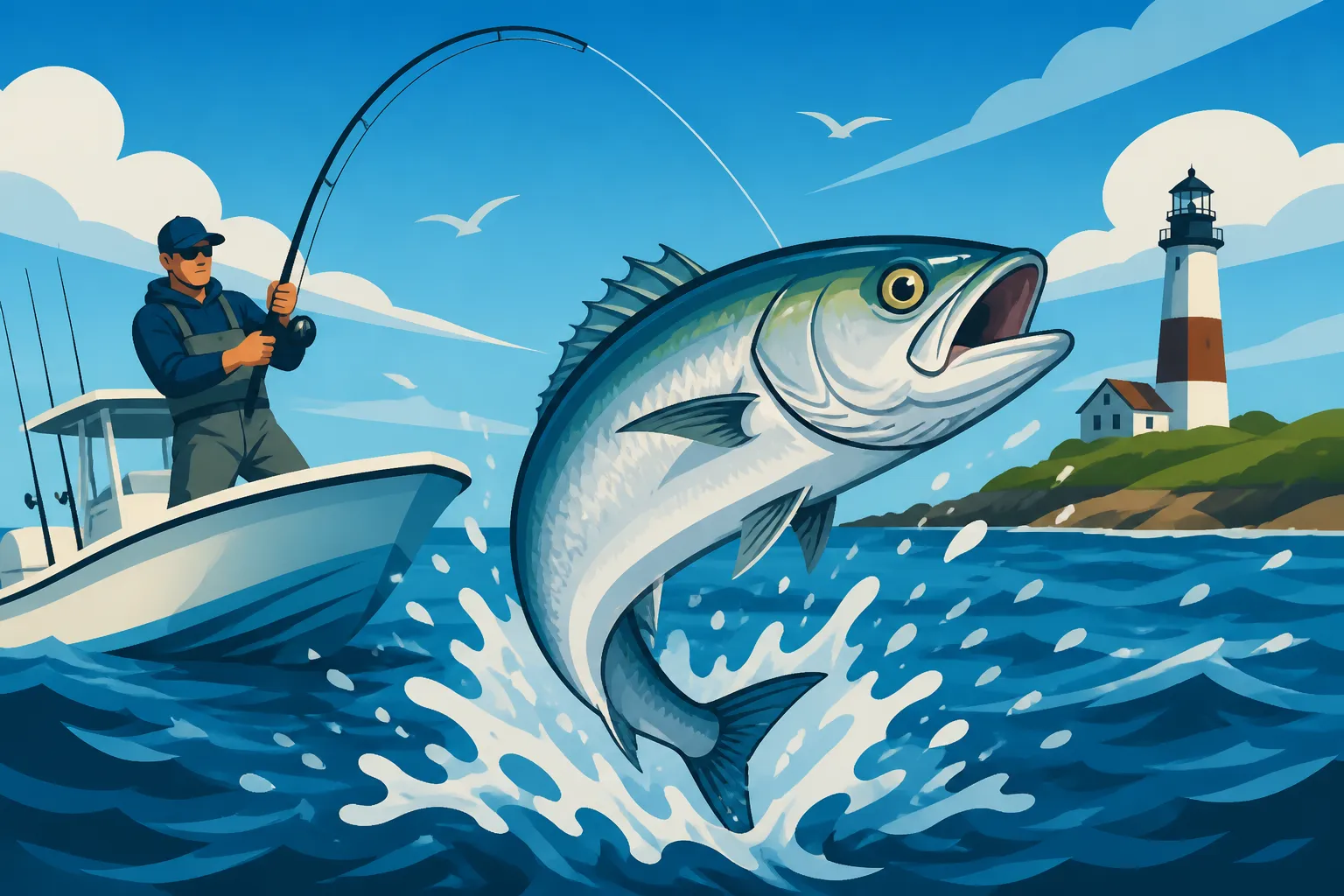
If you've ever hooked a bluefish, you know exactly what I mean when I say "choppers." Their most distinctive feature is arguably their incredibly sharp, razor-like teeth. These aren't just for show; they're designed to shear through baitfish with terrifying efficiency, and they'll make short work of your fishing line if you're not using appropriate tackle. Always be mindful of those teeth when handling a bluefish, even a seemingly small one.
Beyond their formidable dentition, bluefish are recognizable by their sleek, torpedo-shaped bodies, typically greenish-blue on the back fading to silver on the sides and belly. They have a powerful, forked tail and relatively large fins, all designed for speed and agility in their pursuit of prey. While sizes can vary greatly, from "snapper blues" just a few inches long to "gorilla blues" weighing well into the teens, they all possess that same aggressive demeanor. Their eyes are relatively large, helping them spot bait, and their overall appearance just screams "predator." When you see a school of them erupting on the surface, driving baitfish into a frenzy, there's no mistaking their presence.
Prime Seasons and Migration Patterns
Understanding when and why bluefish move into and out of Long Island Sound is crucial for planning your fishing trips. They aren't year-round residents; rather, they follow a predictable, though sometimes variable, migration pattern dictated primarily by water temperature and the availability of their favorite foods. Timing your efforts to coincide with these movements can drastically increase your success rate.
When Bluefish Arrive and Depart
Bluefish typically make their grand entrance into Long Island Sound in the late spring, usually around May, as the water temperatures begin to climb into the upper 50s and low 60s Fahrenheit. These early arrivals are often the smaller "snapper blues," followed by larger adults as the waters continue to warm. The bite really heats up in June and July, reaching its peak in the warmer summer months. This is when you'll find them in abundance, creating those thrilling surface feeding frenzies often referred to as "bluefish blitzes."
As fall approaches, typically in September and October, the larger "gator" blues really come alive, fattening up before their southward migration. They'll often feed aggressively during this time, creating some of the most exciting fishing of the year. By late October or early November, as water temperatures drop significantly, the vast majority of bluefish will have departed the Sound, heading for warmer offshore waters further south. While you might catch a straggler or two on an unseasonably warm November day, the main show is definitely over until spring. Knowing these windows will help you hit the water when the action is best.
Factors Influencing Their Presence
Several environmental factors significantly influence the presence and behavior of bluefish in Long Island Sound. As mentioned, water temperature is paramount; they prefer warmer waters, which is why their arrival and departure are so closely tied to seasonal changes. Beyond that, the abundance and location of baitfish are critical. If the bunker schools are thick in a particular area, you can bet the bluefish won't be far behind. Anglers constantly monitor bait reports because bait equals blues.
Currents and tides also play a huge role. Bluefish are often found congregating around areas where currents sweep bait past structure, creating ideal ambush points. Incoming and outgoing tides can both be productive, depending on the specific location and how the current interacts with the bottom. Stronger currents tend to activate feeding behavior. Weather patterns, like prolonged periods of sunny skies versus overcast days, can also affect their willingness to feed, although their aggressive nature often makes them less finicky than some other species. Even barometric pressure can have a subtle impact, but generally, if the bait is there and the water is warm enough, the blues will be on the hunt. Best Time of Year to Fish in New York covers more general seasonality, but for bluefish, these specific factors are key.
Essential Gear for Targeting Bluefish
Fishing for bluefish isn't necessarily about delicate finesse; it's about power and durability. These fish hit hard, fight hard, and their teeth will expose any weakness in your setup. Having the right gear isn't just about catching more fish, it's about minimizing frustration and avoiding lost tackle, which can happen all too often when battling these powerful choppers.
Rods, Reels, and Line Choices
When it comes to bluefish, you want a rod and reel combo that can stand up to their raw power. For most situations in Long Island Sound, a medium-heavy to heavy action spinning or conventional rod, typically 7 to 9 feet in length, is ideal. This length provides good casting distance, which is important for reaching busting schools, and enough backbone to handle a strong fish. Match that with a robust reel—a 4000 to 6000 series spinning reel or a similarly sized conventional reel is a good starting point. Look for models with a smooth, reliable drag system, as bluefish are known for powerful initial runs. A fast retrieve ratio can also be beneficial when you need to quickly get your lure away from a surfacing school or keep tension on a hard-fighting fish.
As for line, braided line in the 30-50 lb test range is a popular choice for its strength, sensitivity, and lack of stretch, which aids in hook sets. However, due to bluefish's sharp teeth, a monofilament or fluorocarbon leader is absolutely essential, and often a wire leader is preferred directly above the lure. While braid is fantastic for fishing, if you connect it directly to your lure, you're pretty much guaranteeing a cut-off. Remember, bluefish are not line-shy, so a heavy leader won't deter them. You can find a fantastic selection of suitable rods, reels, and braided lines on Amazon, often with detailed reviews from other anglers that can help you make an informed choice.
Lures, Baits, and Tackle Considerations
Bluefish are not particularly picky eaters, but certain lures and baits are undeniably more effective than others. When it comes to artificials, shiny, fast-moving offerings are often the ticket. Metal casting spoons, surface plugs (poppers and walkers), and diving plugs are all excellent choices. Spoons like the classic Hopkins or Kastmaster, in chrome or gold, are incredibly versatile. Poppers create a lot of surface commotion, mimicking a distressed baitfish, which bluefish can't resist. For diving plugs, look for models that imitate bunker or mackerel. For jigging, heavy bucktail jigs or diamond jigs can be very effective when blues are holding deeper.
| Lure/Bait Type | Description | Best Use | Key Characteristics |
|---|---|---|---|
| Metal Casting Spoons | Shiny, elongated metal lures | Casting to busting fish, surf fishing | Heavy for long casts, flashy |
| Surface Plugs (Poppers) | Hollow-bodied, cup-faced lures | Topwater explosions, calm water | Creates splash and commotion |
| Diving Plugs | Hard-bodied lures, various sizes | Trolling, retrieving to mimic baitfish | Dives to specific depths, realistic profile |
| Bucktail Jigs | Lead head with deer hair skirt | Vertical jigging, casting & retrieving | Versatile, can be tipped with bait |
| Live Bunker/Menhaden | Live baitfish | Chumming, slow trolling, bottom fishing | Highly effective, natural presentation |
| Cut Bait (Mackerel/Bunker) | Portions of oily fish | Bottom fishing, chumming | Strong scent trail, good for picky blues |
The single most important tackle consideration is a wire leader. Without it, you will lose countless lures to their sharp teeth. A short section (6-12 inches) of single-strand wire or a multi-strand braided wire leader, crimped or tied to your lure, will save you a lot of heartache and money. For terminal tackle, use strong, high-quality swivels and snaps. Don't skimp here, as a weak component can easily lead to a lost fish. Keep a good pair of pliers or dehookers handy for safe unhooking, as those teeth are no joke. Many anglers find great deals on bulk wire leaders and heavy-duty swivels through online retailers like Amazon, which can be very convenient. Best Bait for Striped Bass might give you some ideas for baits that can cross over for blues too, as they often feed on similar forage.
Effective Techniques for Catching Bluefish
Bluefish are renowned for their aggressive feeding habits, which means they're often willing to hit a variety of presentations. However, adapting your technique to the specific conditions—whether you're fishing from shore, a boat, or using live bait—can make all the difference between a slow day and a banner one. There's an art to capitalizing on their predatory instincts.
Surf Fishing for Blues
Surf fishing for bluefish on Long Island Sound is an incredibly popular and rewarding pursuit. The key here is to "read the beach" and understand where bluefish are likely to ambush bait. Look for areas with structure like jetties, rock piles, or sudden drop-offs. Rip currents and sloughs (deeper troughs running parallel to the shore) are often highways for baitfish and, consequently, bluefish. Focus your efforts during incoming and outgoing tides, as these moving waters concentrate bait.
Long casting rods (9-12 feet) are essential for reaching beyond the breaking waves and into deeper water where larger blues might be lurking. Metal casting spoons and large surface poppers are your go-to lures. Cast out as far as you can, then retrieve with a moderate to fast pace, experimenting with pauses or jerks to mimic a struggling baitfish. When using poppers, make them "walk the dog" across the surface with sharp jerks of the rod tip. Be prepared for explosive strikes, and always use a wire leader. Many anglers prefer fishing the dawn and dusk hours, as bluefish often feed more actively during these low-light periods. Remember that even from shore, you need to understand the local New York Fishing Regulations Explained, as rules can vary.
Boat and Kayak Fishing Strategies
Fishing from a boat or kayak opens up a whole new realm of possibilities for targeting bluefish in Long Island Sound. This allows you to chase down busting schools of fish, explore deeper channels, and access offshore reefs that are out of reach for shore anglers. Trolling is a highly effective method, especially for covering a lot of water. Use diving plugs that imitate bunker or mackerel, or troll spoons behind a planer or trolling weight to get them down to the desired depth. Vary your trolling speed until you find what triggers bites.
When you spot a school of bluefish busting on the surface—a truly exhilarating sight—it's time for casting. Approach cautiously to avoid spooking the fish, then cast metal spoons or poppers directly into the frenzy. The key is to get your lure in front of them quickly. For kayak anglers, paddling silently into a blitz can be incredibly productive, but always be aware of your surroundings and boat traffic. Jigging is another excellent technique when bluefish are holding deeper, perhaps marked on your fishfinder. Drop heavy jigs down and retrieve them with a sharp upward motion. No matter your vessel, always prioritize safety; Life Jacket Requirements While Fishing are non-negotiable, and a VHF radio is a smart addition.
Live Bait and Chumming Methods
While bluefish will readily hit artificials, live bait can be absolutely deadly, especially when the fish are a bit finicky or when targeting larger specimens. Bunker (Atlantic menhaden) are the premier live bait for bluefish in the Sound. You can catch them with a cast net or snag them with treble hooks. Once you have live bunker, you can drift them in areas where blues are likely to be, slow troll them, or simply cast them out and let them swim naturally. Presenting live bait under a float can also keep it in the strike zone longer.
Chumming is another highly effective tactic, particularly from a boat, for bringing bluefish right to you. A chum pot filled with ground bunker or other oily fish hung off the stern will create a scent slick that can draw bluefish from a considerable distance. As the bluefish arrive in the slick, present live baits or cut bait (strips of bunker, mackerel, or even squid) on stout hooks with wire leaders. Be prepared for a chaotic scene once they hit the chum slick; it can be incredibly fast and furious. When you're chumming, it's often a good idea to have several rods rigged and ready because when the bite turns on, it turns on hard. Remember to always consult the New York Saltwater Fishing Registration Guide before heading out for any saltwater species.
Handling Your Catch and Regulations
Bluefish are a blast to catch, but their sharp teeth and powerful nature mean you need to handle them carefully. Moreover, understanding and adhering to New York's fishing regulations is not just about compliance, it's about ensuring the sustainability of this fantastic fishery for years to come.
Safely Landing and Releasing Bluefish
Landing a bluefish requires a bit of caution due to those notorious choppers. Avoid grabbing them directly by the mouth. If you plan to release the fish, use a dehooking tool to remove the hook while the fish is still in the water or held securely by the tail. A pair of long-nosed pliers is indispensable for this. If you need to bring the fish aboard, a net with rubberized mesh can be helpful to avoid tangling hooks. Once on deck, firmly hold the fish by the tail and use your pliers to remove the hook. Some anglers use a fish gripper on the lower jaw, but again, be extremely careful not to get your fingers near the teeth.
For release, handle the fish as little as possible. Support its body horizontally and gently slide it back into the water, allowing it to swim away on its own power. If it seems sluggish, you might need to hold it gently by the tail and move it back and forth to force water over its gills until it regains its strength. Quick, efficient handling minimizes stress on the fish and increases its chances of survival. Always have your tools ready before you even hook a fish, so you're not fumbling around when the moment comes.
Cooking and Storage Tips
Bluefish, particularly the larger ones, have a distinct, strong flavor that some anglers love and others find a bit too "fishy." The key to enjoying bluefish on the table is proper care immediately after catching. Bluefish spoil quickly, so it's critical to bleed them as soon as possible after landing. A quick cut to the gills will allow the blood to drain, resulting in much milder-tasting fillets. Once bled, get the fish on ice immediately and keep them cold until you're ready to fillet.
When filleting, many people choose to remove the darker "bloodline" meat along the lateral line, as this contributes to the stronger flavor. The lighter, pinkish meat is generally milder. Bluefish are best eaten fresh; they don't freeze particularly well for extended periods, as the oils in their flesh can turn rancid. Grilling, baking, or smoking are popular cooking methods. Some people even cure them like pastrami or make bluefish pâté. If you do freeze them, vacuum-seal the fillets and try to consume them within a month or two for the best quality.
New York Regulations for Bluefish
New York State has specific regulations in place for bluefish, which are subject to change, so always double-check the latest rules before you head out. These regulations typically include limits on the number of fish you can keep (the daily bag limit) and sometimes a minimum or maximum size limit. These measures are designed to ensure sustainable populations for future generations of anglers.
You can usually find the most up-to-date information on the New York State Department of Environmental Conservation (DEC) website or by picking up a physical copy of the New York State Freshwater and Saltwater Fishing Regulations Guide. Ignoring these rules can lead to significant fines and penalties, so it's always worth taking a few minutes to confirm. For example, some years might see changes to the bag limit or size restrictions based on stock assessments. Always carry your New York Fishing License Guide or saltwater registry information with you, as enforcement officers can and do check. Being a responsible angler means not only knowing how to catch fish but also how to respect the resource and the laws that protect it.
Disclaimer
This article is for general informational purposes only and does not constitute professional advice. Laws, prices and regulations vary by location and change over time. Consult a qualified professional for guidance on your specific situation.