How Many Trout Species Live in New York
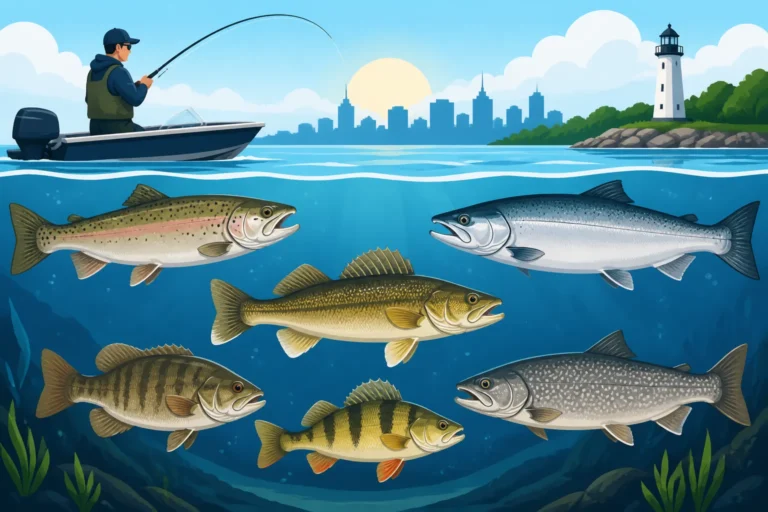
One of the most common questions I get from new anglers, and even some seasoned veterans, is about the sheer variety of fish in our New York waters. When it comes to trout, things can get particularly confusing. Many folks just assume a trout is a trout, but New York is actually home to a fascinating array of trout species, each with its own quirks and preferred haunts. This guide is here to untangle that mystery for you, detailing the specific trout species you can find across our beautiful state.
Understanding the "Trout" Family in New York
You know, it's funny how many folks just say "trout" and think they've got it covered, but the term actually encompasses a pretty diverse group of fish. In New York, when we talk about "trout," we're generally referring to several distinct species, all members of the Salmonidae family, which also includes salmon and char. They share some common characteristics – a torpedo-shaped body, soft-rayed fins, and an adipose fin (that small, fleshy fin on their back near the tail) – but each has its own unique features, habitats, and even fishing challenges. This diversity is what makes trout fishing in New York so incredibly rewarding.
The Key Distinction: Native vs. Introduced Species
Before we dive into the individual species, it's important to understand a fundamental split: native and introduced trout. This isn't just a biological footnote; it actually impacts where you can find them, how they behave, and sometimes even the regulations surrounding their catch. Knowing this distinction can help you appreciate the ecological balance of our waterways and understand why certain species thrive in particular environments. It also sheds light on the history of angling in our state, as some of our most beloved trout species weren't always here.
- Native Species: These are the trout that have been here for millennia, evolving with our specific ecosystems. They are perfectly adapted to New York's natural coldwater streams and lakes. Our sole truly native trout species in New York is the brook trout. These fish are incredibly resilient and often found in the most pristine, remote waters. Anglers who seek out native brook trout are often chasing more than just a fish; they're looking for an authentic connection to New York's wilderness. You might find specialized fly patterns or spinners for native brook trout on Amazon, often listed by small local tackle shops, which speaks to their unique appeal.
- Introduced Species: These trout were brought to New York, often from other parts of the world, to enhance fishing opportunities or because they thrived in conditions that native species might not. Brown trout, rainbow trout, and lake trout all fall into this category. While not native, they have certainly made New York their home and provide incredible sport fishing. The history of their introduction is fascinating, often involving early conservation efforts and a desire to stock waterways with robust game fish. Over time, many of these introduced populations have become self-sustaining, blending into our aquatic landscapes.
The Big Four: Major Trout Species in New York
When anglers talk about trout in New York, these are the species that immediately come to mind. Each offers a distinct fishing experience and presents its own set of challenges and rewards. Knowing their individual traits is key to successfully targeting them, whether you're fly fishing a Catskills stream or trolling a deep Finger Lake.
Brook Trout: New York's Native Gem
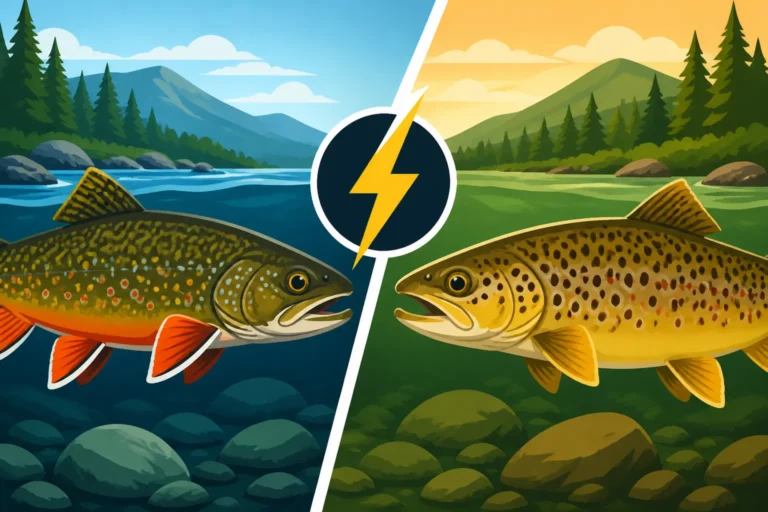
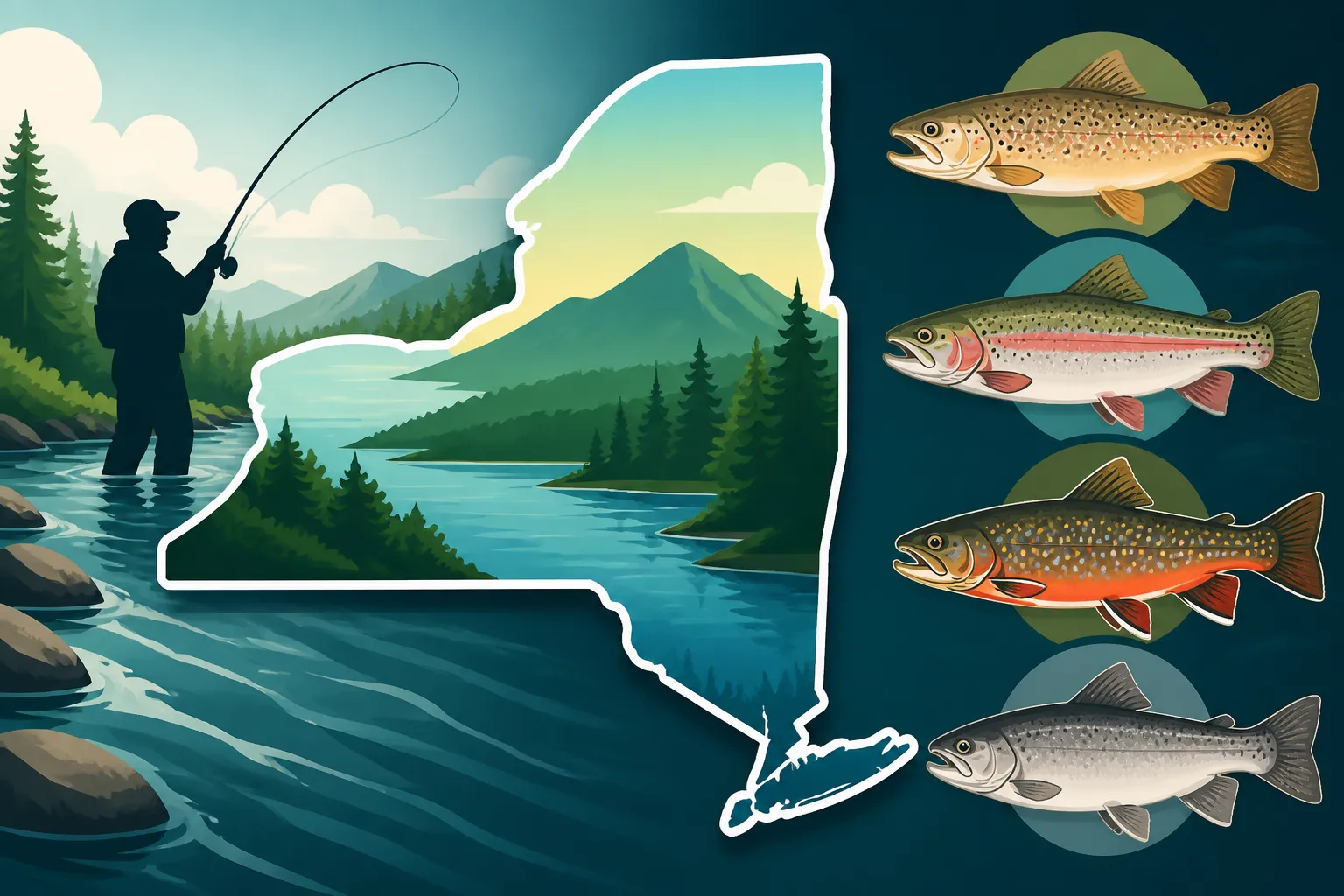
Ah, the brook trout. If you're looking for New York's official state fish and our only true native trout species, you've found it. These fish are absolute beauties, with a striking pattern of worm-like markings (vermiculations) on their backs, red spots with blue halos along their sides, and distinctive white leading edges on their lower fins. They often have a vibrant orange belly, especially the males during spawning season. They truly are a sight to behold, a living jewel of the stream. Are Brook Trout Native to New York?
- Habitat and Behavior: Brook trout are coldwater specialists. They thrive in pristine, oxygen-rich streams and small ponds, particularly in the higher elevations of the Adirondacks and parts of the Catskills. They love clear, clean water with plenty of overhead cover from trees, undercut banks, and fallen logs. You'll often find them tucked away in small pockets, behind boulders, or in the deeper pools of a winding stream. They're often less wary than other trout, perhaps because they evolved in areas with less human predation. Fishing for brook trout often means hiking into remote areas, a true wilderness experience. They are opportunistic feeders, taking a wide variety of insects, small fish, and even tiny amphibians.
- Size and Fishing: While brook trout can grow large in some waters, especially remote ponds, they are typically smaller than other trout species in New York's streams, often in the 6-12 inch range. What they lack in size, they more than make up for in fight and beauty. Light tackle is the name of the game for these delicate fighters. Fly fishing with small dry flies, nymphs, or tiny spinners is incredibly effective. Landing a wild brook trout from a secluded Adirondack stream is a truly special moment that many anglers cherish. Remember to check New York Freshwater Fishing Rules before you head out, as some areas have special regulations for these precious native fish.
Brown Trout: The Hardy European Import
The brown trout is another incredibly popular game fish in New York, originally introduced from Europe. They are known for their hardiness, ability to tolerate warmer water than brook trout, and their reputation for growing to impressive sizes. A lot of anglers consider the brown trout to be one of the most challenging and rewarding fish to catch, especially when targeting larger specimens. Brown Trout in New York
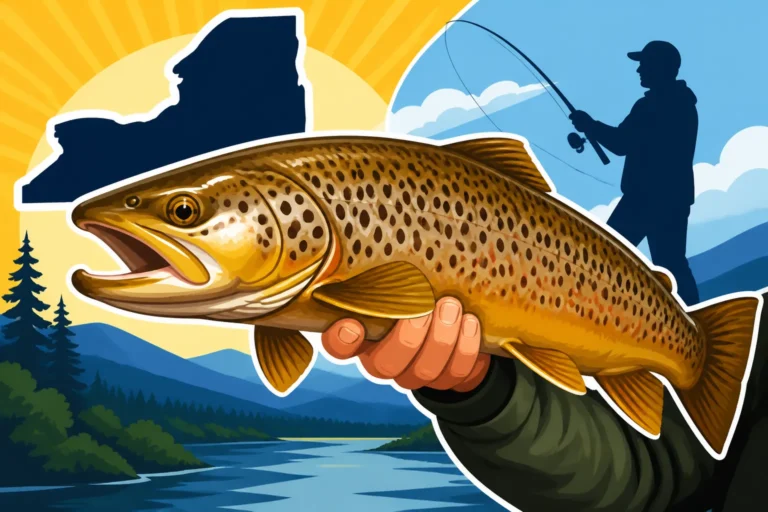
- Appearance and Identification: Brown trout have a more muted color palette than brook trout, typically a brownish or olive back fading to yellowish-brown flanks and a creamy belly. Their most distinguishing features are the prominent dark spots on their back and sides, often surrounded by pale halos. They also have some red or orange spots, particularly on their flanks. Their tails are usually square or slightly forked, with few or no spots.
- Where to Find Them: Brown trout are incredibly adaptable and can be found in a wide variety of habitats across New York. They thrive in larger rivers and streams, medium-sized lakes, and even some brackish waters. The famous streams of the Catskills, like the Beaverkill and Willowemoc, are legendary brown trout fisheries, as are many of the larger tributaries feeding into the Great Lakes and Finger Lakes. They're often nocturnal feeders, especially the larger ones, making night fishing a popular technique for trophy browns. They feed on insects, crustaceans, and a significant portion of their diet consists of smaller fish as they grow larger. Their ability to survive in a wider range of water temperatures has allowed them to colonize many waters where native brook trout might struggle.
- Fishing for Browns: Brown trout can be finicky and challenging, making them a favorite among experienced anglers. Fly fishing with streamers, nymphs, and dry flies is very popular, especially in the Catskills where techniques like "matching the hatch" are paramount. Spin fishing with spoons, stickbaits, and even live bait can also be very effective, particularly for larger fish. They put up a strong fight, often making powerful runs and acrobatic leaps, making every catch memorable. When fishing for them in the Catskills, exploring Best Catskills Fly Fishing Streams can point you to some prime locations.
Rainbow Trout: The Flashy Fighter
Rainbow trout are another introduced species, originally from the Pacific Coast of North America, and they've become a staple of New York's fishing scene. They are particularly beloved for their acrobatic fighting style and beautiful coloration. Many also consider steelhead to be a migratory form of rainbow trout. Rainbow Trout in New York
- Appearance and Identification: Rainbow trout are instantly recognizable by the broad, iridescent pink or red stripe running along their sides, from gill to tail. Their backs are typically olive green or bluish, fading to silvery sides and a white belly. Their bodies, dorsal fin, and caudal (tail) fin are usually covered in small black spots. Their tail is distinctly forked, more so than a brown trout's.
- Habitat and Where They Roam: Like brown trout, rainbows are quite adaptable, though they prefer cooler, cleaner waters than browns. They are extensively stocked in many of New York's lakes, ponds, and streams, providing excellent put-and-take fisheries. However, the most renowned rainbow trout fisheries are often associated with the Great Lakes and their tributaries, where they are known as "steelhead." These migratory rainbows spend a portion of their lives in the vast waters of Lake Erie or Lake Ontario, growing large, and then run up tributaries like the Salmon River and Oswego River to spawn. Steelhead Trout in New York
- Angling for Rainbows: Rainbow trout are known for their explosive, high-flying fights. They'll often leap clear out of the water multiple times, making for an exhilarating battle. Fly fishing with nymphs, egg patterns, and streamers is highly effective, especially for steelhead in tributaries. Spin fishermen do well with small spinners, spoons, and various baits like worms or salmon eggs. Whether you're targeting a freshly stocked rainbow in a local pond or battling a powerful steelhead in a rushing river, you're in for a treat. For those interested in the migratory form, understanding How to Identify a Steelhead vs a Brown Trout can be really helpful.
Lake Trout: The Deepwater Predator
Lake trout, sometimes called "lakers," are another important species in New York, and while they are not native to all waters, they are considered native to some of our deepest, coldest lakes. They are part of the char genus, making them closely related to brook trout, but their lifestyles are vastly different. These are fish of the deep, cold, dark waters. Lake Trout in New York
- Appearance and Identification: Lake trout have a distinctive, somewhat flattened head and a deeply forked tail, which is a key identification feature. Their coloration varies widely depending on their habitat, but they are generally dark green, gray, or brownish on their backs, with lighter sides and a pale belly. They are covered in irregular, light-colored spots that are typically smaller than the pupil of their eye. Unlike brook or brown trout, they generally lack vibrant reds or oranges.
- Deepwater Domain: True to their name, lake trout primarily inhabit large, deep, cold-water lakes. In New York, this means they are abundant in the deeper Finger Lakes (like Seneca Lake and Cayuga Lake), Lake Champlain, Lake George, and many of the larger, colder Adirondack lakes. They are highly dependent on cold, well-oxygenated water, often retreating to depths of 50 to 100 feet or more during the warmer months. They are apex predators in their ecosystems, feeding on a diet of smaller fish like alewives, smelt, and sculpin.
- Fishing Techniques: Angling for lake trout typically involves specialized techniques to reach their deepwater haunts. Trolling with downriggers, lead core line, or heavy weights is common, using large spoons, stickbaits, or dodgers with bait. Ice fishing is also a very popular and productive method for lake trout, especially in the Finger Lakes and Adirondacks, as they can be found closer to the surface during winter. They are powerful fighters, known for their long, deep runs, and can grow to truly impressive sizes, with some individuals exceeding 20 pounds. For a comprehensive look at deepwater angling, you might also find Trolling Techniques for New York's Lakes a useful read.
Other Important Salmonids and "Trout" Relatives
While the "Big Four" cover most of what people typically think of as trout in New York, there are a couple of other important species from the Salmonidae family that deserve mention, as they are often grouped with trout by anglers due to their similar appearance and habitats.
Steelhead: The Migratory Rainbow
As mentioned, steelhead are essentially migratory rainbow trout that spend a portion of their lives in large bodies of water (like Lake Ontario or Lake Erie) and then return to freshwater tributaries to spawn. They exhibit incredible strength and endurance, making them a highly prized game fish. They are silver-sided and torpedo-shaped when they first enter the rivers, mimicking true salmon, but they begin to show more of their characteristic rainbow stripe as they spend more time in fresh water.
- Their Lifecycle: Steelhead are anadromous, meaning they live in saltwater (or in the Great Lakes, which function as "freshwater seas") and spawn in freshwater. They undertake epic journeys, battling strong currents to reach their spawning grounds. These runs typically happen in the fall, winter, and spring.
- Prime Locations: New York's Lake Ontario and Lake Erie tributaries are world-famous for their steelhead runs. Rivers like the Salmon River, Oswego River, Genesee River, and many smaller creeks attract thousands of these magnificent fish annually. Anglers flock to these areas, especially during the peak fall and spring runs. New York's Salmon River Fishing Guide is an excellent resource if you're looking to target these powerful fish.
- Fishing for Steelhead: Steelhead are notoriously strong fighters, often making blistering runs and spectacular jumps. Float fishing with egg sacs, nymphs, or small jigs is a popular and effective method. Fly fishing with indicator setups, swinging streamers, or nymphing are also highly productive. Their sheer power and willingness to fight make them a bucket-list fish for many New York anglers.
Landlocked Atlantic Salmon: A Different Kind of Salmonid
While not a trout, the landlocked Atlantic salmon is a close relative and often pursued with similar techniques to lake trout and larger river trout. They are a true salmon species, but they complete their entire life cycle in freshwater, never migrating to the ocean. Landlocked Atlantic Salmon in New York
- Distinctive Appearance: Landlocked salmon have a sleek, silvery body, often with scattered black spots, especially above the lateral line. Their tails are moderately forked. They can be confused with brown trout or even some stocked rainbow trout, but their more streamlined body and generally smaller, fewer spots often give them away.
- Where They Thrive: In New York, landlocked Atlantic salmon are primarily found in Lake Ontario (where they are stocked), and several of the larger Finger Lakes like Cayuga, Seneca, and Keuka, as well as Lake Champlain. They are another coldwater species, preferring deep, clear lakes with good forage bases of smelt and alewives.
- Targeting Landlocked Salmon: Like lake trout, these fish are often caught by trolling in deep water with spoons, stickbaits, or flies, particularly during the cooler months or in deep thermoclines during summer. They are known for their incredible speed and aerial acrobatics once hooked, putting on a spectacular show. If you're looking for a thrilling fight from a beautiful fish, landlocked salmon are an excellent target.
Why Knowing Your Trout Matters
You might be thinking, "Okay, so there are a few different types, but does it really matter which one I catch?" And the answer is a resounding yes, for several very good reasons beyond just satisfying your curiosity.
Adhering to Regulations and Conservation Efforts
First and foremost, understanding the species you're targeting or have caught is crucial for adhering to New York's fishing regulations. The New York State Department of Environmental Conservation (DEC) often has different size limits, daily creel limits, and even season dates for different species of trout, and these can vary further depending on the specific waterbody you're fishing. For instance, the New York Statewide Trout Daily Limit Explained might have different nuances for brook versus brown trout in certain streams.
- Protecting Native Populations: For our native brook trout, conservation efforts are paramount. Many streams in the Adirondacks have special regulations aimed at protecting wild brook trout populations, sometimes including catch-and-release only or reduced bag limits. Mistaking a brook trout for a brown trout could lead to inadvertently violating these rules and, more importantly, harming delicate ecosystems.
- Managing Introduced Species: Similarly, knowing your introduced species helps the DEC manage their populations effectively. Stocking programs are tailored to specific species and waters. Your ability to correctly identify a fish helps in collecting accurate data, which is vital for maintaining healthy fisheries for everyone. Getting a New York Fishing License Guide is the first step, and then delving into the specifics for each species is the next.
Tailoring Your Fishing Strategy
Beyond regulations, knowing your trout species empowers you to become a more effective and successful angler. Each species has its preferred habitat, diet, and behavior, and understanding these nuances allows you to choose the right gear, bait, and technique.
- Matching the Hatch: If you're fly fishing in the Catskills, knowing you're targeting brown trout might mean selecting specific dry flies to "match the hatch" of emerging insects they're feeding on. If you're chasing brook trout in a mountain stream, a tiny spinner or a classic worm might be more effective.
- Depth and Location: If you're headed to one of the Finger Lakes, knowing you're after lake trout means preparing for deepwater trolling or jigging. If it's rainbow trout (steelhead) in a tributary, you'll be focusing on different river sections and techniques. Many excellent field guides to New York fish species are available on Amazon, which can help you identify your catch and refine your approach.
- Gear Selection: Different species, and different sizes of those species, will demand different tackle. Light action rods for delicate brook trout, medium-heavy gear for powerful steelhead runs, and perhaps even heavier setups for large lake trout. Having the right tool for the job makes all the difference.
Enhancing Your Overall Angling Experience
Ultimately, knowing the difference between these incredible fish species enriches your entire fishing experience. It deepens your appreciation for the natural world, connects you more intimately with the waters you explore, and makes every catch a lesson in biology and ecology. It turns a simple "fish on!" into a moment of understanding and connection with New York's diverse aquatic life. The next time you land a beautiful fish, you'll be able to confidently identify it, appreciate its unique characteristics, and maybe even share a fascinating fact or two with your fellow anglers.
| Trout Species | Native to New York? | Key Identification Features | Preferred Habitat | Typical Size Range (NY) |
|---|---|---|---|---|
| Brook Trout | Yes (sole native) | Worm-like markings on back, red spots with blue halos, white leading edges on fins. | Cold, clear, oxygen-rich streams & ponds; Adirondacks, Catskills. | 6-12 inches |
| Brown Trout | No (introduced) | Dark spots with pale halos, some red/orange spots, square tail, brownish/olive. | Streams, rivers, medium-sized lakes; Catskills, Great Lakes tribs. | 12-20+ inches |
| Rainbow Trout | No (introduced) | Iridescent pink/red stripe, small black spots, deeply forked tail, silvery. | Stocked waters, streams, Great Lakes tribs (as Steelhead). | 10-25+ inches |
| Lake Trout | Yes (some lakes) | Deeply forked tail, light irregular spots smaller than pupil, dull coloration. | Deep, cold, oxygenated lakes; Finger Lakes, Lake Champlain, Adirondacks. | 18-30+ inches |
| Steelhead | No (migratory | Silvery, sleek, similar to rainbow trout, but larger. | Great Lakes (Lake Erie, Lake Ontario) and their spawning tributaries. | 20-35+ inches |
| Landlocked Salmon | No (introduced) | Silvery, streamlined body, scattered black spots, moderately forked tail. | Deep, cold lakes; Lake Ontario, Finger Lakes, Lake Champlain. | 18-30+ inches |
This article is for general informational purposes only and does not constitute professional advice. Laws, prices and regulations vary by location and change over time. Consult a qualified professional for guidance on your specific situation.