Fish Species Found in Lake Ontario
If you've ever stood on the shores of Lake Ontario, gazing out at its vast, often enigmatic waters, you've probably wondered what incredible creatures lurk beneath the surface. It can be intimidating, feeling like you need a biology degree just to understand what you might catch, let alone how to target it. This guide is here to demystify the rich aquatic tapestry of Lake Ontario, shedding light on the diverse and exciting fish species that call these magnificent waters home, so you can approach your next fishing adventure with confidence and knowledge.
The Crown Jewels: Salmon and Trout in Lake Ontario
Lake Ontario is practically synonymous with world-class salmon and trout fishing, and for good reason. These powerful, often acrobatic species draw anglers from far and wide, offering thrilling battles and impressive catches. Understanding each one's unique characteristics is key to a successful day on the water.
Chinook Salmon: The King of the Lake
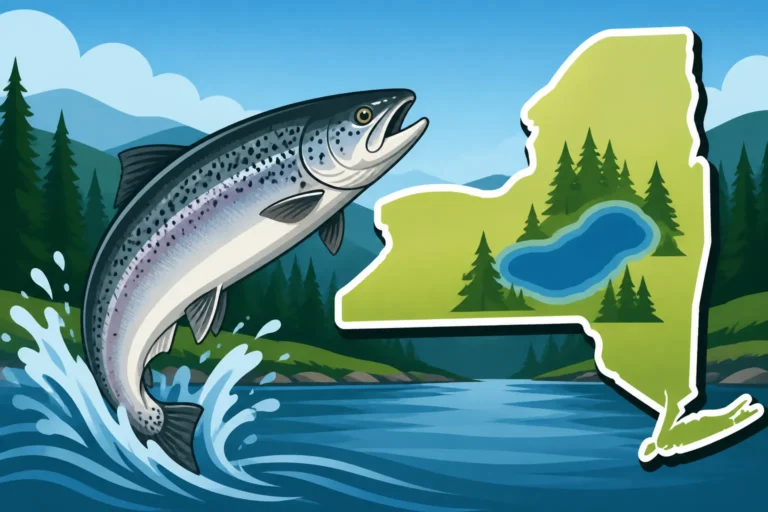
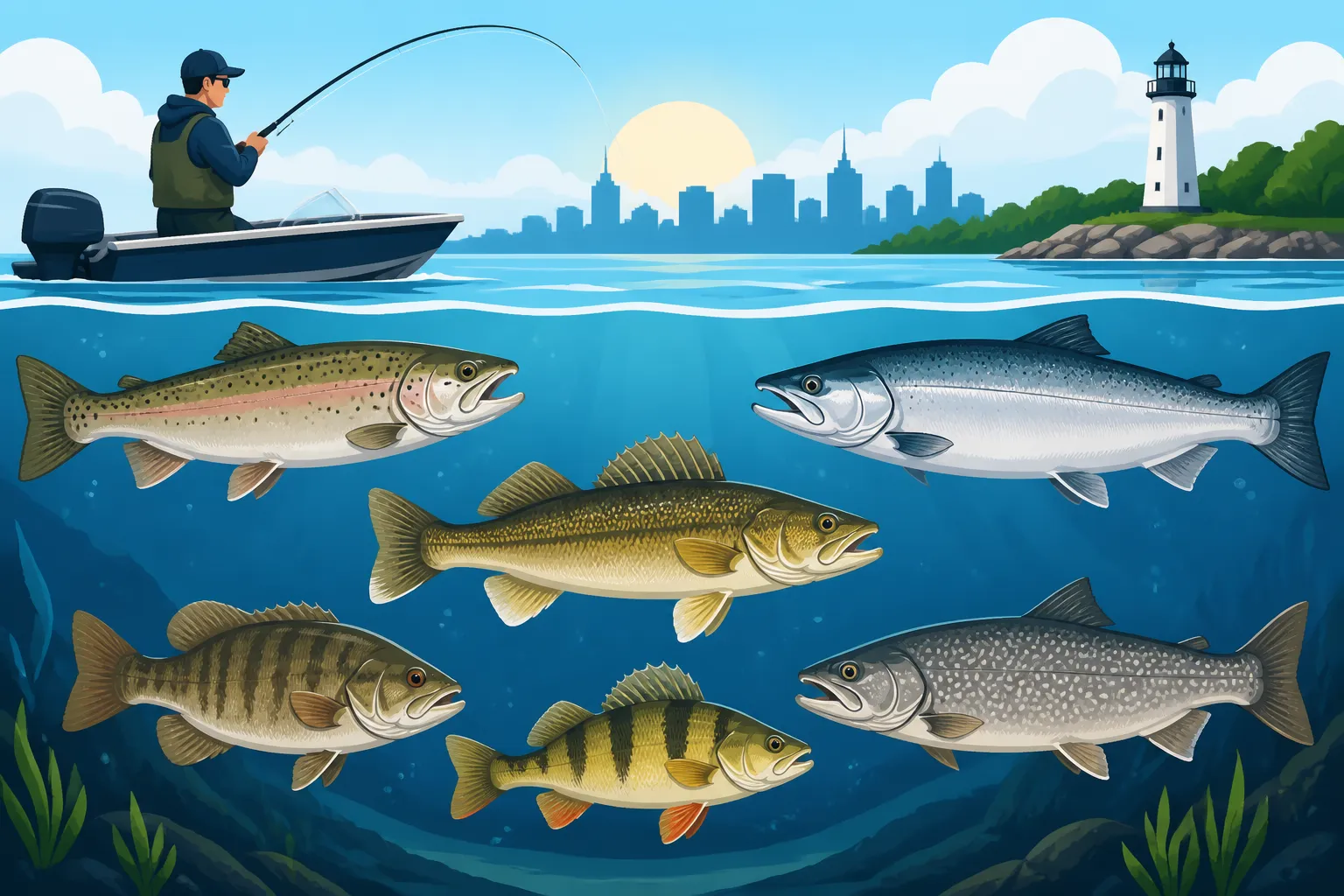
Ah, the Chinook! Often referred to as "King Salmon," these are the heavyweights of Lake Ontario. When you hear tales of screaming reels and epic fights, chances are they're talking about a Chinook. These fish are known for their sheer size and incredible power, making them a top target for many charter operations and serious anglers. They spend most of their lives in the deeper, colder waters of the lake, gorging on abundant baitfish like alewives.
As they approach maturity, Chinooks undertake incredible spawning runs up the tributaries in the fall, transforming from their silvery lake phase to a darker, more mottled appearance. This is when shore anglers and those in smaller boats get a real shot at these monsters. Catching a mature Chinook, especially during the peak of its run, is a truly unforgettable experience, demanding robust tackle and a strong will. How to Fish for Salmon in New York can give you more insights into targeting these magnificent fish.
Coho Salmon: The Feisty Fighter
While Chinooks might be the kings of size, Coho Salmon are often considered the princes of agility and acrobatics. Cohos are generally smaller than Chinooks but make up for it with their aggressive strikes and aerial displays. They are incredibly fun to catch, often leaping clear out of the water multiple times during a fight, putting on a spectacular show. These salmon also feed heavily on baitfish and are often found a bit shallower than Chinooks during the lake season.
Coho salmon also make significant runs into the tributaries in the fall, often preceding the main Chinook push. Their vibrant silver coloration in the lake gives way to rich, reddish hues during their spawning migration. Targeting Coho requires a quick reaction time, as their strikes can be lightning-fast. For those who love a dynamic fight, the Coho delivers an exhilarating experience every time.
Steelhead (Rainbow Trout): The Acrobatic Angler's Dream
Steelhead, which are essentially migratory Rainbow Trout, are another jewel in Lake Ontario's crown. Unlike salmon, which typically die after spawning, steelhead can return to the lake and spawn multiple times, growing larger with each cycle. They are famous for their incredible athleticism, often making long, blistering runs and breathtaking leaps that can leave even seasoned anglers in awe. Catching a chrome-bright steelhead fresh from the lake is a true test of skill and patience.
These magnificent fish migrate into the tributaries primarily in the fall and spring, seeking out prime spawning grounds. During their time in the lake, they are nomadic, following baitfish schools. You'll often find anglers trolling for them in the open waters or casting for them in the tributaries. If you're wondering about the best ways to hook into one of these beauties, be sure to check out How to Fish for Steelhead in New York.
Lake Trout: The Native Deepwater Dweller
Lake Trout are the true natives of Lake Ontario's cold, deep waters. These ancient fish are built for endurance, living in the depths and growing to impressive sizes. While they might not offer the same acrobatic jumps as steelhead or cohos, their sheer power and dogged resistance make for a formidable fight, especially when hooked in deep water. They have a more muted, often mottled green or grey coloration, perfectly camouflaged for their rocky, deepwater habitat.
Lake trout are primarily targeted by anglers using downriggers and heavy tackle, plumbing the depths where these fish spend most of their lives. They are slower growing than salmon, and some of the largest individuals can be decades old. Understanding their deepwater habits and preferred temperatures is key to consistently catching them. Lake Trout in New York provides more detailed information about these fascinating indigenous species.
Beyond the Trolling Motor: Other Popular Catches
While salmon and steelhead steal much of the spotlight, Lake Ontario offers a fantastic array of other game fish that provide exciting opportunities, whether you're trolling offshore, casting from shore, or exploring quieter bays and harbors.
Brown Trout: The Elusive Predator
Brown Trout are another highly sought-after species in Lake Ontario, known for their wariness and often impressive size. Unlike their steelhead cousins, brown trout tend to stay closer to shore, favoring rocky points, shallow reefs, and areas near tributary mouths. They are opportunistic predators, feeding on baitfish, insects, and crustaceans. Their stunning coloration, often golden brown with distinctive red and black spots surrounded by halos, makes them a beautiful catch.
Anglers often target brown trout by trolling spoons or stickbaits in shallower waters, especially during the spring and fall when they are more active near the surface. They can also be caught by casting from shore, particularly around dawn and dusk. Hooking into a large brown trout from Lake Ontario can be a challenging but incredibly rewarding experience, as they are known for powerful runs and often try to bury themselves in structure. For a deeper dive into their characteristics, you might want to read Brown Trout in New York.
Smallmouth Bass: The Bronze-backed Brawler
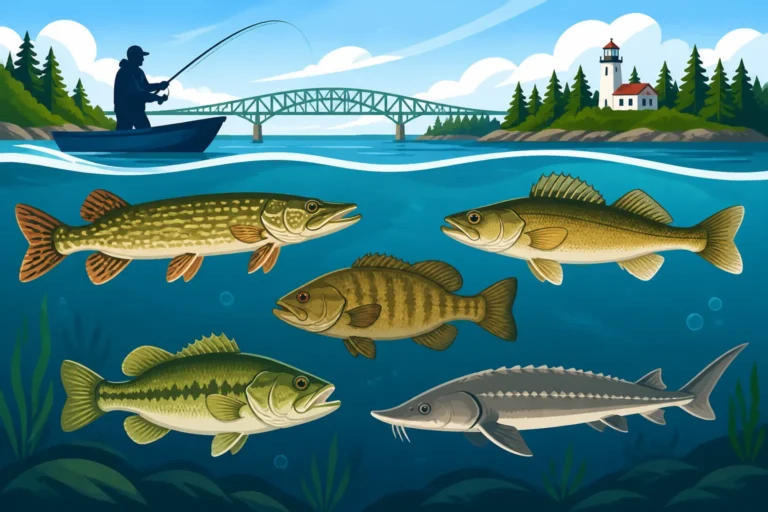
If you're looking for an incredible fight in shallower waters, look no further than the Smallmouth Bass. Lake Ontario, especially its eastern basin and areas around the Thousand Islands, is renowned for its trophy smallmouth. These fish are pound-for-pound one of the hardest fighting freshwater species, famous for their aggressive strikes, strong runs, and spectacular jumps. Their bronze and brown coloration, coupled with vertical bars, makes them easily identifiable.
Smallmouth bass thrive in clear, rocky habitats, often congregating around shoals, drop-offs, and submerged structures. They are voracious eaters, preying on crayfish, minnows, and aquatic insects. Anglers target them with a variety of techniques, including drop-shotting, jigging, and throwing crankbaits or tubes. Many anglers find themselves ordering a variety of lures from Amazon to keep up with the ever-changing preferences of these feisty fish. These bass provide consistent action throughout the warmer months and are a blast on light tackle.
Walleye: The Delicious Bottom Dweller
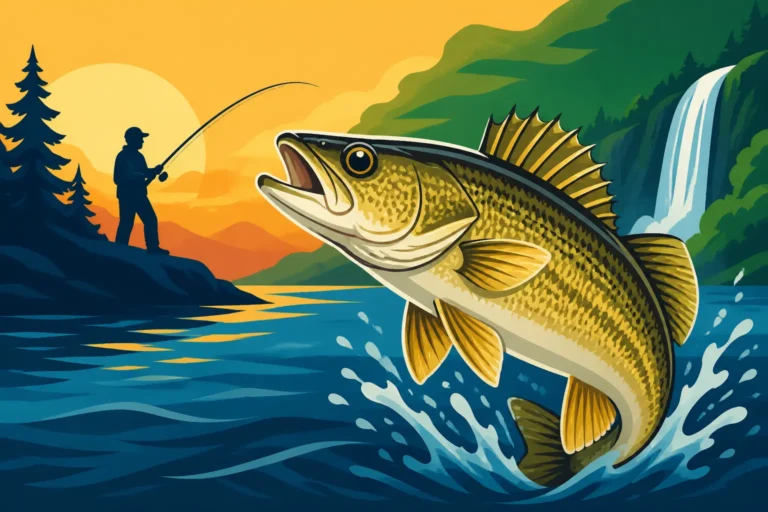
For those who prioritize a delicious meal alongside a good fight, the Walleye is a prime target in Lake Ontario. While not as widespread throughout the entire lake as some other species, significant walleye populations exist, particularly in the eastern basin and certain bays. These fish are characterized by their large, opaque eyes (hence "walleye") which are perfectly adapted for low-light feeding, making dawn, dusk, and even night fishing incredibly productive.
Walleye typically inhabit deeper waters during the day, moving shallower to feed. They are structure-oriented, often found near submerged humps, rocky ledges, and weed lines. Trolling with crankbaits, jigging, or drift fishing with live bait are all effective methods for catching these delectable fish. Catching a limit of walleye is a highly prized outcome for many anglers, known for their flaky, white meat. Knowing the best times and spots can greatly increase your chances, so researching Walleye in New York would be a great next step.
The Supporting Cast: Essential Fish Species in the Ecosystem
Beyond the main gamefish, Lake Ontario is home to a host of other species that play crucial roles in its ecosystem, whether as forage, bottom dwellers, or even unwelcome guests. Understanding these helps paint a complete picture of the lake's aquatic life.
Yellow Perch: Panfish Staple
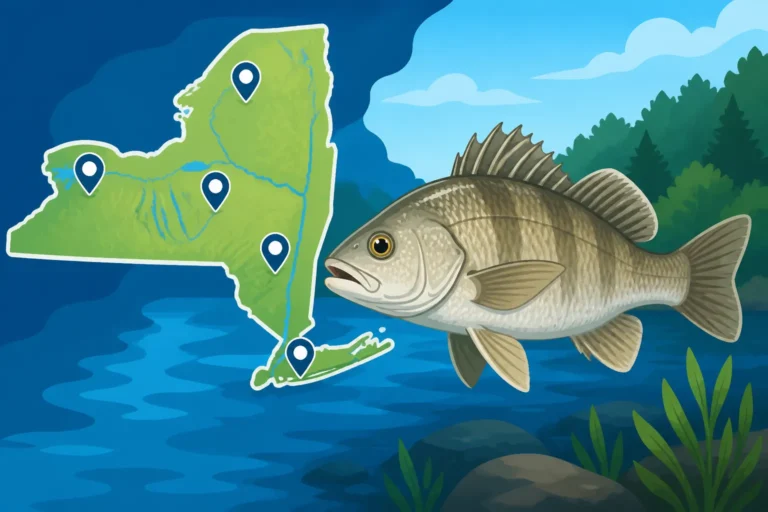
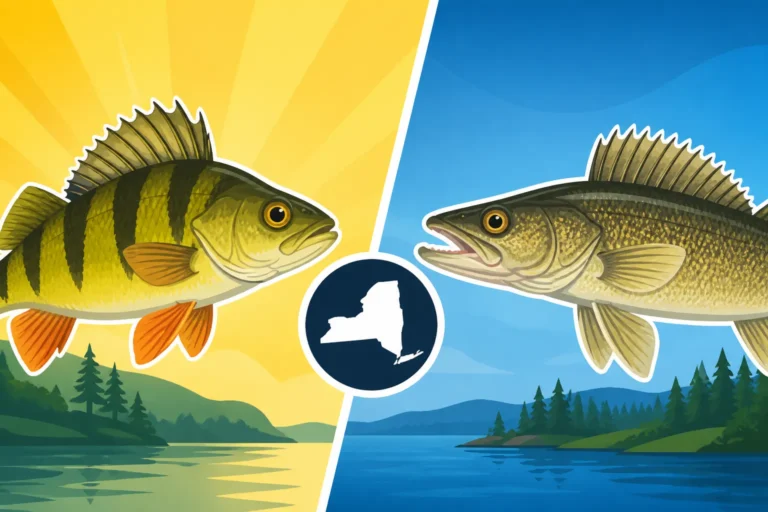
Yellow Perch are a beloved panfish species throughout Lake Ontario, especially popular with families and ice anglers. These schooling fish are easily identifiable by their distinctive vertical stripes and bright yellow-orange fins. While not reaching the sizes of salmon or trout, they offer consistent action and are widely regarded as one of the best-tasting freshwater fish.
Perch are often found in schools over sandy or silty bottoms, usually near weed beds or drop-offs. They feed on small insects, crustaceans, and minnows. Anglers typically target them with small jigs, minnows, or worms, often catching them in large numbers. Many anglers will head to their favorite local bait shop or even browse Amazon for small hooks and tiny jigs specifically designed for these prolific eaters. For many, a day catching perch is a relaxing and rewarding experience, perfect for introducing new anglers to the sport. Learn more about them in Yellow Perch in New York.
Alewives and Smelt: Crucial Forage Fish
While not typically targeted by recreational anglers, species like Alewives and Smelt are absolutely vital to the health and productivity of Lake Ontario's fishery. These small, silvery fish form the primary food source for almost all the major predatory fish in the lake, including salmon, trout, and even larger bass and walleye. Without abundant populations of these forage fish, the larger game species simply couldn't thrive.
Alewives are an invasive species, but they have become so integrated into the Lake Ontario ecosystem that they are now the cornerstone of its food web. Smelt, another important forage fish, also contribute significantly. Anglers often pay attention to where these baitfish schools are congregating, as the predators are usually not far behind. Understanding the baitfish patterns is a huge part of successful fishing on Lake Ontario.
Invasive Species: The Unwanted Residents
Unfortunately, Lake Ontario, like many Great Lakes, has its share of invasive species that pose challenges to the ecosystem. Beyond the now-naturalized alewives, species like Round Gobies, Zebra Mussels, and Quagga Mussels have significantly altered the lake's environment. Round gobies, for example, compete with native fish for food and habitat, and also feed on the eggs of native species. They are small, aggressive bottom-dwellers, often caught incidentally by anglers targeting other species.
These invasive mussels filter vast amounts of water, increasing clarity but also impacting the food web by consuming phytoplankton that would otherwise feed native organisms. While these species aren't "fish" in the traditional angling sense, their presence profoundly affects the fish species that anglers do target, influencing everything from water clarity to baitfish distribution. It's crucial for anglers to be aware of these invaders and take steps to prevent their spread, such as cleaning boats and gear thoroughly. Understanding New York Fishing Regulations Explained will often include details on preventing the spread of invasives.
Understanding Lake Ontario's Fishery for Better Angling
Navigating the waters of Lake Ontario, knowing which fish to expect and where, can truly elevate your fishing experience. It's not just about what bites, but what lives there, how they interact, and how to respect their home.
Diversity of Species and Habitats
Lake Ontario is a complex and diverse body of water, offering a range of habitats from deep, cold offshore zones to shallower, warmer bays and tributary mouths. This diversity supports an incredible variety of fish species, each with its own preferred environment. The ability to identify these different species and understand their general habits is more than just academic knowledge; it's a practical skill that helps you choose the right gear, bait, and location for your target. Whether you're a seasoned pro with a boat full of gear or a casual angler casting from a public pier, knowing the species empowers you. Many dedicated anglers subscribe to fishing magazines or invest in comprehensive identification guides from places like Amazon to continuously broaden their knowledge.
| Species | Primary Habitat | Common Angling Method | Typical Diet | Notable Trait |
|---|---|---|---|---|
| Chinook Salmon | Deep, open lake; tributaries (fall) | Trolling; casting in rivers | Alewives, Smelt | Large size, powerful runs |
| Coho Salmon | Open lake; tributaries (fall) | Trolling; casting in rivers | Alewives, Smelt | Acrobatic jumps, aggressive strikes |
| Steelhead | Open lake; tributaries (spring/fall) | Trolling; drift fishing | Alewives, Smelt, insects | Repeated leaps, strong fights |
| Lake Trout | Deep, cold offshore waters | Deepwater Trolling | Alewives, Smelt, other fish | Native, long-lived, powerful deepwater fight |
| Brown Trout | Nearshore, rocky areas; tributaries | Trolling (shallow); casting | Alewives, Smelt, insects | Elusive, beautiful coloration |
| Smallmouth Bass | Clear, rocky shoals & structure | Jigging, casting lures | Crayfish, minnows, insects | Pound-for-pound fighter, acrobatic |
| Walleye | Bays, eastern basin; low light | Trolling, jigging, live bait | Minnows, insects, crayfish | Excellent eating, low-light feeder |
| Yellow Perch | Bays, nearshore weed beds | Small jigs, minnows, worms | Insects, crustaceans, minnows | Panfish staple, delicious |
The Importance of Regulations and Conservation
With such a vibrant fishery, it’s absolutely critical that we all do our part to protect it for future generations. That means understanding and adhering to New York Fishing Regulations Explained. These rules aren't arbitrary; they are carefully crafted by the New York State Department of Environmental Conservation (DEC) to manage fish populations, prevent overfishing, and protect vulnerable species. Ignoring them not only puts you at risk of fines and penalties, but it also harms the very resource we all enjoy.
Catch limits, size restrictions, and season dates are all put in place for a reason. For instance, specific rules exist for New York Statewide Trout Bag Limit or New York Bass Season Dates to ensure sustainable populations. Beyond regulations, practicing responsible angling, such as proper catch-and-release techniques for fish you don't intend to keep, minimizing stress on the fish, and never introducing non-native species, helps maintain the delicate balance of Lake Ontario's ecosystem. Our actions today directly impact the fishing opportunities of tomorrow.
Planning Your Lake Ontario Fishing Trip
Knowing the fish species in Lake Ontario helps you plan a more targeted and successful outing. Are you dreaming of a monster Chinook, or are you hoping to fill a cooler with delicious walleye or perch? Your choice of target species will dictate where you go, what gear you need, and even the best time of year to visit. For instance, chasing fall salmon means heading to the tributaries, while summer lake trout fishing requires deepwater trolling gear.
Many anglers find themselves constantly upgrading their tackle or researching new techniques, often turning to resources like Amazon for specialized equipment. Whether you're booking a charter out of Oswego for salmon or planning a shore fishing trip for brown trout in the spring, a solid understanding of the available species and their behaviors is your greatest asset. Don't forget to get your New York Fishing License Guide sorted before you head out!
Disclaimer
This article is for general informational purposes only and does not constitute professional advice. Laws, prices and regulations vary by location and change over time. Consult a qualified professional for guidance on your specific situation.