Are Striped Bass Native to New York?
It's a question many New York anglers ponder as they cast their lines into our beautiful waters: are those powerful, hard-fighting striped bass truly native to our state? It’s easy to assume they are, given how iconic they’ve become, but understanding their historical presence and ecological role here is crucial for appreciating their significance. This guide will take a deep dive into the origins of striped bass in New York, exploring their natural heritage and how they've become such an integral part of our fishing landscape.
The Deep Roots: Are Striped Bass Truly Native to New York?
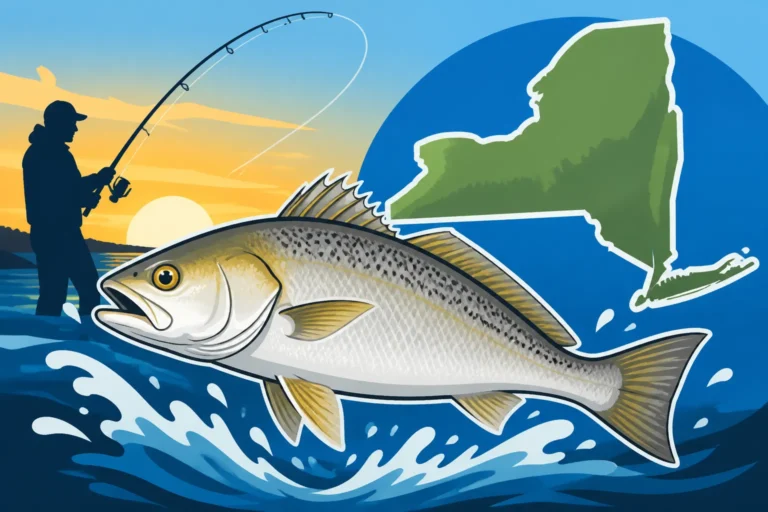
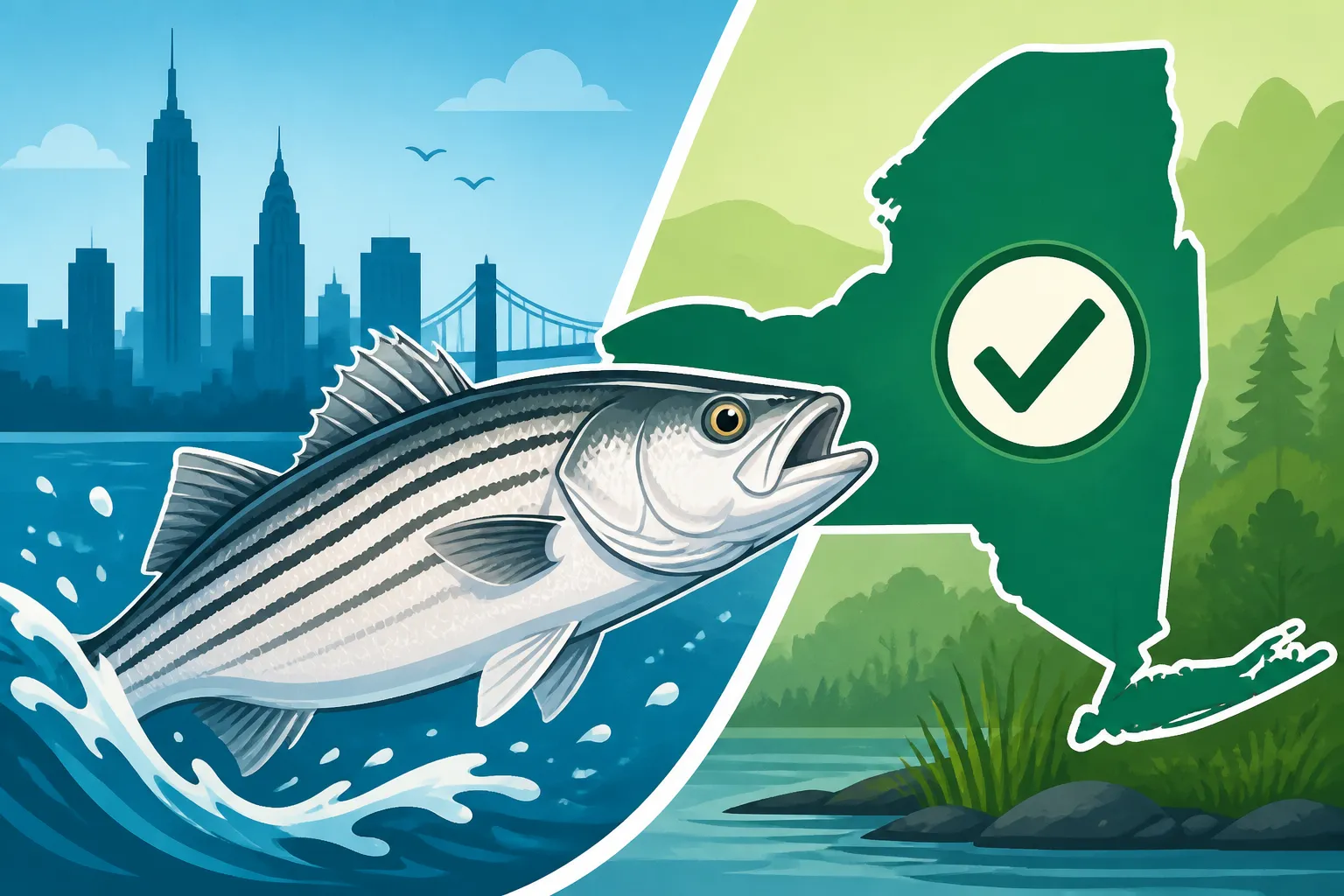
Absolutely, yes! Striped bass ( Morone saxatilis) are, without a doubt, a native species to the coastal and estuarine waters of New York. Their presence here isn't just a recent phenomenon or the result of stocking efforts; they've been an integral part of the Atlantic seaboard's ecosystem, including New York, for thousands of years. This deep history shapes their behavior, their migration patterns, and their incredible resilience.
Unpacking Their Natural Origins
When we talk about a species being "native," we mean it evolved in this specific geographic region and has naturally occurred here over a long period, without human introduction. For striped bass, their story begins along the entire Atlantic coast of North America, from the St. Lawrence River in Canada down to Florida. New York, with its intricate network of estuaries, bays, and major rivers like the Hudson, falls right in the heart of their historical range. These waters provided the perfect blend of freshwater spawning grounds and rich, salty feeding areas for generations.
Consider the mighty Hudson River, for example. It's not just a beautiful waterway; it's a historical stronghold for striped bass reproduction. For centuries, these fish have made their annual pilgrimage from the ocean into the brackish and freshwater reaches of the Hudson to spawn. This isn't something they learned to do recently; it's an instinctual migration pattern passed down through countless generations, making the Hudson River a vital nursery for striped bass. The biological evidence, including genetic markers, confirms their ancient lineage in our local ecosystems.
Historical Records and Indigenous Knowledge
The native status of striped bass in New York is further supported by a wealth of historical documentation and, perhaps even more importantly, by centuries of indigenous knowledge. Long before European settlers arrived, Native American tribes along the Atlantic coast, including those in what is now New York, had a profound connection with striped bass. They understood the fish's seasonal movements, revered them as a crucial food source, and developed sophisticated methods for harvesting them. Their stories and archaeological findings consistently place striped bass as a prominent and predictable part of the natural environment.
Early colonial accounts also frequently mention the astounding abundance of striped bass in New York's waters. Imagine explorers writing about rivers so teeming with fish you could practically walk across their backs! These observations, while perhaps embellished for dramatic effect, undeniably point to a thriving, native population. They weren't an anomaly; they were a foundational species, shaping the ecological balance and even the cultures of the region. This rich historical tapestry, combined with scientific understanding, firmly establishes striped bass as true New Yorkers of the aquatic world.
A Journey Through Time: Striped Bass in New York's Waters
The history of striped bass in New York is a fascinating saga of abundance, decline, and remarkable recovery. While they are undeniably native, their journey through human history in our state has been anything but static. Understanding these fluctuations helps us appreciate the conservation efforts that ensure their continued presence.
From Abundance to Decline: The Early Challenges
For centuries, striped bass flourished in New York, a testament to the health and productivity of our estuarine systems. They were a cornerstone of both subsistence and early commercial fisheries. People relied on them, and their populations were robust enough to withstand significant harvests. However, as the human population grew and industrialization took hold, these magnificent fish faced unprecedented challenges.
The late 19th and 20th centuries brought intense commercial fishing pressure, with efficient gear capable of catching vast quantities of fish. Simultaneously, pollution from burgeoning cities and industries began to degrade vital spawning and nursery habitats, particularly in rivers like the Hudson. Dams and other river alterations further impeded their migratory routes. This triple threat of overfishing, habitat degradation, and pollution led to a dramatic decline in striped bass numbers across their entire range, including New York. It was a concerning time, where the future of this iconic species seemed uncertain. You can learn more about New York Fishing Regulations Explained and how they've evolved over time to protect species like the striped bass.
The Road to Recovery: Conservation Efforts Take Hold
Thankfully, the alarm bells were sounded, and dedicated conservation efforts began to gain traction. Anglers, scientists, and policymakers recognized the critical need to protect striped bass from disappearing from our waters forever. This led to significant legislative changes and management strategies, both at the state and federal levels. For New York, this meant implementing stricter catch limits, minimum size requirements, and eventually, the establishment of spawning season closures in key areas.
One of the most impactful measures was the development of the Atlantic States Marine Fisheries Commission (ASMFC) management plans, which coordinated conservation efforts across multiple states. This collaborative approach was crucial because striped bass are a migratory species; protecting them in New York wouldn't be effective if other states didn't do their part. Over several decades, these efforts, combined with improved water quality in many areas, allowed the striped bass populations to slowly but surely rebound. It’s a testament to what can be achieved when we work together to protect our natural resources.
Where Striped Bass Thrive in New York Today
Today, thanks to those dedicated conservation efforts, New York is once again a premier destination for striped bass fishing. From the bustling harbors of New York City to the tranquil expanses of Long Island Sound and the storied depths of the Hudson River, these powerful fish can be found in abundance during their migratory periods. Knowing where they thrive can greatly enhance your chances of a successful outing.
Key Habitats and Migratory Routes
Striped bass are anadromous, meaning they spend most of their adult lives in saltwater but return to freshwater rivers to spawn. This life cycle means they utilize a diverse range of habitats throughout New York. Our major estuaries are critical hubs for them. The Hudson River remains the most significant spawning ground for the Atlantic coast's migratory stock south of the St. Lawrence River. Each spring, adult stripers move upriver from the Atlantic Ocean to lay their eggs in the fresher reaches, eventually returning to the ocean. The juvenile bass then spend their first few years in the brackish waters of the estuary before venturing out to sea.
Beyond the Hudson, the Long Island Sound and the intricate bays and inlets along the entire coast of Long Island offer prime feeding grounds. From Montauk Point to the shores of Brooklyn, these areas are teeming with baitfish, providing a rich buffet for striped bass during their spring and fall migrations. Anglers often target specific choke points like inlets, jetties, and rocky structures where baitfish congregate and stripers lie in ambush. Understanding these migratory patterns, such as the timing of the spring and fall runs, is key to successful fishing. If you're wondering When Do Striped Bass Run Up New York's Hudson River?, we have a full breakdown for you.
Prime Fishing Locations and Times
New York offers an incredible variety of spots to chase striped bass, depending on the time of year and your preferred fishing style.
- Hudson River: In spring (typically April through June), the lower and middle Hudson River explodes with striped bass activity as they move upstream to spawn. Shore anglers and boaters alike target them with bait like live herring or bunker, and various artificial lures. The Striped Bass Season on the Hudson Runs April Through November, offering ample opportunities throughout much of the year, though specific regulations apply to spawning fish.
- Long Island Sound & South Shore Bays: These areas are fantastic from late spring through fall. Surfcasters can find excellent action along beaches and jetties using plugs, bucktails, or bait like clams and bunker chunks. Boat anglers often troll, cast to schools of bait, or drift with live bait. For deeper dives into specific locations, check out Fishing Long Island Sound in New York: A Complete Guide or Best Shore Fishing Spots on Long Island, New York.
- New York Harbor: The waters around Staten Island, Brooklyn, and Manhattan can offer surprisingly good fishing, especially during migration, for those willing to venture out by boat or fish from public piers. The abundance of baitfish makes it a prime feeding zone.
When gearing up for striped bass, you'll find a wide selection of proven lures and robust rods on platforms like Amazon. Whether you're looking for a heavy-duty surf rod or a versatile spinning reel, having reliable equipment makes a huge difference.
Conservation Efforts and the Future of Striped Bass in New York
The story of striped bass in New York is a powerful reminder of both our impact on natural resources and our capacity for positive change. While these fish are native and have seen a remarkable comeback, their future still depends on ongoing vigilance and commitment to conservation.
Current Regulations and Responsible Angling
New York State, in conjunction with the Atlantic States Marine Fisheries Commission (ASMFC), maintains a robust set of regulations designed to ensure the sustainability of striped bass populations. These rules cover everything from season dates and minimum/maximum size limits to daily possession limits and gear restrictions. For instance, circle hooks are often required when fishing with bait for striped bass, a measure designed to reduce "gut hooking" and improve the survival rate of released fish. You can find detailed information on New York Fishing Regulations Explained, but always check the latest New York DEC guide before heading out, as rules can change.
As anglers, we play a crucial role in conservation. Practicing responsible catch-and-release techniques, understanding and adhering to all regulations (like New York Striped Bass Length Requirements), and minimizing our impact on their habitats are paramount. This means using appropriate tackle, handling fish gently, and releasing them quickly if they are not legal to keep or if you've already met your creel limit. Every action we take, from how we cast a line to how we dispose of our trash, contributes to the health of the striped bass fishery.
Habitat Protection and Restoration
While fishing regulations are vital, protecting and restoring the habitats where striped bass live, spawn, and grow is equally, if not more, important. This includes maintaining water quality in estuaries like the Hudson River, preventing habitat destruction from development, and ensuring unobstructed passage to spawning grounds. Groups and government agencies are constantly working on projects to remove old dams, restore wetlands, and reduce pollution runoff, all of which directly benefit striped bass.
The health of the entire ecosystem, from the smallest plankton to the largest predators, impacts striped bass. Protecting their food sources, like bunker (Atlantic menhaden), and the health of their nursery areas, contributes to a robust and resilient population. For more on the dietary habits of these fish, take a look at What Striped Bass Eat in the Hudson River. This holistic approach to conservation ensures that future generations of New Yorkers can also experience the thrill of catching a native striped bass.
Frequently Asked Questions About New York Striped Bass
Many questions naturally arise about this incredible fish, especially concerning its presence and importance in New York. Here are some common inquiries.
What Makes a Species "Native"?
A species is considered "native" or "indigenous" to a region if it originated there and has naturally occurred there for a long period, without human introduction. This means it evolved within the local ecosystem, adapting to its specific environmental conditions, and playing an integral role in the natural food web and ecological balance. For striped bass in New York, this includes their historical presence in coastal waters and their reliance on rivers like the Hudson for spawning, a pattern that has existed for millennia. It's about their evolutionary history and natural colonization of a geographic area.
| Trait | Native Species (e.g., Striped Bass) | Non-Native (Introduced/Exotic) Species |
|---|---|---|
| Origin | Evolved and occurs naturally in the region. | Brought to the region by human activity, intentionally or accidentally. |
| Historical Presence | Present in the ecosystem for a very long time (thousands of years). | Recent arrival, typically within the last few centuries. |
| Ecological Role | Integral part of the natural food web and ecosystem functions. | May disrupt existing ecosystems, potentially outcompeting natives. |
| Adaptation | Well-adapted to local climate, soil, and other species. | May struggle to adapt or, conversely, thrive too well without natural controls. |
| Impact | Maintains ecological balance. | Can become invasive, causing harm to native biodiversity. |
Are Striped Bass the Official State Fish of New York?
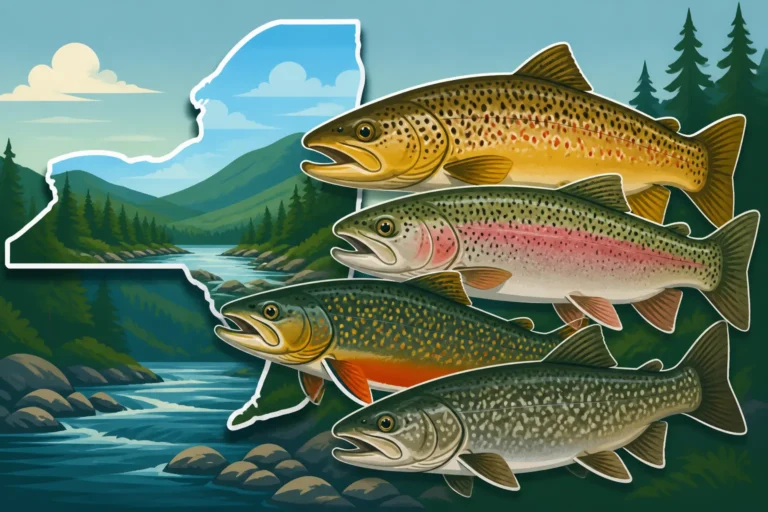
While the striped bass holds a very special place in the hearts of New York anglers and is undoubtedly an iconic species here, it is not the official state fish. That honor belongs to the brook trout ( Salvelinus fontinalis). The brook trout was designated New York's state fish in 1975, reflecting its importance in our freshwater streams and lakes, particularly in wild, pristine environments. Even though the striped bass isn't the official one, its cultural and ecological significance to New York's marine and estuarine environments is immense, arguably making it the unofficial "marine ambassador" of our angling world!
What is the Largest Striped Bass Ever Caught in New York?
New York has a rich history of producing truly massive striped bass, reflecting the health of its waters and the skill of its anglers. While state records can fluctuate, and specific numbers for weight and length require checking the most current New York DEC records (as these are updated periodically), the waters of New York have certainly yielded some legendary catches. Anglers frequently pursue these "trophy fish" in areas like the Hudson River and along the Long Island coastline, especially during the spring and fall migrations. The pursuit of a record-breaking striper is a lifelong quest for many dedicated fishermen. For specifics, you might want to look up New York State Record Striped Bass Weight. If you're hoping to land a trophy of your own, you might consider booking Long Island Fishing Charters or a New York's Hudson River Striped Bass Guides who specialize in targeting larger fish. They often have the local knowledge and specialized gear needed for such an endeavor.
Do I Need a Special License to Fish for Striped Bass in New York?
For recreational fishing for striped bass in New York, you generally need a valid New York State fishing license. This applies to both freshwater and saltwater fishing, as striped bass move between these environments. If you are fishing in marine waters or within the "marine district," you will also need to register with the New York State Recreational Marine Fishing Registry. This registration is typically free and helps the state monitor fishing effort and gather data crucial for managing marine fisheries. However, the exact requirements can sometimes vary depending on your age, residency, and whether you are fishing from a private boat, shore, or a charter. It's always best to consult the official New York Fishing License Guide or the current New York State fishing regulations guide to ensure you are fully compliant before you cast your line. Make sure you're properly equipped, and a quick check on Amazon can help you find any missing gear you might need.
Disclaimer
This article is for general informational purposes only and does not constitute professional advice. Laws, prices and regulations vary by location and change over time. Consult a qualified professional for guidance on your specific situation.