Weakfish in New York
It can be incredibly frustrating when you're out on the water, hearing whispers of "weakfish" or "sea trout," but you've never quite managed to land one, or even know where to begin looking. These beautiful, iridescent fish, despite their delicate name, offer an exciting challenge and delicious reward for New York anglers. This guide is designed to peel back the mystery surrounding weakfish, helping you understand their habits, where to find them, and how to successfully bring these shimmering beauties to your net.
What Exactly is a Weakfish? The "Sea Trout" of New York
For many freshwater anglers, the term "trout" conjures images of pristine mountain streams and rainbow or brown trout. But in New York's vast saltwater world, we have our own version that often goes by the moniker "sea trout": the weakfish. Don't let the "weak" in their name fool you; while their mouths are delicate, their fight can be anything but! Understanding this species is the first step to successful targeting.
Unique Characteristics and Appearance
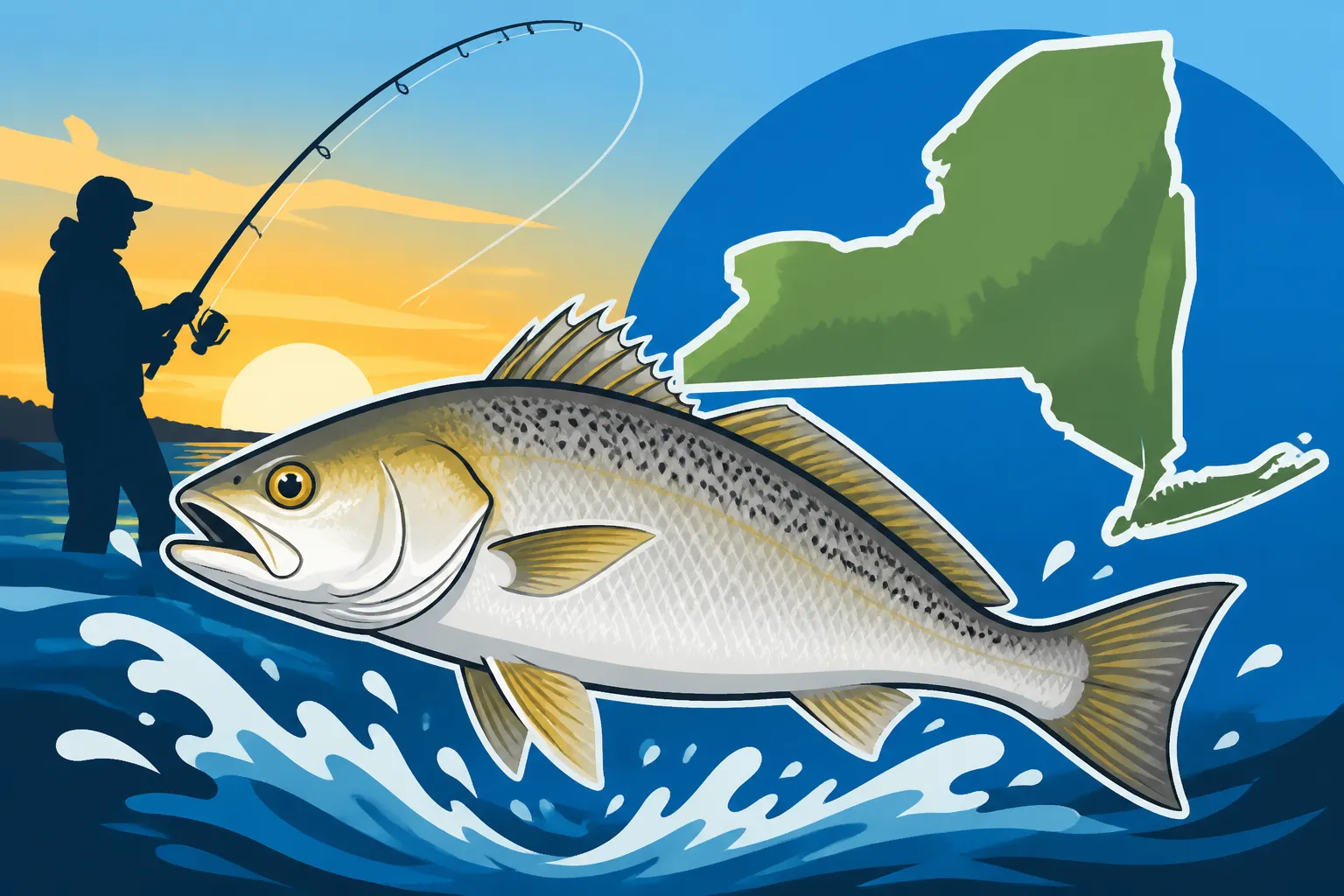
Weakfish are truly stunning to behold, especially when fresh out of the water. Their bodies possess an almost iridescent quality, shimmering with silvery-pink, purplish, or greenish-bronze hues along their backs, fading into a brilliant silver or white belly. What really makes them stand out are the distinct, irregular rows of small, dark spots running along their upper sides – almost like a constellation. They have a sleek, elongated body, perfectly designed for swift movements in their watery domain.
Their head is relatively large, featuring a prominent mouth that extends back to or beyond the middle of their eye. This mouth is equipped with a set of sharp, canine-like teeth, particularly noticeable at the front of their upper jaw. These teeth are a clear indicator that weakfish are formidable predators, actively hunting baitfish and crustaceans. Now, about that "weak" name: it refers to the delicate membrane of their mouth, which can tear easily when a hooked fish struggles, making it a real art to fight them without losing your prize. Many a seasoned angler has recounted tales of a weakfish shaking off at the boat, a testament to this unique challenge.
Life Cycle and Growth in New York Waters
The life cycle of weakfish is closely tied to the rich estuarine and coastal waters of New York. Spawning typically occurs in shallow, brackish areas like bays and sounds during the spring and early summer. The young weakfish, or juveniles, then spend their initial months growing rapidly in these nutrient-rich nurseries, feeding on small invertebrates and growing larger at an impressive pace.
As they mature, their diet shifts to include a wider array of baitfish such as silversides, bunker, and spearing, along with shrimp and crabs. In New York, average weakfish often fall into the 1-to-3-pound range, but dedicated anglers might encounter larger specimens, sometimes called "tiderunners," which can push into the double digits. These larger fish are highly prized and offer an incredible fight. Their relatively quick growth and migratory nature mean that populations can fluctuate, making understanding their movements key to finding them consistently.
Where to Find Weakfish in New York
Knowing what a weakfish looks like is one thing, but knowing where to actually encounter them in New York is the real secret. These are not open-ocean dwellers like tuna, nor are they strictly river fish. They occupy a fascinating niche in our coastal ecosystem.
Preferred Habitats and Salinity
Weakfish thrive in a variety of coastal environments, showing a clear preference for brackish and shallow waters. This means you'll often find them in the rich, productive estuaries, bays, and sounds that punctuate New York's coastline. Think of places like Long Island Sound, the Great South Bay, Shinnecock Bay, and the various Peconic Bays. Even the lower reaches of the Hudson River estuary can hold weakfish during certain times of the year, where the freshwater mixes with the incoming tides from the ocean.
They enjoy structure, too, whether it's submerged grass beds, oyster reefs, mussel beds, or even the shadows cast by docks and bridges. These areas offer both cover and a buffet of their preferred prey. The key is often finding areas where there's a good mix of shallow feeding grounds and slightly deeper channels or holes nearby for them to retreat to, especially as the sun gets higher or water temperatures fluctuate. Their comfort with varying salinity levels allows them to venture further into estuaries than some purely saltwater species, giving anglers a diverse range of potential fishing grounds.
Seasonal Movements and Migration Patterns
Weakfish are migratory, and their presence in New York waters is heavily influenced by the changing seasons and, most importantly, water temperature. As the waters of the Atlantic begin to warm in the spring, typically around May, weakfish start their northward migration from their overwintering grounds further south. They move into New York's bays and estuaries to feed and spawn, bringing with them the excitement of a new fishing season.
They'll generally remain in our waters through the summer, although during the warmest months, they might retreat to slightly deeper, cooler channels or offshore areas. As fall approaches, usually around September and October, falling water temperatures trigger their southward migration. This autumn run can often provide some of the most spectacular fishing, as weakfish aggressively feed to build up energy for their long journey. Their movements are also highly dependent on the availability of baitfish; where the bait goes, the weakfish often follow. This means keeping an eye on local reports of bunker, spearing, and other small fish schools is a smart strategy for locating weakfish.
Prime Time for Weakfish in New York
Timing is everything when it comes to fishing, and weakfish are no exception. Knowing when to cast your line can drastically increase your chances of success, turning a hopeful outing into a memorable one.
Best Seasons to Target Weakfish
When it comes to weakfish in New York, the sweet spots are undoubtedly late spring and early fall.
The spring run, typically from May through June, marks their arrival in force. This is when they've migrated north, are actively feeding, and are preparing to spawn. You'll find them in those aforementioned bays and estuaries, often quite aggressively taking baits and lures. This period is a fantastic opportunity for both boat and shore anglers to connect with these fish.
As summer progresses into July and August, fishing can still be good, but weakfish might become a bit more spread out or seek deeper, cooler water during the hottest parts of the day. This is when targeting them during low-light conditions or focusing on deeper channels becomes more effective. Then, as autumn sets in, usually from September through October, weakfish embark on their southward migration. During this time, they feed voraciously, packing on reserves for their journey, which makes them very aggressive and eager to strike. This fall run is often celebrated for producing some of the largest "tiderunner" weakfish of the year. Always remember to consult the New York Fishing Season Dates and Catch Limits for specific seasonal regulations, as these can vary year by year.
Tidal Influences and Time of Day
Weakfish, like many saltwater species, are heavily influenced by the tides. Moving water is often the key to success. Both incoming and outgoing tides can be productive, as the currents stir up baitfish and crustaceans, creating feeding opportunities for weakfish. Many experienced anglers find that the hours around the change of tide—either an hour or two before and after high tide, or the same around low tide—can be particularly fruitful. This moving water helps to concentrate bait in certain areas, making it easier for weakfish to ambush their meals.
Beyond the tides, the time of day also plays a significant role. Weakfish are often most active during periods of low light. This means dawn and dusk are prime times to be on the water. The reduced light conditions provide an advantage for the weakfish, allowing them to hunt more effectively without being as easily spotted by their prey. Surprisingly, weakfish can also be incredibly active at night, especially for those targeting larger "tiderunners." Under the cover of darkness, these bigger fish often move into shallower areas to feed, offering a unique and exciting night fishing experience.
Effective Techniques for Catching Weakfish
So, you know when and where to find them. Now, let's talk about the how. Weakfish can be finicky, but with the right approach and gear, you'll be well on your way to adding them to your species list.
Baits and Lures That Weakfish Can't Resist
Weakfish are opportunistic feeders, but they do have their favorites. When it comes to bait, you can't go wrong with live offerings.
- Live Bait: Grass shrimp are often considered weakfish candy, especially in estuarine environments. Sandworms and bloodworms are also highly effective. Small live baitfish like killifish, silversides, or spearing, either fished whole or as chunks, can also entice strikes. A fresh chunk of bunker can also be surprisingly effective.
- Artificial Lures: Soft plastic jigs are arguably the most popular and effective artificial lures for weakfish. Grub tails, paddle tails, and especially those designed to mimic baitfish like the Gulp! swimming mullet, are incredibly productive. Colors like pink, chartreuse, white, and pearl are perennial favorites. Jig heads ranging from 1/4 to 1/2 ounce, depending on current and depth, are a good starting point. Bucktail jigs, often tipped with a piece of clam or a soft plastic, are also excellent. Don't overlook small topwater plugs during low-light conditions; a weakfish exploding on a surface lure is a sight to behold. When using soft plastics, a little added scent can go a long way, and products like those from Fishbites or other scent sprays available on platforms like Amazon can really enhance your presentation.
Essential Gear and Rigging
Given their "weak" mouths, your gear choice is crucial.
- Rod and Reel: A light to medium-light spinning rod, typically 6'6" to 7'6" in length, with a sensitive tip is ideal. This sensitivity allows you to detect their often subtle bites and protects their delicate mouth during the fight. Pair this with a matching spinning reel in the 2500-4000 size range, spooled with quality line.
- Line: Braided line, in the 8-15 pound test range, is highly recommended due to its lack of stretch and excellent sensitivity. This helps you feel those soft takes. Always tie on a fluorocarbon leader of 15-20 pound test. Fluorocarbon is nearly invisible underwater and offers better abrasion resistance against their teeth and any underwater structure.
- Rigs:
- Bottom Rig (Hi-Lo Rig): This is a classic choice for bait fishing. It involves two dropper loops for hooks (often size 1/0 to 3/0, depending on bait size) and a sinker at the bottom. This keeps your bait near the bottom where weakfish often feed.
- Jigging: Simply tie your soft plastic or bucktail jig directly to your leader. This allows for an active presentation, letting you twitch and retrieve to mimic a swimming baitfish or shrimp.
- Float Fishing: For fishing shallower areas or over grass beds, a slip float or fixed float can suspend your live bait or a small jig at a specific depth, preventing snags and presenting your offering naturally.
Mastering the Weakfish Fight and Landing
Here's where the "weak" part really comes into play. You've hooked one, now what?
The key to successfully landing a weakfish is a light, consistent touch. They have a tendency to make strong, head-shaking runs, and if you apply too much pressure or try to horse them in, their mouth tissue will likely tear, and they'll be gone.
- Drag Setting: Set your drag to be light and smooth. It should be just enough to maintain tension on the line, but allow the fish to take line when it makes a run. Avoid locking it down.
- Smooth Retrieve: When reeling, keep a steady pressure on the fish. Avoid sudden jerks or pumping motions that put excessive strain on its mouth. Let the rod do the work, absorbing the runs.
- Netting: This is crucial. Always use a net when bringing a weakfish to the boat or shore. Trying to lip-grip them or hoist them by the line is a recipe for a lost fish. Gently guide the fish into the net headfirst. For boat anglers, a good quality rubberized net protects the fish and prevents hooks from tangling.
- Catch and Release: If you're practicing Catch-and-Release Handling Rules, handle weakfish with extreme care. Minimize their time out of water, support their body horizontally, and use wet hands to protect their slime coat. This careful approach helps ensure they swim away healthy.
Regulations and Conservation for Weakfish in New York
As responsible anglers, understanding and adhering to regulations isn't just about avoiding penalties; it's about ensuring the health and future of the weakfish fishery for everyone. New York has specific rules in place to protect this valuable species.
Understanding Current Weakfish Regulations
The New York State Department of Environmental Conservation (DEC) sets the fishing regulations for all species, including weakfish. These regulations are designed to manage fish populations sustainably and can change periodically based on scientific assessments and stock health. It's imperative that you always check the most current regulations before heading out. You can usually find these in the official DEC fishing guide or on their website.
Typically, weakfish regulations will include:
- Minimum Size Limits: This dictates the smallest legal length a weakfish must be for you to keep it. This allows younger fish to mature and reproduce before being harvested.
- Daily Bag Limits: This specifies the maximum number of weakfish you are allowed to keep in a single day. These limits help prevent overfishing by individual anglers.
- Seasons: While weakfish are generally available during their migratory periods, there might be specific open and closed seasons or even differing regulations for various parts of New York's coastal waters.
Failing to adhere to these rules can result in significant Penalties for Fishing Without a License in New York or for violating catch limits. Always review the New York Fishing Regulations Explained to stay informed and ensure your fishing activities are compliant.
Conservation Efforts and Sustainable Fishing
Weakfish populations have experienced fluctuations over the years, including periods of significant decline in the past. This makes conservation efforts and sustainable fishing practices incredibly important for their recovery and continued presence in New York waters. Historically, overfishing and habitat degradation contributed to their struggles.
Today, federal and state agencies work together to monitor weakfish stocks and implement management strategies. As anglers, we play a crucial role in these efforts. Practicing responsible catch and release, especially for larger breeding fish, helps ensure future generations of weakfish. Using appropriate gear, such as circle hooks when bait fishing, can reduce gut-hooking and increase survival rates for released fish. Minimizing waste, properly disposing of trash, and advocating for clean water and healthy estuarine habitats are all ways we can contribute to the long-term health of weakfish and the entire coastal ecosystem. The cleaner our waterways, the healthier our fish.
Why Weakfish are a Rewarding Catch (and Table Fare!)
Beyond the technicalities and regulations, there's a real joy in targeting and catching weakfish. They offer a unique blend of challenge and reward that keeps anglers coming back for more.
The Thrill of the Fight and Their Elusive Nature
Connecting with a weakfish is an experience in itself. On light tackle, they can deliver surprising power, with strong runs and characteristic head shakes that send tremors up your line. Their delicate mouths, however, mean that landing them requires a finessed touch, making each successful retrieve feel like a true accomplishment. It's not a brute force battle; it's a dance between angler and fish, where patience and a gentle hand often win the day.
For many, their sometimes-elusive nature adds to their appeal. They're not always easy to find or convince to bite, which makes the moments when they are active all the more exciting. Landing a big "tiderunner" weakfish is considered a real trophy by many New York saltwater anglers, a testament to skill and persistence. It's a fish that demands respect and offers a thrilling reward.
Culinary Appeal and Preparation Tips
And then, there's the table fare. Weakfish are highly regarded for their delicate, flaky, white meat, which has a mild, sweet flavor. They are an excellent eating fish, often compared favorably to other popular species. The key to enjoying weakfish on the plate is freshness. Like many fish, they are at their best when cooked soon after being caught.
Simple preparation methods often highlight their natural flavor. They are fantastic baked, broiled, or pan-fried. A light breading or a simple seasoning of salt, pepper, and a squeeze of lemon is often all that's needed. They also make excellent fish tacos or can be incorporated into lighter stews and chowders. While larger weakfish can be impressive to catch, some anglers find that smaller to medium-sized fish (within legal limits, of course) tend to have firmer, more desirable flesh for eating, as the very large, older fish can sometimes have softer meat. So, if you're keeping a few for dinner, consider the perfect size for culinary enjoyment!
Here's a quick overview of weakfish essentials:
| Feature | Description |
|---|---|
| Appearance | Iridescent silver/pink/greenish-bronze, distinct rows of small spots, large mouth with canine teeth. |
| Naming | Named for its delicate mouth membranes, which can tear easily during a fight. |
| Habitat | Prefers brackish to salty coastal waters, estuaries, bays, sounds, often near structure. |
| Diet | Juveniles: small invertebrates; Adults: baitfish (silversides, bunker, spearing), shrimp, crabs. |
| Average Size | 1-3 pounds typical in New York, with "tiderunners" reaching double digits. |
| Prime Season | Late Spring (May-June) and Early Fall (Sept-Oct) for migration and feeding. |
| Best Times | Moving tides (incoming/outgoing), dawn, dusk, and night (especially for larger fish). |
| Top Baits | Live grass shrimp, sandworms, small baitfish, bunker chunks. |
| Top Lures | Soft plastic jigs (pink, chartreuse, white), bucktails, small topwater plugs. |
| Key Gear | Light to medium-light spinning rod, sensitive tip, braided line with fluorocarbon leader, sharp hooks. |
| Fighting Tip | Light drag, smooth retrieve, use a net for landing to prevent tearing mouth. |
| Eating Quality | Excellent, mild, flaky white meat; best when fresh. |
For more detailed information on specific regulations or other fish species, be sure to check out these helpful resources: Fish Species You Can Catch in New York, New York's Most Popular Saltwater Fish, and New York Fishing Regulations Explained. If you're looking for gear, a quick search on Amazon for "Gulp! swimming mullet" or "fluorocarbon leader" will show you many options to get started. If you plan to fish from shore, knowing the Best Shore Fishing Spots on Long Island, New York can be a huge advantage. Understanding Long Island Sound will also give you great insight into prime weakfish territories. For general timing strategies, our guide on the Best Time of Year to Fish in New York has you covered.
Disclaimer
This article is for general informational purposes only and does not constitute professional advice. Laws, prices and regulations vary by location and change over time. Consult a qualified professional for guidance on your specific situation.