Winter Flounder in New York
There's a quiet satisfaction that comes with targeting a fish species that many overlook, especially one that presents a unique challenge and a delicious reward: the winter flounder. For anglers in New York, the thought of chasing these elusive flatfish can be both exciting and, let's be honest, a little frustrating given their specific habits and the delicate touch required. This comprehensive guide will dive deep into everything you need to know about winter flounder in New York, from understanding their lifecycle and preferred haunts to mastering the techniques that will put them in your cooler.
Understanding Winter Flounder in New York Waters
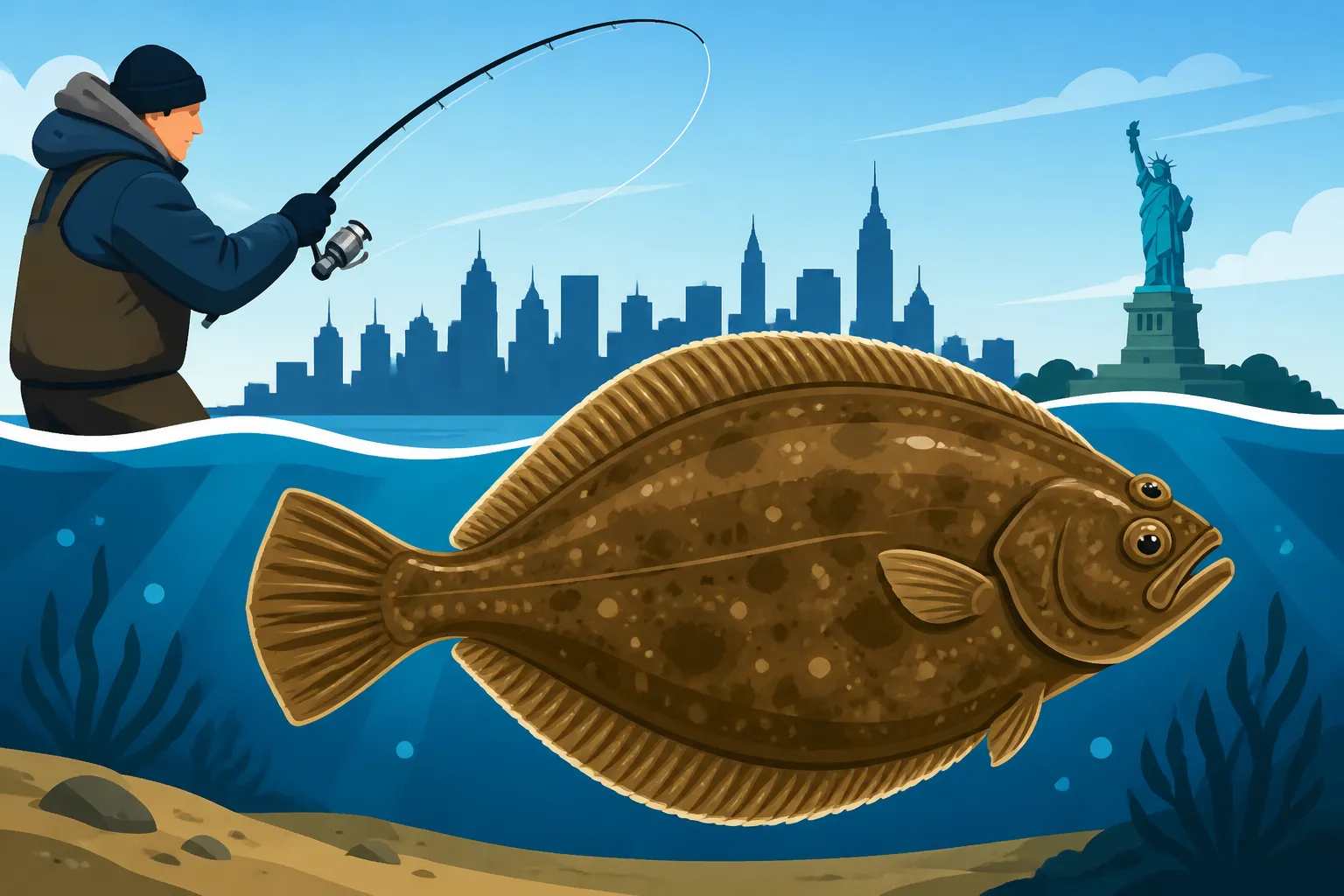
Winter flounder ( Pseudopleuronectes americanus), often affectionately called "blackbacks" due to their darker dorsal side, are a beloved cold-water species for many New York anglers. They're a true sign that spring is around the corner, or that a good fall bite is still lingering. But unlike some of their more aggressive cousins, catching winter flounder requires patience, understanding, and a keen eye for subtle signs. They're not going to jump into your boat, but when you do hook into one, their flaky, white meat makes all the effort worthwhile.
What Exactly is a Winter Flounder?
Winter flounder are fascinating creatures, perfectly adapted for life on the seafloor. They possess a remarkable ability to camouflage themselves, blending seamlessly with sand, mud, or gravel bottoms. Their eyes are located on one side of their head, usually the right, allowing them to effectively scan for prey while lying flat. Typically, these fish range from 12 to 18 inches in length in New York, though larger specimens are certainly caught and can provide a real thrill.
What sets them apart visually from, say, a summer flounder (fluke) or a windowpane flounder, is their overall shape and coloration. Winter flounder are generally thicker-bodied, with a more pronounced arch over their eyes. Their coloring can vary from mottled browns and greens to nearly black, depending on their immediate surroundings, helping them avoid predators and ambush unsuspecting prey. They also have a relatively small mouth compared to the aggressive fluke.
They thrive in colder water, which is why we call them "winter" flounder, although they are certainly caught well into spring and even early summer in deeper, cooler pockets. Their preference for these temperatures dictates their movements throughout the year, making them a specific seasonal target rather than a year-round pursuit in most New York waters. Understanding this temperature preference is key to consistently finding them.
Historical Significance and Current Status
Back in the day, winter flounder were incredibly abundant in New York's coastal waters. Generations of anglers, including my own grandparents, remember heading out to the local bays and reeling in buckets full of these delicious fish. They were a cornerstone of early spring fishing, a tradition that brought families and friends together after a long winter. The sheer number of them meant that even a novice angler could expect a decent haul with simple bait and tackle.
However, like many marine species, winter flounder populations have faced significant challenges over the decades. Habitat loss, coastal development, pollution, and historical overfishing have all contributed to their decline. The vibrant seagrass beds and healthy estuarine environments that once served as crucial nurseries and feeding grounds have diminished in many areas. This means that while they are still present, finding them in numbers akin to the "good old days" often requires more effort and knowledge.
Today, various conservation efforts are in place to help rebuild their stocks. These include strict size and bag limits, and often closed seasons to protect spawning fish. As responsible anglers, it's our duty to understand and adhere to these regulations, ensuring that future generations can also enjoy the unique experience of fishing for winter flounder. We're all in this together, and every fish released responsibly helps.
Where They Live: Key Habitats in New York
Winter flounder are primarily found in the shallow, inshore waters of New York's vast coastline, particularly in bays, estuaries, and protected harbors. They love soft bottoms—think mud, sand, or a mix of both—where they can burrow slightly, ambush prey, and escape notice. They are less common in the open ocean or areas with strong currents and rocky bottoms, preferring the calmer, nutrient-rich environments closer to shore.
One of the most well-known winter flounder hotspots is certainly Long Island Sound. The numerous coves, harbors, and tidal creeks that feed into the Sound provide ideal conditions. Areas around Oyster Bay, Huntington Bay, and Port Jefferson often see good numbers of these fish. Similarly, the extensive bay systems along Long Island's south shore, such as Great South Bay, Moriches Bay, and Shinnecock Bay, are prime winter flounder territory, especially in the early spring as they move into shallower water to feed and spawn.
Even certain parts of New York Harbor and the Lower Hudson River estuaries can hold winter flounder, especially in deeper channels and mud flats. The key is to look for areas with calm, shallow water and a soft bottom, often with some eelgrass or other vegetation nearby, which provides food and cover. These are the nurseries of our marine ecosystems, and understanding their importance is crucial for successful fishing and conservation.
Seasonal Behaviors and Life Cycle
Understanding the annual rhythm of the winter flounder is like unlocking a secret map to their whereabouts. Their entire existence is dictated by water temperature, leading to predictable movements and behaviors throughout the year. Knowing when they spawn, how they migrate, and what they're eating at any given time will drastically improve your chances of a successful outing. It's not just about dropping a line; it's about connecting with the natural world around you.
Spawning Habits and Timing
Winter flounder get their name for a good reason – they spawn during the colder months, typically from late winter to early spring. In New York, this usually means February through April, although exact timing can vary slightly depending on water temperatures. They prefer to lay their eggs in shallow, protected bays and estuaries, often in waters less than 15 feet deep, particularly over soft, muddy or sandy bottoms. These calm, sheltered areas provide the perfect environment for their eggs to develop without being swept away by strong currents.
During this spawning period, adult flounder move into these inshore areas, often congregating in large numbers. The eggs, once laid, are demersal, meaning they sink to the bottom and adhere to the substrate or vegetation, rather than floating in the water column. This attachment provides some protection from predators and strong currents. This critical time is why regulations often include specific closed seasons or areas to protect these vulnerable spawning aggregations, ensuring the next generation of flounder has a fighting chance.
Anglers targeting early-season flounder will often find them in these same spawning grounds. While it's tempting to keep every fish, being mindful of the spawning process and practicing careful New York Catch-and-Release Trout Fishing Rules (principles applicable to all species) with gravid (egg-bearing) females is a crucial part of responsible angling. We want to ensure these fish can complete their life cycle and contribute to healthy populations for years to come.
Migratory Patterns in New York
The migratory patterns of winter flounder are largely driven by water temperature. As fall gives way to winter, these fish typically move from their shallower summer feeding grounds in bays and estuaries out into deeper, slightly warmer offshore waters. This move helps them avoid the coldest inshore temperatures and find more stable conditions. They'll often gather in deeper channels, harbor mouths, or near artificial reefs and wrecks that offer a bit of thermal refuge.
Then, as spring arrives and inshore waters begin to warm up, often hitting that sweet spot between 40 and 50 degrees Fahrenheit, the winter flounder begin their migration back into the shallow bays and estuaries. This is when anglers get excited, as the fish become more accessible from shore and smaller boats. They move in to feed actively after the colder months and, as mentioned, to spawn. This inshore movement usually peaks from late March through May in many parts of New York.
Understanding these seasonal movements is vital. If you're fishing in December, you might need to look for them in different spots or depths than you would in April. Anglers should consult resources like the New York Fishing Season Dates and Catch Limits to understand specific timing and any localized regulations that might affect fishing during these migrations. The shift from deeper to shallower water is a reliable pattern, and experienced anglers pay close attention to water temperature readings.
Diet and Feeding Habits
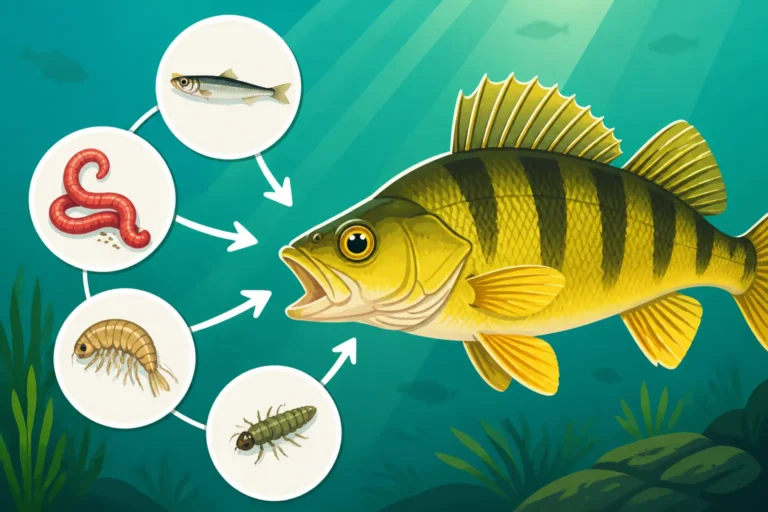
Winter flounder are opportunistic bottom feeders, their diet primarily consisting of small invertebrates found in the mud and sand. Their favorite meals include marine worms (like bloodworms and sandworms), small clams, amphipods, and shrimp. They use their small mouths to suck up these morsels from the substrate, often leaving small depressions in the bottom where they've been foraging. This "vacuum cleaner" approach is why presenting your bait directly on the bottom is so critical.
Juvenile flounder tend to feed on even smaller organisms, such as copepods and tiny crustaceans, often in sheltered eelgrass beds or shallow mudflats. As they grow, their diet expands to include larger prey. This consistent bottom-dwelling diet makes them a relatively easy fish to target once you've found a concentration, as they're not typically chasing fast-moving baitfish like their predatory cousins.
Because they're such bottom-oriented eaters, the type of bait you use is incredibly important. Fresh, natural baits that mimic their usual diet are almost always the most effective. While some synthetic baits can work, there's just something about the smell and taste of a fresh clam or worm that a flounder can't resist. Think like a flounder, and you'll put dinner on the table.
Finding and Catching Winter Flounder
Catching winter flounder is a rite of passage for many New York anglers, signaling the changing seasons and the promise of a productive fishing year. While they might not offer the drag-screaming runs of a striped bass, the delicate tap and gentle pull of a flounder bite are uniquely satisfying. It's a game of patience, precision, and understanding their subtle world. Let's break down how to get these delicious flatfish from the bottom to your cooler.
Best Times and Tides for Success
When it comes to winter flounder, timing is almost everything. The early spring, from late March through May, is typically the prime window in New York. This is when the fish move into shallower, inshore waters to feed aggressively and spawn. Similarly, a good late fall bite can sometimes be found as they begin their migration to deeper waters. During these periods, water temperatures are in their preferred range, stimulating their feeding activity.
Beyond the season, paying attention to the tides is crucial. Flounder are often most active on the incoming tide, especially the last few hours before high tide, and the first hour or two of the outgoing tide. These moving waters stir up the bottom, dislodging worms and crustaceans, making them easier prey for the flounder. Slack tide, when the water movement is minimal, can often be less productive, though not impossible. Look for areas where the current creates a natural drift over a soft bottom.
Many seasoned anglers swear by specific weather patterns too. A few days of warm, sunny weather that helps to slightly raise the inshore water temperatures can really turn on the bite. Overcast days with light winds can also be productive, as it might make them less wary in shallower water. Avoiding days with strong winds or heavy rain is usually a good idea, not just for comfort, but because it can make bait presentation difficult and reduce fish activity.
Essential Gear and Tackle
You don't need highly specialized, expensive gear to catch winter flounder, which is part of their appeal. A medium-light to medium-action spinning rod, about 6 to 7 feet long, paired with a matching spinning reel spooled with 10-15 pound monofilament or braided line, is perfectly adequate. The lighter action helps you feel those subtle flounder bites, which can sometimes feel like just a slight tick or added weight.
For terminal tackle, a standard bottom fishing rig is your best bet. A simple two-hook dropper rig, often called a "flounder rig," is very effective. This typically consists of a main line with two short leaders (6-12 inches) tied off with dropper loops, each ending in a small, sharp hook (size #4 to #8 Kahle or Chestertown style hooks are popular). At the very bottom of the rig, you'll attach a sinker. The weight of the sinker will depend on the current and depth, but usually ranges from 1 to 4 ounces. You can find pre-tied flounder rigs and all sorts of hooks, lines, and sinkers readily available, and a quick search on Amazon will show you the wide variety of options out there.
| Gear Type | Recommendation | Why It Works for Flounder |
|---|---|---|
| Rod | 6-7 ft, Medium-Light to Medium Action Spinning Rod | Sensitive tip to detect subtle bites, enough backbone for sinker. |
| Reel | Matching Spinning Reel (2500-4000 series) | Smooth retrieve, good drag for potential larger fish. |
| Line | 10-15 lb Monofilament or Braided Line | Mono offers stretch for light bites; Braid offers sensitivity. |
| Hooks | #4 to #8 Kahle, Chestertown, or Baitholder Hooks | Small, sharp, ideal for small mouths and soft baits. |
| Sinker | 1-4 oz Pyramid or Bank Sinker | Keeps bait on the bottom, varies with current/depth. |
| Leader | 10-20 lb Fluorocarbon (for dropper loops) | Abrasion resistant, nearly invisible underwater. |
| Accessories | Swivels, Scissors, Pliers, Small Net | Essential for tying rigs, cutting line, handling fish. |
Remember, presentation is key. Ensure your hooks are sharp and your leaders aren't too heavy, allowing the bait to waft naturally in the current.
Top Baits and Lures
For winter flounder, natural bait almost always outperforms artificial lures. They are primarily scavengers and bottom feeders, so they are looking for something that smells and tastes like their natural diet. The undisputed king of winter flounder baits are marine worms. Bloodworms and sandworms are incredibly effective, and often sold by the dozen at local bait and tackle shops. Threading a whole worm or a good section of one onto your small hook, leaving a juicy tail to wiggle, is a classic presentation.
Another highly effective bait is fresh clam. Clam bellies, or pieces of chopped clam, emit a strong scent trail that flounder find irresistible. You can buy shucked clam at bait shops or even some seafood markets. Just be sure to cut it into small, hook-sized pieces that are easy for flounder to mouth. Chumming with finely chopped clam can also be a game-changer, drawing fish in from a wider area. More on that in a moment!
While not as common, small pieces of squid or even synthetic baits designed to mimic worms or shrimp can sometimes entice a bite, especially if tipped with a small piece of clam or worm for added scent. Some anglers also experiment with small, brightly colored beads or spinners just above the hook, believing the flash or color can draw attention to the bait. Regardless of your choice, ensure the bait is fresh and presented neatly on the hook.
Effective Fishing Techniques
The most effective technique for catching winter flounder is bottom fishing, often combined with a good chumming strategy. Once you've anchored your boat (or found a good spot from shore), your goal is to get your baited rig directly to the bottom and keep it there. Cast your rig out a reasonable distance and let it sink. Once it hits the bottom, retrieve just enough slack to feel the weight of your sinker, but don't lift it off the bottom.
Chumming is absolutely critical for consistent success with winter flounder. Finely ground frozen clam chum, often available in blocks at bait shops, works wonders. You can place it in a mesh bag and hang it over the side of the boat, allowing the current to slowly disperse the scent trail. This scent plume attracts flounder from a wide area, drawing them right to your fishing spot. Some anglers even use perforated coffee cans filled with clam chum, slowly lowering them to the bottom to concentrate the scent. Again, for finding good chum bags or even clam logs, checking Amazon can give you a starting point.
Patience is a virtue when flounder fishing. Bites can be very subtle – a slight hesitation, a gentle tap, or simply a feeling of increased weight on your line. Don't set the hook aggressively at the first sign. Instead, lift your rod tip gently, taking up any slack, and if you feel continued pressure or a second tap, then set the hook with a smooth, upward motion. Sometimes, a gentle jigging motion—lifting and dropping your rod tip a few inches—can also entice a hesitant flounder to strike. Remember, flounder often "mouth" the bait before fully committing.
Key Fishing Locations for Winter Flounder in New York
New York's extensive coastline offers a plethora of opportunities for winter flounder anglers, but knowing where to drop your line can make all the difference. These flatfish have specific preferences, and targeting the right kind of bottom in the right body of water during the optimal season is paramount. From busy harbors to quiet estuaries, there's a winter flounder haven waiting for you.
Long Island Sound Hotspots
Long Island Sound is arguably one of the most consistent and productive bodies of water for winter flounder in New York. Its numerous sheltered bays, coves, and river mouths provide the ideal soft bottom, calmer currents, and abundant food sources that these fish crave. Anglers often find success in the deeper channels that run through these bays, especially during the colder parts of their season, and then moving into shallower mudflats as the water warms.
Specific hotspots worth exploring include the protected waters of Oyster Bay, where flounder often congregate in the early spring. Huntington Bay and Northport Bay also offer excellent opportunities, particularly around the many mooring fields and deeper mud pockets. Further east, Port Jefferson Harbor and the various embayments around it are known to produce good catches. Public access points and municipal docks in these areas can provide convenient shore fishing opportunities, but a boat often allows access to more pristine and less pressured grounds. When fishing these areas, remember that the New York Recreational Marine Fishing Registry is a requirement for most marine anglers.
The key to success in Long Island Sound is to scout for soft, muddy or sandy bottoms, often indicated by shallower depths on your charts. Pay attention to changes in depth and current, as flounder will often stage along channel edges or in the lee of points where food is swept to them. These areas, particularly where you find healthy patches of eelgrass, provide both food and cover, making them irresistible to hungry flounder.
South Shore Bays and Estuaries
Moving to the south side of Long Island, a vast network of bays and estuaries provides another fantastic arena for winter flounder fishing. These shallow, often productive waters warm up quickly in the spring, drawing flounder in from the deeper ocean. Great South Bay, with its immense size and countless channels, creeks, and flats, is a prime example. The areas around the inlets, where new water flows in, can be particularly productive as bait is carried directly to the fish.
Further east, Moriches Bay and Shinnecock Bay are also excellent choices. These bays, being somewhat smaller and often shallower, can be fantastic for early-season flounder, as they warm faster than the open ocean or deeper parts of Long Island Sound. Access can be found via numerous public boat ramps, town docks, and even some dedicated fishing piers. Exploring the mouths of tidal creeks that feed into these bays can also yield good results, especially on an incoming tide. Best Shore Fishing Spots on Long Island, New York can often include these prime bay locations.
When fishing these south shore bays, remember that depths are often quite shallow. You might only be fishing in 5-15 feet of water, so lighter sinker weights are generally sufficient. The sheer amount of soft bottom in these bays means that flounder have plenty of places to hide, so covering ground by slowly drifting (if conditions allow) or targeting known depressions and channels can be very effective.
Lesser-Known Productive Areas
While the major bays and sounds get most of the attention, New York offers several other excellent, albeit sometimes less-talked-about, locations for winter flounder. The North Fork of Long Island, including the waters of Peconic Bay and Gardiners Bay, can be incredibly productive. These areas have a unique mix of sandy beaches, deeper channels, and productive mudflats, making them ideal flounder habitat. The calmer waters here also provide a more comfortable fishing experience on windier days.
Smaller tidal creeks and rivers, even those that might seem insignificant, can also hold surprising numbers of winter flounder, especially during the spring spawning run. These include various tidal estuaries feeding into both Long Island Sound and the Great South Bay. Anglers willing to explore with a kayak or a smaller boat might discover untouched honey holes in these narrow, protected waterways.
Even in parts of the Lower Hudson River, where brackish water meets saltwater, specific pockets of soft bottom can hold flounder, particularly in early spring. These locations require a bit more local knowledge, but the reward can be a less crowded fishing experience. Always remember to check New York Fishing Regulations Explained for any specific rules that might apply to these unique, often localized, water bodies, as regulations can sometimes differ based on the specific location or management zone.
Regulations and Conservation for Winter Flounder
As passionate anglers, we all share a responsibility to protect the resources we cherish. Winter flounder populations, while showing signs of recovery in some areas, remain under careful management in New York. Understanding and adhering to the regulations isn't just about avoiding a fine; it's about ensuring that these beloved flatfish continue to thrive for future generations of anglers. It's a small price to pay for the joy they bring to our fishing seasons.
New York State Regulations Overview
Navigating fishing regulations can sometimes feel like solving a puzzle, but it's vital for sustainable angling. For winter flounder in New York, you'll need to be aware of specific size limits, bag limits (how many fish you can keep), and open seasons. These regulations are set by the New York State Department of Environmental Conservation (DEC) and are designed to protect the breeding stock and allow fish to reach maturity.
Typically, there's a minimum size limit, meaning any flounder caught below that length must be immediately and carefully released. There's also a daily creel limit, specifying the maximum number of legal-sized flounder an individual angler can keep per day. Seasons are also strictly defined, often with specific opening and closing dates to protect spawning fish or juvenile populations. It's crucial to consult the most current New York Fishing Regulations Explained or the official New York DEC marine fishing guide before every trip, as these rules can change from year to year based on stock assessments and management goals. For most marine species, anglers also need to be registered with the New York Recreational Marine Fishing Registry, even if it's free, so make sure you've taken care of that too.
Failing to comply with these regulations can result in hefty fines and even loss of fishing privileges. More importantly, it undermines the collective effort to conserve fish stocks. Always measure your fish carefully, and if there's any doubt about its size or species, it's best to release it.
Importance of Catch and Release
While winter flounder are delicious table fare, practicing catch and release, especially for larger breeding females, is incredibly important for their conservation. Every large female that is successfully released has the potential to produce hundreds of thousands of eggs, contributing significantly to future fish populations. It's about thinking beyond tonight's dinner and towards the long-term health of the fishery.
When practicing catch and release with flounder, handle them gently. They are delicate fish, and rough handling can cause serious injury. Try to keep the fish in the water as much as possible while removing the hook. If you must bring them into the boat, use a wet hand to support their body, being especially careful not to damage their fins or remove their protective slime layer. Barbless hooks can also make hook removal much easier and reduce damage.
If a fish has swallowed the hook deeply, it's often best to cut the line as close to the hook as possible rather than trying to aggressively dig it out. This often gives the fish a better chance of survival. Releasing a fish properly ensures it can swim away strong and contribute to the ecosystem, which is a true mark of a responsible angler.
The Future of Winter Flounder Fishing
The future of winter flounder fishing in New York, and indeed along much of the East Coast, hinges on continued conservation efforts and responsible angling practices. While populations have experienced declines, there are glimmers of hope in certain areas thanks to management strategies and habitat restoration projects. We, as the fishing community, play a vital role in this recovery.
This means not just following the rules, but being advocates for healthy marine environments. It involves supporting initiatives that protect vital habitats like eelgrass beds, reduce pollution, and promote sustainable fishing practices. It also means educating newer anglers about the importance of conservation and sharing the knowledge we've gained.
The joy of catching a mess of winter flounder is a cherished tradition in New York. By understanding their biology, respecting their seasons, and practicing thoughtful angling, we can all contribute to a future where these unique flatfish continue to thrive, providing delicious meals and fond memories for generations to come. It's about protecting more than just a fish; it's about protecting a legacy.
Disclaimer
This article is for general informational purposes only and does not constitute professional advice. Laws, prices and regulations vary by location and change over time. Consult a qualified professional for guidance on your specific situation.