Fish Species Found in Long Island Sound
If you've ever stood on the shores of Long Island Sound, gazing out at the shimmering expanse where the ocean meets a rich estuary, you've probably wondered what incredible creatures lurk beneath the surface. It’s a truly unique body of water, offering anglers a fantastic variety of fishing experiences, but knowing what fish you're likely to encounter, and what makes them tick, is key to a successful and enjoyable day. This guide is all about pulling back the curtain on the amazing fish species that call Long Island Sound home, helping you understand their world and how to better connect with them.
The Unique Ecosystem of Long Island Sound for Fish Species
Long Island Sound is far more than just a large body of water; it's a vibrant, dynamic estuary, a melting pot where freshwater from numerous rivers and streams mixes with the salty Atlantic. This blend creates an incredibly diverse environment that supports a wide array of marine life, making it a prime fishing destination for anglers across New York and beyond. Understanding this unique ecosystem is the first step to truly appreciating the fish that thrive here.
A Dynamic Environment: The Blend of Fresh and Salt
Imagine a vast nursery, constantly replenished and ever-changing. That's Long Island Sound. The continuous influx of freshwater from rivers like the Connecticut and Housatonic, combined with the twice-daily tidal exchange with the Atlantic Ocean, creates a salinity gradient that varies significantly from the eastern, saltier end to the western, more brackish reaches. This gradient means certain fish species prefer specific areas, adapting to the water's salt content. For example, some species might prefer the lower salinity areas further west, while others thrive in the full oceanic saltiness near Montauk.
Beyond salinity, the Sound boasts a stunning variety of habitats. You'll find everything from deep, rocky ledges and boulder fields that offer shelter and ambush points, to vast sandy flats where flounder can disappear into the bottom. There are also extensive tidal marshes and mudflats, crucial nurseries for juvenile fish and abundant feeding grounds for many species. This mosaic of environments ensures that whether a fish prefers to graze on algae, hunt baitfish, or pick crabs off rocks, there's a perfect spot for it within the Sound. The diverse bottom structure provides ample hiding spots for prey and perfect hunting grounds for predators, creating a complex food web that supports a healthy fishery.
Impact of Water Depth and Structure
The varying depths and underwater structures of Long Island Sound are critical in dictating where different fish species reside and feed. From the shallow, sun-drenched coves that warm up quickly in spring, drawing in baitfish and their predators, to the deeper, cooler channels that provide refuge in summer and overwintering grounds, every contour plays a role. Think of a deep channel near a tidal rip: the moving water concentrates bait, attracting larger predatory fish that lie in wait.
Rocky reefs, submerged boulders, and artificial structures like bridge pilings or wrecks act as magnets for fish. These structures provide protection from currents, ambush points for predators, and a substrate for marine growth that attracts smaller organisms, which in turn feed larger fish. Many species, like blackfish, are intrinsically tied to these hard-bottom environments, relying on them for food and shelter. Even seemingly uniform sandy bottoms have subtle changes in elevation or patches of eelgrass that can concentrate bait and attract fish like fluke. Anglers who take the time to study nautical charts and understand these structural nuances often find themselves on more productive fishing grounds, as knowing the "neighborhood" helps you predict who might be home. Before you head out, stocking up on your favorite lures and tackle from a place like Amazon can ensure you're ready for whatever structure you encounter.
Popular Game Fish Species You'll Encounter
Long Island Sound is a true angler's paradise, renowned for its excellent opportunities to hook into some truly thrilling game fish. These are the species that often draw crowds, inspire countless stories, and provide that unforgettable fight on the end of your line.
Striped Bass: The Coveted Challenger
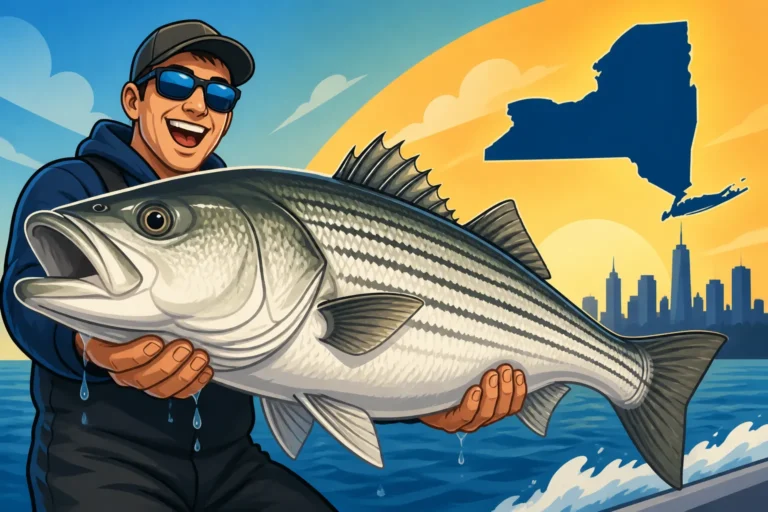
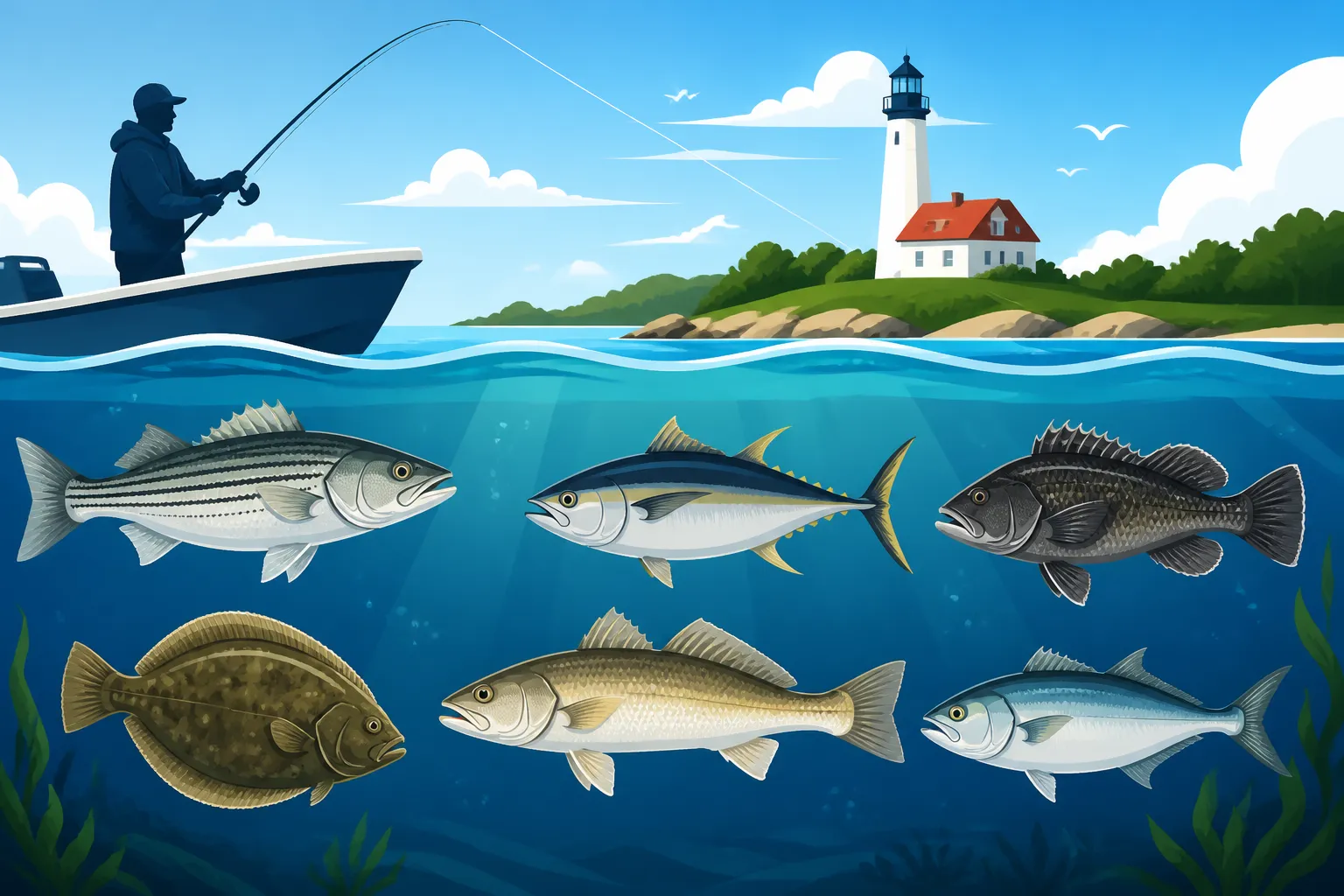
Ah, the striped bass. If there's one fish that defines saltwater fishing in New York, it's the "striper." These magnificent fish are revered for their strength, cunning, and sheer beauty. They are migratory, moving into Long Island Sound in the spring as waters warm, following baitfish schools, and remaining through the summer and fall before heading south for winter. Anglers target them in a myriad of ways, from casting large plugs and soft plastics from shore, especially during dawn and dusk, to trolling or live-lining bait from boats in deeper channels and rips.
Stripers are opportunistic feeders, preying on whatever baitfish are abundant, be it bunker (menhaden), spearing, or eels. They love to patrol structures like rocky points, jetties, and mussel beds, using current breaks to ambush unsuspecting prey. Landing a trophy striped bass is a rite of passage for many anglers, and their powerful runs and head shakes make every encounter memorable. Striped Bass in New York are a true icon of our waters, providing endless excitement.
Bluefish: The Fierce Fighters
If stripers are the cunning tacticians, bluefish are the unruly brawlers of the Sound. Known for their voracious appetites, razor-sharp teeth, and aggressive fighting style, bluefish offer an electrifying angling experience. They typically arrive in the Sound in late spring, following the warming waters and baitfish schools, and can be found throughout the summer and into the fall. These schooling predators often chase bait to the surface, creating chaotic feeding frenzies that are visible from a distance – a sure sign that the "choppers" are around.
Bluefish are not shy; they hit lures and baits with incredible force, often biting through lighter leaders. Many anglers choose heavier mono or even wire leaders when targeting them directly. They're often found in the same areas as striped bass, especially around tidal rips, rocky structures, and bait schools. While their table fare can be divisive, a fresh bluefish grilled quickly is a treat, and there's no denying the thrill of tangling with one. Bluefish in Long Island Sound provide a fight that few other fish can match.
Fluke (Summer Flounder): Masters of Camouflage
The fluke, also known as summer flounder, is a beloved bottom-dwelling game fish in Long Island Sound. These fascinating flatfish are masters of camouflage, capable of changing their skin coloration to match the sandy or muddy bottoms where they lie in wait for prey. They arrive in the Sound in late spring and stay through the warmer months, providing excellent fishing opportunities. Fluke are ambush predators, feeding on small baitfish, squid, and crustaceans that swim or drift too close to their hidden position.
Anglers primarily target fluke by drifting over sandy or muddy bottoms, often using a "fluke rig" with bait (like spearing or squid strips) or soft plastics. The key is to keep your bait moving along the bottom, mimicking a wounded baitfish or a struggling crustacean. The subtle tap-tap of a fluke bite, followed by a solid hookset and a determined pull, is a unique thrill. They are also highly prized as table fare, offering delicate, flaky white meat. For your next fluke trip, make sure you have a variety of bucktails and Gulp! baits, which you can easily find on Amazon. Fluke in New York Waters are a true culinary delight and a fun fish to catch.
Tautog (Blackfish): Rocky Bottom Dwellers
For those who love a challenge and don't mind fishing in some tricky spots, the tautog, or blackfish, is the ultimate quarry. These hardy fish are synonymous with structure fishing, preferring rocky bottoms, mussel beds, wrecks, and jetties. They are present in Long Island Sound year-round, though specific seasons and regulations often dictate when they can be harvested. Tautog are primarily mollusk and crustacean eaters, using their powerful jaws and teeth to crush shells.
Targeting blackfish requires specialized techniques. Anglers typically "jig" for them directly over structure, using green crabs or Asian crabs as bait. The bite can be incredibly subtle, often just a gentle tug, followed by an immediate, powerful dive back into the rocks. This makes them notorious for breaking off lines, demanding quick reflexes and stout tackle. Catching a limit of legal-sized tautog is a testament to an angler's skill and patience, and they are considered among the finest eating fish the Sound has to offer. For serious bottom anglers, Tautog Blackfish in New York are a prized catch.
Scup (Porgy): Abundant and Fun
Scup, more commonly known as porgies, are a fantastic entry point for new anglers and a reliable catch for seasoned veterans in Long Island Sound. These abundant schooling fish are found over various bottom types, though they particularly favor rocky areas, mussel beds, and shell bottoms where they can feed on a diet of small invertebrates, crustaceans, and worms. Porgies are active biters and can provide fast-paced action, making them a popular target, especially for family outings.
Porgies are typically targeted with small hooks and light tackle, often using pieces of clam, squid, or sandworms as bait. A simple bottom rig, sometimes called a "porgy rig," is all you need. They are known for their enthusiastic bites and a surprisingly strong fight for their size, especially when caught in decent numbers. Beyond the fun of catching them, porgies are excellent eating, offering firm, white meat perfect for frying or baking. When you're looking for a relaxed day on the water with plenty of action, Porgy (Scup) in New York are an excellent choice.
Other Notable Species and Their Roles
Beyond the well-known game fish, Long Island Sound is home to a fascinating supporting cast of species, each playing a vital role in the ecosystem and offering unique opportunities for anglers willing to explore.
Winter Flounder: The Early Spring Delicacy
While summer flounder (fluke) get a lot of attention, their cousin, the winter flounder, is a cherished early spring catch in Long Island Sound. These flatfish prefer colder water and migrate into shallower bays and estuaries as ice recedes, often as early as March and April, to spawn. They prefer soft, muddy bottoms where they can blend in perfectly, feeding on marine worms, small clams, and crustaceans. Their presence is a welcome sign that the fishing season is truly beginning after the long winter.
Anglers typically target winter flounder by still-fishing on anchor over mud flats, often using small pieces of sandworm or clam on a two-hook "flounder rig." The bite can be incredibly subtle, sometimes just a slight twitch of the rod tip, requiring patience and a delicate touch. While not as large as fluke, their delicate, sweet white meat is highly prized by many anglers. Conservation efforts have been critical for this species, and Winter Flounder in New York fishing remains a tradition for many.
Weakfish: The "Sea Trout" of the Sound
Weakfish, sometimes affectionately called "sea trout" due to their iridescent, speckled appearance and delicate flesh, are a beautiful and often elusive species found in Long Island Sound. Their populations have fluctuated over the years, making them a somewhat enigmatic target, but when they're present in good numbers, they offer fantastic light-tackle action. Weakfish are predatory, feeding primarily on squid, small baitfish like spearing and silversides, and shrimp.
They often inhabit deeper channels, sandy areas near structures, and estuary mouths. Anglers typically target them with soft plastic jigs (often pink or chartreuse are favorites), small bucktails, or by drifting live bait like spearing or grass shrimp. The fight of a weakfish is characterized by a series of head shakes and short, strong runs, and their soft mouths require a gentle touch to avoid tearing the hook out. Their vibrant colors and delicious, flaky meat make them a truly special catch for those fortunate enough to find them. Weakfish in New York are a beautiful testament to the Sound's diversity.
Various Panfish and Baitfish
Long Island Sound isn't just about big game fish; it's also teeming with smaller, but equally important, species. Panfish like sunfish and smaller scup, along with various baitfish, form the foundation of the Sound's food chain. Juvenile snapper blues (small bluefish) are incredibly popular targets for kids, providing fast action on light tackle, often chasing small metal lures or bait under docks and along shorelines. These smaller species introduce countless new anglers to the joys of fishing.
Beyond providing sport, these baitfish are the lifeblood of the Sound. Species like Atlantic silversides, spearing, and juvenile menhaden (bunker) move in massive schools, becoming primary food sources for larger predators like striped bass and bluefish. Understanding where and when these baitfish are present is key to locating the larger game fish. Even tiny mummichogs and killifish in the shallow marsh grass contribute to the complex ecosystem, serving as food for birds and larger fish alike. For more on these smaller species, check out Panfish and Sunfish Limits in New York.
Less Common but Present
While not primary targets for most anglers, Long Island Sound can surprise you with a few less common, but certainly present, species. Occasionally, anglers fishing deeper rocky areas might encounter black sea bass, especially towards the eastern, saltier reaches of the Sound. These tasty fish are also structure-oriented and provide a strong fight. Conger eels, formidable and powerful creatures, also inhabit deeper wrecks and rocky crevices, though they are rarely targeted intentionally by recreational anglers.
Even more rarely, larger pelagic species can make their way into the Sound, particularly during warmer months. While not a regular occurrence, there have been sightings and even incidental catches of smaller shark species, though these are typically not what anglers are actively pursuing. The sheer size and interconnectedness of Long Island Sound with the Atlantic Ocean means that you never quite know what might show up, adding an exciting element of surprise to every fishing trip.
Understanding Fishing Regulations for Long Island Sound Species
Fishing in Long Island Sound is an incredible privilege, and with that comes the responsibility to understand and abide by the regulations designed to protect these precious fish populations. Ignoring these rules isn't just illegal; it actively harms the very resources we cherish.
Why Regulations Matter
Regulations might seem like an inconvenience sometimes, but they are the bedrock of sustainable fishing. They ensure that fish populations remain healthy, allowing future generations to enjoy the same fantastic fishing opportunities we have today. Without limits on size, quantity, and specific seasons, even the most robust fish stocks could be quickly depleted. These rules are based on scientific research and population assessments, aiming to balance recreational and commercial fishing with the long-term health of each species.
Think of it as farming; you wouldn't harvest all your crops at once, or take the smallest, immature plants before they've had a chance to grow and reproduce. Fishing regulations work similarly, protecting spawning stocks, allowing fish to grow to a reproductive age, and ensuring enough fish remain to keep the ecosystem thriving. They are a collective effort to manage a shared resource, and every angler plays a part in that stewardship.
Key Regulations to Know
When you're heading out to fish Long Island Sound, it's absolutely crucial to familiarize yourself with the current regulations for the species you intend to target. These generally cover three main areas: minimum size limits, daily possession (bag) limits, and open/closed seasons. Minimum size limits ensure that fish have a chance to grow and spawn at least once before being harvested. Bag limits help prevent overharvesting by individuals. Seasonal closures protect fish during critical spawning periods or when populations are particularly vulnerable.
For instance, New York Fishing Regulations Explained provides a comprehensive overview, but always double-check the latest guide. Regulations can and do change, sometimes annually, so relying on old information is a recipe for trouble. You'll find different rules for striped bass than you will for bluefish or fluke, and often specific regulations based on whether you're fishing in state waters or federal waters, although most recreational fishing in the Sound falls under state jurisdiction. It's your responsibility to know the rules before your line hits the water.
Marine Fishing Registry
One particularly important regulation for saltwater anglers in New York, including those fishing Long Island Sound, is the requirement to register with the New York State Recreational Marine Fishing Registry. This isn't a license you pay for, but a free annual registration that allows the state to better track participation and gather crucial data for managing marine fisheries.
It's a quick and simple process, usually done online, and it's mandatory for anyone 16 years of age or older who plans to fish, crab, or take marine fish from New York's marine waters or tidal tributaries, even if you’re fishing from a private boat or from shore. There are a few exemptions, such as those on a licensed charter boat, but it's always best to register to be safe. You can usually sign up online, and it's important to remember that it's an annual registration. So, for those wondering, Is the Marine Fishing Registry Really Free?, the answer is yes, but it is mandatory. Make sure your registration is current before you head out!
Long Island Sound Species Snapshot
To give you a quick overview of some of the incredible species you'll find thriving in Long Island Sound, here's a handy table. Remember, these are general characteristics, and individual fish can vary!
| Fish Species | Common Diet | Preferred Habitat | Avg. Adult Size (Approx.) | Best Time to Target |
|---|---|---|---|---|
| Striped Bass | Baitfish (bunker, spearing, eels), squid, crustaceans | Rocky points, tidal rips, estuaries, sandy flats | 18-40 inches | Spring, Summer, Fall (dawn/dusk) |
| Bluefish | Baitfish (mackerel, bunker, spearing), squid | Open water, tidal rips, near bait schools | 15-30 inches | Summer, Early Fall |
| Fluke (Summer Flounder) | Small baitfish, squid, crabs, shrimp | Sandy or muddy bottoms, channels, near structures | 15-25 inches | Summer, Early Fall |
| Tautog (Blackfish) | Crabs, mussels, clams, worms | Rocky bottoms, wrecks, jetties, mussel beds | 14-25 inches | Spring, Late Fall (seasonal) |
| Scup (Porgy) | Small crustaceans, worms, mollusks | Rocky bottoms, shell beds, sandy flats | 8-15 inches | Summer, Early Fall |
| Winter Flounder | Marine worms, small clams, crustaceans | Soft, muddy bottoms in shallow bays | 10-18 inches | Early Spring |
| Weakfish | Squid, baitfish (spearing), shrimp | Deeper channels, sandy areas near structures, estuaries | 15-25 inches | Summer, Early Fall |
Long Island Sound truly is a treasure trove for anglers, brimming with a diverse and exciting array of fish species. From the powerful runs of a striped bass to the subtle bite of a winter flounder, and the aggressive chop of a bluefish, there's always something new to experience. By understanding the unique ecosystem, knowing what species to expect, and respecting the regulations, you're not just casting a line; you're connecting with a vibrant natural world. So grab your gear, perhaps after browsing the latest tackle options on Amazon, and get out there to explore the incredible fishing opportunities that await in Long Island Sound!
Disclaimer
This article is for general informational purposes only and does not constitute professional advice. Laws, prices and regulations vary by location and change over time. Consult a qualified professional for guidance on your specific situation.