When Do Striped Bass Run Up New York’s Hudson River?
If you've ever found yourself staring at the murky waters of the Hudson, wondering if today's the day the striped bass will show up in force, you're not alone. The Hudson River striped bass run is legendary, drawing anglers from all over, but pinpointing exactly when these magnificent fish make their journey can feel like trying to catch smoke. This guide is here to demystify the timing of the annual striped bass migration up New York's Hudson River, helping you plan your trips for the best possible chance of hooking into some incredible action.
Understanding the Hudson River Striped Bass Migration Cycle
The striped bass (Morone saxatilis), often affectionately called "stripers" or "rockfish," are anadromous fish, meaning they spend most of their lives in saltwater but migrate into freshwater rivers to spawn. The Hudson River isn't just a spawning ground; it's one of the most vital striped bass spawning rivers on the entire Atlantic coast. This annual pilgrimage is a true marvel of nature, and understanding its rhythm is key to successful angling.
These fish are incredibly resilient and have adapted to a wide range of conditions, making them a formidable and exciting target. Their life cycle dictates their movements, and the Hudson River provides the perfect blend of saline and freshwater environments to support their reproductive needs and growth. From the time they're hatched in the freshwater nurseries of the Hudson, they eventually make their way out to the ocean, only to return years later, often to the very same river system, to continue the cycle.
The Allure of the Hudson River Striper Run
There's something truly special about the striped bass run on the Hudson. It's not just about catching fish; it's about being part of a natural spectacle. Imagine the excitement: thousands, sometimes millions, of large, powerful fish pushing upriver, driven by an ancient instinct to reproduce. For anglers, this means a unique opportunity to target impressive fish that might otherwise be out in the vastness of the ocean.
Many local communities along the Hudson River embrace this season, with bait shops bustling, guides booking up months in advance, and a palpable sense of anticipation in the air. It's a rite of passage for many New York anglers, a chance to connect with a living legacy. The Hudson River, once heavily polluted, has seen remarkable improvements in water quality, making it a thriving ecosystem for these incredible fish, and allowing this annual migration to continue with vigor. This natural comeback story only adds to the allure, reminding us of the importance of conservation.
Environmental Triggers for Migration
Striped bass aren't just swimming aimlessly; their migration is carefully orchestrated by environmental cues. The most critical factor is water temperature. As spring approaches, rising water temperatures act like a siren call, signaling to the stripers that it's time to move into their spawning grounds. They seek out specific temperature ranges that are ideal for their eggs and fry to develop.
Additionally, increased river flow from spring snowmelt and rains can also play a role, making the journey upstream easier and helping to disperse nutrients and create favorable conditions for spawning. Photoperiod, or the changing length of daylight, also contributes to their biological clock, nudging them towards their spring journey. These combined factors create a perfect storm that propels the stripers into the Hudson, initiating one of the most anticipated fishing events of the year.
Peak Timing for the Hudson River Striped Bass Run
While the general window for the striped bass run on the Hudson extends from early spring through late fall, there are distinct peak periods driven by different motivations: the spring spawning run and the fall feeding frenzy. Each offers a unique angling experience and a different set of challenges and rewards.
Spring Migration: The Spawning Run
This is arguably the most famous and anticipated event for Hudson River striped bass anglers. The spring run typically kicks off in April and can extend through May, sometimes even into early June, depending on weather and water conditions. This is when the mature striped bass, some weighing upwards of 50 pounds, migrate from the Atlantic Ocean into the brackish and freshwater sections of the Hudson River to spawn.
The earliest arrivals are often the larger "cow" stripers, followed by a surge of males and smaller females. They push deep into the river, often reaching areas north of the Tappan Zee Bridge, with prime spawning grounds found in the freshwaters around places like Newburgh, Kingston, and even as far north as Albany. For those targeting these big, powerful fish, this is the window to pay close attention to. You'll find anglers targeting them from shore, in boats, and with fishing charters. For a deeper dive into the spring action, check out our guide on how to fish for striped bass in the spring run.
During this period, the fish are primarily focused on reproduction, but they still need to eat. Understanding their behavior during the spawn is crucial. They're often less aggressive biters compared to their fall counterparts, but when they do hit, it's usually with a purpose.
Fall Migration: The Feeding Frenzy
While the spring run gets a lot of attention, the fall migration is another fantastic opportunity for Hudson River striped bass fishing, often providing more aggressive and consistent action. Starting typically in September and running through November, and sometimes even into early December if temperatures remain mild, this is when the stripers begin their journey back to the ocean.
Unlike the spring run, which is all about spawning, the fall run is driven by one thing: feeding. These fish are gorging themselves, building up fat reserves for the winter ahead. They follow huge schools of baitfish—like Atlantic menhaden (bunker), herring, and anchovies—downriver, creating spectacular feeding frenzies. You'll often see birds diving and baitfish showering out of the water, a sure sign that stripers are on the prowl beneath.
This time of year often offers more consistent action and a wider range of techniques, from throwing topwater lures to live-lining bunker. The fish are actively hunting, making them more willing to strike a variety of presentations. The excitement of a fall blitz on the Hudson is something every angler should experience! You can learn more about the overall season in our guide to Striped Bass Season on the Hudson Runs April Through November.
Factors Influencing Striped Bass Run Timing
While we've given you a general timeframe, remember that nature doesn't operate on a strict calendar. Several factors can shift the timing and intensity of the Hudson River striped bass run from year to year. Being aware of these variables will make you a more adaptable and successful angler.
Water Temperature and Flow
As mentioned, water temperature is the primary driver. For the spring spawning run, stripers typically start moving into the river when temperatures consistently hit the mid-40s Fahrenheit (around 7-8°C) and peak when temperatures are in the high 50s to low 60s Fahrenheit (around 14-17°C). Too cold, and they'll hold back; too warm, and they might move through faster. You can often track these temperatures through online resources or local bait shops.
River flow, influenced by rainfall and snowmelt, also plays a significant role. High, fast-moving water can make fishing challenging, dispersing fish and making it harder for them to hold in feeding lanes. Conversely, stable water levels and moderate flow are often ideal, as fish can settle into predictable patterns. A sudden cold snap or a prolonged period of heavy rain can definitely impact the bite.
Tidal Patterns and Moon Phases
The Hudson River is a tidal estuary, meaning its water levels and currents are significantly influenced by the ocean's tides, even far upstream. Striped bass often use these tides to their advantage, moving with the currents to conserve energy while migrating or feeding. Understanding the best tides for striped bass fishing on New York's Long Island Sound can offer some transferable insights to the Hudson.
Many anglers find that certain stages of the tide, like the incoming or outgoing tide, produce better results, as fish position themselves to ambush bait being swept along. The new and full moon phases, which create stronger tidal currents, can sometimes concentrate bait and, in turn, stripers, leading to more intense feeding windows. Paying attention to local tide charts is just as important as knowing the general season.
Baitfish Availability and Movement
"Find the bait, find the fish" is an age-old angling adage, and it holds particularly true for striped bass. Both spring and fall runs are heavily influenced by the presence of their primary food sources. In the spring, herring and alewives are key, as are other smaller baitfish. As the season progresses into fall, large schools of Atlantic menhaden, or "bunker," become a major draw.
If baitfish are abundant and concentrated, the stripers will be right there with them. Conversely, if bait is scarce or dispersed, the stripers might be harder to locate or less aggressive. Keeping an eye on reports of baitfish movements, either through local fishing forums or by simply observing the water for signs of activity (like bird plays or splashing), can give you a significant advantage. Learning what striped bass eat in the Hudson River can help you choose the most effective presentations.
Gear Up for the Hudson River Striper Run
Being prepared with the right tackle can make all the difference when targeting these powerful fish. Whether you're a seasoned pro or new to the Hudson, having appropriate rods, reels, lines, and terminal tackle is crucial for both success and the ethical handling of your catch.
Essential Tackle for Hudson River Stripers
For most Hudson River striped bass fishing, you'll want a medium-heavy to heavy action spinning or baitcasting rod, typically in the 7 to 9-foot range. This length provides good casting distance from shore and enough leverage to fight strong fish from a boat. Pair it with a sturdy reel in the 4000 to 6000 size class for spinning reels, or a comparable conventional reel, capable of holding 200-300 yards of line.
- Line: Braided line in the 30-50 pound test range is highly recommended for its sensitivity and strength. You'll want to add a fluorocarbon leader of 30-50 pound test, usually 3-5 feet long, which offers abrasion resistance and stealth.
- Hooks: When fishing with bait, circle hooks are often required by regulation for striped bass, especially in certain seasons or areas, as they significantly reduce gut-hooking and improve fish survival rates. Always check the latest New York fishing regulations for specific requirements, including the important Striped Bass Circle Hook Requirement.
- Weights: Depending on the current and depth, you might need a range of weights from 1/2 ounce up to several ounces. Keep a variety of sinker styles on hand, such as pyramid, egg, or bank sinkers.
Many anglers opt for popular brands known for durability. For instance, you can find a wide array of reliable fishing gear on Amazon, from rods and reels to all the small terminal tackle components you'll need. Don't skimp on quality, especially when battling a strong Hudson River striper.
Recommended Baits and Lures
Choosing the right bait or lure can depend heavily on the season, water conditions, and what the fish are actively feeding on. Variety is your friend.
Live Bait:
- Bunker (Atlantic Menhaden): This is king, especially during the fall run. Live-lining bunker is one of the most effective ways to catch large stripers.
- Herring/Alewives: Important baitfish in the spring.
- Eels: Another highly effective live bait, particularly for larger fish at night.
- Bloodworms/Sandworms: Excellent for catching smaller "schoolie" stripers in the spring.
Check out our guide on the Best Live Bait for New York's Hudson River Striped Bass for more detailed recommendations.
Cut Bait:
- Cut Bunker: Chunks of fresh bunker can be deadly, especially when fished on the bottom in strong currents.
Artificial Lures:
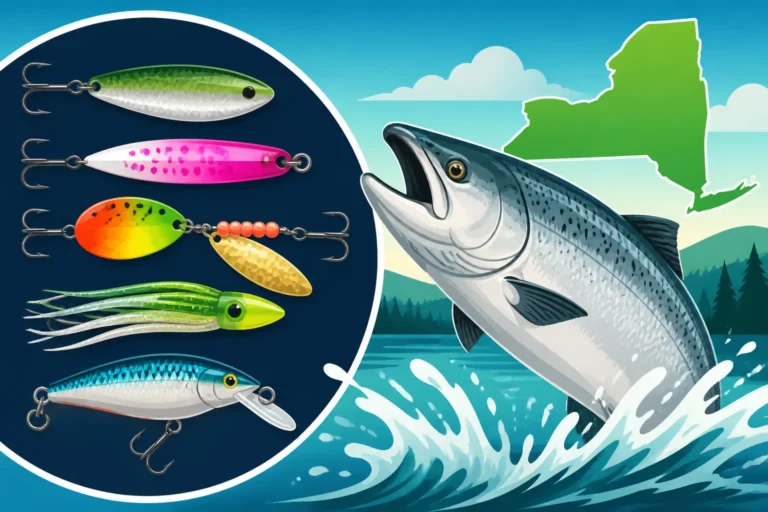
- Plugs (Swimmers, Darters, Poppers): These are versatile and can imitate various baitfish. Topwater poppers provide exciting surface strikes.
- Soft Plastics (Shad, Worms, Swimbaits): Jig heads paired with realistic soft plastic swimbaits are incredibly effective, especially when bounced along the bottom or retrieved through the water column.
- Bucktail Jigs: A classic and highly effective lure that can be tipped with a plastic trailer or pork rind.
- Spoons: Good for casting long distances and imitating fleeing baitfish.
Having a selection of these on hand will prepare you for whatever the stripers are keying in on. Sometimes, a subtle presentation is needed; other times, a loud topwater lure will draw an explosive strike.
Best Practices for Anglers During the Run
Beyond understanding the timing and having the right gear, adopting some best practices can significantly enhance your success and contribute to the health of the striped bass fishery. Being an ethical and informed angler benefits everyone.
Locating Striped Bass Hotspots
Finding the fish is half the battle. During the spring spawning run, focus on areas of the river where freshwater meets tidal influence, often referred to as the "salt front." Fish will congregate in these areas, and specific spawning grounds further north. Structure is also key:
- Bridges and Pilings: These create current breaks and ambush points.
- Points and Outflows: Areas where smaller creeks or tributaries meet the main river can concentrate bait and stripers.
- Channel Edges and Drop-offs: Stripers often hold along these contours, especially when resting or waiting to ambush prey.
- Flats and Shoals: During certain tides, fish will move onto shallower flats to feed.
In the fall, actively look for signs of baitfish. Gulls diving, terns working, or splashes on the surface are all indicators of a feeding frenzy below. These "blitzes" can be incredibly exciting. Fishing with a local guide, especially a Hudson River Fishing Guides, can provide invaluable local knowledge and lead you directly to the action. For more ideas on where to wet a line, check out our guide to the Best Fishing Spots on the Hudson River.
Conservation and Responsible Angling
The future of the striped bass fishery depends on responsible angling. Striped bass populations have faced challenges, and regulations are in place to help ensure their sustainability. Always be aware of the current New York fishing regulations explained, including season dates, slot limits, and bag limits. These regulations can change, so staying up-to-date is crucial.
- Catch and Release Best Practices: Many anglers choose to release larger breeding-size fish to help maintain the spawning stock. If you plan to release a fish, handle it with care:
- Minimize its time out of the water.
- Use wet hands or a wet towel to hold the fish.
- Avoid using nets with knotty mesh, which can damage fins and scales.
- If a fish is exhausted, revive it by holding it gently in the water, facing into the current, until it swims away under its own power.
- De-hooking Tools: Have proper de-hooking tools, especially if using treble-hooked lures, to quickly and safely remove hooks.
- Lead-Free Tackle: Consider using lead-free weights and jigs to reduce environmental impact.
- Respect Other Anglers: The Hudson can get crowded during the peak runs. Be mindful of others and practice good etiquette.
By adhering to these practices, you're not just ensuring your own enjoyment but also helping to preserve the incredible Hudson River striped bass fishery for generations to come.
Hudson River Striped Bass Run: A Seasonal Overview
To give you a clearer picture, here's a table summarizing the general timing and characteristics of the Hudson River striped bass run. Remember, these are general guidelines, and actual conditions can vary year to year.
| Month | Primary Activity | Key Behavior | Typical Target Size | Recommended Techniques | Notes |
|---|---|---|---|---|---|
| March | Early Arrivals | Scout for warmer water, pre-spawn | Smaller schoolies | Bloodworms, small jigs | Very early, unpredictable; mostly small fish moving in. |
| April | Spring Spawning Run Begins | Large fish entering river, seeking spawning grounds | Mid-size to large "cow" stripers | Live bait (herring), large plugs, cut bait | Prime time for trophy fish; highly anticipated. Check New York Fishing Season Dates and Catch Limits. |
| May | Peak Spawning Run | Spawning activity peaks, fish spread throughout river | All sizes, including large spawners | Live bait, topwater, jigs, plugs | Intense action, but fish can be finicky post-spawn. |
| June | Post-Spawn Migration, Transition | Fish moving downriver, recovering from spawn | Smaller to mid-size, some larger | Lures, bait, targeting structure | Can be a slower period as fish disperse and move back towards the ocean. |
| July-Aug | Summer Holdovers | Fewer fish, mostly resident bass | Scattered schoolies | Light tackle, night fishing | Less consistent action; focus on cooler waters and deeper holes. |
| September | Fall Migration Begins | Fish begin moving downriver, actively feeding | Mid-size to large fish | Live bunker, plugs, soft plastics | Baitfish schools gather; increasing activity. |
| October | Peak Fall Feeding | Intense feeding frenzies, following bait | All sizes, very aggressive | Live bait, topwater, plugs, jigs | Excellent action, often the most consistent bite of the year. |
| November | Late Fall Run | Final push of fish leaving the river | Mid-size to large fish | Live bait, jigs, deeper presentations | Action slows as water cools; good for those brave enough to face the cold. |
| December | Winter Closure | Most stripers have left the river for ocean | Few stragglers | Very slow, limited activity | The Striped Bass Season Closure Dates on the Hudson usually mean the primary season is winding down. |
Understanding these windows and the factors that influence them will significantly boost your chances of experiencing the incredible fishing the Hudson River has to offer. Whether you're chasing that monster spring spawner or enjoying a fall blitz, the Hudson's striped bass run is an unforgettable angling adventure. For a comprehensive overview of how to fish for striped bass in New York, our detailed guide on How to Fish for Striped Bass in New York covers even more ground.
Disclaimer
Fishing regulations and conditions can change. Always consult the latest New York State Department of Environmental Conservation (DEC) regulations before heading out on the water. This guide provides general information and recommendations, but it is the angler's responsibility to adhere to all current laws and safety guidelines.