Best Bait for Catching Sunfish and Bluegill
There’s nothing quite like the simple joy of catching sunfish and bluegill. These feisty little fish are often the first species to introduce new anglers to the thrill of a tug on the line, and they remain a beloved target for seasoned veterans looking for consistent action or a tasty meal. Yet, even with these eager biters, sometimes they can be surprisingly finicky, leaving you wondering if you’re using the right bait. This guide will dive deep into the very best baits for sunfish and bluegill, ensuring your next outing to New York’s abundant waters is a resounding success.
Why Sunfish and Bluegill are so Popular and Sometimes Frustrating
Sunfish and bluegill, often grouped under the endearing term "panfish," are truly the gateway drug to fishing. They're found in nearly every pond, lake, and slow-moving stream across New York, from the smallest farm pond to the sprawling Finger Lakes. Their vibrant colors, aggressive nature, and willingness to bite make them incredibly accessible for anglers of all ages and skill levels. They fight hard for their size, providing fantastic entertainment, and they're absolutely delicious when filleted and fried – hence the "panfish" moniker!
However, despite their general eagerness, there are days when even these willing combatants seem to have lockjaw. Perhaps the water is too clear, the sun too bright, or they've seen every type of offering imaginable. This can be incredibly frustrating, especially when you've got eager kids in tow, or you're just looking to unwind with some easy action. Knowing what baits truly appeal to their varied appetites and moods is key to turning a slow day into a memorable one. They’re a significant part of the Fish Species You Can Catch in New York, and certainly among New York's Panfish Species Explained.
Sometimes, the simplest approach is the most effective, especially with panfish. They often aren't looking for gourmet meals; they're opportunistic feeders. But that doesn't mean you can just throw anything at them. Understanding their natural diet and preferences can dramatically increase your hook-up ratio.
Natural Baits: The Tried and True Favorites for Panfish
When in doubt, go natural. Panfish have evolved to feed on a wide variety of small organisms, and mimicking those natural food sources is a surefire way to get their attention. These baits are usually easy to acquire and incredibly effective, making them a staple in any panfish angler's tackle box. Just remember to check Rules on Using Live Bait in New York before you head out.
Worms: The Universal Appetizer
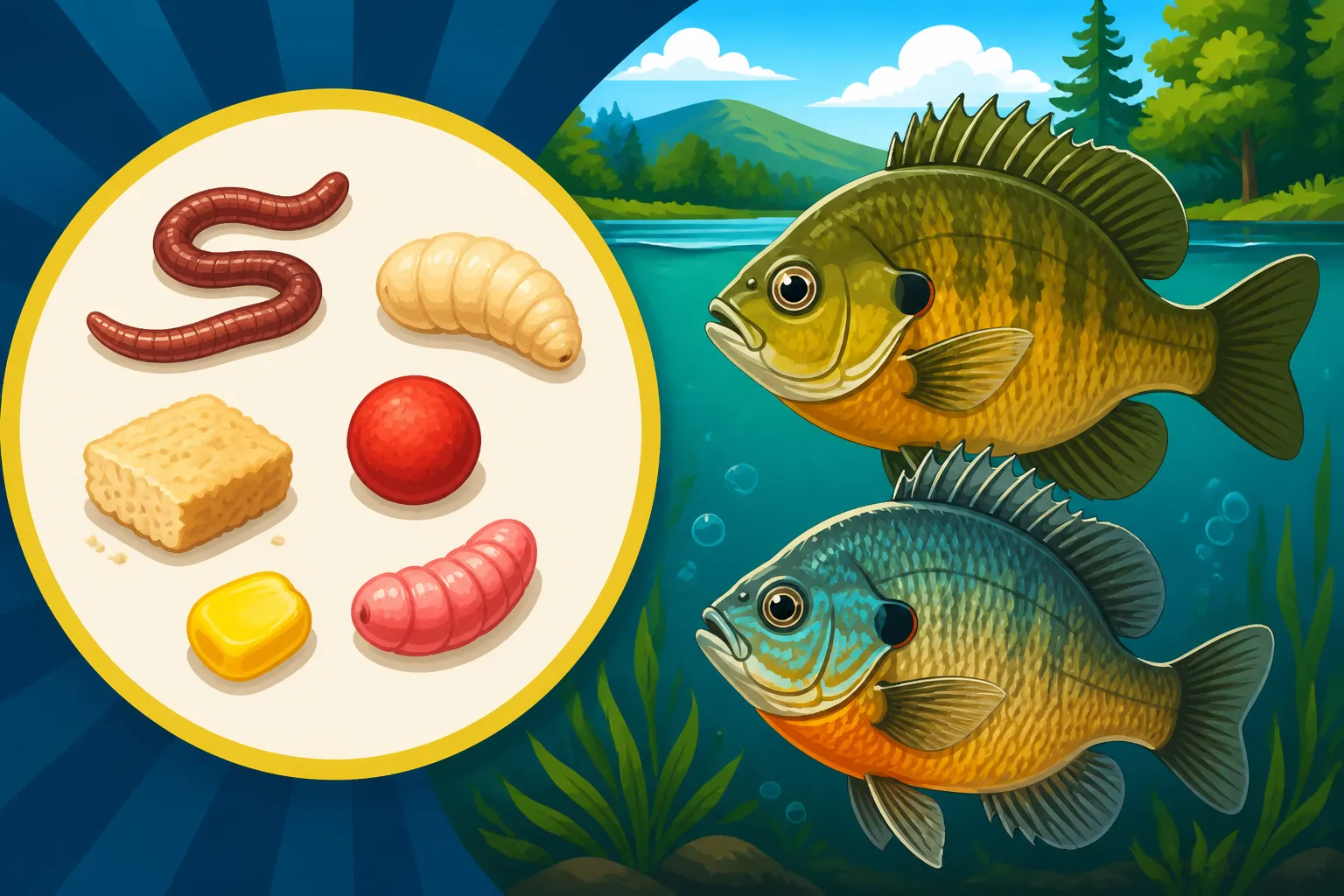
If there's one bait that's synonymous with panfish, it's the humble worm. They are, without a doubt, the most consistently effective natural bait for sunfish and bluegill.
Nightcrawlers, while perhaps a bit large for tiny bluegill, are fantastic when cut into small, bite-sized pieces. The wriggling sections release scent and provide irresistible movement that panfish can't ignore. For smaller mouths, red wigglers or garden worms are often even better. These worms are thinner and more active, making them perfect for threading onto a small hook. You can often find them at your local bait shop or even turn over some dirt in your garden after a rain. It's a classic setup: a small hook (size 8-12 is ideal), perhaps a split shot or two a few inches above the hook, and a bobber to keep your bait suspended at the right depth. The bobber's dance when a bluegill takes the bait is a joy to watch for anglers of all ages.
The beauty of worms is their versatility. They work in almost any water condition, from crystal clear lakes to murky ponds. Their natural scent trail helps fish locate them, even in low visibility. Plus, a small container of worms is easy to transport and lasts for quite a while, making them ideal for a spontaneous fishing trip. If you're looking for a reliable, no-fail option, worms are your best friend.
Insects: Matching the Hatch on a Small Scale
Just like trout anglers "match the hatch" with flies, panfish anglers can do the same with small insects. Crickets and grasshoppers are fantastic, especially during the warmer months when sunfish and bluegill are actively feeding on insects that fall onto the water's surface.
Hook a cricket gently through the collar or behind the head, and cast it near lily pads, submerged timber, or weed lines. The struggling movements on the surface often trigger explosive topwater strikes. Grasshoppers, similarly, can be incredibly effective when fished near grassy banks where they might naturally tumble into the water. These baits are particularly exciting because you get to witness the take, adding an extra layer of thrill to the catch. Keep in mind that keeping a lively supply of crickets or grasshoppers can sometimes be a challenge, but the results often make it worthwhile.
Another incredibly potent natural bait, particularly effective when fish are less active or during colder months, are maggots or grubs. These tiny, protein-packed morsels are irresistible to panfish. Think about using them for Ice Fishing in New York: A Complete Guide – they're a staple for winter panfishing. They're small enough for even the smallest bluegill to take in, and their milky appearance and subtle movements are often enough to draw strikes when other baits fail. You can purchase them from bait shops, and they're generally easy to keep alive. They're also perfect for tipping small jigs, adding that extra bit of scent and appeal to an artificial presentation.
Small Minnows and Cut Bait: For Bigger Panfish
While sunfish and bluegill are typically thought of as insectivores, larger specimens will readily prey on small baitfish. If you're looking to target the bigger "dinner plate" sized bluegill or redbreast sunfish, small minnows can be incredibly effective.
Tiny shiners or fathead minnows, hooked lightly through the back or lips, can entice larger panfish that might be less interested in a worm. Fish them under a bobber near structure, or slowly retrieve them. The natural swimming action is often too much for a territorial panfish to resist. However, be aware that using live minnows might also attract other predatory fish like bass or crappie, which can be a fun bonus! Always verify local regulations regarding the use of live baitfish, especially concerning species allowed and whether they need to be purchased from a certified dealer.
In some situations, very small pieces of cut bait can also work. This might be a sliver of a larger baitfish or even a tiny piece of shrimp (if allowed and readily available). The strong scent can be a powerful attractant. Again, the key is keeping the pieces small enough for panfish mouths and using appropriately sized hooks. This strategy is less common for panfish but can be surprisingly effective in waters where they are accustomed to scavenging.
Artificial Baits and Lures: Adding a Spin to Your Panfish Game
Sometimes, you want to be more active in your fishing, or perhaps you're tired of constantly rebaiting. This is where artificial baits and lures shine. They offer versatility, durability, and often trigger a more aggressive reaction strike from panfish. Plus, with a good selection, you can really dial in what the fish are looking for on any given day. Many of these can be easily found and stocked up on Amazon.
Micro Jigs: Tiny Temptations
Micro jigs are miniature versions of the jigs used for larger fish, and they are absolutely deadly for sunfish and bluegill. These tiny jigs typically range from 1/64 to 1/16 ounce and come in a vast array of colors and styles.
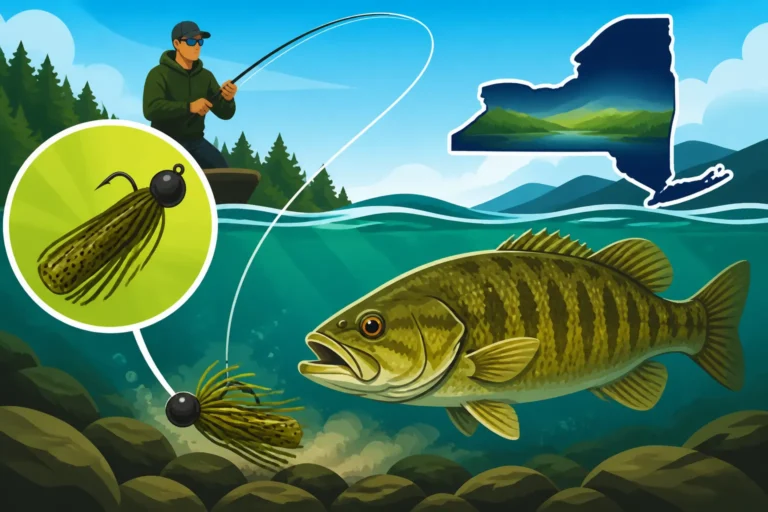
The magic of a micro jig lies in its ability to imitate tiny insects, larvae, or even small baitfish. They are usually paired with equally tiny soft plastic bodies, such as small grubs, tubes, or straight-tailed worms. Colors can make a huge difference: bright chartreuse, pink, and orange can be excellent attractors in stained water or on overcast days, while more natural colors like white, black, brown, or olive might be better in clear water. Many anglers swear by a simple white or yellow jig. You can fish them in several ways: suspended under a small bobber and allowed to gently drift, retrieved slowly with subtle twitches, or vertically jigged in deeper water or through the ice. The subtle action of a micro jig is often all it takes to convince a wary panfish to strike. These jigs are especially effective when panfish are holding tight to structure or aren't actively chasing bigger presentations. You might even find success with them while practicing How to Ice Fish for Perch.
Small Spinners and Spoons: Flash and Vibration
For a more active approach, small inline spinners and tiny spoons are excellent choices. Lures like the classic Rooster Tail or Mepps Aglia are perennial panfish catchers.
These lures work by creating flash and vibration in the water, mimicking a fleeing baitfish or a struggling insect. The spinning blade on an inline spinner, or the wobbling action of a spoon, sends out pulsations that panfish detect with their lateral lines, drawing them in from a distance. They are particularly effective when panfish are actively chasing prey and are willing to move a bit to strike. Cast them out and retrieve them steadily, varying your speed until you find what the fish prefer. They're fantastic for covering water and quickly locating schools of fish. While they might occasionally attract larger game fish like bass, small spinners and spoons are perfectly sized for the mouths of larger sunfish and bluegill. They tend to perform best in clear to moderately stained water where their flash can really stand out. Don't forget to stock up on a few different sizes and colors for your tackle box, maybe from Amazon, so you're prepared for any condition.
Soft Plastics: Versatility in Miniature
The world of soft plastics isn't just for bass anglers! There's an entire universe of tiny soft plastic baits designed specifically for panfish, offering incredible versatility and durability.
Think tiny creature baits, micro worms, grub tails, and small swimbaits. These can be rigged on small jig heads, weedless hooks, or even on a tiny drop shot rig for a subtle, suspended presentation. The advantage of soft plastics is their incredible range of colors, shapes, and actions. You can mimic almost any natural food source. Many soft plastics are also scented, adding an extra layer of appeal that can entice hesitant fish. Unlike live bait, soft plastics don't need to be kept alive, are reusable, and can withstand multiple bites. This means more time fishing and less time re-baiting. Experiment with different retrieves – a slow, steady pull, short hops along the bottom, or twitching it near cover can all be effective. Amazon has a great selection of pre-packaged panfish soft plastic kits that are perfect for getting started or expanding your collection.
Tips for Maximizing Your Panfish Catch with Any Bait
No matter which bait you choose, there are always ways to refine your technique and improve your chances of success. It's not just about what you put on the hook, but how you present it and where you cast it.
Presentation is Key
Panfish, despite their small size, can be surprisingly wary, especially in heavily pressured waters. Your tackle needs to match the fish and the bait.
- Small Hooks: This cannot be stressed enough. Panfish have small mouths. Using hooks in sizes 8, 10, or even 12 will significantly increase your hook-up ratio and allow them to take the bait more easily. A too-large hook will result in many missed bites.
- Light Line: Panfish have excellent eyesight. Using a light line, typically 2 to 4-pound test monofilament or fluorocarbon, will make your bait look more natural and less suspicious. It also allows for greater sensitivity, helping you feel even the lightest nibbles. This can really improve your overall How to Set Up a Rod for Panfish.
- Minimal Terminal Tackle: Avoid using heavy sinkers or large swivels. The goal is to make your bait look as natural and unencumbered as possible. If you need weight, use the smallest split shot possible, placed a few inches above your hook.
- Bobber Placement: When using a bobber, ensure it's sized appropriately – small and sensitive. Adjust the depth of your bait until you find where the fish are holding. They might be just a foot under the surface or much deeper near the bottom.
Location, Location, Location
Even the best bait won't work if there are no fish around! Panfish are schooling fish, and they tend to congregate in certain areas.
- Structure is Key: Look for submerged brush piles, fallen trees, docks, weed lines, and rocky areas. These provide cover, food sources, and ambush points for panfish.
- Shade: On sunny days, panfish often retreat to shady areas, such as under docks, overhanging trees, or deep weed beds. This offers them protection from predators and intense sunlight.
- Drop-offs: Areas where the bottom depth changes dramatically are often highways for fish. Panfish will move along these contours, transitioning between shallow feeding grounds and deeper, safer waters.
- Seek Out Schools: Once you catch one sunfish or bluegill, stay in that spot! Chances are, there are many more. These fish are rarely solitary, so if you find one, you've likely found the school. This makes panfishing excellent for Best Fishing Spots for Beginners in New York and for family outings.
Time of Day and Season Considerations
Panfish are generally active throughout the day, but certain times and seasons can be more productive. Understanding these patterns can give you an edge.
- Early Morning and Late Evening: These are often prime feeding times, especially in the warmer months. The lower light conditions make fish feel more secure, and cooler temperatures can increase their activity. This aligns with general advice for Best Time of Day to Fish in New York.
- Overcast Days: A cloudy day can extend active feeding periods, as the sun's intensity is reduced.
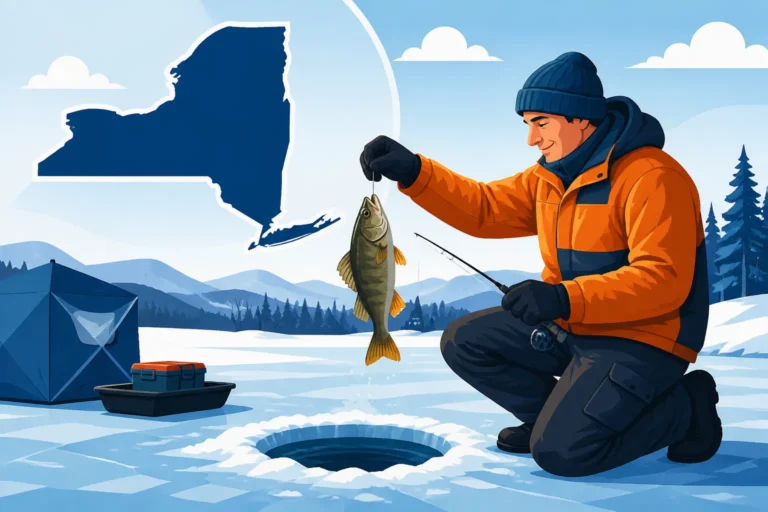
- Winter: Don't write off winter! Panfish are a fantastic target for ice fishing. During these colder months, they tend to school up more tightly and are often found near the bottom. Tiny jigs tipped with maggots or wax worms are especially effective through the ice. Many specialized ice fishing gear, like augers and tip-ups, can be found on Amazon to ensure you're ready for the colder temperatures.
- Spring and Fall: These transitional seasons can offer some of the best panfishing. In spring, fish move shallow to spawn, making them very accessible. In fall, they feed heavily to prepare for winter, often making them more aggressive.
Remember, every fishing trip is a learning experience. Pay attention to what's working and what isn't, and don't be afraid to switch up your bait or technique. These adaptable little fish offer endless opportunities for fun on the water, whether you're fly fishing in a small stream or introducing a youngster to the joys of fishing with a simple worm and bobber. It's often the perfect way for How to Fish With Kids in New York as they are generally eager biters. Mastering these baits and techniques will put you on the path to consistent panfish success across New York State!
Panfish Bait Comparison
| Bait Type | Pros | Cons | Ideal Conditions | Target Size |
|---|---|---|---|---|
| Nightcrawlers | Universal appeal, strong scent, durable | Can be large for tiny mouths, messy | All water types, all seasons, versatile | All panfish |
| Red Wigglers | Very active, perfect for smaller mouths | Smaller size, less durable on hook | All water types, all seasons, subtle | Smaller panfish |
| Crickets/Grasshoppers | Excellent topwater action, natural presentation | Hard to keep alive, seasonal, can jump off hook | Summer, surface feeding, clear water | Medium-Large |
| Maggots/Grubs | Super effective, especially for lethargic fish | Can be hard to handle, less durable | Cold water, ice fishing, slow bites | All panfish |
| Small Minnows | Great for larger panfish, natural movement | Requires specific care, may attract other species | Active fish, clear water, target big panfish | Larger panfish |
| Micro Jigs | Versatile, reusable, wide range of colors | Requires active presentation, can be subtle | Deeper water, active or subtle bites | All panfish |
| Small Spinners | Covers water, triggers aggressive strikes | Can spook wary fish, needs constant retrieve | Active fish, clear water, open areas | Medium-Large |
| Small Soft Plastics | Durable, variety of shapes/colors, scentable | Less natural movement than live bait | All conditions, versatile rigging | All panfish |
No matter your preference for live bait or artificial lures, there's a perfect option out there for tempting those eager sunfish and bluegill. Armed with this knowledge and a few key techniques, you'll be well-prepared for some fantastic fishing, making for great Best Beginner Fishing Techniques for New York Lakes.
Disclaimer
This article is for general informational purposes only and does not constitute professional advice. Laws, prices and regulations vary by location and change over time. Consult a qualified professional for guidance on your specific situation.