Muskellunge in New York
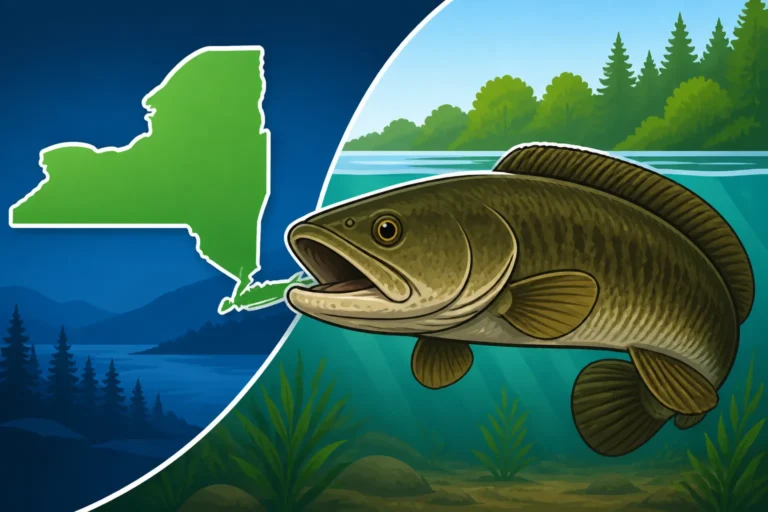
Ah, the muskellunge! Just the name conjures images of powerful, elusive giants, and for many anglers in New York, the dream of hooking one of these magnificent "fish of 10,000 casts" can feel almost mythical. It’s a challenge that many of us dedicate countless hours to, often with little to show for it until that one exhilarating strike. If you’ve ever wondered what it takes to pursue these apex predators in New York’s diverse waters, or simply want to learn more about them, you're in the right place. This comprehensive guide will demystify the muskellunge, giving you the lowdown on where to find them, how to identify them, the regulations that protect them, and the essential strategies to increase your chances of a successful encounter.
Understanding the New York Muskie
The muskellunge, or "muskie" as it's affectionately known, is truly an iconic freshwater fish. It's not just a fish; it's a pursuit, a passion, and often, an obsession for anglers. These formidable predators hold a special place in the hearts of New York State fishermen, representing the ultimate test of patience and skill. Many an angler has spent a lifetime chasing these behemoths, each cast a testament to their dedication.
The Elusive "Fish of 10,000 Casts"
That nickname, "fish of 10,000 casts," isn't just a catchy phrase; it's a harsh reality for many who target muskellunge. These fish are notoriously difficult to catch. They are apex predators at the top of their food chain, meaning they don't have many natural enemies once they reach a decent size. They're smart, wary, and often require a significant amount of effort, specialized gear, and a deep understanding of their behavior and habitat. You can spend an entire day, or even several, on the water, throwing massive lures that would exhaust a lesser angler, without so much as a follow. But that's part of the allure, isn't it? The sheer difficulty makes every muskie caught feel like a monumental achievement, a true trophy earned through perseverance. It’s a game of wits, and the muskie often wins.
Natural Range and Stocking Efforts
Historically, true muskellunge populations in New York were primarily concentrated in a few key areas, largely associated with the Great Lakes basin and some tributaries. However, through dedicated stocking programs by the New York State Department of Environmental Conservation (DEC), their range has expanded, and efforts are continuously made to enhance and maintain healthy populations. These stocking initiatives often target specific lakes and rivers that offer suitable habitat and forage, ensuring that future generations of anglers have the opportunity to pursue these magnificent creatures. Without these careful management strategies, the challenge of muskie fishing would be even greater, and their presence in many of our favorite fishing spots might be non-existent.
Where to Find Muskellunge in New York
New York State boasts some truly world-class muskie fisheries, drawing dedicated anglers from all over. Knowing where these giants lurk is the first step in your pursuit. From sprawling rivers to expansive lakes, the diverse aquatic environments offer unique opportunities to tangle with a trophy muskie.
St. Lawrence River and Thousand Islands
Without a doubt, the St. Lawrence River, particularly in the enchanting Thousand Islands region, is synonymous with world-class muskellunge fishing in New York. This vast system of islands, shoals, and deep channels provides an ideal habitat for muskie, supporting robust populations of large, healthy fish. The river's abundant forage base, including various baitfish species, allows muskellunge to grow to impressive sizes, making it a prime destination for those seeking a true trophy. The sheer complexity of the river system, with its countless bays, points, and drop-offs, means that a lifetime could be spent exploring its muskie potential. Many seasoned anglers consider the St. Lawrence their home water for these giants. If you're planning a trip, be sure to check out our detailed guide on Fishing New York's St. Lawrence River and Thousand Islands. For those specifically targeting these leviathans, you might also want to consult Best Bass Fishing on New York's St. Lawrence River as bass often share similar ambush points.
The fishing here can be incredibly rewarding, but it's also incredibly challenging. Navigating the expansive waters and understanding the subtle nuances of muskie behavior in such a large system often requires local knowledge. Many anglers opt for a guided trip, at least initially, to learn the ropes. The beauty of the Thousand Islands, combined with the thrill of muskie fishing, makes it an unforgettable experience, whether you're casting from a boat or exploring the shorelines.
Chautauqua Lake: A Muskie Hotspot
On the western side of New York, Chautauqua Lake stands out as another premier muskie fishery, particularly renowned for its purebred muskellunge. This large, relatively shallow lake in Chautauqua County has a long-standing reputation for producing impressive catches. Its extensive weed beds, varying depths, and healthy forage populations create a perfect environment for muskie growth and reproduction. Unlike some waters where tiger muskies might dominate, Chautauqua Lake is celebrated for its natural, reproducing populations of purebred muskellunge, which is a major draw for purists. For more specific insights into this legendary water, you can dive into Chautauqua Lake Muskellunge Fishing.
Anglers often spend countless hours here, working the weed lines, trolling open water, or casting to structure. The lake's character changes with the seasons, offering different challenges and opportunities. Early season might find fish in shallower, warming bays, while mid-summer sees them spread out, often holding tight to cover or suspended over deeper water. Fall, of course, is prime time as these fish feed aggressively before winter.
Other Notable New York Muskie Waters
While the St. Lawrence River and Chautauqua Lake are arguably the most famous, New York has several other waters where you can encounter muskellunge, including both purebreds and the hybrid "tiger muskie."
- Niagara River: Connecting Lake Erie and Lake Ontario, the Niagara River offers a unique, fast-flowing environment that holds some truly massive muskie, especially in its lower sections. These fish are often migrants from the Great Lakes themselves, presenting an exciting challenge with powerful currents and vast water.
- Lake Ontario Tributaries: While primarily known for salmon and steelhead runs, some tributaries, especially those with slower sections or connected ponds, can occasionally yield muskie, particularly the tiger muskie variety which is often stocked.
- Other Stocked Lakes: Various other lakes across the state receive stockings of muskellunge or tiger muskellunge to provide diverse fishing opportunities. These might include certain sections of the Finger Lakes, like parts of Esopus Creek, or smaller reservoirs managed for muskie. Checking the latest DEC stocking reports and fishing regulations for specific bodies of water is always a smart move before planning a trip to a lesser-known muskie spot.
Muskie Biology and Identification
Being able to properly identify a muskellunge is crucial, not just for bragging rights, but for adhering to specific regulations that vary between species and even within hybrid forms. Many anglers, especially those new to muskie fishing, often confuse them with their close relatives, the northern pike. Understanding the subtle differences can make all the difference.
Distinguishing Muskellunge from Northern Pike
This is perhaps the most common identification dilemma in the angling world. While both muskellunge and northern pike are long, slender, predatory fish with duckbill-shaped snouts, there are clear distinguishing features once you know what to look for.
| Feature | Muskellunge | Northern Pike |
|---|---|---|
| Markings | Dark bars or spots on a lighter body background. | Light spots or bean-shaped markings on a dark body background. |
| Tail Fin Shape | More pointed lobes, often deeply forked. | More rounded lobes, less deeply forked. |
| Scales on Cheek | Upper half of cheek scaled, lower half bare. | Fully scaled cheek. |
| Scales on Opercle | Upper half of opercle (gill cover) scaled, lower half bare. | Fully scaled opercle. |
| Pores Under Jaw | Usually 6-9 pores on each side. | Usually 5 or fewer pores on each side. |
| Overall Shape | Generally more slender and elongated. | Often appears stockier or more robust. |
The key takeaways here are the markings – "dark on light" for muskie versus "light on dark" for pike – and the scaling pattern on the cheek and opercle. Northern pike have fully scaled cheeks and opercles, whereas muskellunge typically only have scales on the upper half. These anatomical differences are the most reliable ways to tell them apart when you have a fish in hand. It’s always good practice to double-check these features, especially if you're fishing in waters where both species coexist. This distinction is so important that we dedicated a whole article to it: Muskellunge vs Northern Pike: Key Differences.
Size, Lifespan, and Diet
Muskellunge are the largest members of the pike family (Esocidae) and are truly impressive in size and longevity. In New York, purebred muskellunge can reach incredible lengths, often exceeding 50 inches and weighing over 40 pounds. The state record New York State Muskellunge Record: 69 Pounds, 15 Ounces stands as a testament to their potential. These fish are slow-growing but can live for a long time, often exceeding 15-20 years in healthy environments, allowing them to achieve their massive dimensions. Their slow growth rate and long lifespan underscore the importance of catch-and-release practices for these magnificent fish, as it takes many years for them to reach trophy size.
As apex predators, muskellunge have a diverse and voracious diet. They are opportunistic feeders, preying on whatever is available and easy to catch. Their diet typically consists of a wide range of fish, including suckers, perch, minnows, ciscos, and even smaller pike or bass. They are also known to eat muskrats, ducklings, and frogs – essentially anything that moves and fits into their mouths. This predatory nature is why they strike large, aggressive lures with such force. Their powerful jaws and rows of razor-sharp teeth are perfectly adapted for ambushing and consuming their prey.
Regulations and Conservation
Fishing for muskellunge in New York isn't just about the thrill of the catch; it's also about being a responsible angler and contributing to the conservation of these magnificent fish. New York State has specific regulations in place to protect muskie populations and ensure sustainable fishing opportunities for future generations. Understanding and adhering to these rules is paramount for anyone venturing out to target them. Many of these rules are covered in the broader New York Fishing Regulations Explained but muskie have their own specifics.
New York Muskellunge Minimum Size Limits
One of the most critical regulations for muskellunge is the minimum size limit. Because muskie are slow-growing and long-lived, it takes many years for them to reach sexual maturity and contribute to the population's spawning success. To protect these fish and allow them to reproduce, New York typically imposes a rather generous minimum length requirement. This often means that a muskie must be well over 40 inches, and sometimes even 50 inches, before it can be legally kept. This regulation is designed to ensure that most muskie have at least one or more opportunities to spawn before they are harvested, which is vital for the long-term health of the fishery. Always check the current New York Muskellunge Minimum Size Limit for the specific water you plan to fish, as these can vary.
This minimum size limit often means that most muskie caught by anglers will need to be released. This is not a bad thing; in fact, it reinforces the conservation-minded approach that is so important for this species. Releasing a large muskie means it can continue to grow and reproduce, providing thrilling fishing opportunities for years to come.
Season Dates and Catch Limits
Just like size limits, muskellunge fishing in New York is subject to specific season dates and catch limits. These regulations are designed to protect the fish during vulnerable times, such as spawning, and to manage the overall harvest pressure. The season typically opens later in the spring or early summer, after the main spawning period, and extends through the fall and into early winter. The daily catch limit for muskellunge is almost always very low, often one fish per angler per day, if any harvest is permitted at all. Again, this reflects the species' slow growth and the conservation efforts required to maintain healthy populations. You'll definitely want to consult New York Muskellunge Season Dates before planning your trip, as even a single day difference can mean the season is closed or open.
The combination of strict size limits, short seasons, and low catch limits emphasizes that muskie fishing in New York is largely a catch-and-release sport. It's about the experience, the challenge, and the moment you connect with such a powerful fish, rather than filling a cooler. These regulations ensure that the incredible experience of pursuing a muskie remains available for generations of anglers to come.
The Importance of Catch-and-Release
For muskellunge, catch-and-release isn't just a suggestion; it's a foundational principle of responsible angling. Given their elusive nature, slow growth, and long lifespan, every released muskie represents a valuable contribution to the health and future of the fishery. When you do catch one of these magnificent fish, proper handling is absolutely crucial to ensure its survival.
- Minimize Fight Time: Use appropriate, heavy tackle that allows you to bring the fish in relatively quickly. A prolonged fight can exhaust the fish, making it less likely to survive release.
- Keep it in the Water: Whenever possible, keep the muskie in the water. If you must remove it for a quick photo, do so gently and support its body horizontally to avoid internal damage. Large muskie can be surprisingly delicate outside their element.
- Use Proper Tools: A large, rubberized landing net (not knotted nylon, which can strip slime) is essential. Long-nosed pliers or jaw spreaders are critical for removing hooks safely from their toothy mouths. A proper muskie-specific release tool or hook remover, easily found on platforms like Amazon, is a worthwhile investment.
- Revive the Fish: If the fish seems stressed, hold it gently in the water, facing into a current, until it regains its strength and can swim away on its own. Never just toss it back.
By practicing careful catch-and-release, we all play a part in preserving New York's incredible muskie fishing opportunities. It's a respectful way to interact with these grand predators and ensure they continue to thrive.
Tackling New York Muskellunge
Successfully targeting muskellunge requires a significant upgrade in your fishing arsenal and a shift in your approach compared to other freshwater species. These fish are not only large and powerful, but they also have mouths full of sharp teeth and a tendency to put incredible stress on your gear. Trying to land a muskie with standard bass or trout equipment is a recipe for broken lines, bent hooks, and a lost fish.
Essential Gear for Muskie Fishing
When you're rigging up for muskie, you quickly realize your standard bass gear just won't cut it. You'll need heavy-duty rods and reels, line that can handle serious abrasion, and a selection of truly massive baits. Many anglers start their search for these specialized items on sites like Amazon, looking for reviews and deals on reputable brands.
- Rods: Look for heavy to extra-heavy power casting rods, typically 8 to 10 feet long. This length helps cast large lures and provides leverage to control powerful fish. A good quality muskie rod can be a significant investment, but it's essential.
- Reels: High-quality baitcasting reels with strong drags and high line capacities are a must. They need to be robust enough to handle the stress of casting heavy lures repeatedly and fighting giant fish.
- Line: Braided line is the standard for muskie fishing due to its strength and low stretch, usually in the 80 to 100-pound test range. You'll also need a heavy fluorocarbon or steel leader, often 100-200 pound test, to prevent bite-offs from their razor-sharp teeth.
- Lures: Muskie lures are famous for their size. Bucktails, spinnerbaits, crankbaits, jerkbaits, glide baits, and topwater lures can all be effective. Many of these lures can be 8-12 inches long, or even larger, and weigh several ounces. Having a diverse selection is key, as muskie can be picky. You might explore Best Lures for Muskellunge for a more in-depth look at specific options.
- Tools: As mentioned in catch-and-release, a large, rubberized net, long-nosed pliers, jaw spreaders, and bolt cutters (for cutting hooks if deeply swallowed) are indispensable. Safety gloves are also a good idea to protect your hands from teeth and gill rakers.
- Electronics: A good fish finder with GPS capabilities can be invaluable for locating structure, weed lines, and baitfish schools, especially on large bodies of water like the St. Lawrence River.
Equipping yourself properly might seem daunting, but it’s a necessary step to safely and successfully pursue these magnificent creatures.
Popular Techniques and Strategies
Muskie fishing isn't just about big gear; it's about big effort and strategic thinking. Unlike some species where a slow retrieve might suffice, muskie often require aggressive, erratic presentations that trigger their predatory instincts.
- Casting and Retrieving: This is the most common method. Anglers cast large bucktails, spinnerbaits, or jerkbaits and retrieve them with a variety of speeds and pauses. The "figure-eight" maneuver at the boat side is legendary in muskie fishing. After every cast, as the lure reaches the boat, plunge your rod tip into the water and trace a large "figure eight" pattern with your lure. Often, a muskie will follow the lure all the way to the boat and strike during this maneuver. It’s a moment of intense adrenaline. Many anglers follow a similar approach for How to Fish for Muskellunge.
- Trolling: On larger bodies of water like the St. Lawrence River or Chautauqua Lake, trolling large crankbaits can be highly effective, especially when trying to cover vast areas or target fish suspended in open water. This allows you to present lures at specific depths and speeds over long distances.
- Working Structure: Muskie are ambush predators. They love to hide along weed lines, rock piles, drop-offs, fallen trees, and other underwater structures, waiting to dart out and ambush prey. Learning to identify these key structures, often with the help of your electronics, is paramount.
- Patience and Persistence: This cannot be overstated. You might go hours, days, or even weeks without a strike. The key is to keep casting, stay focused, and maintain a positive attitude. The reward of landing a muskie makes all the effort worthwhile. It's a mental game as much as it is a physical one.
- Seasonal Adaptations: Muskie behavior changes with the seasons. In spring, they might be shallower after spawning. In summer, they often retreat to deeper, cooler water or dense cover. Fall sees them in a major feeding frenzy, bulking up for winter, making it a prime time for trophy fish. Adjusting your techniques and fishing locations based on the season is vital for consistent success.
Tiger Muskie: A Hybrid in New York
While the purebred muskellunge is a star, New York also has a fascinating hybrid called the tiger muskie. These fish, a cross between a muskellunge and a northern pike, offer a unique angling experience and are often found in waters where purebred muskie may not thrive as well.
What is a Tiger Muskie?
A tiger muskie is exactly what it sounds like: a hybrid fish resulting from the cross-breeding of a true muskellunge and a northern pike. They get their name from their distinctive markings, which are usually a series of dark, wavy, vertical bars or blotches on a lighter background, giving them a striped, "tiger-like" appearance. These markings are typically much more pronounced and uniform than the spot or bar patterns found on purebred muskie. You'll find a more comprehensive answer to the question What a Tiger Muskie Is in our other articles.
Tiger muskies are typically sterile, meaning they cannot reproduce on their own. This characteristic makes them a popular choice for stocking programs where fisheries managers want to introduce a top-tier predator without the complexities of managing a self-sustaining population that could potentially overpopulate or impact other native species negatively. They grow quickly, fight hard, and offer an exciting challenge for anglers.
Where to Find Tiger Muskies in New York
Since tiger muskies are generally sterile, their populations in New York are almost entirely dependent on stocking efforts by the DEC. This means that if you're looking to target tiger muskies, you'll need to consult the latest stocking reports and regulations to identify which lakes and reservoirs are currently being managed for them. These stocked waters are often chosen for their abundant forage fish and suitable habitat, providing an ideal environment for the tiger muskie to grow large and provide excellent angling opportunities. For details on where these fish are introduced, check out Where Tiger Muskies Are Stocked in New York.
Some common examples of waters that have historically received tiger muskie stockings include certain Finger Lakes (though specific sections or adjacent waters), various larger reservoirs, and smaller, managed lakes across the state. These programs aim to diversify fishing opportunities and provide anglers with a chance to experience the thrill of battling a large, powerful predator in waters that might not support purebred muskellunge. Fishing for tiger muskie often employs similar techniques and gear as purebred muskie, though they might sometimes be a bit more aggressive and less particular in their feeding habits, perhaps living up to their "tiger" name.
Disclaimer
This article is for general informational purposes only and does not constitute professional advice. Laws, prices and regulations vary by location and change over time. Consult a qualified professional for guidance on your specific situation.