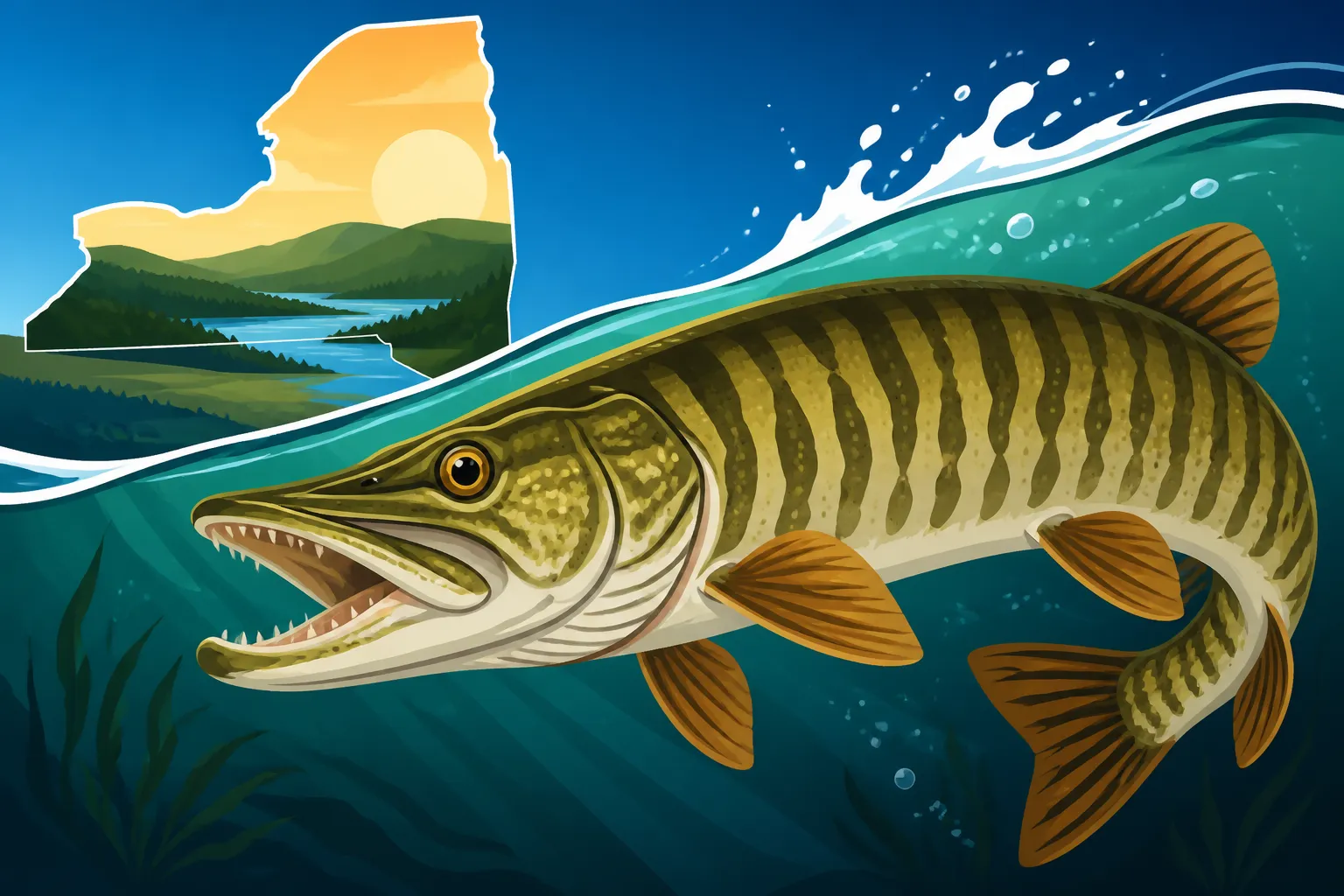
What a Tiger Muskie Is
For many New York anglers, the sight of a long, toothy fish breaking the surface is an adrenaline rush like no other. But sometimes, when that fish gets close, a flicker of confusion might cross your mind: Is it a northern pike? A muskie? Or something else entirely? This guide is here to clear up that mystery, focusing on a truly unique and often misunderstood freshwater predator that roams some of our favorite New York waters: the tiger muskie. We're going to dive deep into what makes this fish so special, where you might encounter one, and how to identify it from its cousins.
Understanding the Tiger Muskie: A Unique Hybrid Fish
Imagine combining the best fighting qualities and formidable size of two top predators into one incredible package. That's essentially what you get with a tiger muskie. It's not just another fish; it's a fascinating anomaly in the freshwater world, captivating anglers with its distinct appearance and aggressive nature.
What Exactly is a Tiger Muskie?
At its heart, a tiger muskie is a hybrid fish. It's the offspring of a northern pike (scientific name: Esox lucius) and a muskellunge (Esox masquinongy). Think of it as nature's crossbreed, a remarkable blend of two formidable species within the Esox family. This hybridization is what gives the tiger muskie its unique characteristics, making it stand out from its parent species. Unlike some hybrids, tiger muskies are typically sterile, meaning they cannot reproduce themselves. This is a crucial point, as it directly impacts how their populations are managed in our New York waters. They aren't going to naturally overpopulate a lake or river; their presence is largely due to careful stocking efforts. For a deeper dive into their lineage, you might want to read Is a Tiger Muskie a Hybrid Fish?.
The tiger muskie gets its "tiger" moniker from the distinctive blotchy, dark markings on its lighter body. These markings often resemble irregular bars or stripes, similar to a tiger's pattern, hence the name. These patterns are typically more pronounced and vertical than the spots or broken bars you'd see on a pure muskellunge, or the bean-shaped spots found on a northern pike. This unique pattern is usually the first clue that you've hooked into one of these special fish.
How Tiger Muskies Are Created
Tiger muskies rarely occur naturally in the wild. While it's possible for a northern pike and a muskellunge to spawn in the same area and produce offspring, it's quite uncommon due to differences in spawning times and preferences. The vast majority of tiger muskies you encounter in New York are the result of deliberate efforts by fish hatcheries. State agencies, like the New York State Department of Environmental Conservation (DEC), have developed sophisticated programs to cross-breed these two species in a controlled environment.
Here's how it generally works: Biologists collect eggs from female muskellunge and milt (sperm) from male northern pike. These are then carefully combined, fertilized, and incubated under optimal conditions in a hatchery. The resulting fry are then raised in protected environments until they reach a size where they can be safely stocked into designated lakes and rivers. This process ensures a consistent supply of healthy tiger muskies for anglers. The primary reason for these stocking programs is to introduce a fast-growing, aggressive, and sterile predator into certain fisheries without the risk of it naturally reproducing and potentially altering the ecosystem in unforeseen ways. It's a way to enhance fishing opportunities and control populations of other panfish or forage species.
Key Characteristics and Identification
Identifying a tiger muskie on the fly can be tricky, especially when the adrenaline is pumping. However, knowing what to look for can help you confidently distinguish it from its cousins. The most obvious characteristic is its unique patterning: dark, irregular, vertical blotches or bars on a lighter, often yellowish-green or grey background. These markings don't typically form distinct spots or wavy lines, but rather appear as bold, somewhat broken stripes.
Beyond the pattern, pay attention to the fins. Both the northern pike and muskellunge are part of the Esox family, and they share similar body shapes and fin placements, but subtle differences exist. Tiger muskies generally possess characteristics intermediate between the two parent species. For instance, examine the scales on the cheek and gill cover. Northern pike typically have scales covering both the cheek and the upper half of the gill cover, while muskellunge have scales only on the upper half of the cheek and gill cover. Tiger muskies often exhibit a scaling pattern that falls somewhere in between, or a mosaic of both, making them a bit harder to classify solely on this feature. However, their coloration is usually the most telling sign.
| Feature | Northern Pike | Muskellunge | Tiger Muskie |
|---|---|---|---|
| Body Markings | Light bean-shaped spots on dark body | Dark spots/bars on a lighter body | Irregular, dark vertical bars/blotches on lighter body |
| Coloration | Dark green to olive with yellow spots | Light green to brown with darker markings | Yellowish-green to grey with distinct dark stripes |
| Cheek Scales | Fully scaled | Upper half scaled | Variable, often intermediate or upper half scaled |
| Gill Cover Scales | Upper half scaled | Upper half scaled | Variable, often intermediate or upper half scaled |
| Tail Fin | More rounded or slightly forked | Deeply forked | Moderately forked |
| Longevity | Shorter lifespan, faster growth | Longer lifespan, slower growth | Intermediate, good growth rate |
| Reproduction | Reproduces naturally | Reproduces naturally | Sterile (does not reproduce naturally) |
Where to Find Tiger Muskies in New York State
New York State is a fantastic place to fish for a variety of species, and tiger muskies are definitely among the trophy fish sought by many. Knowing where to look for them can save you a lot of time and increase your chances of a successful outing. Their presence in our waters is often the result of dedicated management efforts by the DEC.
Stocking Programs and Designated Waters
Because tiger muskies are sterile hybrids and don't reproduce naturally, their populations in New York are almost entirely sustained through stocking programs. The New York DEC strategically stocks these fish into specific lakes and reservoirs that offer suitable habitat and forage opportunities. These locations are carefully chosen to provide optimal conditions for growth and survival, ensuring a vibrant fishery for anglers. Knowing which waters receive these stockings is key to targeting them. For instance, you can find valuable information on Where Tiger Muskies Are Stocked in New York.
These stocking efforts aren't just about putting fish in the water; they're part of a broader management strategy. Tiger muskies are excellent predators, and their introduction can sometimes help manage populations of overabundant panfish or other smaller species, creating a more balanced ecosystem. The DEC updates its stocking lists periodically, so staying informed about which waters are actively being stocked is always a good idea.
Habitat Preferences
Tiger muskies, much like their pure muskie and pike parents, are ambush predators. This means they prefer habitats that allow them to lie in wait, concealed, before launching a sudden attack on unsuspecting prey. Generally, you'll find them in areas with plenty of cover and structure.
Look for them lurking around:
- Weed Beds: Thick submerged vegetation provides excellent camouflage and a buffet for smaller fish.
- Drop-offs and Ledges: These areas act as highways for baitfish, and muskies will position themselves along the edges.
- Submerged Timber and Rock Piles: Fallen trees, stumps, and rocky structures offer perfect ambush points.
- Points and Bays: Prominent points extending into a lake, or quiet bays with good cover, are classic muskie haunts.
- Near Inflows/Outflows: Areas where streams or rivers enter or exit a lake can concentrate baitfish and oxygen, attracting predators.
The water temperature can also play a role. While muskies are tolerant of a range of temperatures, they tend to be most active in cooler waters, often moving shallower in spring and fall, and deeper during the heat of summer. Having a good understanding of these preferences can help you narrow down your search and maximize your time on the water.
Notable New York Waters for Tiger Muskie
While specific stocking locations can change, several New York waters have historically been known for their tiger muskie populations, offering exciting opportunities for anglers. Always check the latest DEC regulations and stocking reports, but here are some popular examples:
- Chautauqua Lake: Located in Western New York, this large lake is renowned for its muskie fishery, including tiger muskies. It offers diverse habitats, from shallow weed beds to deeper sections.
- Otisco Lake: One of the smaller Finger Lakes, Otisco is often stocked with tiger muskies and is a popular destination for those targeting these elusive fish.
- Cassadaga Lake: Another western New York gem, Cassadaga has a strong reputation for producing quality tiger muskies.
- Great Sacandaga Lake: In the Adirondack Foothills, this large reservoir has been a consistent producer of tiger muskies over the years.
- Hudson River (lower sections): While primarily known for striped bass, some sections of the Hudson River can also hold tiger muskies, particularly in areas with good cover and access to tributaries.
Remember, fishing pressure and stocking schedules can influence the quality of fishing in any given year, so always do your homework before heading out. The challenge and reward of catching a tiger muskie in one of these iconic New York waters is truly special.
The Allure of Fishing for Tiger Muskies
There's something incredibly captivating about fishing for tiger muskies. It's not just about the size of the fish, though they can grow impressively large; it's about the sheer dedication, the meticulous preparation, and the explosive fight that makes them one of freshwater angling's most sought-after prizes.
Why Anglers Target Tiger Muskies
Anglers who chase tiger muskies are often a special breed themselves. They're typically patient, persistent, and thrive on the challenge. Here's why these magnificent fish draw such a dedicated following:
- The Thrill of the Fight: Tiger muskies are incredibly powerful fish. When hooked, they put up an intense, often acrobatic fight, characterized by powerful runs, head shakes, and sometimes even aerial displays. Landing one is a true test of skill and equipment.
- Their Elusiveness: Unlike panfish or even bass, tiger muskies aren't caught every cast. They're often called "the fish of a thousand casts" for a reason. This makes every strike and every fish landed feel like a monumental achievement.
- Trophy Potential: Tiger muskies grow to impressive sizes, offering anglers the chance to catch a true freshwater trophy. Catching a large tiger muskie is a highlight in any angler's career, and they often rival the size of their purebred muskellunge cousins.
- Unique Beauty: Their distinctive tiger-like markings make them one of the most visually striking fish in freshwater. Many anglers appreciate their aesthetic appeal as much as their fighting spirit.
- Predictable Habits (to a degree): While elusive, tiger muskies often relate to specific types of structure and cover. Learning to "read the water" and identify these key holding areas becomes part of the enjoyable challenge.
Recommended Gear and Techniques
To successfully target tiger muskies, you'll need specialized gear that can handle their size and power. This isn't a game for ultralight spinning rods.
- Rods: Look for heavy-action baitcasting rods, typically 7 to 9 feet long. These provide the leverage needed to cast large lures and control powerful fish.
- Reels: High-quality baitcasting reels with a strong drag system and ample line capacity are essential. Durability and smooth operation are key.
- Line: Braided line is almost a necessity for muskie fishing, ranging from 65 to 100-pound test. Its lack of stretch provides excellent sensitivity for detecting subtle bites and immense power for setting hooks and battling fish.
- Leaders: Because of their razor-sharp teeth, a heavy-duty wire or fluorocarbon leader (100-150 pound test) is absolutely critical to prevent bite-offs. Don't skimp here; losing a trophy fish to a bitten line is heartbreaking.
- Lures: Tiger muskies respond well to large, aggressive presentations. Common lures include:
- Bucktails: These are classic muskie lures, consisting of a heavy head and a skirt of deer hair, often with spinner blades.
- Crankbaits: Large, deep-diving or shallow-running crankbaits that mimic baitfish are effective.
- Glide Baits and Jerkbaits: These lures require specific retrieve actions to entice strikes.
- Soft Plastics: Large swimbaits and soft plastic jerkbaits can also be very productive.
Many anglers find a wide selection of these specialized lures and tackle available on platforms like Amazon, making it convenient to gear up for a muskie adventure. Investing in quality gear is an investment in your success and enjoyment. Consider reading Best Lures for Muskellunge for more detailed recommendations.
Catch-and-Release Practices
Given their sterile nature and reliance on stocking, catch-and-release is not just a recommendation but often a necessity for tiger muskie conservation in New York. These fish are valuable resources, and safely releasing them ensures future generations of anglers can enjoy the same thrilling opportunities.
- Minimize Fight Time: While exhilarating, try to land the fish as efficiently as possible to reduce stress.
- Use Large Nets: A big, rubberized landing net (not knotted nylon, which can damage fins and slime coat) is crucial for safely bringing the fish boatside or to shore.
- Keep Them Wet: Avoid removing the fish from the water entirely if possible, especially for photos. If you must lift it, do so quickly and support its body horizontally to prevent organ damage.
- Use Proper Tools: Long-nosed pliers or jaw spreaders are essential for removing hooks safely and quickly. Always have these readily accessible.
- Revive Carefully: If the fish seems sluggish, hold it gently in the water, facing into the current, until it regains its strength and swims away on its own.
Following these practices helps ensure that the magnificent tiger muskie can continue to challenge and excite anglers for years to come.
Distinguishing Tiger Muskies from Northern Pike and Muskellunge
One of the most common questions anglers have is how to tell the difference between these three very similar-looking Esox species, especially when you're in the heat of the moment with a feisty fish at the end of your line. It's a valid concern, as regulations for each species can vary. Having a clear understanding of their distinguishing features will not only make you a more informed angler but also help you comply with New York Fishing Regulations Explained.
Visual Cues and Markings
The most reliable way to differentiate between a tiger muskie, northern pike, and muskellunge often comes down to their unique patterns and coloration.
- Tiger Muskie: As we've discussed, these hybrids are best identified by their distinctive, irregular dark vertical bars or blotches on a lighter (often yellowish-green or grey) body. Think "tiger stripes," but usually more broken and less uniform. The contrast between the dark markings and the lighter background is quite pronounced.
- Northern Pike: Northern pike typically have a darker, often olive-green to dark brown body with lighter, often yellowish or cream-colored, bean-shaped spots. Their spots appear on the darker background, rather than dark markings on a lighter background like the tiger muskie. Their overall color can be quite vibrant, especially after being pulled from clear water. You can further explore Northern Pike in New York.
- Muskellunge: Pure muskies tend to have lighter bodies, ranging from silvery to light green or brownish, with distinct dark spots, wavy lines, or sometimes solid bars. The markings are often less defined than a tiger muskie's stripes and can sometimes be quite faint, especially on older fish. Some muskies can even be nearly spotless, leading to more confusion. For more information, check out Muskellunge in New York.
Another key identifier, though harder to observe without handling the fish, is the presence or absence of scales on the lower half of the cheek and gill plate. Northern pike have scales on the entire cheek and the upper half of the gill cover. Muskellunge have scales only on the upper half of both the cheek and gill cover. Tiger muskies, being hybrids, can sometimes show an intermediate pattern, but generally lean towards the muskie side with fewer scales on the lower part of the cheek and gill cover.
Behavioral Differences
While behavior can vary and isn't as foolproof as visual identification, there are some general tendencies that can sometimes hint at what species you're dealing with.
- Aggression: All three are aggressive predators, but tiger muskies are often noted for their particularly vigorous strikes and fights. Some anglers find them to be even more aggressive than pure muskies, possibly due to "hybrid vigor." Northern pike are also incredibly aggressive, especially when defending their territory or ambushing prey. Muskellunge are known for their powerful, often drawn-out battles.
- Habitat Use: While overlapping, northern pike often prefer shallower, weedy bays and slower moving waters. Muskellunge tend to favor deeper, clearer waters with abundant structure, though they will use weeds. Tiger muskies can be found in a range of habitats, often utilizing areas that offer characteristics of both their parent species' preferred environments.
- Feeding Habits: All are piscivorous (fish-eating), but their diets can vary slightly based on available forage. Tiger muskies are known for their rapid growth, which implies a hearty appetite!
Size and Growth Patterns
All three species can grow large, making them coveted by trophy hunters. However, their typical growth rates and maximum sizes do show some differences.
- Northern Pike: While northern pike can reach impressive sizes, especially in certain New York waters, they generally don't grow as large or as heavy as muskellunge or tiger muskies. A "trophy" pike might be in the 35-45 inch range.
- Muskellunge: Pure muskellunge are renowned for their massive size. They are often the largest of the three, with many breaking the 50-inch mark and exceeding 40-50 pounds. They are slower growing but can live for a long time.
- Tiger Muskie: Tiger muskies exhibit what's called "hybrid vigor," meaning they often grow faster than either parent species, especially in their early years. They can reach very impressive sizes, often rivaling pure muskies in length and weight, sometimes even surpassing them in growth rate for a given age. This fast growth makes them a very exciting target for anglers looking for a big fish in a relatively shorter timeframe. However, since they are sterile, their populations are entirely managed through stocking.
Understanding these distinctions is crucial, especially when considering catch limits and size requirements, which can vary significantly between species. Always consult the current New York Fishing Regulations Explained before heading out.
Disclaimer
This article is for general informational purposes only and does not constitute professional advice. Laws, prices and regulations vary by location and change over time. Consult a qualified professional for guidance on your specific situation.