World Record Catch-and-Release Muskie Caught on the St. Lawrence River
There's a unique thrill that comes with chasing trophy fish, and for many anglers, few freshwater species inspire as much awe as the muskellunge. It's a chase that often ends in frustration, but when it pays off, it can be legendary. This guide dives deep into one such legendary tale: the world record catch-and-release muskie taken from New York's iconic St. Lawrence River, exploring the story behind the incredible catch and what makes this river a true muskie angler's paradise.
The St. Lawrence River: A Cradle for Freshwater Giants
The St. Lawrence River isn't just a waterway; it's an institution, a vital artery connecting the Great Lakes to the Atlantic Ocean. For generations, it has harbored some of the most impressive freshwater fish in North America, none more revered than the muskellunge. These apex predators thrive in its diverse habitats, growing to astonishing sizes that fuel angler dreams and set world records.
An Ecosystem Built for Giants
Imagine a river with vast, deep channels, intricate shoals, weed beds stretching for miles, and an abundance of forage fish like cisco, suckers, and perch. That's the St. Lawrence. This complex ecosystem provides everything a muskie needs to grow large and healthy: plenty of ambush points, sheltered areas, and a seemingly endless buffet. The cold, oxygen-rich waters contribute to their robust growth, allowing them to reach lengths and girths that are rare in other fisheries. It’s this perfect storm of environmental factors that makes the St. Lawrence such a productive muskie fishery, consistently producing fish that challenge anglers and capture imaginations.
The River's Legendary Reputation
Talk to any seasoned muskie angler, and the St. Lawrence River will inevitably come up in conversation. It has a long-standing reputation for producing not just muskies, but trophy muskies. While other waters might offer more numbers, the St. Lawrence is where many go specifically to pursue that fish of a lifetime. The sheer size of the river, its international waters shared with Canada, and the incredible challenge of locating and enticing these elusive predators all add to its mystique. It's a place where every cast holds the potential for a monster, and where stories of colossal fish are passed down from one generation of anglers to the next. The history of this river is etched with tales of monumental fish, a testament to its enduring quality as a world-class muskie destination. If you're looking for a serious challenge and the chance at a truly epic catch, this river calls your name.
Unpacking the World Record Catch-and-Release Muskie
While New York holds a state record for a muskie kept that weighed nearly 70 pounds, the story of a world record catch-and-release muskie on the St. Lawrence River highlights a different kind of angling achievement – one focused on conservation and the future of the fishery. This remarkable catch isn't just about the size of the fish, but about the ethos behind it.
The Angler, The Date, and The Magnificent Beast
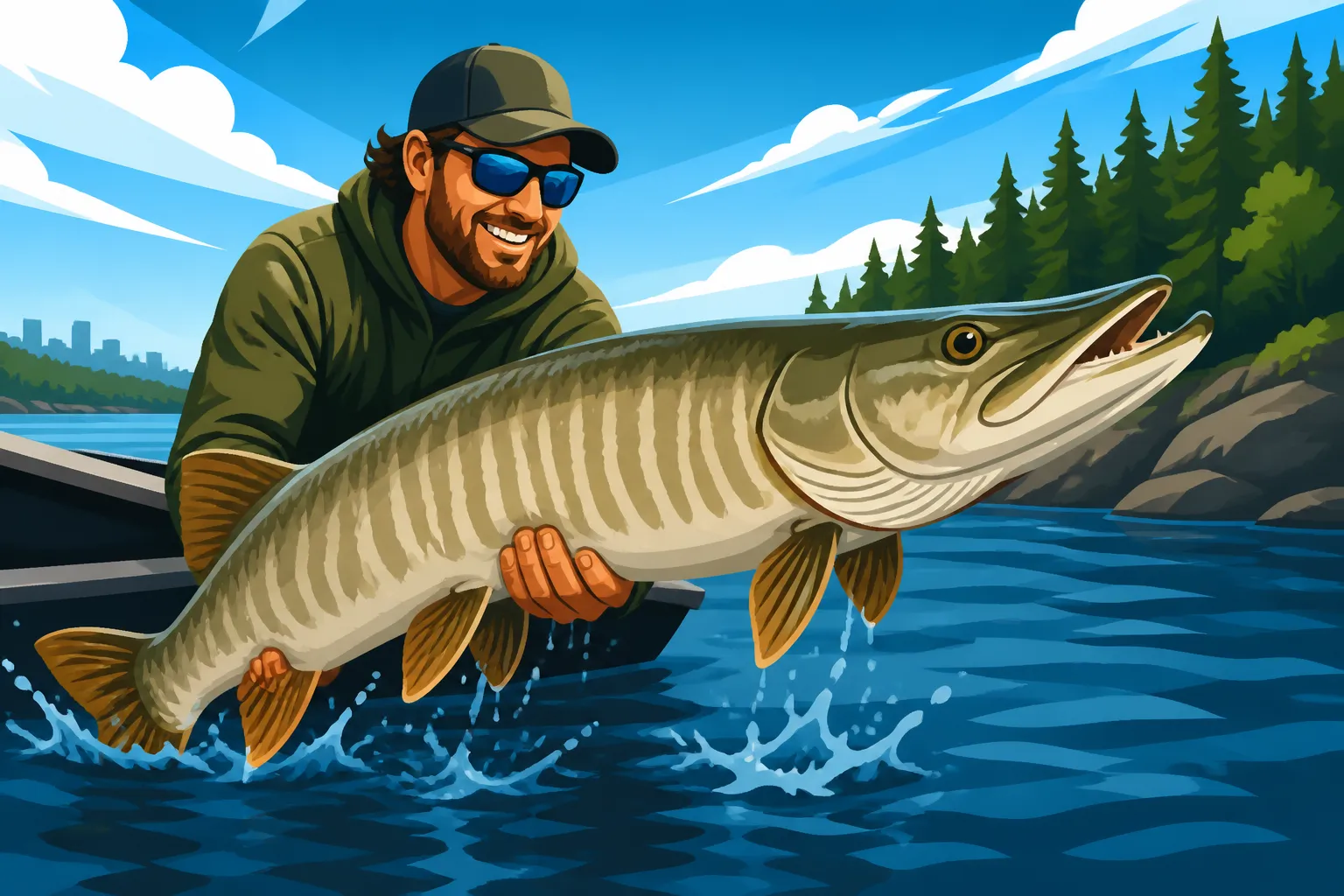
The specific world record catch-and-release muskie on the St. Lawrence River was caught by Mark Carlson, an experienced muskie hunter, on September 22, 2009. Imagine the scene: a crisp fall day, the vast expanse of the St. Lawrence River, and then, the explosive strike of a true leviathan. Carlson’s muskie measured an incredible 58 inches in length with a girth of 29 inches. While not weighed, its estimated weight based on length and girth charts was well over 60 pounds, easily making it one of the largest muskies ever recorded. This wasn't just a big fish; it was a true giant, a testament to the St. Lawrence's ability to produce world-class specimens.
The fight itself was epic, a grueling battle of wits and strength against a powerful predator. For any angler, hooking into a fish of this caliber is a heart-stopping moment, and bringing it to the boat takes skill, patience, and a bit of luck. The decision to release such a magnificent creature back into the river, allowing it to continue its role in the ecosystem and potentially spawn more trophy fish, is what truly elevates this catch to world record status in the catch-and-release category. It underscores a growing trend in muskie fishing: the emphasis on preservation over possession.
The Significance of a Catch-and-Release Record
In the world of muskie fishing, catch-and-release is not just a practice; it’s a philosophy. Muskies are long-lived, slow-growing fish, and large breeding females are crucial for the health of the population. Removing these trophy fish from the gene pool can have significant negative impacts on future generations. A catch-and-release record celebrates the achievement of landing a monumental fish while simultaneously honoring the commitment to conservation.
This type of record-keeping encourages responsible angling practices, promoting the idea that the true trophy is the experience and the healthy return of the fish to its environment. It shows respect for the resource and ensures that future anglers will also have the opportunity to chase these elusive giants. For many, a photograph of a massive muskie swimming away strong holds far more value than a mounted trophy on a wall. It’s a powerful statement about sustainable fishing and the shared responsibility we all have to protect these magnificent creatures. When we talk about New York's Trophy Fish Species, muskies are certainly at the top of that list, and knowing that anglers are releasing these giants ensures they remain a trophy species for years to come.
Strategies for Chasing St. Lawrence Muskies
Successfully landing a St. Lawrence muskie, let alone a potential world-beater, requires dedication, the right gear, and a solid understanding of muskie behavior. This isn't your casual panfish outing; it's a serious pursuit.
Gearing Up for the Battle
Muskies are incredibly powerful fish, and you need tackle that can withstand their explosive strikes and brutal fights. Skimping on gear is a surefire way to end up with broken rods, snapped lines, and a heartbreaking story of "the one that got away."
Here’s a look at the essentials:
| Gear Item | Description | Why It's Crucial |
|---|---|---|
| Heavy-Duty Rod | A stout, fast-action muskie rod, typically 8 to 9.5 feet long, rated for heavy lures. Brands like St. Croix, G. Loomis, and Shimano offer excellent options. You can find many reputable choices on Amazon. | This length provides leverage for casting large baits and controlling powerful fish. The backbone is essential for setting hooks firmly into a muskie's bony mouth and for putting maximum pressure on the fish during the fight. A quality rod will absorb the shock of head shakes and dives without compromising its integrity. |
| Robust Reel | A strong baitcasting reel with a high line capacity and a smooth, powerful drag system. Low-profile models are popular for comfort, but round reels offer more power. | The drag system is paramount, needing to be butter-smooth to prevent break-offs during a muskie's powerful runs. High line capacity is vital because muskies can make long, blistering runs, especially in open water. A sturdy frame ensures the reel won't flex or fail under extreme pressure. |
| Heavy Braided Line | 80 to 100-pound test braided line is standard. Its no-stretch property is key. | Braided line offers superior strength, sensitivity, and minimal stretch, which is crucial for feeling subtle bites and delivering solid hooksets from a distance, especially when casting heavy lures. Its abrasion resistance is also a huge advantage against toothy muskie and underwater structure. |
| Wire or Heavy Fluorocarbon Leader | A steel, titanium, or heavy fluorocarbon leader (130-200 lb test) that is at least 12-18 inches long. | Muskies have incredibly sharp teeth that will easily slice through standard monofilament or fluorocarbon main lines. A strong leader is an absolute must to prevent bite-offs, which are heartbreaking and leave a lure in the fish's mouth. |
| Lures | A variety of large bucktails, crankbaits, jerkbaits, and soft plastics. Bucktails in sizes 8, 9, or 10 are perennial favorites. Large dive-and-rise jerkbaits are also highly effective. Consider offerings from manufacturers like Musky Innovations, Chaos Tackle, and Grandma Lures, often available through retailers like Amazon. | Muskies are attracted to large, aggressive presentations. Having a diverse selection allows you to adapt to different conditions, retrieve speeds, and muskie moods. Bucktails are excellent for covering water and triggering reaction strikes, while jerkbaits offer a more erratic, stop-and-go action that can entice wary fish. Always have a variety of colors and sizes. |
| Long-Nose Pliers & Jaw Spreaders | Essential tools for safe hook removal and handling. | Muskie handling requires specialized tools to protect both the angler and the fish. Their mouths are full of sharp teeth. Long-nose pliers allow you to reach deep-set hooks, while jaw spreaders can safely keep the mouth open, minimizing the risk of injury to your hands and the fish. |
| Large Net or Cradle | A sturdy, rubberized net with a wide hoop, or a muskie cradle. | These tools are critical for safely landing and controlling a large muskie at boatside. A rubberized net protects the fish's slime coat and fins, reducing injury. Cradles offer even better support for photo opportunities and release, keeping the fish fully submerged as much as possible. |
Mastering Muskie Techniques
Muskie fishing isn't just about casting; it's about strategy, patience, and persistence. For a comprehensive look at general muskie techniques, refer to our guide on How to Fish for Muskellunge.
- Casting vs. Trolling: The St. Lawrence offers opportunities for both. Casting to specific structures like weed lines, rocky points, and current seams is highly effective. Trolling large crankbaits and glide baits at varying depths can be productive in open water, especially when covering large areas.
- The Figure-Eight: This is a non-negotiable technique. When your lure is within reach of the boat, instead of simply pulling it out of the water, plunge your rod tip into the water and trace a large "figure-eight" pattern beside the boat. Many muskies follow lures right to the boat, and this maneuver often triggers a strike at the last second. It's an adrenaline-pumping moment, and it accounts for a significant number of catches. Our article on How to Figure-Eight a Muskie Boatside provides more detailed instructions.
- Seasonal Considerations: Understanding when and where muskies will be is key. Early season (late spring/early summer) finds them cruising shallower weed beds. As summer progresses, they move to deeper, cooler water or relate to current in the main channel. Fall is prime time, as muskies actively feed in preparation for winter, often moving back to shallower feeding flats. For more on this, check out Best Season for Muskellunge Fishing in New York.
- Responsible Handling: This is critical, especially when you land a trophy. Minimize the fish's time out of water. Have your camera ready, take quick photos, and get the fish back in the water. Support its full body weight, revive it gently until it swims away under its own power. Avoid vertical holds by the jaw. Remember, the goal is a successful release.
The Ethos of Catch-and-Release Muskie Fishing
The St. Lawrence River isn't just known for its big muskies; it's renowned for a strong culture of catch-and-release. This isn't accidental; it's a conscious effort by anglers and conservationists to protect one of North America's most iconic freshwater fish.
Why Catch-and-Release is Paramount
Muskies are incredibly vulnerable to overharvest. They grow slowly, mature late, and don't produce a huge number of eggs compared to other fish species. A large female muskie can take well over a decade to reach trophy size, and removing her from the population can have a disproportionately large impact on the fishery's future. By practicing catch-and-release, anglers ensure that these genetic superstars stay in the water to continue spawning and contribute to a healthy, vibrant muskie population for generations to come. It’s a commitment to sustainability, recognizing that the thrill of the chase and the brief interaction with these magnificent creatures is the real prize. It's a fundamental part of the New York Fishing Regulations Explained for many specific fisheries and species.
Best Practices for a Successful Release
A successful catch-and-release isn't just about letting the fish go; it's about giving it the best possible chance of survival. Improper handling can lead to delayed mortality, even if the fish swims away initially.
- Minimize Fight Time: Use heavy tackle to land the fish as quickly as possible without over-stressing it. A prolonged fight can exhaust a muskie, especially in warmer water.
- Keep it Wet: Whenever possible, keep the muskie in the net or cradle in the water while unhooking and taking photos. Their slime coat, essential for protection against disease, is easily damaged when exposed to air or rough surfaces.
- Proper Unhooking Tools: Have long-nose pliers, bolt cutters (for stubborn hooks), and jaw spreaders readily accessible. Be decisive and quick. Sometimes, a quick snip of the hook is better than tearing flesh.
- Support Its Weight: When lifting a muskie for a photo, support its full body weight horizontally. Never hold a large muskie vertically by the jaw or gills, as this can damage its internal organs and spine.
- Revive Carefully: Gently hold the fish in the water by its tail and head, moving it back and forth to force water over its gills. Watch for strong tail kicks and when it can maintain its equilibrium and swim off under its own power, release it. Patience here is key.
- Be Mindful of Water Temperature: In very warm summer months, consider shortening your muskie fishing sessions or avoiding them entirely. Muskies are more susceptible to stress and mortality in warm water.
By adhering to these practices, we ensure that the incredible experience of catching a St. Lawrence River muskie is one that can be enjoyed by all, now and far into the future. Remember to always consult the New York Fishing License Guide and understand all local regulations before heading out on the water.
Disclaimer
This article is for general informational purposes only and does not constitute professional advice. Laws, prices and regulations vary by location and change over time. Consult a qualified professional for guidance on your specific situation.