New York State Record Northern Pike Weight
Every angler dreams of landing that one fish, the absolute behemoth that makes all the early mornings and tangled lines worth it. For many in New York, that dream fish is a giant northern pike, a toothy torpedo capable of putting up an incredible fight. But what does it really take to catch a state record northern pike in New York, and what does that record even look like? This guide will dive deep into the world of trophy pike fishing in the Empire State, exploring the magnificent fish that hold the state record and how you might just chase your own personal best.
The Quest for Giant Pike: New York's State Record
There's something truly captivating about northern pike. Their sleek, elongated bodies, their sharp teeth, and that unmistakable predatory stare make them one of New York's most sought-after freshwater gamefish. For generations, anglers have recounted tales of enormous pike, fish that seemed more like freshwater barracudas than anything else. These stories are what fuel the passion to break records, or at the very least, catch a fish that would be a lifetime achievement.
Unveiling the Record Holder
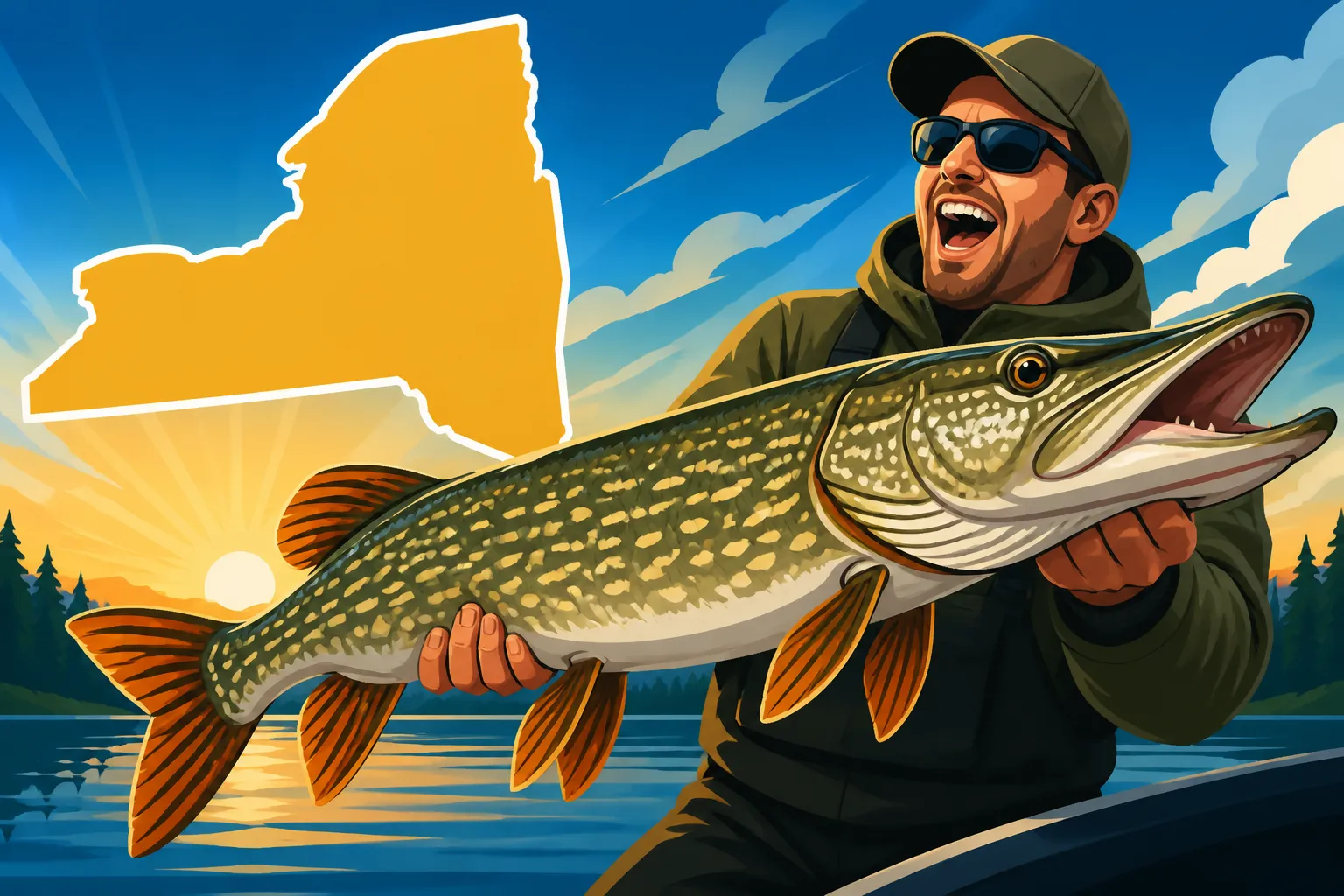
While exact weights and dates can fluctuate and are best confirmed through official state channels, New York has a truly impressive history of producing monstrous northern pike. The state record for northern pike stands as a testament to the incredible fishery we have here. It's a fish that weighed in at a truly astounding figure, caught by a dedicated angler from one of New York's renowned water bodies. Imagine the adrenaline rush, the sheer power on the other end of the line, as that immense fish fought for its freedom. It's not just a number; it's a moment etched in angling history, a benchmark that inspires countless others to hit the water with hopes of encountering a similar leviathan.
This record isn't just a fluke; it's a reflection of the robust ecosystems found in many of New York's larger lakes and rivers. It speaks to the ample forage, the favorable water temperatures, and the relatively long growing seasons that allow these powerful predators to reach truly gargantuan sizes. Holding such a record is more than just bragging rights; it's a recognition of patience, skill, and a touch of good fortune. Anglers often spend years, even decades, pursuing such a catch, honing their techniques and learning the subtle nuances of pike behavior.
Why Northern Pike Grow So Big in New York
Northern pike are incredibly adaptable fish, but to reach truly trophy dimensions, they need a specific set of conditions. New York, with its vast network of interconnected waterways, large glacial lakes, and productive river systems, provides just that. One key factor is the abundance of high-protein forage. Pike are opportunistic predators, and waters teeming with baitfish like ciscoes, smelt, perch, and even smaller walleye provide the consistent nutrition needed for rapid growth and substantial weight gain. Without a readily available "all-you-can-eat buffet," a pike simply won't have the fuel to become a true giant.
Another critical element is the sheer size and depth of many of our prominent water bodies. Lakes like the St. Lawrence River, Lake Champlain, and even some of the deeper Finger Lakes offer expansive territories where large pike can establish dominant territories, grow unmolested, and find diverse habitats ranging from shallow weed beds to deep, cool water. These large systems often have less fishing pressure in certain areas, allowing fish to age gracefully and accumulate mass over many seasons. Furthermore, the generally cold water temperatures found throughout much of the state help in two ways: they allow fish to live longer, as colder water can slow metabolic rates, and they contribute to the density and muscle mass of the fish, making them incredibly strong fighters. It's a perfect storm of environmental factors that allow these fish to thrive and challenge the limits of their species. If you're wondering about a similar, but distinct, species, you might find our guide on Muskellunge vs Northern Pike: Key Differences quite insightful.
Understanding Northern Pike in New York Waters
To truly appreciate the state record northern pike, and to increase your chances of catching a trophy of your own, it's essential to understand these remarkable fish. They are not just big, aggressive eaters; they are complex creatures with specific behaviors and habitat preferences that dictate their presence and growth in New York's diverse aquatic environments.
Northern Pike Characteristics and Habitat
Northern pike (Esox lucius) are truly unmistakable fish. Their elongated, torpedo-shaped bodies are perfectly designed for explosive bursts of speed to ambush prey. Their coloration typically ranges from dark green to olive, with lighter, bean-shaped spots or bars along their sides, which provide excellent camouflage in weedy cover. Perhaps their most intimidating feature is their mouth, a broad, duckbill-like snout lined with hundreds of razor-sharp teeth, including larger canines designed to grasp and hold onto struggling prey. This dental arsenal makes them formidable predators, and a pair of long-nosed pliers is an absolute must for safe unhooking.
When it comes to habitat, pike are kings of the weeds and structure. They prefer shallow to moderately deep water (generally less than 30 feet) in lakes, rivers, and even large ponds, especially where there is an abundance of submerged vegetation, fallen trees, rock piles, or docks. These features provide ideal ambush points where they can lie in wait, perfectly hidden, before launching a lightning-fast attack on unsuspecting baitfish or smaller gamefish. They are often found lurking at the edges of weed lines, in pockets within dense lily pads, or alongside steep drop-offs where they can quickly move into deeper water if disturbed. Understanding these preferences is key to locating them. You can learn more about their potential size in our article about Maximum Size of a Northern Pike in New York.
Prime Locations for Trophy Pike Fishing
New York boasts several world-class fisheries for northern pike, each with its own unique charm and potential for producing giants. Anglers serious about pursuing a trophy need to know where to focus their efforts.
Let's break down some of the top spots:
- St. Lawrence River: Arguably New York's premier pike destination, the St. Lawrence River, particularly around the Thousand Islands region, is renowned for its vast weed beds, countless islands, and rich forage base. This expansive system allows pike to grow to incredible sizes, with fish in the 15-25 pound range being relatively common, and true monsters always a possibility. The sheer amount of water and varied structure provides endless opportunities. Our guide to Fishing New York's St. Lawrence River and Thousand Islands offers a deeper dive into this incredible fishery.
- Lake Champlain: Straddling the border between New York and Vermont, Lake Champlain is another legendary pike fishery. Its diverse habitats, from shallow bays and extensive weed flats to rocky points and deep channels, hold an enormous population of pike, many of which are truly massive. The lake's abundant baitfish, including smelt and alewives, provide a consistent food source for these voracious predators.
- Great Sacandaga Lake: Located in the southern Adirondacks, Great Sacandaga Lake is a large, productive impoundment known for its robust pike population. It offers a mix of shallow flats, rocky shorelines, and deeper main lake basins. Early spring and late fall are often prime times to target the lake's biggest pike as they move into shallower feeding areas. When considering other beautiful waters in the region, check out Best Adirondack Lakes for Fishing.
- Black Lake: Often called "the Crappie Capital," Black Lake in St. Lawrence County is also a fantastic northern pike fishery. Its relatively shallow, fertile waters are choked with vegetation, creating ideal ambush cover for pike. While it might not produce the sheer numbers of twenty-pounders that the St. Lawrence can, it consistently puts out very respectable fish.
These locations, along with other large Finger Lakes and some Great Lakes tributaries, offer the optimal conditions for northern pike to not just survive, but to truly thrive and reach the kind of weights that put them into contention for state records or, at the very least, make for unforgettable fishing stories. New York truly offers some of the best opportunities for those seeking New York's Trophy Fish Species.
Strategies for Catching Your Own Trophy Pike
Landing a state record northern pike isn't just about luck; it's about preparation, understanding, and employing the right techniques. While the record itself is a formidable target, applying these strategies will undoubtedly increase your chances of catching any large pike and making your fishing trips more successful.
Best Baits and Lures for Big Pike
When targeting big northern pike, you need to think big. These fish aren't shy about attacking substantial meals, so downsizing your presentations won't often yield the results you're looking for. Large lures that mimic the pike's natural forage or trigger their aggressive instincts are key.
Here's a rundown of essential baits and lures:
- Large Spoons: Classic spoons, especially in silver, gold, or flashy perch patterns, are deadly for pike. Their wobbling action imitates injured baitfish, and their flash attracts attention from a distance. Sizes from 1 oz up to 2 oz or more are appropriate. They cast like a dream and can be fished effectively over weed tops or along drop-offs.
- Bucktails and Inline Spinners: These lures create a lot of vibration and flash, making them irresistible to aggressive pike. Large bucktails, often used for muskellunge, are fantastic for big pike, as are oversized inline spinners. Experiment with skirt colors and blade finishes. You can often find a great selection of these on Amazon, ready to be added to your tackle box.
- Crankbaits and Jerkbaits: Big crankbaits, especially those with a wide wobble and a diving lip that can reach depths where pike are holding, are excellent. Suspending jerkbaits that can be twitched and paused, mimicking a struggling baitfish, are also incredibly effective. Choose models that are at least 6-8 inches long.
- Swim Baits: Realistic soft plastic swimbaits, often weighted internally, provide a natural profile and swimming action. Rigged weedless, they can be worked through heavy cover where big pike often lurk.
- Live Bait (Where Permitted): In some areas, fishing with large live bait, such as big shiners, suckers, or perch (check regulations for species and size), can be incredibly effective, especially under a bobber or slowly drifted. The natural scent and movement can entice even the most wary trophy pike. Just remember to always use appropriate sized hooks and tackle to ensure the fish is handled responsibly.
No matter your lure choice, equip yourself with heavy-duty tackle. A medium-heavy to heavy action rod (7-8 feet in length), a robust reel with a smooth drag, and strong braided line (at least 30-50 lb test) are essential. And perhaps most critically, always use a heavy-duty steel or fluorocarbon leader (50-80 lb test) to prevent those razor-sharp teeth from severing your line. For more specific recommendations, our article on Best Lures for Northern Pike in Spring can offer some additional guidance.
Seasonal Considerations and Techniques
Northern pike behavior, and thus the most effective fishing techniques, change significantly with the seasons. Understanding these shifts is vital for consistently locating and catching trophy fish.
- Spring (Post-Spawn): After the ice thaws and pike complete their spawning rituals in shallow, vegetated areas, they become incredibly hungry and aggressive. This is a prime time for trophy pike. They'll often remain in or near these shallow areas, recuperating and feeding heavily. Casting large spoons, crankbaits, or swimbaits over emergent weed beds and along shallow points can be highly productive. Focus on warmer, sunny days when they are most active.
- Summer: As water temperatures rise, many large pike will seek out cooler, deeper water, often relocating to deep weed lines, submerged humps, or thermal clines. They might still be found in shallower, well-oxygenated areas during low-light conditions or after cold fronts. Trolling large crankbaits or spoons along these deeper structures can be effective, as can casting heavy spinnerbaits or jigs into deep pockets within weed beds. Early morning and late evening are often the best times.
- Fall (Pre-Winter Feed): This is another fantastic time for trophy pike. As water temperatures cool, pike enter a pre-winter feeding frenzy, bulking up for the lean months ahead. They become incredibly aggressive and will actively hunt in both shallow and deeper waters. Casting large jerkbaits, bucktails, and lipless crankbaits near prominent points, rocky structures, and the remaining green weed beds can yield spectacular results. The fall bite can be some of the most exciting fishing of the year.
- Winter (Ice Fishing): For dedicated anglers, ice fishing offers a unique opportunity to target big pike. They remain active under the ice, often patrolling weed edges and structure. Setting up tip-ups with large live minnows (such as suckers or large shiners) is a classic and highly effective method. Jigging with large spoons or lipless crankbaits can also draw strikes. Remember to prioritize safety on the ice. Our comprehensive Ice Fishing in New York: A Complete Guide and Best Winter Fishing Techniques in New York will provide you with all the details you need to get started safely and effectively.
By adapting your approach to the season and the specific behaviors of these incredible predators, you significantly increase your chances of hooking into a truly memorable northern pike.
Record Keeping and Ethical Angling
Chasing a state record is an exciting endeavor, but it comes with a responsibility to understand the rules and practice ethical angling. New York, like all states, has specific procedures for verifying record catches, and responsible practices are paramount, especially when targeting such magnificent fish.
How State Records Are Verified
The process of officially documenting a state record catch is rigorous for a reason – it ensures accuracy, fairness, and the integrity of the record books. If you believe you've landed a fish that could challenge a state record, here's a general outline of what's typically involved:
- Official Weighing: The most crucial step is getting an accurate, certified weight. This usually means finding a scale that has been officially certified for trade (like those found at post offices, some grocery stores, or designated tackle shops). The fish must be weighed in front of witnesses, often a minimum of two unrelated adults. No one wants to see a record invalidated due to an uncertified scale or lack of proper witness testimony.
- Species Identification: While northern pike are distinct, positive identification by a qualified expert (such as a New York State Department of Environmental Conservation biologist) is often required. This ensures that the fish isn't a hybrid or a similar species that might be mistaken for the record-breaking fish.
- Measurements and Photos: Accurate length and girth measurements, along with clear photographs of the fish from multiple angles (showing the entire fish, the angler, and the scale reading), are typically part of the submission package. These details help further verify the catch and provide valuable data.
- Documentation: You'll need to fill out official forms provided by the state's environmental agency, detailing the catch location, date, time, tackle used, and witness information. This formal documentation is critical for the record to be considered legitimate.
The entire process is designed to eliminate doubt and celebrate a truly exceptional catch. It underscores the incredible achievement of the angler and the quality of New York's fisheries. For detailed rules and contact information, always consult the official New York Fishing Regulations Explained.
Responsible Angling for Trophy Fish
Catching a truly massive northern pike is often a once-in-a-lifetime event. With such a special catch comes the responsibility to ensure the long-term health of our fisheries, especially for these large, mature fish that are vital for reproduction.
- Catch-and-Release Practices: For many anglers, the thrill is in the catch, not necessarily keeping the fish, especially a potential record-breaker. Practicing catch-and-release, particularly for large breeding females, is a cornerstone of conservation. If you're going to release a fish, be prepared. Have your camera ready, your measuring device handy, and plan to minimize the fish's time out of water.
- Proper Handling: These fish are strong and have sharp teeth, but they are also delicate. If you plan to release a trophy pike, handle it gently. Use a large, rubberized landing net to minimize damage to its slime coat and fins. Support the fish horizontally with two hands (one under the head, one under the belly) if lifting it for a quick photo. Avoid holding it vertically by the jaw, which can cause internal damage. A pair of sturdy jaw spreaders can be invaluable for safely removing hooks. Release the fish slowly, allowing it to regain its strength before swimming off.
- Live Release Records: Many anglers and organizations are increasingly promoting live release records, where the largest fish are measured, photographed, and released to swim another day. This approach celebrates the achievement without removing valuable breeding stock from the fishery. While traditional weight records still exist, recognizing the value of a live release is a progressive step in angling ethics.
- Know Your Limits: Always be aware of the specific regulations for the water body you are fishing, including minimum size limits and daily creel limits. These rules are in place to protect fish populations and ensure sustainable angling for future generations. For example, understanding bag limits, even for other species, is crucial, such as the New York Statewide Trout Bag Limit.
By embracing responsible angling practices, we ensure that the pursuit of trophy northern pike remains a viable and thrilling endeavor for years to come.
Disclaimer
This article is for general informational purposes only and does not constitute professional advice. Laws, prices and regulations vary by location and change over time. Consult a qualified professional for guidance on your specific situation.