The Biggest Fish Ever Caught in New York
For many anglers, there's a dream that keeps them coming back to the water: the dream of hooking into a true monster, a fish so big it becomes the stuff of legend. New York State, with its incredible diversity of waters from the Great Lakes to the Atlantic, holds the promise of such giants. This guide isn't just about celebrating those record-breaking catches; it's about understanding what goes into them, the species that grow to epic proportions, and how you might just land your own unforgettable trophy.
The Allure of the State Record: What Makes a Fish the "Biggest"?
The pursuit of a state record isn't just about bragging rights, though those are certainly a part of it! It’s about pushing the boundaries of what's possible, about proving the incredible potential of New York's fisheries, and sometimes, it's about a decades-long quest finally coming to fruition. When we talk about "the biggest fish," we're generally referring to certified state records for weight, verified by the New York State Department of Environmental Conservation (DEC). These aren't just fish stories; they're meticulously documented achievements.
Understanding the Official Record Process
To be considered for a state record, a fish typically needs to meet stringent criteria. It usually must be caught by legal means, weighed on certified scales, and verified by DEC officials. Often, a photo of the fish and the angler, along with details about the tackle and location, are required. This rigorous process ensures that every state record is legitimate and stands as a true benchmark for future anglers. It's not just about a big fish; it's about an officially recognized big fish.
Sometimes, records change hands as new anglers manage to beat the existing mark, while others have stood for decades, defying all attempts to surpass them. The stories behind these catches often involve immense patience, specialized gear, and a deep understanding of the target species and its habits. It’s a testament to the skill and dedication of the anglers, and the health and vitality of New York's diverse aquatic ecosystems.
The Debate: Catch-and-Release vs. Kept Records
While the official state records primarily focus on fish that have been harvested and weighed, there's a growing recognition of "catch-and-release" records in many fishing circles. For species like muskellunge, which take a very long time to grow to trophy size, many anglers now opt to release their giants, ensuring they can continue to spawn and contribute to the population. While these might not be "official" state records in the traditional sense, the sheer length and girth of some released fish are truly astounding, capturing the imagination of anglers just as much as a weighed record. It highlights a shift towards conservation, where the thrill of the catch and the health of the fishery are paramount. However, when we talk about "the biggest fish ever caught", the discussion usually circles back to those officially weighed and documented giants.
New York's Freshwater Giants: Legendary Catches
New York is blessed with an abundance of incredible freshwater fishing opportunities, from the vast expanses of the Great Lakes to countless rivers, streams, and inland lakes. Within these waters lurk some truly massive fish, and certain species consistently produce the heaviest state records.
The Reign of the Muskellunge
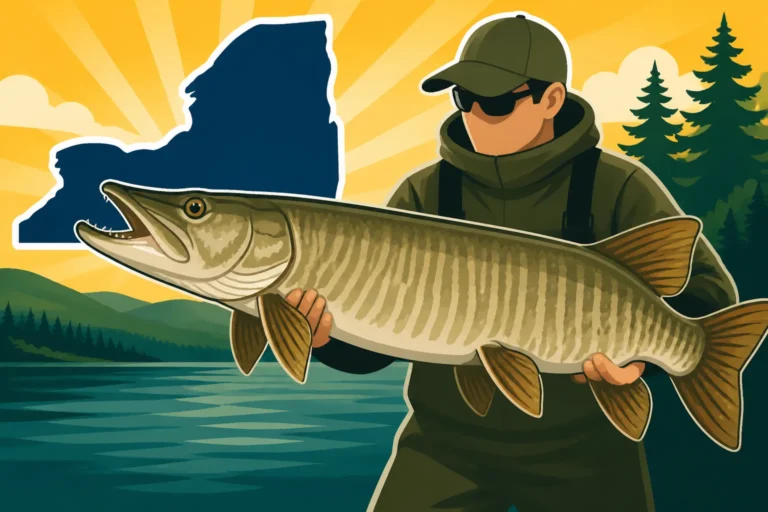
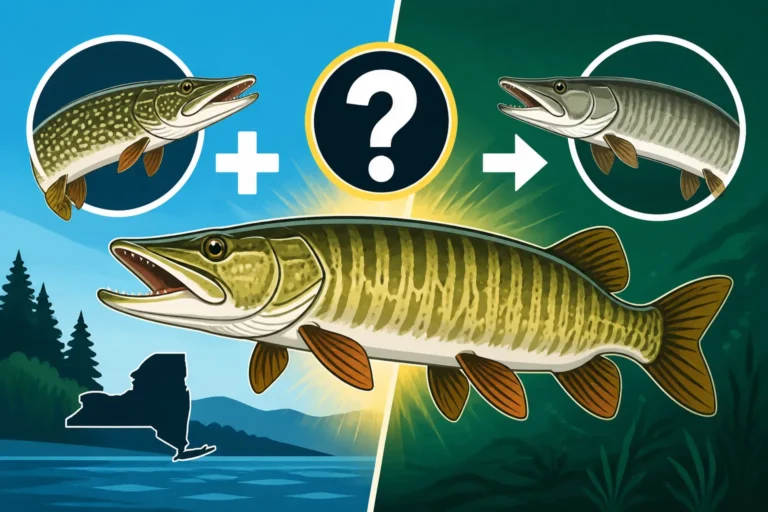
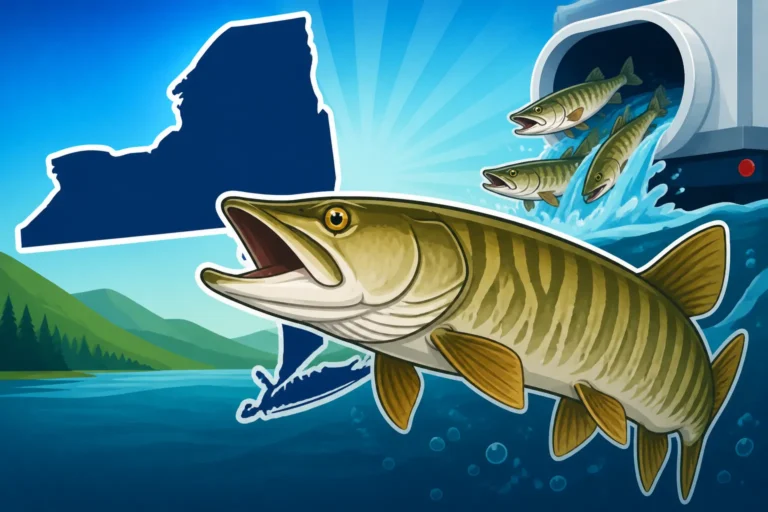
Perhaps no freshwater fish captures the imagination of New York anglers quite like the muskellunge, often called the "fish of 10,000 casts." These apex predators are known for their incredible size, formidable teeth, and fierce fighting ability. The current New York State record muskellunge is a truly legendary fish, weighing an astonishing 69 pounds, 15 ounces. This behemoth was caught way back in 1957 by Art Lawton from the St. Lawrence River. Imagine the sheer power of a fish nearly 70 pounds! This record has stood the test of time, a testament to the colossal size these fish can reach in the nutrient-rich waters of the St. Lawrence. Art Lawton Caught New York's Record Muskellunge in 1957 is a story that continues to inspire anglers dreaming of their own trophy catch. Many anglers who target these giants rely on heavy-duty tackle, often found through retailers like Amazon, designed to handle the explosive power and sheer weight of a massive muskie.
Muskies like Lawton's are not an everyday catch. They are elusive, intelligent, and require dedicated effort and specialized techniques. Anglers often spend countless hours trolling massive crankbaits or casting oversized bucktails, hoping to entice one of these freshwater titans. The St. Lawrence River, with its abundant forage and diverse habitat, remains a premier destination for muskie enthusiasts looking to pursue their own personal best. For those truly dedicated, knowing How to Fish for Muskellunge involves learning about seasonal patterns, lure choices, and proper handling of these magnificent creatures.
Other Notable Freshwater Records
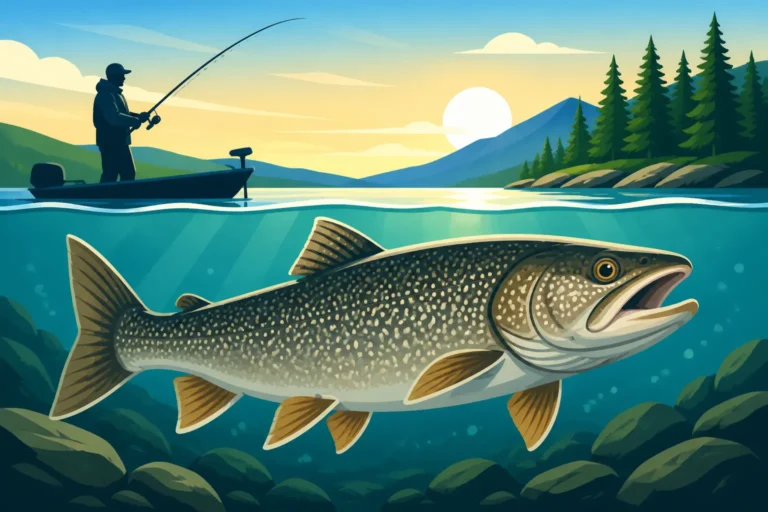
While the muskie often takes center stage for its sheer weight, many other freshwater species in New York also boast impressive state records. Lake Trout in the Great Lakes, for instance, can reach incredible sizes, with fish well over 40 pounds being recorded. These deep-water predators require specialized Trolling Techniques for New York's Lakes and heavy gear to bring them up from the depths. Similarly, salmon species like Chinook and Coho in Lake Ontario often surpass the 30-pound mark, providing thrilling battles, especially during their spawning runs up tributary rivers.
Bass fishing in New York, both largemouth and smallmouth, is extremely popular, and while they don't reach the same colossal weights as muskies or lake trout, the state records for these species are still highly respectable, often exceeding 10 pounds. A 10-pound largemouth or a 7-pound smallmouth is a truly gargantuan fish for its species, representing the pinnacle of bass angling achievement in the state. New York's Most Popular Freshwater Fish truly showcases the diversity available to anglers.
Chasing Saltwater Behemoths: New York's Marine Records
New York's coastline, from Long Island Sound to the Atlantic Ocean, offers a completely different class of trophy fish. Saltwater species often grow larger and fight harder, providing an adrenaline-fueled experience for those seeking true giants.
The Legendary Striped Bass
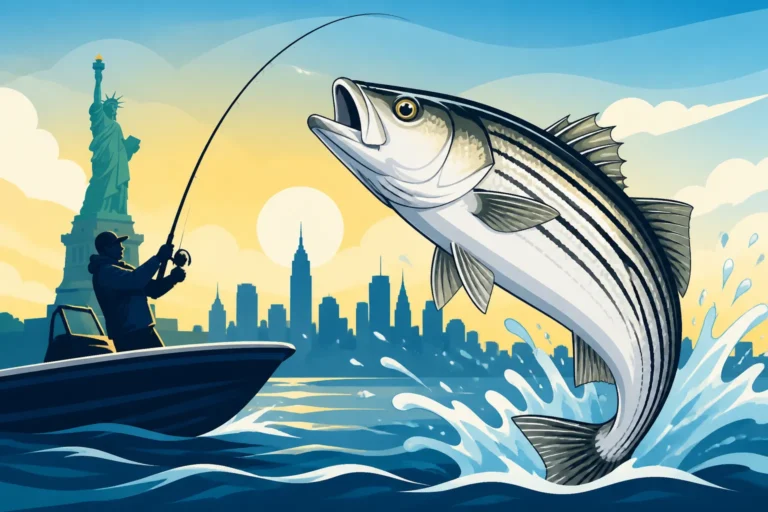
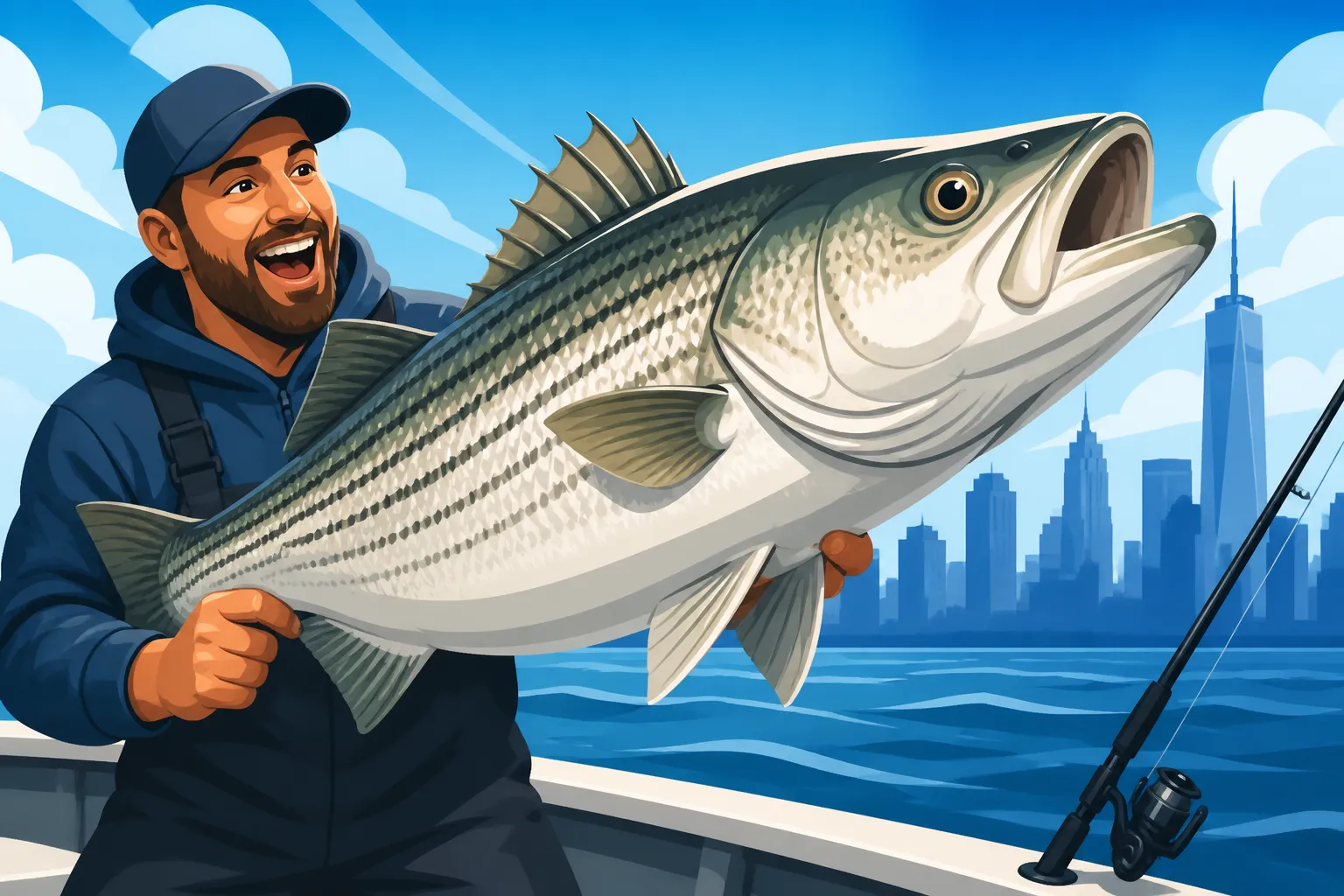
For many saltwater anglers in New York, the striped bass is the undisputed king. These powerful anadromous fish migrate along the coast, entering estuaries like the Hudson River to spawn. The state record striped bass is an awe-inspiring fish, a testament to the size and strength these predators can achieve. New York's Biggest Striped Bass Ever Caught often involves intricate knowledge of tides, baitfish movements, and specific techniques like live-lining bunker or chunking.
Stripers in the 50-pound class are considered trophy fish, and the state record is significantly heavier than that. Catching such a fish requires not only the right conditions but also stout rods, reels with excellent drag systems, and strong, abrasion-resistant fishing line, which you can often find a wide selection of on Amazon. Anglers often spend countless nights on the beaches or aboard boats, patiently waiting for a colossal "cow" striper to make an appearance. The thrill of hooking into a truly massive striped bass is an experience many anglers chase their entire lives.
Other Deep-Sea and Nearshore Records
Beyond striped bass, New York's marine waters are home to a host of other large species capable of setting records. Offshore, species like tuna (Bluefin and Yellowfin) can reach hundreds of pounds, requiring specialized big-game tackle and charters. Closer to shore, species like bluefish, fluke, and tautog (blackfish) might not reach the same mind-boggling weights as a muskie or tuna, but their state records represent truly exceptional examples of their kind. A record bluefish, for instance, would be a toothy, aggressive fighter that pushed tackle to its limits.
The pursuit of these saltwater records often means venturing far from shore or fishing in challenging conditions, relying on robust boats and experienced captains. It's a different kind of angling, but the rewards—a record-setting catch—are equally profound. New York's Most Popular Saltwater Fish covers many of these species, highlighting the incredible fishing diversity the state offers.
Table of New York's Premier State Record Fish
Here's a look at some of New York's most impressive state fish records, showcasing the sheer size potential in our waters. Please note that exact weights and dates for all species might fluctuate as records are broken. The muskellunge record, however, has stood the test of time for decades.
| Species | Record Weight (Approx.) | Record Holder (If known) | Location of Catch | Year (If known) | Notes |
|---|---|---|---|---|---|
| Muskellunge | 69 lbs, 15 oz | Art Lawton | St. Lawrence River | 1957 | A truly iconic freshwater record |
| Striped Bass | Over 70 lbs | (Various past holders) | Marine/Estuary waters | (Varies) | Top predator, highly sought after |
| Lake Trout | Over 40 lbs | (Various past holders) | Great Lakes (e.g., Lake Erie, Lake Ontario) | (Varies) | Deep-dwelling cold-water giant |
| Chinook Salmon | Over 45 lbs | (Various past holders) | Lake Ontario | (Varies) | Powerful fighting Pacific salmon |
| Brown Trout | Over 30 lbs | (Various past holders) | Rivers/Lakes | (Varies) | Wily and hard-fighting, often migratory |
| Channel Catfish | Over 30 lbs | (Various past holders) | Inland Lakes/Rivers | (Varies) | Strong, bottom-dwelling scavenger |
| Largemouth Bass | Over 10 lbs | (Various past holders) | Inland Lakes/Ponds | (Varies) | Popular game fish, elusive at this size |
| Smallmouth Bass | Over 8 lbs | (Various past holders) | Great Lakes/St. Lawrence | (Varies) | Aggressive fighter, especially in clear water |
Note: Specific records for various species are subject to change. Always consult the official New York State Department of Environmental Conservation (DEC) records for the most current information.
Pursuing Your Own Trophy: Tips for Aspiring Record Holders
While breaking an official state record is a rare feat, the journey to catch a personal best, or even a fish that looks like a record-breaker, is an incredibly rewarding endeavor. It requires preparation, persistence, and often, a bit of luck.
Targeting Specific Species and Locations
The first step is to identify the species you want to target and then research the best places to find truly large specimens. For muskies, the St. Lawrence River and its vast network of bays and channels remain unparalleled. For big lake trout and salmon, the deep waters of Lake Ontario and Lake Erie are your best bets. If you're chasing massive striped bass, the Hudson River's spring run or the Atlantic coast of Long Island during migration periods are prime.
Knowing the fish's habits, preferred habitats, and feeding patterns for each season is crucial. A good starting point is to explore resources like Best Fishing Spots in New York or specific guides like Fishing New York's St. Lawrence River and Thousand Islands or Fishing the Hudson River in New York: Where to Go to narrow down your options.
Essential Gear for Big Game Fishing
You can't bring a knife to a gunfight, and you certainly can't bring ultralight tackle to a battle with a 50-pound fish. Heavy-duty gear is non-negotiable when targeting state-record contenders. This means:
- Robust Rods: Look for heavy-action rods designed for big game, capable of handling significant weight and providing the leverage needed to turn a powerful fish.
- Strong Reels: Reels with smooth, powerful drag systems and high line capacity are essential. Whether it's a large conventional reel for trolling or a heavy-duty spinning reel for casting, ensure it can withstand immense pressure.
- Heavy Fishing Line: Braided line with high breaking strength is often preferred for its sensitivity and power. Fluorocarbon or monofilament leaders are common to provide stealth and abrasion resistance. Many anglers swear by specific brands and types of line, easily sourced from online retailers like Amazon.
- Specialized Lures and Baits: For muskies, think oversized crankbaits, bucktails, and soft plastics. For large stripers, live eels, bunker, or large plugs are key. Having a well-stocked tackle box with Best Lures for Muskellunge or other species-specific baits is crucial.
Don't skimp on quality when it comes to tackle. A weak knot, a cheap hook, or a faulty drag can be the difference between landing the fish of a lifetime and telling a heartbreaking "one that got away" story.
Techniques for Landing a Trophy
Catching a truly massive fish often involves specific techniques beyond standard angling.
- Trolling: For deep-dwelling lake trout, salmon, or large muskies in vast waters, trolling with specialized downriggers and planer boards can cover a lot of ground and put your bait in front of the biggest fish. Mastering different depths and speeds is key.
- Live Baiting: For species like striped bass or muskie, presenting a large, lively baitfish can often be the most effective way to entice a record-sized predator. This requires careful handling of bait and stout hooks.
- Casting Heavy Lures: For aggressive feeders like muskies or stripers, repeated casting of large, flashy lures to known hotspots can trigger a strike. The famous "figure-eight" maneuver at the boat side for muskies is a perfect example of a specialized technique.
- Patience and Persistence: More than any single technique, the willingness to put in the time, endure slow days, and keep learning is what separates good anglers from those who consistently catch giants. Fishing for trophy fish isn't always glamorous; it's often a grind.
Remember to check New York Fishing Regulations Explained for your specific target species and location, as rules can vary greatly.
Conservation and Responsible Angling
While the dream of a state record often involves keeping a fish to be weighed, responsible angling practices are paramount, especially when targeting long-lived, trophy-sized species. Many anglers, even those chasing records, practice selective harvest or catch-and-release for the largest fish, ensuring these valuable broodstock can continue to reproduce.
If you do decide to keep a potential record, ensure you know the proper handling and measuring techniques to keep the fish in good condition for official verification. Otherwise, learn how to quickly and safely release large fish, minimizing stress and injury. The future of New York's incredible trophy fisheries depends on all of us doing our part.
Disclaimer
This article is for general informational purposes only and does not constitute professional advice. Laws, prices and regulations vary by location and change over time. Consult a qualified professional for guidance on your specific situation.