Fish Species Found in the Hudson River
The Hudson River is a lifeline for New York, and for anglers, it presents a fascinating challenge and an incredible reward. Many folks, especially those new to fishing this iconic waterway, feel overwhelmed by its sheer size and the bewildering array of fish species that call it home. You might wonder if you need different gear for different sections, or what you're even likely to reel in. Well, don't fret! This comprehensive guide is designed to help you understand the diverse aquatic inhabitants of the Hudson, from its freshwater sources down to its brackish estuary, giving you the knowledge to approach this river with confidence.
The Hudson River's Unique Aquatic Ecosystem
The Hudson River isn't just one type of water body; it's an incredible tapestry of environments, each supporting its own unique cast of characters. From the cold, clear headwaters in the Adirondacks to the vast, tidal estuary that meets the Atlantic Ocean, the Hudson presents a dynamic and ever-changing habitat. This dramatic ecological gradient is precisely what makes it such a fishing wonderland, but it also means that what you catch can vary wildly depending on where you drop your line.
A River of Contrasts: Freshwater, Brackish, and Tidal Zones
Think of the Hudson as having distinct personalities. Upstream, north of Albany, you're primarily in a classic freshwater river system, influenced by countless tributaries and forested landscapes. Here, the fish you'll encounter are typical freshwater species that thrive in flowing currents and still backwaters. As you move south past Albany, things start to get interesting. The river becomes distinctly tidal all the way up to the Troy Dam, meaning the water level rises and falls with the ocean's tides, even though the water itself is still fresh.
Further south, roughly around the Newburgh Bay area, you'll start to experience the "salt front." This is the point where the freshwater flowing downstream meets and mixes with the saltwater pushing up from the Atlantic. The location of this salt front isn't static; it shifts significantly based on rainfall and river flow. During dry periods, the salt front can push much further upstream, bringing saltwater species with it. After heavy rains, it can be pushed back downriver. This transitional zone, known as the estuary, is a brackish wonderland, supporting species that can tolerate a mix of fresh and salt, as well as anadromous fish that migrate between the two. Do I Need Both a Freshwater License and a Marine Registry? can help you navigate the licensing requirements for these varied zones.
What Makes the Hudson So Rich?
The Hudson's incredible biodiversity isn't just a happy accident; it's a testament to its ecological resilience and decades of dedicated conservation efforts. Despite its industrial past, the river has seen significant improvements in water quality, allowing many species to rebound. Its vast watershed, stretching across a significant portion of eastern New York, feeds it with nutrients and provides diverse spawning and nursery grounds.
The sheer volume of water, combined with its connectivity to both freshwater lakes and the Atlantic Ocean, creates a highway for migratory fish and a stable home for resident species. The Hudson is a living laboratory, a place where you can witness the incredible power of nature to recover and adapt, making every fishing trip an adventure in discovery. It’s a complex system, and understanding its various zones is key to predicting what you might find on the end of your line.
Freshwater Favorites of the Upper Hudson
As you venture into the upper stretches of the Hudson River, particularly above the salt front and further north towards the Adirondacks, you'll find yourself in classic freshwater fishing territory. This is where many anglers feel right at home, targeting species that are familiar and often abundant. The diverse structure of the upper Hudson, with its rocky banks, slower pools, and weedy coves, provides ample habitat for a variety of game fish and panfish.
Bass, Panfish, and Perch Aplenty
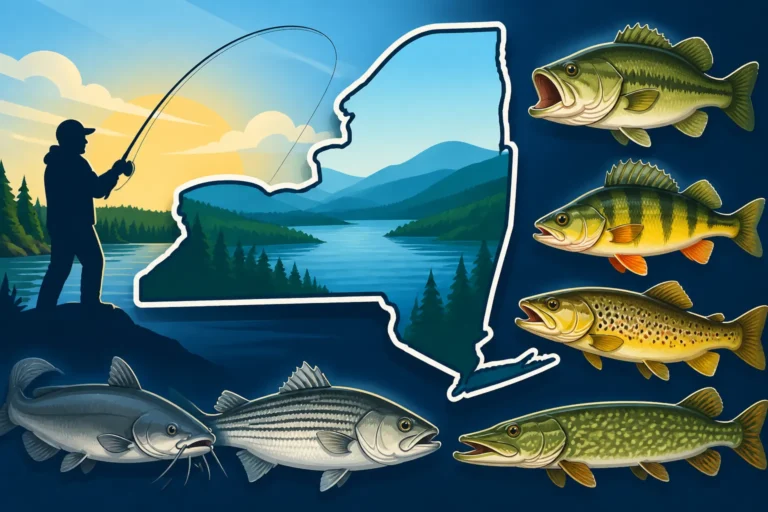
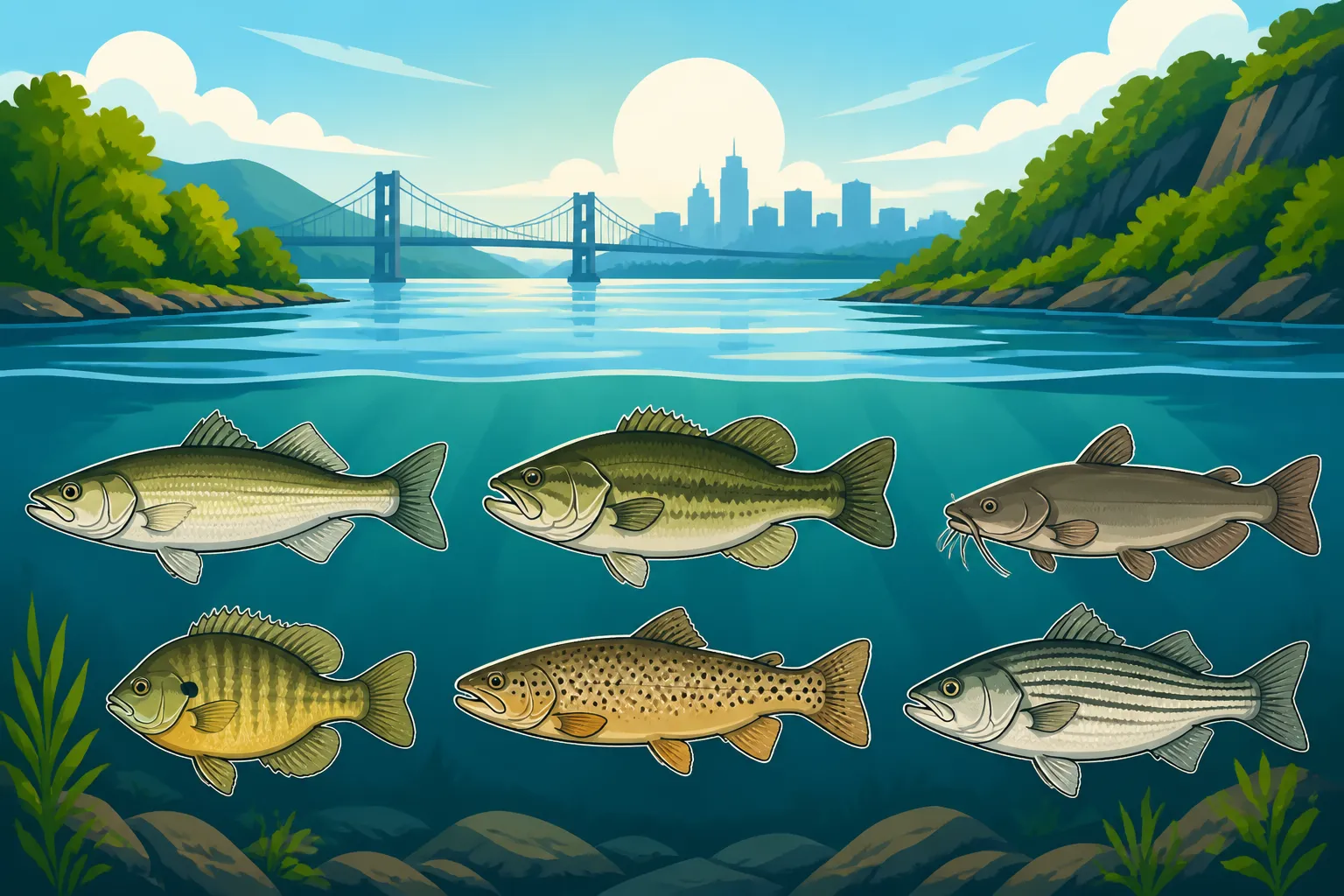
In these freshwater realms, bass are king for many anglers. Both largemouth and smallmouth bass thrive in different parts of the upper Hudson, offering exciting battles on light tackle.
- Largemouth Bass: You'll find these green-backed beauties lurking in the quieter, weedier sections of the river, especially around submerged logs, lily pads, and docks. They love ambush points, so pitching jigs, Texas-rigged worms, or topwater frogs into heavy cover can be incredibly effective. A warm, sunny day is often prime time to target these aggressive eaters. If you're looking for consistent action and a strong fight, the largemouth won't disappoint.
- Smallmouth Bass: Preferring rocky bottoms and areas with more current, smallmouth bass are often found in the main channel or around bridge pilings and natural rock formations. They're known for their incredible fighting ability, often leaping clear of the water when hooked. Crankbaits, tube jigs, and swimbaits are popular choices for enticing these bronze bombers. Understanding Bass Daily Limit and Minimum Size in New York is crucial, as regulations can vary.
- Yellow Perch: A delightful species for anglers of all ages, yellow perch are abundant throughout the freshwater Hudson. They're gregarious fish, often found in schools, making them a fun target. Look for them around submerged vegetation, drop-offs, and soft bottom areas. Small jigs tipped with a grub or a piece of worm, or even just a simple bobber setup with a worm, will usually get their attention. They're also fantastic table fare, making them a popular choice for families.
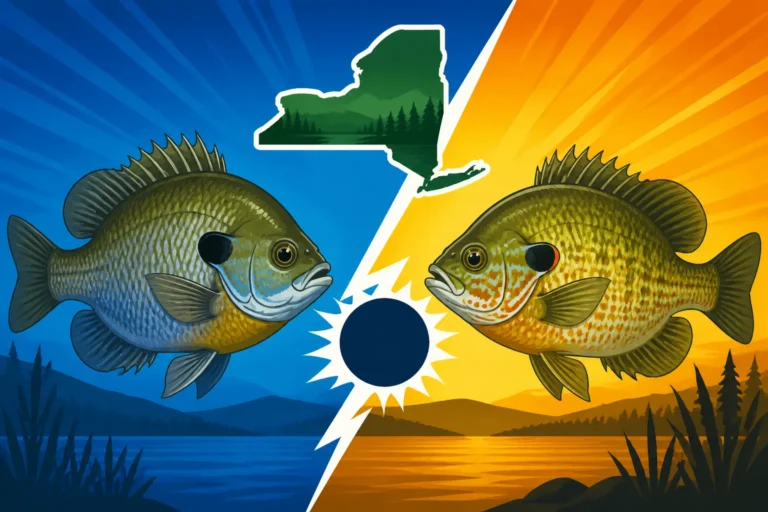
- Crappie, Bluegill, and Sunfish: The Hudson's freshwater sections are teeming with a variety of panfish. Black crappie are often found around submerged brush, fallen trees, and bridge structures, especially in the spring and fall. Bluegill and other sunfish species are ubiquitous, inhabiting almost any area with cover. These smaller fish are perfect for introducing kids to fishing, as they're usually eager biters and provide constant entertainment. Ultralight tackle with tiny jigs, spinners, or a simple worm under a bobber is all you need to have a blast with these feisty little guys.
Catfish, Carp, and Other Bottom Dwellers
Don't overlook the powerful bottom dwellers that reside in the Hudson's freshwater reaches. These species offer a different kind of angling challenge and can provide some truly memorable catches.
- Channel Catfish: If you're looking for a strong pull, the channel catfish is your target. These whiskered warriors are common throughout the freshwater Hudson, preferring deeper holes, slow currents, and areas with submerged structure. They're primarily nocturnal feeders but can be caught during the day, especially in low light conditions. Stink baits, cut bait, worms, and even hot dogs are popular choices. A stout rod and heavy line are recommended, as these fish can grow quite large and put up a serious fight. Learning more about Channel Catfish in New York can help you refine your strategy.
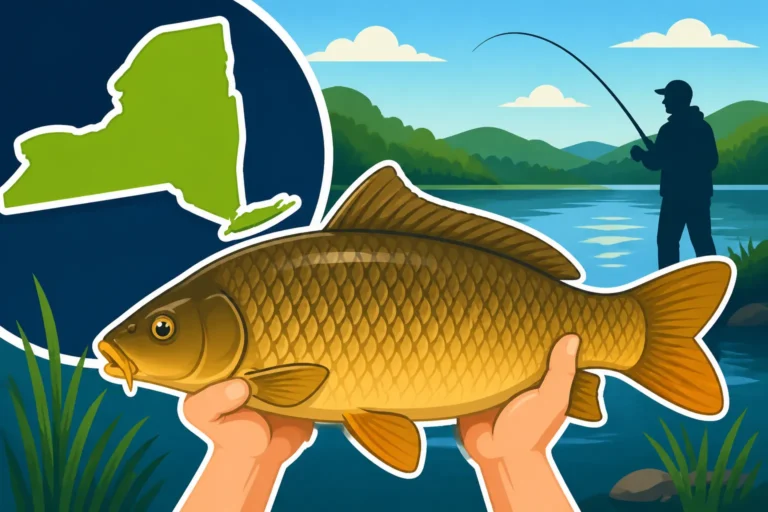
- Common Carp: Often unfairly maligned, common carp are powerful, intelligent fish that can grow to impressive sizes in the Hudson. They're found in virtually all freshwater sections, favoring slow-moving or still waters with soft bottoms. Anglers dedicated to carp fishing use specialized techniques, often involving dough balls, corn, or boilies presented on a hair rig. Landing a large carp is an incredible feat of strength and patience, offering an exhilarating fight. If you're curious about targeting these giants, our guide on Carp Fishing in New York has plenty of tips.
- Bullheads: While not as large as channel catfish, brown bullheads and yellow bullheads are incredibly common and widespread in the Hudson. They're robust, tolerant fish that can be found in almost any freshwater habitat, particularly muddy or weedy areas. They're easy to catch on worms or cut bait, and like perch, make excellent eating. They're a perfect target for a relaxed evening of bank fishing.
Pike and Pickerel
For those who enjoy targeting toothy predators, the upper Hudson won't disappoint. Northern pike and chain pickerel add another layer of excitement to the freshwater fishing scene.
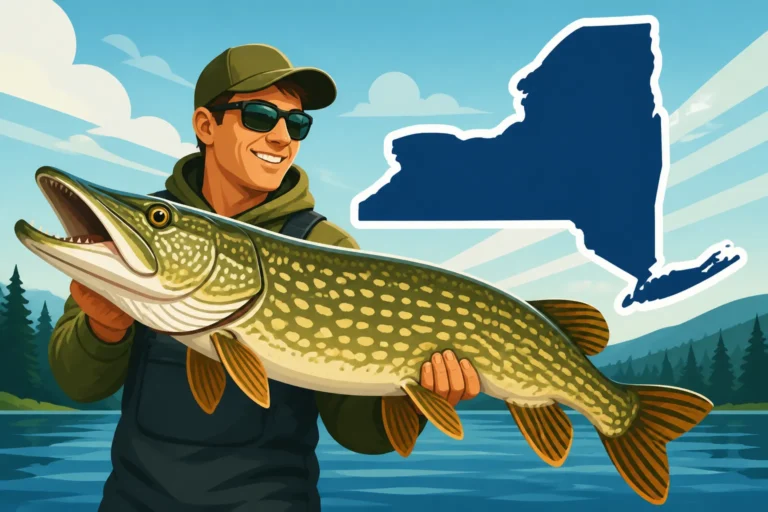
- Northern Pike: These sleek, aggressive predators are found in the more vegetated, slower-moving sections of the upper Hudson. They're ambush hunters, lurking in weed beds or around submerged structures, waiting to dart out and strike unsuspecting prey. Large spoons, spinnerbaits, and swimbaits are highly effective, as are live minnows. Be sure to use a wire leader, as their razor-sharp teeth will easily sever monofilament or fluorocarbon lines. Discover more about Northern Pike in New York to boost your chances.
- Chain Pickerel: Smaller cousins to the pike, chain pickerel are also found in similar shallow, weedy habitats. They're characterized by their distinctive chain-like markings and offer a fast-paced, action-packed fishing experience. Like pike, they have sharp teeth, so a leader is essential. They readily strike smaller spoons, inline spinners, and twitch baits. While not as large as pike, they're incredibly fun to catch, especially on lighter tackle.
Estuarine and Anadromous Wonders
As the Hudson River transitions from pure freshwater to its dynamic estuary, a whole new suite of fish species emerges. This brackish zone, where the fresh and saltwater mingle, is a critical habitat for fish that can tolerate a range of salinities. It's also a vital migratory highway for anadromous species—those fish that spend most of their lives in saltwater but return to freshwater to spawn. This is arguably the most famous and diverse section of the Hudson for anglers, offering opportunities for some truly epic catches.
The Iconic Striped Bass
No discussion of Hudson River fishing would be complete without reverently mentioning the striped bass. This is the fish of the Hudson estuary, drawing anglers from all over the region during its incredible migratory runs.
- A Spawning Ground Like No Other: The Hudson River is one of the most important spawning and nursery grounds for striped bass on the entire East Coast. Each spring, adult striped bass migrate from their ocean feeding grounds upriver, sometimes as far north as Troy, to spawn in the freshwater stretches above the salt front. After hatching, the young "stripers" spend their first few months in the rich, protected waters of the estuary before heading out to sea. This makes the Hudson a truly special place for the species. You can find more details in our Striped Bass in New York guide.
- Seasonal Fishing Opportunities: The spring run is legendary, with anglers targeting large, spawning-bound fish. As the season progresses, resident fish and smaller "schoolie" stripers provide action throughout the summer and fall. Striped Bass Season on the Hudson Runs April Through November is prime time for many. They can be caught using a variety of methods: casting artificial lures like soft plastics, topwaters, or swim shads; trolling; or soaking bait like herring, bunker, or worms. Many anglers will find an excellent selection of lures and tackle perfect for Hudson River stripers on Amazon, often with detailed reviews to help make the best choice.
- Conservation and Circle Hooks: Given the Hudson's crucial role in their life cycle, striped bass are heavily regulated to ensure their populations remain healthy. Always check the latest New York DEC regulations for size limits, bag limits, and season dates. There's often a requirement for circle hooks when fishing with natural bait for striped bass, a regulation designed to minimize gut-hooking and increase survival rates for released fish. Practicing responsible catch and release, especially during the spring spawning run, is vital for the future of this magnificent fishery.
Shad, Alewives, and River Herring
Beyond the striped bass, the Hudson estuary plays host to other significant anadromous species, particularly the members of the herring family. These fish undertake impressive annual migrations and are not only exciting to catch but also form a crucial part of the river's food web.
- American Shad: Known as the "poor man's salmon," American shad make a spectacular spring run up the Hudson. These strong, silvery fish offer an incredible fight on light tackle and are highly sought after for their delicious roe and delicate flesh. They primarily feed on plankton and small invertebrates but will readily strike small darts, spoons, and flies as they migrate upstream. The timing of their run can vary, but generally peaks from April into May. Targeting shad is a fast-paced, visual fishing experience that every Hudson angler should try.
- Alewives and Blueback Herring: These smaller members of the herring family are also anadromous, migrating from the ocean to spawn in the freshwater and brackish sections of the Hudson and its tributaries. While not typically targeted by recreational anglers for consumption, they are incredibly important forage fish, providing a vital food source for striped bass, bluefish, and other predators. During their runs, you might see massive schools of them, and using them as live bait (where permitted) can be incredibly effective for larger game fish.
Atlantic Sturgeon: Ancient Giants
Stepping back in time, the Hudson River is also home to one of North America's most ancient and magnificent fish: the Atlantic sturgeon.
- Protected and Majestic: These prehistoric-looking fish can grow to impressive sizes, reaching lengths of 14 feet and living for over 60 years. They are bottom feeders, using their sensitive barbels to detect invertebrates and small fish. Unfortunately, due to overfishing in the past, Atlantic sturgeon are now a federally and state-protected species. Is the Atlantic Sturgeon Protected in New York? Yes, they are! It is illegal to fish for, catch, or possess Atlantic sturgeon.
- Accidental Encounters: While you can't target them, it's not uncommon for anglers fishing for other species in the Hudson's deeper sections to accidentally hook an Atlantic sturgeon. If you do, it's a truly humbling experience. The key is to handle them with extreme care: keep them in the water as much as possible, cut the line if the hook cannot be easily removed, and release them immediately and gently. It's a privilege to share the river with such a venerable creature.
Saltwater Visitors and Uncommon Catches
The lower Hudson River, especially south of the Tappan Zee Bridge and closer to New York Harbor, is heavily influenced by the Atlantic Ocean. While still considered part of the Hudson River estuary, the salinity here is much higher, and during periods of high tide or strong ocean pushes, a surprising variety of true saltwater species can venture far upstream. This makes for some exciting and often unexpected catches for anglers.
Fluke, Bluefish, and Weakfish
These popular saltwater game fish are often associated with Long Island Sound or the open ocean, but they can and do make appearances in the lower Hudson.
- Fluke (Summer Flounder): These flatfish are masters of camouflage, burying themselves in sandy or muddy bottoms to ambush prey. While most commonly found in bays and nearshore ocean waters, fluke can be caught in the lower Hudson estuary, especially during the warmer months. Look for them in areas with good current and distinct drop-offs or sandy flats. Drifting with spearing, squid, or soft plastic baits is a common and effective technique. If you're looking to target them, check out our guide on Fluke in New York Waters for more tips. A good selection of bucktail jigs and soft plastics, perfect for fluke, can easily be found and ordered online from retailers like Amazon.
- Bluefish: Known for their aggressive nature and razor-sharp teeth, bluefish are ferocious predators that will chase baitfish wherever they go. They are often found in the lower Hudson, particularly when schools of bunker or herring move into the estuary. When the blues are in, the action can be fast and furious! They'll readily strike metal spoons, poppers, and large swimbaits. Be warned: they put up a tremendous fight, and their bite can shred tackle, so heavy leaders are a must. Our Bluefish in Long Island Sound guide offers more insights into these powerful fish.
- Weakfish: These beautiful, iridescent fish, sometimes called "sea trout," are a less common but still present visitor to the lower Hudson. They prefer sandy or muddy bottoms and are known for their delicate bite and soft mouth (hence the "weak" in their name, making gentle hooksets crucial). Small jigs, soft plastics, and bait such as shrimp or squid are effective. While their numbers fluctuate, catching a weakfish in the Hudson is a special treat for any angler.
Freshwater Drum and Sea Lamprey
While one is a fascinating native, and the other a sometimes-misunderstood anadromous species, both freshwater drum and sea lamprey are part of the Hudson's diverse ecosystem, found in varying degrees throughout its lower and middle sections.
- Freshwater Drum: Despite their name, freshwater drum are quite tolerant of brackish water and are found throughout the Hudson estuary, sometimes quite far downstream. They are powerful bottom feeders, similar to carp and catfish in their habitat preferences. They can grow to a respectable size and offer a surprisingly strong fight. Worms, crayfish, and cut bait are good choices for targeting drum. Many anglers confuse them with carp or even marine drum species, but their distinctive silvery-bronze color and rounded tail set them apart. Read more about What a Freshwater Drum Is for identification tips.
- Sea Lamprey: These eel-like, jawless fish are anadromous, meaning they spend their adult lives in the ocean and migrate into freshwater to spawn, much like salmon. While they are a native species to the Atlantic coast, including the Hudson, their parasitic feeding habits on other fish (attaching themselves with a suction-cup mouth and rasping tongue) can sometimes cause concern. You might encounter them during their spawning runs, often clinging to rocks or other fish. It's important to understand they are a natural part of the ecosystem, though they are not a target for recreational fishing.
The Occasional Surprise
The open connection to the Atlantic Ocean means the Hudson River can sometimes yield true surprises. During periods of high salinity or warmer ocean currents, various other marine species might venture into the lower estuary.
You might hear tales of anglers hooking small tautogs (blackfish) around rocky structures near New York Harbor, or even porgies (scup) on bait. These occurrences are less common than fluke or bluefish but speak to the incredible permeability of the lower Hudson to marine life. Even some species like winter flounder can occasionally be found in the brackish reaches during cooler months, seeking out soft bottom areas. These rare encounters are part of the magic of fishing such a dynamic and connected waterway – you truly never know what you might reel in next!
Respecting the Hudson's Fishery
The Hudson River is a precious resource, offering incredible fishing opportunities for everyone from novice anglers to seasoned veterans. To ensure that this resource remains healthy and vibrant for generations to come, it's absolutely vital that we all practice responsible angling and respect the river's delicate ecosystem. Being a good steward means understanding and following the rules, as well as adopting ethical practices that protect both the fish and their environment.
Understanding Regulations and Conservation
Navigating fishing regulations can sometimes feel like a puzzle, but it's an essential part of responsible angling. The New York State Department of Environmental Conservation (DEC) sets specific rules for different species, sizes, and seasons to manage fish populations sustainably.
- Staying Informed: Regulations can change, so always make it a habit to check the current New York Fishing Regulations Explained before you head out. These guides detail everything from legal fishing methods to daily creel limits and minimum size requirements. For instance, specific rules apply to New York Bass Season Dates and New York Walleye Season and Limits, which you need to be aware of. You can usually find the latest guides on the DEC's website or pick up a physical copy wherever fishing licenses are sold.
- Catch Limits and Size Restrictions: These aren't arbitrary rules; they're based on scientific data to ensure that enough fish survive to reproduce and maintain healthy populations. Taking more than your limit or keeping undersized fish can have a significant negative impact over time. It's especially crucial for popular species like striped bass, where the Hudson is a vital spawning ground. Remember, a successful day isn't always measured by the number of fish in your cooler, but by the enjoyment of the experience and the respect shown to the resource.
- Protecting Vulnerable Species: As discussed earlier, some species, like the Atlantic sturgeon, are protected. If you accidentally catch one, release it immediately and carefully. Knowing how to identify different fish is key to this, and if you're ever unsure, the safest bet is always to release the fish unharmed.
Responsible Angling Practices
Beyond just following the rules, practicing good angling etiquette and environmental responsibility helps preserve the beauty and health of the Hudson River.
- Minimizing Stress on Fish: When practicing catch and release, try to land fish quickly to reduce exhaustion. Handle them gently with wet hands, avoid touching their gills, and use de-hooking tools if necessary. If a fish is deeply hooked, especially with a treble hook, it's often better to cut the line as close to the hook as possible rather than trying to remove it, which can cause more damage. For certain species like trout, there are even specific New York Catch-and-Release Trout Fishing Rules to follow.
- Litter Prevention: This might seem obvious, but sadly, litter is still a problem on many waterways. Pack out everything you pack in, including discarded fishing line, bait containers, and food wrappers. Monofilament line can be particularly harmful to wildlife. Consider carrying a small trash bag with you on every trip.
- Bait and Tackle Choices: Be mindful of the bait you use. Live bait, if not native to the area, can introduce invasive species or diseases. Always source your bait responsibly and never release unused live bait into the river. When it comes to tackle, using lead-free weights and jigs can reduce the environmental impact of lost gear, as lead can be toxic to birds and other wildlife.
- Fish Consumption Advisories: It's a sad reality that some fish in the Hudson and other New York waters carry advisories regarding consumption due to contaminants. The DEC issues these advisories based on ongoing monitoring, and they often vary by fish species, size, and location within the river. Always check New York Fish Consumption Advisories Explained before planning to eat your catch. This information helps you make informed choices about which fish are safe to consume and in what quantities, protecting your health and your family's.
By understanding the diverse fish species of the Hudson River and committing to responsible angling practices, we can all do our part to ensure that this magnificent waterway continues to provide amazing fishing experiences for countless years to come.
Disclaimer
This article is for general informational purposes only and does not constitute professional advice. Laws, prices and regulations vary by location and change over time. Consult a qualified professional for guidance on your specific situation.