Best Fishing Spots on Lake Erie
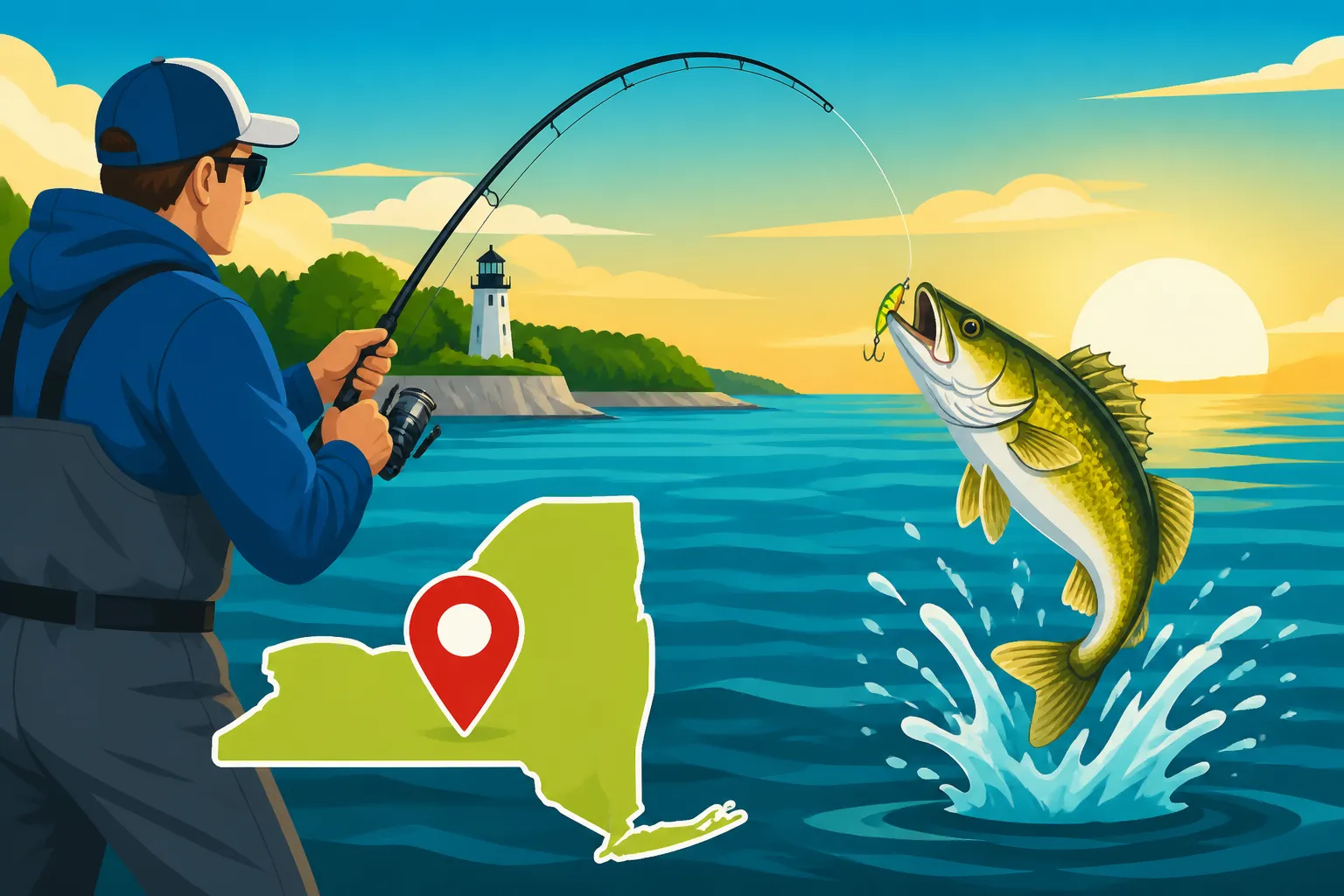
Lake Erie, a jewel in New York's western crown, offers some of the most phenomenal fishing experiences you can find in the state. However, its sheer size can be daunting, leaving many anglers scratching their heads about where to even begin. If you've ever felt overwhelmed by the vastness and wondered where the best spots are to reliably hook into some fantastic fish, you're in the right place. This guide is crafted to cut through that confusion, pointing you to the prime fishing locations on Lake Erie within New York State and equipping you with the knowledge to make your next trip a resounding success.
Lake Erie's Angling Riches in New York
New York's portion of Lake Erie, while smaller than its Ohio and Pennsylvania counterparts, is an absolute powerhouse when it comes to diverse and abundant fish populations. The deep, fertile waters near the eastern basin's shoreline provide an ideal habitat for a wide array of species, making it a truly remarkable fishery. You're not just limited to one type of fish here; the lake's ecosystem supports everything from sought-after sportfish to delicious panfish, catering to all kinds of angling preferences.
Why New York's Lake Erie Stands Out
What makes the New York side of Lake Erie so special for anglers? For starters, it benefits from a unique combination of varied depths, nutrient-rich waters, and a relatively stable shoreline with excellent public access. The New York State Department of Environmental Conservation (DEC) does an incredible job managing the fishery, ensuring healthy populations through stocking programs and careful regulation. Unlike some areas of the lake that have been overfished or impacted by heavy industry, the New York shoreline maintains a vibrant, productive environment. This commitment to conservation, coupled with natural geographical advantages, creates a fishing paradise that consistently produces trophy-sized catches and memorable days on the water.
Primary Target Species: The Stars of Lake Erie
When you cast a line into New York's Lake Erie, you're primarily aiming for a few star species, each offering a different challenge and reward.
- Walleye: Without a doubt, walleye are the reigning kings of Lake Erie. Their delicious fillets and challenging fight make them incredibly popular. They thrive in Erie's cool, clear waters, especially around deeper drop-offs and structure. You'll find them in massive schools during certain times of the year, making for epic catches.
- Smallmouth Bass: For sheer fighting power, smallmouth bass are hard to beat. These bronze warriors love rocky bottoms, offshore reefs, and areas with current, and Lake Erie offers plenty of such prime real estate. They put up an incredible battle on light tackle and are a favorite for catch-and-release enthusiasts. For tips on where else to find them, check out our guide on the Best Smallmouth Bass Lakes in New York.
- Yellow Perch: The unsung heroes of Lake Erie, yellow perch provide fantastic table fare and are a blast to catch, especially for families or beginners. They often school in large numbers, and once you find them, you can often fill a bucket. They prefer shallower, warmer waters and can be found closer to shore or over submerged weed beds.
- Steelhead (Rainbow Trout): While primarily associated with the tributaries that feed into Lake Erie, these migratory rainbow trout also spend significant time in the lake itself, particularly near the mouths of rivers. Anglers often target them during their spawning runs, but they can be caught in the nearshore lake waters during cooler months.
- Lake Trout: Although less common than the other species, lake trout can still be found in the deeper, cooler waters of the eastern basin, offering a unique deep-water challenge for those equipped to target them.
Prime Fishing Hotspots on New York's Lake Erie Shores
Now, let's get down to the nitty-gritty: the specific spots where you're most likely to find success. From bustling harbors to secluded bays, New York's Lake Erie shoreline has a variety of prime locations.
Dunkirk: A Walleye Wonderland
Dunkirk, New York, is arguably the undisputed capital of Lake Erie fishing on the New York side, particularly if you're chasing walleye. The city's harbor and access points make it incredibly angler-friendly, drawing fishermen from across the state and beyond. The deep water just offshore, combined with fertile feeding grounds, creates a perfect environment for massive walleye schools.
The Dunkirk Harbor itself provides excellent shore fishing opportunities, especially during the spring and fall. You can often find walleye, perch, and even smallmouth bass congregating near the city piers and breakwalls. Boat anglers, however, truly unlock the potential here. Launching from the Dunkirk Boat Launch, you can quickly access prime walleye grounds. Trolling with crankbaits or worm harnesses at various depths, especially along the 30-to-60-foot contours, is a highly effective strategy.
Many top-tier charters operate out of Dunkirk, offering guided trips that drastically increase your chances of a successful outing. If you're looking for an experienced captain, online platforms like FishingBooker can connect you with highly-rated local guides who know these waters like the back of their hand. They can provide all the necessary gear and expertise, making your trip seamless. For more detailed insights, our specific guide on Lake Erie Fishing Near Dunkirk dives even deeper into this fantastic location.
Buffalo and the Upper Niagara River Transition Zone
Further east, where Lake Erie narrows and funnels into the mighty Niagara River, the fishing around Buffalo offers a different, yet equally exciting, experience. This transition zone is a biological hotspot, with Lake Erie's fish populations moving through and the Niagara River bringing its own unique species.
The Buffalo Outer Harbor provides fantastic public access, with piers and breakwalls offering excellent shore fishing. During the spring and fall, you can catch a variety of species, including walleye, smallmouth bass, yellow perch, and even migrating steelhead. The currents here can be strong, so heavy tackle might be necessary, but the rewards are well worth it. You might want to review the New York Freshwater Fishing Rules before heading out, as regulations can sometimes vary in river sections.
Upstream sections of the Niagara River, just below Lake Erie, are renowned for their smallmouth bass fishing, especially during the warmer months. Drifting with live bait or casting artificial lures around submerged rocks and current breaks can produce some truly trophy-sized smallmouth. The Buffalo area is also a great place to find guides specializing in this unique river-lake transition zone, and a quick search on FishingBooker can help you locate expert local captains who can put you on the fish. Our guide Lake Erie Walleye Fishing Near Buffalo, New York offers more in-depth advice for this particular area.
Van Buren Bay and Sturgeon Point: Hidden Gems
Moving west from Dunkirk, you'll find other productive areas that might be less crowded but equally rewarding. Van Buren Bay, near Hanover, offers excellent fishing for yellow perch and smallmouth bass. The shallower, warmer waters of the bay are ideal for perch, while the rocky points and deeper structures attract smallmouth. Shore access here can be a bit more limited, but kayak or small boat anglers will find plenty to explore.
Sturgeon Point, with its prominent lighthouse and rocky shoals, is another excellent spot, particularly for smallmouth bass. The submerged rock formations create perfect ambush points for these aggressive fish. During the right conditions, you can also find walleye cruising these deeper waters. Anglers often find success casting tubes, jigs, or drop-shot rigs around these underwater structures. It's a fantastic spot for those looking to get away from the more heavily trafficked areas while still having a good chance at landing quality fish.
Seasonal Strategies and Techniques for Lake Erie Success
Understanding the seasonal movements and preferred techniques for Lake Erie's prime species is crucial for consistent success. The lake's character changes dramatically throughout the year, and adapting your approach will pay dividends.
Spring Runs and Early Season Action
As the ice retreats and water temperatures begin to climb in early spring (typically April and May), Lake Erie bursts with activity. This is prime time for walleye, which move into shallower waters to spawn. Many anglers target them by casting stickbaits or jigging spoons from shore, especially around the Dunkirk piers and Buffalo breakwalls. Boat anglers will also find success trolling shallow-running crankbaits in depths of 10-25 feet. For more details, our article on Best Time to Fish for Walleye in New York might be helpful.
Smallmouth bass also become highly active during the pre-spawn period. They'll congregate around rocky points and reefs, aggressively feeding before they head to their spawning beds. Casting crankbaits, jerkbaits, or even using live minnows can be incredibly effective. Yellow perch will also be abundant in shallower bays, providing excellent opportunities for panfish anglers.
Summer Deepwater Tactics
Summer fishing on Lake Erie means the fish generally move deeper as surface waters warm. This is when trolling becomes the dominant technique for walleye. Charters and experienced boat anglers will employ elaborate trolling spreads, using downriggers, planer boards, and weighted lines to present spoons, crankbaits, and worm harnesses at precise depths. The walleye can be found anywhere from 30 to 70 feet or deeper, often suspended over open water or hugging bottom structure. Investing in good sonar is essential for locating these deeper schools.
Smallmouth bass will often retreat to deeper rock piles, reefs, and humps during the summer. Drop-shotting, jigging tubes, and even deep-diving crankbaits can entice these fish. Early mornings and late evenings often provide the best bite in the shallower areas as the bass come up to feed.
Fall Feeds and Winter Ice Fishing Potential
As autumn brings cooler temperatures, Lake Erie experiences a resurgence of activity, often rivaling or even surpassing spring fishing. Walleye move shallower again for a final feeding frenzy before winter, offering fantastic trolling and casting opportunities. Steelhead also begin their migratory runs into the tributaries that feed Lake Erie, and many can be caught near the river mouths and in the nearshore lake waters. For specific regulations around fall runs, our comprehensive New York Fishing Seasons Explained guide is a must-read.
While not as famous for ice fishing as some of New York's inland lakes, the shallower bays and protected harbors of Lake Erie can offer viable ice fishing opportunities during periods of stable, thick ice. Yellow perch are the primary target, but some hardy anglers might even hook into walleye or smallmouth. Always prioritize safety when ice fishing, ensuring ice thickness is adequate.
Gear, Regulations, and Safety for Lake Erie Anglers
Tackling a body of water as large and dynamic as Lake Erie requires the right preparation, both in terms of equipment and knowledge.
Essential Gear for Lake Erie
Your gear selection will heavily depend on your target species and fishing method.
- For Walleye: Medium-heavy action spinning or casting rods (7-9 feet) paired with reels spooled with 10-15 lb test monofilament or braided line are standard. A variety of crankbaits (Bandit Walleye Deep, Berkley Flicker Shad), worm harnesses, and jigging spoons are essential. If trolling, consider specialized trolling rods and line counter reels.
- For Smallmouth Bass: Medium-action spinning rods (6'6" – 7'6") with 8-12 lb test fluorocarbon or braid are ideal. Lures like tube jigs, drop-shot rigs, jerkbaits, and spinnerbaits are highly effective.
- For Yellow Perch: Light action spinning rods with 4-6 lb test line are perfect. Small jigging spoons, minnow rigs, and tiny jigs tipped with bait (like spikes or small minnows) will get the job done.
Always carry a good pair of pliers, a net suitable for your target species, and plenty of tackle. Dress in layers, as weather on Lake Erie can change rapidly, and don't forget polarized sunglasses and sunscreen.
Navigating New York's Fishing Regulations
Before you even think about casting a line, make sure you're properly licensed and informed about the specific regulations for Lake Erie. A valid New York State fishing license is required for anyone 16 years of age or older. You can find detailed information on obtaining one in our New York Fishing License Guide.
Lake Erie, like all major bodies of water, has specific catch limits, size restrictions, and open seasons for various species. These are crucial to follow for conservation and to avoid hefty fines. For instance, walleye and smallmouth bass have specific length and creel limits. It's always best to consult the current New York DEC fishing regulations guide, which can be found online or at local bait shops. The rules around New York Walleye Season and Limits are particularly important to understand when fishing Lake Erie.
Safety First on Big Water
Lake Erie is one of the Great Lakes, and it can become dangerous very quickly. Weather conditions can shift from calm to severe in a matter of minutes, producing large waves and hazardous conditions.
- Weather Monitoring: Always check the marine forecast before heading out, and keep an eye on changing conditions while on the water. A marine weather radio or weather app is indispensable.
- Life Jackets: Every person on a boat must have an accessible, properly fitting life jacket. Children under 12 must wear a life jacket at all times while on a recreational vessel. Our guide on Life Jacket Requirements While Fishing has all the necessary details.
- Communication: Carry a fully charged cell phone, and if venturing far from shore, a marine VHF radio is a wise investment.
- Boat Maintenance: Ensure your boat is in good working order, with all necessary safety equipment (flares, horn, anchor, spare prop, etc.). File a float plan with someone on shore.
- Know Your Limits: Don't venture out in conditions beyond your boat's or your own capabilities. There's always another day to fish.
| Fishing Spot | Primary Target Species | Best Times to Fish | Key Characteristics | Recommended Method |
|---|---|---|---|---|
| Dunkirk Harbor/Offshore | Walleye, Smallmouth Bass, Perch | Spring, Summer, Fall | Deep water, access to open lake, excellent charters | Trolling, Jigging, Shore Casting |
| Buffalo Outer Harbor | Walleye, Smallmouth Bass, Steelhead, Perch | Spring, Fall | Transition zone to Niagara River, strong currents, piers | Shore Casting, Drifting |
| Van Buren Bay | Yellow Perch, Smallmouth Bass | Spring, Summer (Perch), Fall | Shallower bay, good for panfish, less crowded | Still Fishing, Casting |
| Sturgeon Point | Smallmouth Bass, Walleye | Spring, Summer, Fall | Rocky shoals, offshore structure | Jigging, Drop-shotting |
Lake Erie fishing in New York offers an unforgettable experience, whether you're a seasoned pro or just starting. With the right knowledge, gear, and respect for the water, you're well on your way to discovering why so many anglers consider it a true gem. Don't be shy about exploring, trying new techniques, and maybe even booking a guided trip through a reputable service like FishingBooker to maximize your chances. The diverse fishery and stunning scenery promise an adventure you won't soon forget.
Disclaimer
Fishing conditions and regulations in New York State can change. Always consult the latest New York State Department of Environmental Conservation (DEC) regulations guide before heading out on your fishing trip. This guide is for informational purposes only and does not constitute legal advice regarding fishing regulations.