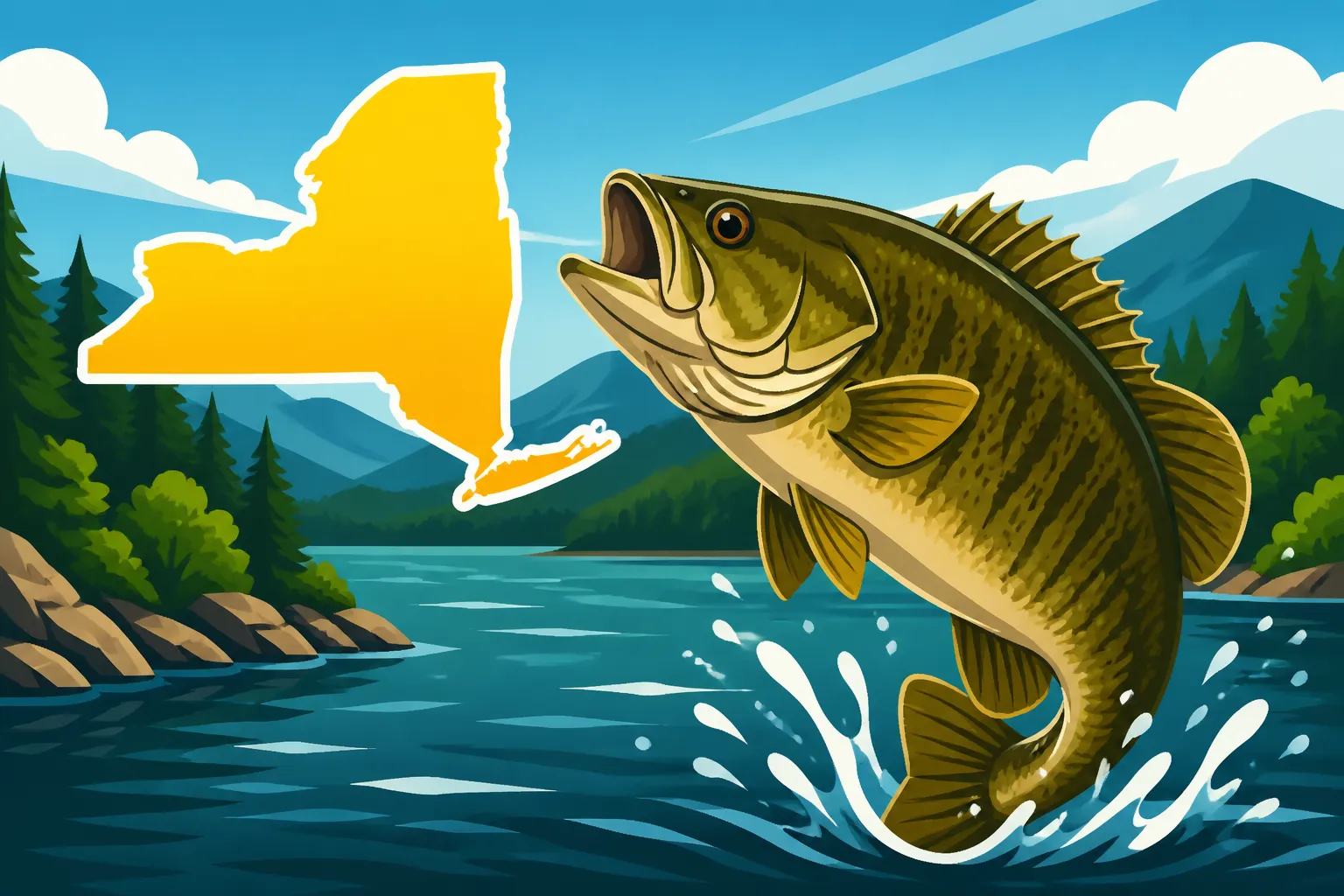
Best Smallmouth Bass Lakes in New York
It can be incredibly frustrating to dream of battling a hard-fighting smallmouth bass, only to wonder where in New York's vast waters you even begin looking. With countless lakes, rivers, and reservoirs, narrowing down the absolute best spots for these bronze beauties can feel overwhelming. This comprehensive guide is here to cut through the confusion, revealing the premier lakes across the Empire State where you can consistently find and catch impressive smallmouth bass.
Understanding New York's Smallmouth Bass Appeal
New York State is a true gem for freshwater anglers, and among its many prized inhabitants, the smallmouth bass stands out as a top contender for sheer angling excitement. Known for their acrobatic jumps, powerful runs, and aggressive strikes, smallmouth offer a thrilling challenge that keeps anglers coming back for more. They're often found in clear, cool waters with rocky bottoms, gravel, and sparse vegetation, making many of New York's diverse lake environments perfect habitats.
The appeal of targeting smallmouth goes beyond just the fight; it's also about the stunning natural beauty of the places they call home. From the deep, pristine Finger Lakes to the vast expanses of the Great Lakes and the rugged Adirondacks, pursuing smallmouth often means immersing yourself in some of the most picturesque landscapes New York has to offer. Understanding where these fish thrive and what makes them such a captivating species is the first step to a successful outing. Many anglers enjoy learning more about the various types of fish you can find across the state, and smallmouth are definitely one of the most exciting. If you're looking for an overview of all the different species, check out our guide on Fish Species You Can Catch in New York.
Why Smallmouth Bass Are a Premier Game Fish
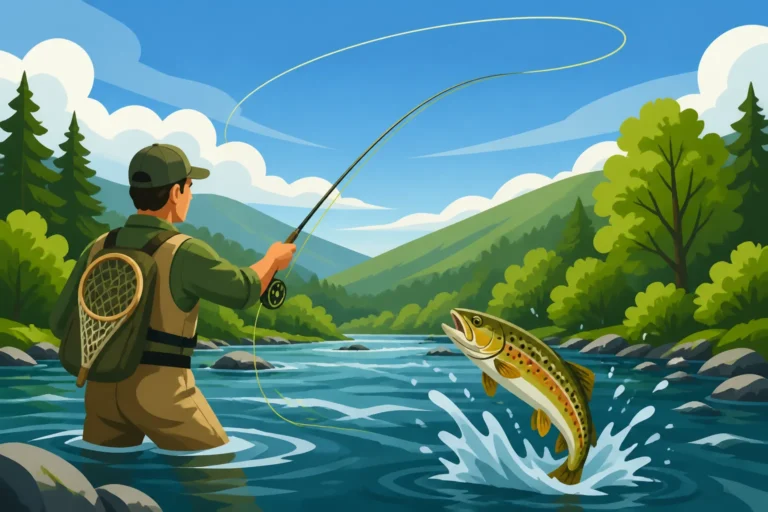
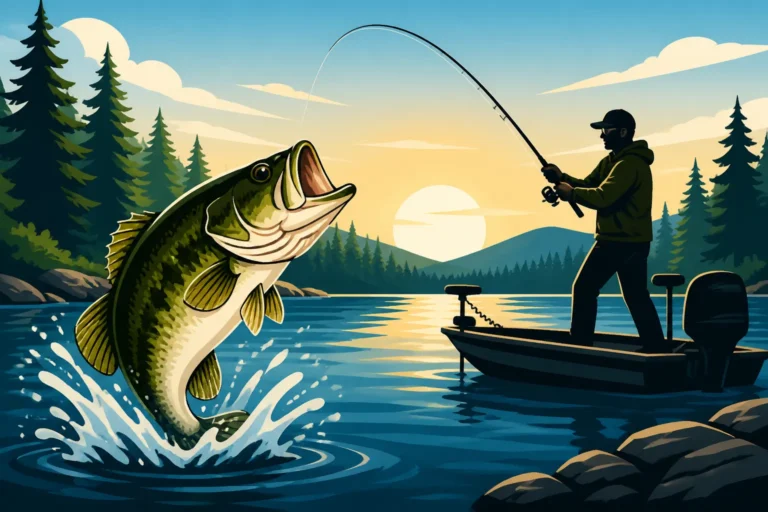
Smallmouth bass, often affectionately called "bronzebacks" or "smallies," are celebrated for their incredible fighting spirit. Unlike their largemouth cousins, which tend to dive into cover, smallmouth are famous for their aerial acrobatics, often leaping clear out of the water when hooked. This makes for an exhilarating experience, especially on lighter tackle. They are also highly predatory, readily striking a wide variety of lures and baits, making them accessible to anglers using different techniques.
Their diet consists primarily of crayfish, minnows, and aquatic insects, which influences the types of lures and baits that are most effective. Understanding these feeding preferences is key to success. They prefer structure—think rock piles, drop-offs, submerged timber, and points—which provides ambush points and shelter. These preferences help explain why certain New York lakes, with their abundant rocky structures and clear water, consistently produce trophy-sized smallmouth. For a deeper dive into the specific characteristics of this exciting species, explore our article on New York's Bass Species Explained.
Ideal Smallmouth Habitat in New York Lakes
When we talk about the best smallmouth bass lakes, we're really talking about places that provide optimal habitat. Smallmouth thrive in cool, clear waters with good oxygen levels, which is why they often congregate around rocky shorelines, points, shoals, and islands. These areas offer both protection and abundant forage. Deep lakes with varying contours and structure are prime locations.
Look for areas where feeder creeks enter the lake, as these often bring in cooler water and additional nutrients, attracting baitfish and, subsequently, smallmouth. Submerged humps, ledges, and transition zones where different bottom types meet are also high-percentage spots. The clearer the water, generally, the more likely you are to find thriving smallmouth populations, as they are sight feeders and prefer to hunt in visible conditions.
The Mighty Finger Lakes: Smallmouth Central
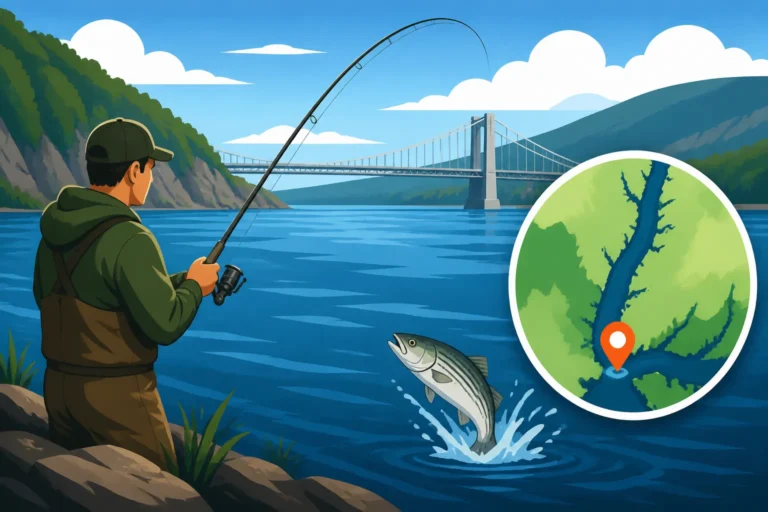
When the conversation turns to smallmouth bass fishing in New York, the Finger Lakes region inevitably comes up first. This collection of eleven long, narrow, glacially carved lakes in west-central New York offers some of the most productive and scenic smallmouth fishing anywhere. Their deep, clear waters, abundant rocky structures, and extensive forage bases create an ideal environment for bronzebacks to grow big and strong. Each lake has its unique character, but many share the common trait of excellent smallmouth opportunities.
Anglers from all over the Northeast flock to these waters, especially during the warmer months, to experience the incredible action. Whether you're casting from shore, drifting in a boat, or meticulously working a jig along a deep drop-off, the Finger Lakes promise rewarding experiences. In fact, many consider the Finger Lakes to be among New York's Most Popular Freshwater Fish destinations.
Cayuga Lake: A Deepwater Bass Haven
Cayuga Lake, the longest of the Finger Lakes, is a formidable smallmouth fishery with a reputation for producing quality fish. Its deep, clear waters and extensive rocky structure along its 38-mile length offer endless possibilities. Anglers often find success around the many points, rocky shoals, and drop-offs that characterize the lake. The north end, shallower and with more vegetation, can hold fish, but the true trophy smallmouth often lurk in the deeper, rockier sections.
Popular spots include the areas around Frontenac Island, Long Point, and the many submerged rock piles scattered throughout the lake. Fishing with tube jigs, drop shots, and jerkbaits is particularly effective, mimicking the abundant baitfish and crayfish found here. The challenge of Cayuga is its sheer size, requiring anglers to cover a lot of water to locate active fish, but the reward of a hard-fighting Cayuga smallie is well worth the effort. For a complete overview of this magnificent body of water, be sure to read our detailed guide on Fishing New York's Finger Lakes: A Complete Guide.
Seneca Lake: Consistent Smallmouth Action
Seneca Lake, the deepest of the Finger Lakes, is another smallmouth powerhouse. Its exceptionally clear water and steep drop-offs make it an ideal habitat for smallmouth. Anglers frequently target the many points and shelves that plunge into its depths, often finding fish staging along these contours. The transition zones from shale rock to gravel or even sand can be particularly productive.
Key areas to explore include the points near Dresden, Starkey, and Valois, as well as the numerous submerged humps and rock piles. Jigging spoons, blade baits, and deep-diving crankbaits are excellent choices for probing the deeper waters, while topwater baits can be thrilling during low-light conditions closer to shore. Seneca Lake's smallmouth are known for their strong fight, often making multiple runs and jumps before coming to the net.
Keuka Lake: The Y-Shaped Gem
Keuka Lake, uniquely shaped like a "Y," offers excellent smallmouth opportunities with its varied structure and clear water. The two branches of the lake provide diverse fishing environments, with plenty of points, rocky shorelines, and deep basins to explore. Its relatively smaller size compared to Cayuga or Seneca can sometimes make fish easier to locate, especially for those new to the region.
Look for smallmouth congregating around the numerous steep drop-offs, rocky ledges, and submerged humps, particularly where currents might create feeding lanes. Both forks of the lake offer great action. Popular techniques include drop-shotting, using Ned Rigs, and working tube baits slowly along the bottom. The clarity of Keuka's water often means lighter lines and more subtle presentations can be key to coaxing bites from these wary bronzebacks.
Great Lakes Giants: Erie and Ontario
While the Finger Lakes are undeniably fantastic, New York's access to the Great Lakes offers an entirely different scale of smallmouth fishing, often producing truly enormous fish. Lake Erie and Lake Ontario are vast, powerful bodies of water that hold incredible populations of trophy-sized smallmouth bass. Fishing these lakes requires different tactics, often involving larger boats and the ability to handle open-water conditions, but the rewards can be legendary.
These Great Lakes bronzebacks grow to impressive sizes, fueled by abundant forage like round gobies, which have unfortunately become an invasive species but are a favorite food source for smallmouth. Anglers looking for their personal best smallmouth often set their sights on the unparalleled opportunities presented by these immense freshwater seas.
Lake Erie: Trophy Smallmouth Haven
Lake Erie, particularly its eastern basin within New York State, is widely regarded as one of the best smallmouth bass fisheries in the world. The sheer numbers and incredible average size of the fish caught here are astounding. The lake's clear water, rocky reefs, gravel beds, and abundant forage, especially the invasive round goby, contribute to a smallmouth population that is truly world-class.
Key areas include the waters off Buffalo, Dunkirk, and Barcelona, where vast offshore reefs and transition zones hold schools of hungry smallmouth. Popular tactics involve drop-shotting, tube jigs, and football jigs worked slowly along the bottom in depths ranging from 15 to 40 feet. Trolling crankbaits can also be effective, especially for covering large areas to locate active fish. Anglers often come to Lake Erie specifically for the chance at a 5-pound-plus smallmouth, and the lake rarely disappoints. To plan your trip effectively, check out our guide on Lake Erie Fishing in New York: Where to Go.
Lake Ontario: Underrated Smallmouth Potential
While Lake Ontario is perhaps most famous for its incredible salmon and trout fisheries, its smallmouth bass population is often overlooked, yet equally spectacular. The eastern basin of Lake Ontario, particularly around the Thousand Islands region and the Oswego area, holds vast numbers of smallmouth, many of which reach trophy dimensions. The lake's numerous islands, shoals, rocky points, and deep structure provide ideal habitat.
Anglers targeting smallmouth on Lake Ontario often focus on the many offshore humps and reefs, as well as the transition areas along the mainland and island shorelines. Similar to Lake Erie, drop-shotting, tube jigs, and Ned Rigs are highly effective. The clear waters demand careful presentation, but the rewards can be massive. If you're planning an outing on this majestic lake, our article on Lake Ontario Fishing in New York: Where to Go offers invaluable insights. You can also explore options with services like FishingBooker to connect with local guides who specialize in these species.
Northern Empire Waters: St. Lawrence and Champlain
Moving north, New York offers even more phenomenal smallmouth bass fishing opportunities along its international borders. The St. Lawrence River, separating New York from Canada, and Lake Champlain, shared with Vermont, are legendary smallmouth waters. These fisheries combine stunning scenery with abundant, hard-fighting smallmouth, making them prime destinations for anglers seeking a memorable experience.
The unique characteristics of these waters, from the strong currents of the St. Lawrence to the diverse habitat of Champlain, require adaptable tactics but consistently deliver incredible results. They are truly world-class destinations for smallmouth enthusiasts.
St. Lawrence River: Legendary Bronzeback Fishery
The St. Lawrence River is, without a doubt, one of the most famous smallmouth bass fisheries globally, and for good reason. The Thousand Islands region, where the St. Lawrence begins its journey from Lake Ontario, is particularly renowned. The river's strong currents, countless islands, rocky shoals, and deep channels create a complex and incredibly rich smallmouth habitat. Anglers here consistently catch large numbers of healthy, aggressive fish, often including true giants.
Fishing the St. Lawrence often involves navigating diverse conditions, from calm bays to swift currents. Popular tactics include casting crankbaits, jerkbaits, and spinnerbaits around islands and points, as well as working tube jigs and drop shots along current breaks and deep ledges. The fish here are incredibly strong due to the current, making every fight an epic battle. If you're keen to explore this region further, check out our guide on Fishing New York's St. Lawrence River and Thousand Islands. Many guides listed on FishingBooker specialize in navigating these complex waters. The Average Smallmouth Bass Size on New York's St. Lawrence River is impressive, making it a top choice for trophy hunters.
Lake Champlain: A Versatile Smallmouth Playground
Lake Champlain, the sixth-largest freshwater lake in the United States, is a vast and incredibly diverse fishery offering fantastic smallmouth bass opportunities across its New York side. While it's also known for its largemouth bass, the smallmouth thrive in its clear, rocky sections. The lake's sheer size (120 miles long) means there's always new water to explore, from shallow rocky flats to deep drop-offs.
Anglers will find smallmouth around the many islands, rocky points, and shoals, particularly in the mid and northern sections of the lake. Areas like Port Henry, Westport, and the islands around Plattsburgh are often productive. Drop-shotting, tube jigs, and spinnerbaits are effective, especially when targeting submerged structure. Champlain's smallmouth are aggressive and can be found throughout the season, offering consistent action.
Essential Tips for Targeting New York Smallmouth
Now that you know where to go, let's talk about how to maximize your success in catching these amazing fish. Smallmouth bass can be finicky, but with the right approach, tackle, and understanding of their behavior, you can consistently put fish in the boat or from the shore. This section will cover key gear, preferred baits and lures, and strategic fishing techniques specific to New York's diverse smallmouth habitats.
Remember, smallmouth fishing is often about adapting to conditions and paying close attention to what the fish are telling you. Don't be afraid to experiment with different presentations and retrieve speeds until you find what works best on any given day.
Recommended Gear and Tackle
For smallmouth bass, a versatile setup is usually best. A medium-light to medium-action spinning rod, typically 6'6" to 7' long, paired with a 2500 or 3000 series spinning reel, is a fantastic starting point. This setup offers enough backbone for solid hooksets and fighting powerful fish, yet enough sensitivity for detecting subtle bites.
When it comes to line, 6-10 lb braided line with a 6-8 lb fluorocarbon leader is a popular and highly effective choice. The braid offers excellent casting distance and sensitivity, while the fluorocarbon leader provides invisibility in the clear waters smallmouth inhabit. For fishing heavier cover or larger baits, some anglers might opt for a medium-heavy baitcasting setup with 12-17 lb fluorocarbon or even heavier braided line, especially on the Great Lakes or St. Lawrence.
| Component | Recommendation | Rationale |
|---|---|---|
| Rod | 6'6" – 7' Medium-Light to Medium Action Spinning Rod | Versatility for various lures, good sensitivity & fighting power |
| Reel | 2500 – 3000 Series Spinning Reel | Balanced for rod, smooth drag, good line capacity |
| Main Line | 6-10 lb Braided Line | Excellent sensitivity, casting distance, and strength |
| Leader | 6-8 lb Fluorocarbon Leader | Low visibility in clear water, abrasion resistance |
| Hooks | #1 to 2/0 Offset Worm Hooks, Drop Shot Hooks, Jig Heads | Matched to bait size and presentation type |
| Lures | Jigs, Tubes, Drop Shots, Crankbaits, Jerkbaits, Topwater | Mimic smallmouth forage (crayfish, minnows, gobies), cover various depths |
| Terminal Tackle | Swivels, Weights (tungsten for sensitivity) | Essential for rigging specific techniques like drop shots and Texas rigs |
Top Lures and Baits for Smallmouth
Smallmouth bass are opportunistic predators, but they do have their favorites. Mimicking their natural forage is almost always a winning strategy.
- Tube Jigs: These soft plastic tubes, often rigged with an internal jig head, are incredibly versatile. They imitate crayfish and gobies perfectly when bounced along the bottom. Colors like green pumpkin, watermelon, and brown are perennial favorites. Learning How to Fish a Tube Jig for Smallmouth Bass is a game-changer.
- Drop Shot Rigs: A finesse technique where the weight is below the hook, allowing the bait to suspend at a specific depth just off the bottom. Small worms, minnow imitations, and creature baits are deadly on a drop shot, especially in clear, deep water or when fish are lethargic.
- Jerkbaits: Hard plastic lures that, when retrieved with a "twitch, twitch, pause" action, mimic dying or wounded baitfish. They are extremely effective when smallmouth are actively feeding on minnows.
- Crankbaits: Deep-diving crankbaits are excellent for covering water and targeting fish suspended over deeper structure. Lipless crankbaits can also be effective when burned over rocky flats.
- Topwater Lures: Poppers, walk-the-dog baits, and prop baits can provide explosive, heart-stopping strikes, especially during low-light conditions (dawn/dusk) or on overcast days.
- Spinnerbaits & Chatterbaits: While often associated with largemouth, smaller spinnerbaits and chatterbaits can be highly effective for smallmouth, particularly in stained water or around sparse cover.
- Live Bait: For those who prefer live bait, fathead minnows, shiners, or local crayfish are irresistible to smallmouth. Fishing them on a simple hook and split shot rig can be incredibly productive.
Knowing the Best Smallmouth Bass Lures for Clear Water can significantly improve your catch rates, especially in New York's clear Finger Lakes.
Strategic Fishing Techniques
Catching smallmouth consistently requires more than just the right tackle; it demands strategic thinking and adaptability.
- Target Structure: Smallmouth are almost always associated with structure. Look for rock piles, submerged logs, drop-offs, points, humps, and current breaks. Use your electronics to locate these features and concentrate your efforts there.
- Finesse for Clear Water: In New York's famously clear waters, finesse techniques often outproduce power fishing. Drop-shotting, Ned Rigs, and light line presentations are crucial, especially on bright, sunny days when fish are more wary.
- Match the Hatch (or Forage): Pay attention to what the fish are eating. If you see crayfish in the shallows, use brown or green tube jigs. If baitfish are schooling, throw jerkbaits or swimbaits. The presence of round gobies on Lake Erie means goby-imitating soft plastics are a must.
- Vary Your Retrieve: Don't just cast and reel. Experiment with different retrieve speeds, pauses, and actions until you find what triggers bites. Smallmouth often strike during the pause or when a lure changes direction.
- Consider the Season: Smallmouth behavior changes dramatically throughout the year. In spring, they might be shallower, preparing to spawn. In summer, they often retreat to deeper, cooler waters. Fall can see them feeding aggressively in preparation for winter. Our guide on the Best Time to Fish for Bass in New York provides a detailed breakdown of seasonal patterns.
- Utilize a Guide: If you're new to a particular lake or targeting specific conditions, hiring a local guide can be incredibly beneficial. Guides know the hot spots, current patterns, and the subtle nuances that lead to success. Websites like FishingBooker can help you find experienced local guides for smallmouth bass on the Great Lakes or St. Lawrence River, offering invaluable expertise and potentially saving you hours of searching.
By understanding these principles and applying them to the specific waters you're fishing, you'll greatly increase your chances of landing those prized New York smallmouth bass.
Disclaimer
Fishing regulations in New York are subject to change. Always consult the latest New York State Department of Environmental Conservation (DEC) regulations before heading out on the water. This guide is for informational purposes only and does not supersede official regulations.