New York State Record Largemouth Bass Weight
Every angler who's spent time on New York's beautiful lakes and ponds, casting for that elusive big bass, has probably wondered: just how big do they really get around here? It's a question that sparks daydreams on quiet mornings and fuels countless fishing tales. This guide will dive deep into the legendary New York State record largemouth bass, exploring the incredible catch itself, what makes these fish true titans, and how you can pursue your own trophy while understanding the crucial regulations that protect our waters.
The Legendary New York State Record Largemouth Bass
There's nothing quite like the story of a record-breaking fish to capture the imagination of a dedicated angler. It's proof that out there, lurking in the shadows of a lily pad bed or cruising along a submerged log, is a fish of truly epic proportions, waiting to challenge the most skilled and patient among us. The New York State record for largemouth bass isn't just a number; it's a testament to the potential for these incredible fish to grow to colossal sizes in our waters.
The Record-Breaking Catch and Its Story
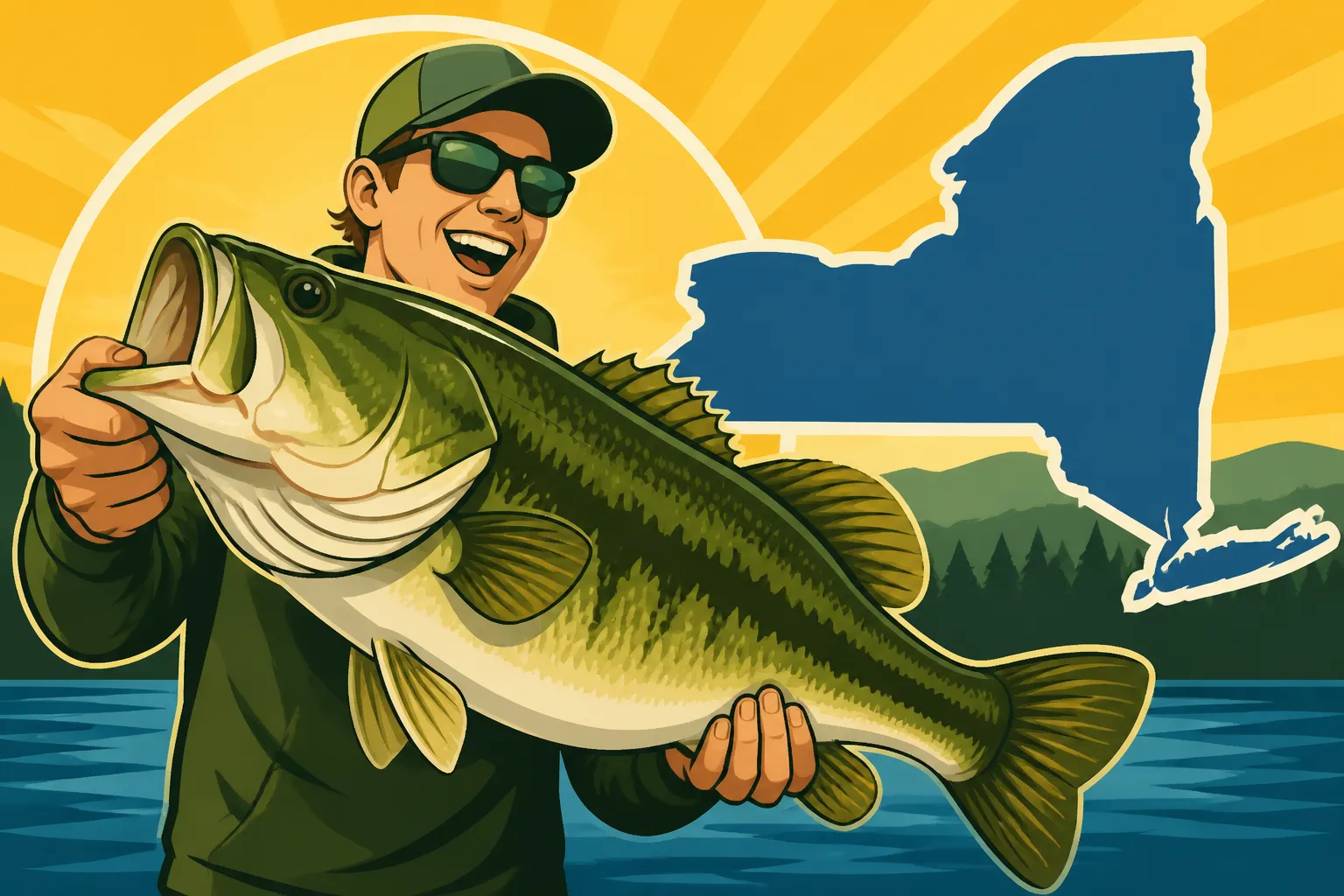
The current New York State record largemouth bass stands at a truly impressive 11 pounds, 4 ounces. Just imagine that! Hauling in a bass that heavy would test any angler's tackle and nerves. This magnificent fish was caught by John L. Long, Jr., way back in 1991, from a private pond in Montgomery, Orange County. While many record fish come from vast, well-known bodies of water, this particular titan emerged from a more secluded spot, reminding us that big fish can be found anywhere the conditions are right.
This single catch instantly became a benchmark for every bass fisherman in the state. It set a new standard and solidified New York's reputation as a place where truly giant largemouths exist. For over three decades, this 11-pound, 4-ounce monster has held the top spot, inspiring countless anglers to keep casting, keep experimenting, and keep dreaming of the day they might just break that hallowed record. It's a legendary fish, forever etched in the annals of New York fishing history, and every time someone mentions "record bass," John Long's name and his incredible catch come to mind.
Why the Largemouth Bass is Such a Coveted Catch in New York
Largemouth bass are, without a doubt, one of New York's most popular freshwater game fish, and it's easy to see why they're so coveted. They offer an exhilarating fight, often leaping clear of the water or making powerful runs that test the drag on your reel. For many, the pursuit of a lunker largemouth is an obsession, a puzzle to solve with every cast and every choice of lure. Their aggressive nature and willingness to strike a variety of presentations make them incredibly engaging targets.
Beyond the thrill of the fight, largemouth bass are also fascinating creatures to observe in their natural habitat. They are ambush predators, often found tucked into heavy cover like weed beds, submerged timber, or docks, waiting to dart out and engulf unsuspecting prey. The challenge of finding these fish, understanding their behavior, and presenting a lure just right is a significant part of their appeal. Whether you're a seasoned tournament angler or a weekend warrior, the prospect of hooking into a truly large largemouth bass is a powerful draw, a moment of pure angling joy that makes every early morning and late evening worth it. It’s no wonder so many of us are constantly chasing that next personal best, or perhaps even dreaming of one day challenging the existing New York State Record Largemouth Bass Weight.
Understanding Largemouth Bass in New York Waters
To truly appreciate the magnitude of an 11-pound, 4-ounce largemouth, it helps to understand a bit more about these fish and where they typically grow to impressive sizes in our state. New York offers a diverse range of freshwater environments, from massive natural lakes to countless smaller ponds and reservoirs, each with the potential to hold healthy populations of largemouth bass.
Where Trophy Largemouth Bass Thrive
Trophy largemouth bass generally thrive in waters that offer a perfect combination of abundant food, suitable habitat, and stable environmental conditions. In New York, this often means lakes, ponds, and slow-moving rivers with extensive shallow-water cover. Think thick weed beds, lily pad fields, fallen trees, docks, and rocky points. These areas provide both ambush points for feeding and protection from predators. Lakes with a healthy population of baitfish, like alewives, shiners, or bluegill, are prime locations for bass to grow large.
Many of New York's larger bodies of water, like the Finger Lakes, Lake Champlain, and Oneida Lake, are renowned for their bass fishing, but smaller, lesser-known ponds and reservoirs can also produce giant fish, as evidenced by the state record itself. The key is often finding waters that aren't overfished and have excellent forage bases. When fishing, pay attention to areas where different types of cover meet, or where sudden depth changes occur, as these "transition zones" are often hotbeds for active bass. You might be surprised at the quality of fish hiding in seemingly small, unassuming spots, sometimes even in urban parks! For more insights into prime locations, check out guides like New York's Best Lakes for Fishing.
What Makes a Largemouth Bass a "State Record" Contender
Catching a 3-pound bass is a great day, a 5-pounder is fantastic, and an 8-pounder is often considered a "fish of a lifetime" for many anglers. So, what makes a largemouth bass grow to over 11 pounds and become a state record contender? It's a confluence of several crucial factors. First, genetics play a significant role; some bass are simply predisposed to grow larger and live longer. Second, an incredibly rich and consistent food source is essential. These fish need to eat a lot of protein to pack on that kind of weight. Waters teeming with large baitfish like golden shiners, smaller panfish like bluegill, or even crayfish and frogs, provide the necessary diet.
Third, age and survival are critical. A bass needs to survive through many seasons, avoiding predators, harsh winters, and angling pressure, to reach such an advanced age and size. This often points to waters with good water quality, minimal pollution, and perhaps some degree of natural protection or careful management. Finally, sheer luck is always a factor. Finding a bass of that size, convincing it to bite, and successfully landing it without breaking line or losing it to cover requires skill, yes, but also a healthy dose of good fortune. A fish of that caliber is truly a rare gem, and finding one is the dream of every dedicated bass angler. Understanding the Average Largemouth Bass Size in New York helps put the record in perspective.
The Quest for Your Own Personal Best (and Maybe a State Record!)
While breaking the state record is an incredibly rare feat, setting a new personal best is a much more attainable and equally rewarding goal. Chasing trophy largemouth bass requires dedication, patience, and the right approach. It's about more than just casting a line; it's about understanding the fish, their environment, and employing specific strategies to entice those bigger bites.
Techniques for Targeting Trophy Largemouth
When you're serious about catching bigger largemouth bass, you often need to adjust your tactics. Trophy bass are usually older, wiser, and more wary than their smaller counterparts. They often prefer bigger baits and lures that represent a substantial meal, and they'll frequently hold tight to heavy cover, making them harder to extract.
One effective strategy is flipping and pitching heavy jigs or soft plastics into dense cover like thick weeds, brush piles, or beneath docks. This technique allows for precise presentations in tight spaces where bigger bass often hide. Another popular approach is using large swimbaits or glide baits designed to imitate sizable forage fish; these can trigger aggressive strikes from dominant bass looking for an easy meal. Don't forget topwater lures like large poppers, frogs, or walking baits, especially during low light conditions or when bass are active in shallow, weedy areas. The explosive strike of a big bass on a topwater lure is one of the most exciting experiences in fishing! For more specific guidance, consider learning How to Fish for Largemouth Bass in Weeds. When stocking up on these specialized lures, a place like Amazon can be a great resource for finding a wide variety of sizes and patterns that might not be available at your local bait shop.
| Lure Type | Best Conditions | Target Bass Behavior | Notes |
|---|---|---|---|
| Jigs | Heavy cover, brush, docks, deep structure | Ambush predators | Mimics crawfish/baitfish, excellent for flipping and pitching |
| Soft Plastics | Versatile, texas-rigging in weeds, shaky heads | Finicky or deep bass | Imitates worms, creatures, baitfish; slow, subtle presentation |
| Topwater Lures | Low light (dawn/dusk), calm water, around cover | Feeding aggressively near surface | Explosive strikes, visually thrilling. Check How to Fish a Topwater Lure for Bass |
| Crankbaits | Open water, rocky points, varying depths, erratic retrieves | Chasing baitfish | Covers water quickly, dives to different depths |
| Swimbaits | Open water, imitating larger baitfish | Cruising, actively hunting | Realistic profile, often triggers bigger fish |
Essential Gear for Serious Bass Anglers
To effectively target trophy largemouth, you'll need the right tools for the job. This isn't necessarily about having the most expensive gear, but rather reliable equipment suited to the task. A heavy or medium-heavy power fishing rod, typically 7 to 7.5 feet long, is crucial for muscling big bass out of heavy cover and making accurate casts with larger lures. Pair that with a sturdy baitcasting reel that has a smooth, powerful drag system. You'll want to spool it with strong line, either fluorocarbon in the 15-20 lb test range for sensitivity and abrasion resistance, or braided line (30-50 lb test) for unparalleled strength when fishing in heavy vegetation.
Beyond your rod and reel setup, a good assortment of trophy-sized lures (jigs, large soft plastics, oversized crankbaits, swimbaits, and topwater frogs) is essential. Don't forget accessories like strong hooks, a quality pair of pliers for hook removal, a fishing scale to accurately weigh your potential monster, and a tape measure for length. A good camera (even your phone) is vital for documenting your catch, especially if it's a personal best or potential record. Investing in reliable gear, which you can often find a great selection of on Amazon, can make all the difference when that once-in-a-lifetime bite finally happens.
Rules and Regulations for Catching and Documenting Potential Records
The excitement of landing a massive bass can be overwhelming, but it's crucial to remember that responsible angling and adherence to regulations are paramount. Before you even head out, ensure you have a valid New York fishing license. You can find all the details on various permits and requirements in our New York Fishing License Guide. Additionally, familiarize yourself with the current Bass Daily Limit and Minimum Size in New York regulations for the specific waters you're fishing. These rules are in place to protect our fish populations and ensure healthy fishing for future generations.
If you believe you've caught a potential state record, documentation is absolutely key. The New York State Department of Environmental Conservation (DEC) has specific guidelines for submitting record fish. Generally, this involves having the fish weighed on a certified scale (like those found in a post office or some grocery stores) witnessed by at least two people, and taking clear photographs of the fish, the weighing process, and the measurement. Some specific rules apply to ensuring the fish is identified correctly. It's often recommended to contact the DEC immediately if you believe you have a record-setting fish. Knowing these procedures beforehand can save valuable time and prevent disqualification of your incredible catch. Always prioritize the fish's health, especially if you plan to release it after documentation.
Beyond the Record: Enjoying Largemouth Bass Fishing
While the allure of a state record or a personal best is undeniable, the true joy of fishing, especially for largemouth bass, often lies in the broader experience. It's about connecting with nature, developing skills, and sharing moments with friends and family, regardless of the size of the fish you catch.
Conservation and Responsible Angling Practices
As anglers, we have a responsibility to be stewards of our natural resources. This is especially true when it comes to trophy fish, which are often the prime breeders in a population. Practicing catch and release, particularly for larger bass, is one of the most impactful ways we can contribute to healthy fish stocks. When releasing fish, minimize handling, support the fish horizontally, and use wet hands to protect its protective slime coat. If you plan to weigh and photograph a fish, do so quickly and efficiently to reduce stress. Barbless hooks can also make hook removal easier and less damaging.
Understanding and respecting the New York DEC Fishing Regulations Guide is fundamental to conservation. These regulations are scientifically designed to manage fish populations sustainably. By following catch limits, minimum sizes, and seasonal restrictions, we ensure that there will be plenty of big bass for future generations of anglers to enjoy. Our actions on the water directly impact the health of the ecosystem, and responsible practices are vital for maintaining the quality of New York's fantastic bass fishing opportunities.
The Thrill Isn't Just in the Size
Let's be honest: while landing a massive largemouth bass is an incredible feeling, the true essence of fishing goes far beyond just the numbers on a scale. It's about the peacefulness of a sunrise on the water, the anticipation with every cast, the challenge of reading the water and figuring out the fish, and the sheer joy of a subtle tap turning into a furious battle. It's the stories shared with fellow anglers, the lessons learned from missed bites, and the satisfaction of mastering a new technique.
Fishing for largemouth bass offers an accessible and exciting outdoor activity for everyone, from beginners learning the ropes to seasoned pros refining their craft. Whether you're targeting Fish Species You Can Catch in New York from a fancy bass boat or simply casting from shore, every outing provides an opportunity to unwind, reconnect with nature, and create lasting memories. So, while you might dream of breaking that New York State record, remember to savor every moment on the water; the biggest catches are often the ones that leave you with the fondest memories, regardless of their actual weight.
Disclaimer
This article is for general informational purposes only and does not constitute professional advice. Laws, prices and regulations vary by location and change over time. Consult a qualified professional for guidance on your specific situation.