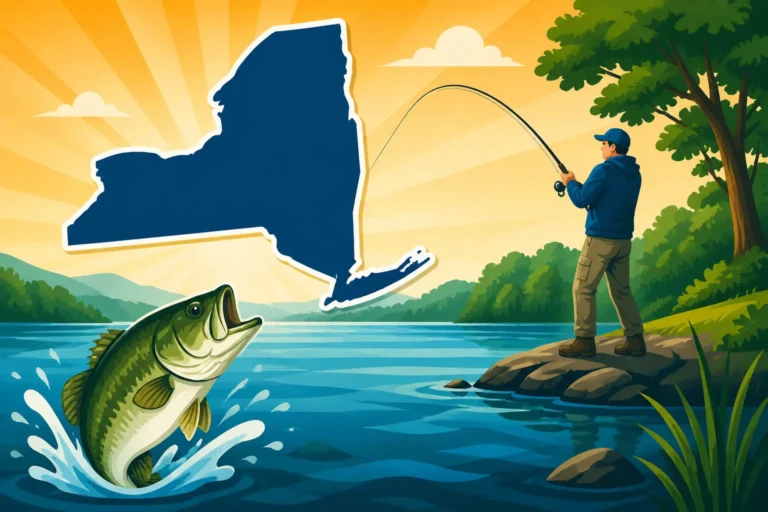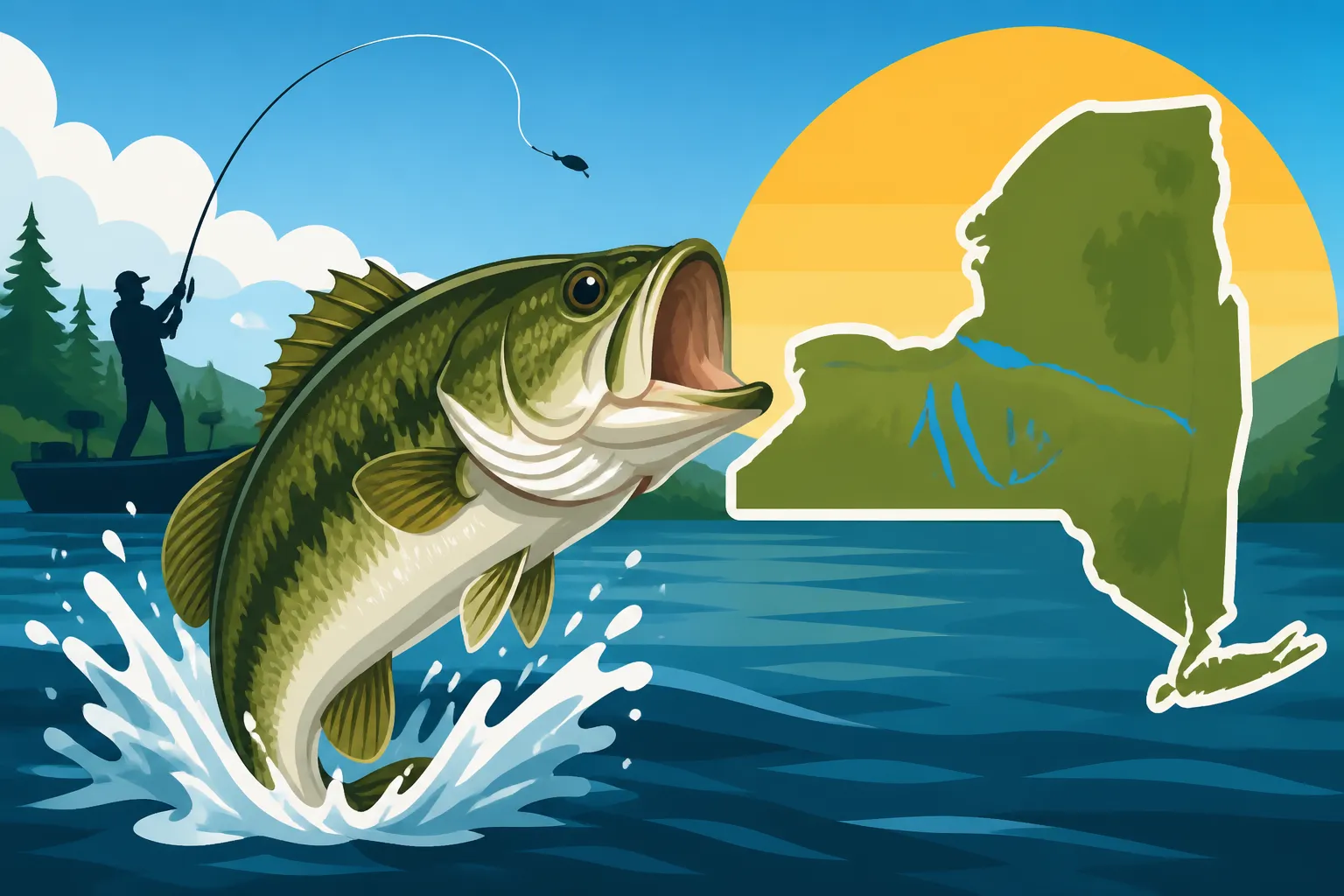
New York Lakes Known for Largemouth Bass
For many anglers, the pursuit of largemouth bass in New York State can feel like a real puzzle. You hear whispers of trophy fish in one lake, but then you spend a day blanking, wondering if you’re missing some secret. It's frustrating when you just want to find a reliable spot to cast a line for these exciting, hard-fighting fish. This comprehensive guide is here to cut through the confusion, revealing the best lakes across New York known for their robust largemouth bass populations and giving you the insights you need to hook into your next big catch.
Understanding Largemouth Bass in New York Waters
The largemouth bass, with its distinctive jawline extending beyond the eye, is a beloved game fish throughout New York. It's not just their aggressive strikes or powerful fights that captivate anglers; it's also their preference for specific habitats that makes finding them an engaging challenge. Understanding the characteristics of these fish and their preferred environments is the first step to becoming a successful New York bass angler.
Characteristics of New York Largemouth
New York's largemouth bass populations thrive in a variety of water bodies, from expansive glacial lakes to smaller, warmer ponds. While they might not reach the gargantuan sizes seen in some southern states, New York largemouth can still grow quite large, with many lakes regularly producing fish in the 3-6 pound range, and true trophies pushing well into the 7-8 pound class or even higher. Their diet is diverse, including baitfish like alewives and shad, crayfish, frogs, and even small waterfowl, making them opportunistic predators that respond to a wide array of lures.
These fish are known for their explosive topwater strikes and their tendency to hold tight to cover, presenting a thrilling challenge for anglers. They often exhibit different behaviors depending on the specific water body and time of year, adapting their feeding patterns and locations. Learning to distinguish their subtle cues, from how they relate to structure to their preferred forage, is key to consistent success. For a deeper dive into these fascinating creatures, you might want to explore the article on Largemouth Bass in New York
Habitat Preferences in NY Lakes
Largemouth bass are connoisseurs of comfort, preferring warm, shallow waters with an abundance of cover. Think thick weed beds, submerged timber, lily pads, docks, and any other structure that offers ambush points and shade. Unlike their smallmouth cousins who prefer rocky, open waters, largemouth are creatures of the "green zone," often found lurking at the edges of aquatic vegetation where they can ambush unsuspecting prey.
In New York, this means focusing on lakes with extensive shallow flats, coves, and bays that warm up quickly in the spring and retain warmth into the fall. These areas provide the perfect blend of cover, food sources, and spawning grounds. Look for areas where different types of cover meet – a weed line transitioning into a rocky drop-off, or a stand of lily pads bordering a sunken log. These "transition zones" are often prime largemouth real estate, offering diverse feeding opportunities and protective cover.
The Lure of the Largemouth
There's something uniquely satisfying about hooking into a largemouth bass. Their initial powerful run, the acrobatic jumps, and the sheer fight they put up make them incredibly popular among freshwater anglers. Beyond the thrill of the catch, largemouth fishing also encourages a deep understanding of aquatic ecosystems. It challenges you to read the water, understand fish behavior, and adapt your techniques, making every outing a learning experience.
Whether you're a seasoned pro or just starting out, the pursuit of largemouth bass in New York offers endless opportunities for excitement and discovery. From the finesse techniques required to pull a bass out of heavy cover to the heart-stopping moment a topwater frog disappears in a violent splash, every aspect of largemouth fishing is a testament to their appeal. It's a sport that blends patience, strategy, and a touch of adrenaline, keeping anglers coming back for more, season after season.
Top Tier Largemouth Bass Lakes in New York
New York State boasts an impressive array of lakes that are genuine hotspots for largemouth bass. While nearly every water body with suitable habitat will hold some bass, certain lakes consistently produce larger numbers and bigger fish, making them legendary among the angling community. These are the places where serious bass anglers plan their trips, knowing their chances of a memorable catch are exceptionally high.
Oneida Lake: A Premier Destination
Oneida Lake, often referred to as "New York's Central Gem," is arguably one of the state's most celebrated fisheries, not just for walleye and yellow perch, but especially for its thriving largemouth bass population. This expansive, relatively shallow lake near Syracuse covers over 50,000 acres, offering an incredible diversity of habitat perfectly suited for big bass. The lake features extensive weed lines, particularly milfoil and eelgrass, stretching for miles, as well as numerous rocky shoals, drop-offs, and docks.
Anglers targeting largemouth on Oneida Lake often focus on the many shallow bays and coves, especially during the spring spawn and early summer when bass are most active in these areas. Places like Big Bay, Godfrey Point, and the areas around Frenchman Island are perennial favorites. The vast weed flats provide perfect ambush points for bass, making weedless plastics, spinnerbaits, and swim jigs highly effective. Later in the season, as the weeds mature, punching through heavy cover with stout gear and heavy weights becomes a productive tactic. The sheer size and productivity of Oneida make it a must-visit for any serious largemouth enthusiast.
Chautauqua Lake: Western New York's Gem
Nestled in Western New York, Chautauqua Lake is another phenomenal largemouth bass fishery, especially known for producing some truly hefty specimens. This long, narrow lake, covering nearly 13,000 acres, is characterized by its significant amounts of aquatic vegetation, including lily pads, coontail, and milfoil, which create prime largemouth habitat throughout its northern and southern basins. The lake's irregular shoreline with numerous points, coves, and shallow flats further enhances its bass-holding potential.
Chautauqua Lake's largemouth can be found relating to the dense weed beds, particularly the defined edges and pockets within the vegetation. Topwater lures like frogs and poppers are incredibly exciting to use over the lily pads, especially during low light conditions or on overcast days. Flipping and pitching jigs or Texas-rigged soft plastics into the thickest cover is another highly effective method here, requiring precision and powerful gear to extract big bass from their lairs. The lake's robust forage base, including ample panfish and baitfish, contributes to the excellent growth rates of its largemouth, making it a consistent producer of quality fish.
Finger Lakes: Diverse Bass Opportunities
While the Finger Lakes are often celebrated for their world-class trout and salmon fishing, several of them offer exceptional largemouth bass opportunities, each with its own unique character. These deep, glacial lakes possess warmer, shallower sections, bays, and feeder creeks that provide ideal habitat for largemouth. Targeting the right areas within these vast lakes is key to success.
- Cayuga Lake: As the longest of the Finger Lakes, Cayuga boasts extensive shallow southern portions and numerous weed-choked bays perfect for largemouth. The northern end, particularly around Montezuma National Wildlife Refuge and the surrounding marshes, is a prime location. Anglers often find success working docks, fallen trees, and lily pads with spinnerbaits, crankbaits, and soft plastics.
- Seneca Lake: While known for its immense depth, Seneca Lake also offers excellent largemouth fishing in its shallower northern and southern extremes, as well as in its many coves. Look for areas with dense weeds and emergent vegetation. The warm water discharged by industrial plants in the northern end can create year-round opportunities.
- Keuka Lake: Shaped like a "Y," Keuka offers diverse fishing. Its shallower sections and many docks provide excellent cover for largemouth. The warmer, shallower northern and southern ends are particularly productive, along with the numerous weed beds that line its shores.
Each of these Finger Lakes requires a slightly different approach due to their varied structures, but all offer the chance to catch impressive New York largemouth. Understanding the local nuances and focusing on these shallower, warmer sections will increase your odds significantly.
Regional Hotspots for Largemouth Bass
Beyond the universally acclaimed lakes, New York is dotted with numerous regional gems that consistently produce excellent largemouth bass fishing. These spots might not always get the same fanfare as Oneida or Chautauqua, but they offer fantastic opportunities, often with less pressure and a more intimate angling experience.
Eastern New York Lakes and Ponds
Eastern New York, including the Capital Region and areas closer to the Hudson Valley, has a fantastic network of lakes and ponds that are ripe for largemouth bass. These waters often feature abundant shallow cover, making them ideal habitats.
- Lake George: While famous for its clear waters and lake trout, Lake George also holds a very healthy largemouth bass population, especially in its shallower bays and around its countless islands. The southern basin, with its numerous docks, weed beds, and rocky points, is particularly productive. Anglers often target areas like Dunham's Bay, Warner Bay, and the protected coves around Tongue Mountain. Flipping jigs, working spinnerbaits along weed edges, and tossing topwaters in the mornings are popular and effective strategies.
- Tomhannock Reservoir: A popular spot near Albany, Tomhannock offers excellent largemouth opportunities with its varied bottom structure, weed lines, and submerged timber. It’s a great lake for those who enjoy working plastics and jigs in heavy cover.
- Hudson River Tributaries and Backwaters: The mighty Hudson River itself, particularly its many tidal tributaries and backwater ponds, holds surprising numbers of largemouth bass. These areas can be highly dynamic, with water levels and clarity fluctuating, but they offer incredible action for anglers willing to explore. Look for flooded timber, lily pads, and creek mouths that warm up quickly.
These eastern waters provide a wonderful escape and diverse fishing scenarios, proving that quality largemouth action isn't limited to just a few famous spots.
Central and Northern New York Waters
The heart of New York and its northern reaches are home to a myriad of lakes and reservoirs that are often overlooked but can yield fantastic largemouth bass. These regions offer a mix of large, open waters and smaller, secluded ponds.
- Black Lake: Located in the Thousand Islands region, Black Lake is an angler's paradise, often touted for its exceptional bass and panfish fishing. This sprawling, shallow lake is almost entirely covered in aquatic vegetation, creating an endless maze of prime largemouth habitat. Flipping jigs and plastics into the dense cover, working spinnerbaits along weed lines, and throwing topwater frogs over lily pads are all highly productive. It's a lake where you can spend days exploring new coves and finding hidden bass honey holes.
- Lake Champlain (NY Side): While a shared border water with Vermont, the New York side of Lake Champlain offers incredible largemouth fishing, especially in its southern bays and shallower sections. The extensive weed beds, docks, and rocky points along the NY shoreline provide excellent structure. Areas around Port Henry, Crown Point, and the many sheltered coves can be extremely productive. Given its immense size and diverse habitat, Champlain is a true trophy bass destination.
- Small local ponds and reservoirs: Don't discount the countless smaller ponds, lakes, and reservoirs scattered throughout central and northern New York. Many of these lesser-known waters are stocked or naturally support robust largemouth populations. A quick search on the New York State Department of Environmental Conservation (DEC) website or conversations with local bait shop owners can often reveal hidden gems. These smaller waters can be perfect for kayak or canoe fishing, offering a more tranquil experience.
Long Island's Hidden Bass Fisheries
Long Island, often associated with saltwater angling, actually harbors a surprising number of excellent freshwater largemouth bass fisheries. These often smaller, sometimes urban, lakes and ponds provide convenient opportunities for anglers living in or visiting the area.
- Lake Ronkonkoma: As Long Island's largest freshwater lake, Lake Ronkonkoma is a popular spot for largemouth bass. It features various types of cover, including docks, weed lines, and submerged brush, particularly along its shores and in shallower sections. Anglers use a variety of techniques, from Texas-rigged worms to crankbaits, to pull bass from its waters.
- Argyle Lake: A picturesque lake in Babylon, Argyle Lake is a well-maintained urban fishery that holds good numbers of largemouth. While smaller, its accessible shoreline and abundant cover make it a fun challenge. It's a great spot for an afternoon of bank fishing or targeting with a small boat or kayak.
- South Shore Estuaries and Ponds: Beyond the named lakes, Long Island has numerous smaller ponds and tidal impoundments that connect to its vast estuary system. These brackish or freshwater-fed ponds can hold surprisingly large largemouth bass, often thriving on an abundance of baitfish. Exploring these hidden corners, sometimes accessible only by kayak, can lead to incredible finds. Always check local regulations, as some areas may have specific rules or access limitations.
To maximize your chances on these diverse waters, consider connecting with local guides. Platforms like FishingBooker can be an invaluable resource for finding experienced captains who know the ins and outs of these specific regional hotspots. They can provide tailored advice and put you directly on fish, saving you valuable time and effort.
Techniques and Strategies for New York Largemouth
Catching largemouth bass consistently in New York requires more than just knowing where to fish; it demands an understanding of how to fish based on the season, water conditions, and the specific lake's characteristics. Adapting your techniques and bait choices is crucial for success.
Seasonal Tactics for Success
Largemouth bass behavior changes dramatically throughout the year, primarily driven by water temperature and their spawning cycle. Understanding these seasonal shifts is fundamental to being in the right place at the right time.
- Spring (Pre-spawn & Spawn): As ice melts and water temperatures rise into the 45-60°F range, largemouth begin to move from their deeper winter haunts towards shallower, warmer spawning areas. This is often the time for big fish! During the pre-spawn, they are aggressively feeding to build energy for spawning. Slow-rolling spinnerbaits, jerkbaits, and lipless crankbaits can be deadly as bass cruise the edges of weed beds and shallow flats. Once water temperatures hit the low 60s, bass move onto beds. Sight fishing with soft plastics like creature baits or wacky-rigged worms can be effective, but remember to practice responsible catch-and-release to protect the spawn. You can find more details on specific dates in the New York Bass Season Dates guide.
- Summer (Post-spawn & Summer Patterns): After spawning, bass disperse and settle into their summer patterns. Water temperatures rise, often pushing bass into deeper, cooler water during the heat of the day, or into the densest cover. Early mornings and evenings often see them move shallow to feed, making topwater lures (frogs, poppers, walking baits) incredibly exciting. During the day, punching through matted vegetation with heavy jigs or Texas-rigged plastics, or working deep diving crankbaits and Carolina rigs along drop-offs, can be very productive. Bass will often relate to docks, submerged timber, and deep weed lines.
- Fall (Feeding Frenzy): As water temperatures begin to drop in late summer and fall, largemouth bass sense the approaching winter and embark on a feeding spree. This can be one of the best times to catch aggressive bass. They'll often school up and chase baitfish in open water, or feed heavily in shallower areas before retreating to deeper water. Spinnerbaits, swimbaits, jerkbaits, and crankbaits that mimic fleeing baitfish are excellent choices. Look for bass relating to transition zones where shallow water drops into deeper channels, as they'll use these highways to move and feed. If you're wondering about the optimal time, check out our guide on the Best Time to Fish for Bass in New York.
Best Baits and Lures
New York largemouth respond to a wide variety of baits and lures, but having a core arsenal and knowing when to use each can significantly improve your catch rate.
- Soft Plastics: These are arguably the most versatile and effective baits for largemouth. Texas-rigged worms, creature baits, Senkos, and stick baits are exceptional for flipping, pitching, or casting into cover. The weedless nature of many soft plastic rigs allows you to penetrate heavy vegetation where bass hide. For aggressive presentations, consider using a How to Flip and Pitch for Bass in Heavy Cover technique.
- Jigs: Flipping and pitching jigs (often paired with a creature bait trailer) are fantastic for targeting bass in dense cover like docks, brush piles, and thick weeds. Swim jigs, which mimic baitfish swimming through vegetation, are also highly effective.
- Spinnerbaits & Chatterbaits: These baits excel at covering water and eliciting reaction strikes. They're great for fishing along weed lines, over submerged grass, or around standing timber. Their flash and vibration can draw bass out of cover, especially in stained water.
- Crankbaits: From shallow-diving square bills to deep-diving plugs, crankbaits are excellent for imitating baitfish and covering different water depths. They are particularly effective when bass are actively feeding and positioned along defined structure or depth changes.
- Topwater Lures: Nothing beats the excitement of a topwater strike! Frogs, poppers, walk-the-dog baits, and buzzbaits are fantastic for early mornings, evenings, or overcast days when bass are shallow and feeding on the surface. They are especially effective over lily pads and matted vegetation.
- Live Bait: While many bass anglers prefer artificial lures, live bait like shiners or large minnows can be incredibly effective, especially when fishing for less aggressive bass or in heavily pressured waters. Just ensure you're adhering to New York Freshwater Fishing Rules regarding live bait use.
Reading the Water and Structure
Becoming proficient at largemouth bass fishing means learning to "read" the water and identify potential bass-holding structure. Bass are ambush predators, and they will always position themselves in areas that offer cover, shade, and easy access to food.
- Weed Lines and Pockets: Look for distinct edges of weed beds, particularly where different types of vegetation meet. Bass often patrol these edges or lurk in "pockets" within the weeds, waiting to ambush prey. These areas are prime spots for working jigs, spinnerbaits, and weedless plastics.
- Docks and Pilings: Docks provide shade, cover, and often act as forage magnets. Bass will often position themselves under or around dock pilings, especially during sunny days. Skipping jigs, Senkos, or weightless worms under docks can be incredibly effective. Our guide on How to Fish Docks for Bass offers specific strategies.
- Fallen Trees and Brush Piles: Submerged timber provides excellent cover and structure. Bass will often hold tight to these features. Flipping or pitching jigs and creature baits into the deepest parts of the timber can entice strikes. Be prepared for snags, but the rewards can be worth it.
- Points and Drop-offs: Points that extend into the lake, especially those with depth changes or nearby cover, are often migration routes and feeding areas for bass. Drop-offs also provide bass with quick access to deeper, cooler water while still being close to shallow feeding grounds. Crankbaits, jigs, and Carolina rigs are great for working these areas.
- Surface Activity: Keep an eye out for signs of baitfish activity, such as schools of minnows flickering on the surface, or even small explosions as bass bust bait. This indicates actively feeding fish. Also, pay attention to the Best Time of Day to Fish in New York as bass activity can be highly dependent on light conditions.
Using electronics like a fish finder can greatly enhance your ability to locate submerged structure, identify baitfish schools, and even spot individual bass, giving you a significant advantage. Learning How to Read a Fish Finder for New York Lakes is a game-changer.
Planning Your Largemouth Bass Adventure
A successful largemouth bass fishing trip in New York isn't just about showing up at the lake; it involves careful planning, from understanding local regulations to ensuring you have the right gear and, if desired, the expertise of a professional guide.
Finding Guides and Charters
While many anglers prefer to go it alone, hiring a local fishing guide or charter service can significantly increase your chances of success, especially when exploring a new lake or targeting a trophy. Guides possess invaluable local knowledge, including current patterns, hot spots, and effective techniques. They can also provide all the necessary gear, which is a huge plus for beginners or those traveling light.
When looking for a guide, consider their specialization. Some guides focus solely on largemouth bass, while others might offer a broader range of species. Read reviews, ask for references, and communicate your expectations clearly. Platforms like FishingBooker are excellent resources for finding reputable New York Fishing Charters and Guides who specialize in largemouth bass on specific lakes mentioned in this guide. They often provide detailed profiles, customer reviews, and easy booking options, connecting you with experts who can make your trip truly memorable.
Essential Gear for Bass Anglers
Having the right tackle can make all the difference when chasing New York largemouth. Here’s a basic rundown of essential gear:
- Rods and Reels: A medium-heavy to heavy power baitcasting rod (6'6" to 7'6") paired with a high-quality baitcasting reel is standard for most largemouth applications, especially when fishing heavier cover. A medium power spinning rod (6'6" to 7'0") with a matching spinning reel is excellent for finesse techniques, lighter lures, and less dense cover.
- Line: For baitcasters, 15-20 lb fluorocarbon or monofilament is common, with braided line (30-65 lb) preferred for heavy cover and punching mats due to its strength and abrasion resistance. For spinning gear, 8-12 lb fluorocarbon or monofilament, or 10-20 lb braid with a fluorocarbon leader, works well.
- Tackle Box Essentials:
- Hooks: A variety of sizes in Texas-rig, wacky-rig, and jig heads.
- Weights: Bullet weights (tungsten preferred for sensitivity and smaller profile) from 1/8 oz to 1 oz for Texas rigging, and heavier punching weights for thick cover.
- Terminal Tackle: Swivels, split rings, and extra snaps.
- Pliers/Forceps: Essential for removing hooks safely.
- Line Cutters: Sharp scissors or clippers.
- Net: A quality landing net is crucial for landing larger bass, especially when fishing from a boat.
- Scale and Measuring Tape: For documenting your catches (and bragging rights!).
- Safety Gear: Life jacket (if boating), first-aid kit, sunscreen, insect repellent, and plenty of water.
- Fishing License: Absolutely essential! Make sure you have a valid New York Fishing License Guide before you even leave home.
Best Times to Fish for Bass
While largemouth bass can be caught year-round in New York (ice permitting in winter), certain times offer prime opportunities. Generally, the most productive periods are spring (pre-spawn and early spawn) and fall (feeding frenzy).
- Spring (April – June): This is often considered the trophy season. As water temperatures climb into the 50s and 60s, big bass move shallow and are eager to feed before and during the spawn. Early mornings and late afternoons are typically best, but overcast days can extend the bite throughout the day.
- Summer (July – August): Fishing can be tougher during the heat of summer, often requiring anglers to target bass in deeper water or dense cover during the day. Early mornings, late evenings, and even night fishing can be highly productive as bass move shallow to feed under cooler conditions.
- Fall (September – October): Another fantastic time for aggressive bass. As water temperatures drop, bass feed heavily, often schooling up. They can be found shallower than in mid-summer, often feeding on dying baitfish. Mid-day can be very productive as the sun warms the shallower waters.
Always consider local weather conditions, barometric pressure, and water clarity, as these factors significantly influence bass behavior. A little research into local fishing reports can also provide up-to-date insights into what's working on your chosen lake.
Regulations and Conservation
Fishing for largemouth bass in New York isn't just about the thrill of the catch; it's also about being a responsible steward of our aquatic resources. Adhering to regulations and practicing conservation ensures that these incredible fisheries remain healthy for future generations of anglers.
Understanding Catch Limits and Seasons
The New York State Department of Environmental Conservation (DEC) sets specific regulations for largemouth bass to ensure sustainable populations. These regulations can vary by water body, so it's absolutely critical to consult the most current DEC fishing regulations guide before you head out. Generally, there's a statewide season for largemouth and smallmouth bass, but some specific waters may have different open seasons, minimum size limits, or daily creel limits.
For example, a common statewide regulation might specify an open season from mid-June through November 30th, with a daily creel limit of five bass and a minimum size limit of 12 inches. However, "special regulations" waters, often identified in the DEC guide, could have different rules, such as catch-and-release only, or higher/lower size and creel limits. Always double-check! Ignoring these rules can lead to significant fines and penalties, and more importantly, it can negatively impact the health of the fishery. Understanding the New York Bass Season Dates is paramount for any bass angler.
Practicing Responsible Catch-and-Release
While keeping a legal-sized bass for dinner is certainly an option, many largemouth bass anglers, especially those targeting larger fish, practice catch-and-release. This conservation ethic helps maintain strong breeding populations and ensures that trophy-sized bass can continue to grow and reproduce.
Here are some tips for responsible catch-and-release:
- Minimize Handling Time: The less time a fish spends out of water, the better its chances of survival. Have your camera ready if you plan to take a photo.
- Use Wet Hands: Always wet your hands before handling a fish. Dry hands can remove the fish's protective slime coat, making it vulnerable to disease.
- Support the Fish Properly: For larger bass, support the fish horizontally with one hand under its belly and the other gently gripping its lower jaw (lipping it). Avoid holding large fish vertically by the jaw alone, as this can damage their internal organs.
- Use Barbless Hooks: Crushing the barb on your hooks or using barbless hooks makes removal much easier and less traumatic for the fish.
- Remove Hooks Quickly: Use pliers or forceps to quickly and carefully remove the hook. If the fish is deeply hooked, it may be better to cut the line as close to the hook as possible rather than risk further injury trying to extract it.
- Revive the Fish: If the fish seems stressed or sluggish, hold it gently in the water, facing into the current, until it regains its strength and can swim away on its own. Never just toss a stressed fish back; ensure it's vigorous enough to escape predators.
By following these simple guidelines, you can ensure that the thrill of catching a New York largemouth bass is not its last act, but rather a testament to the thriving fisheries that we all share.
Disclaimer
The information provided in this guide is for general informational purposes only. Fishing regulations and conditions in New York State can change frequently. Always consult the most current New York State Department of Environmental Conservation (DEC) regulations guide before engaging in any fishing activities. Adherence to all local, state, and federal laws is the responsibility of the angler.