Striped Bass Hotspots Near the Tappan Zee
Trying to pinpoint those elusive striped bass in the vastness of the Hudson River, especially around the busy Tappan Zee Bridge area, can feel like searching for a needle in a haystack. Many anglers spend countless hours casting into promising waters only to come up empty-handed, leaving them frustrated and wondering if they're even in the right spot. This guide is here to cut through that guesswork, revealing the prime locations where you can consistently find and hook into striped bass near the Tappan Zee, offering practical advice to make your next trip a success.
Understanding Striped Bass Movement in the Lower Hudson
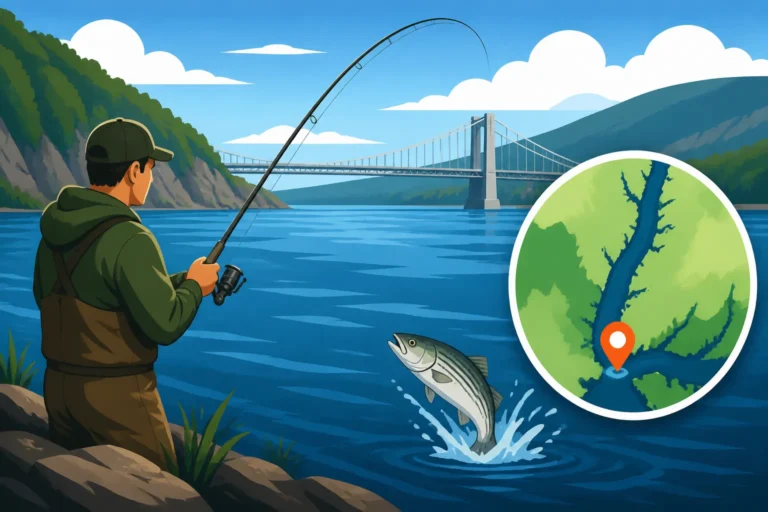
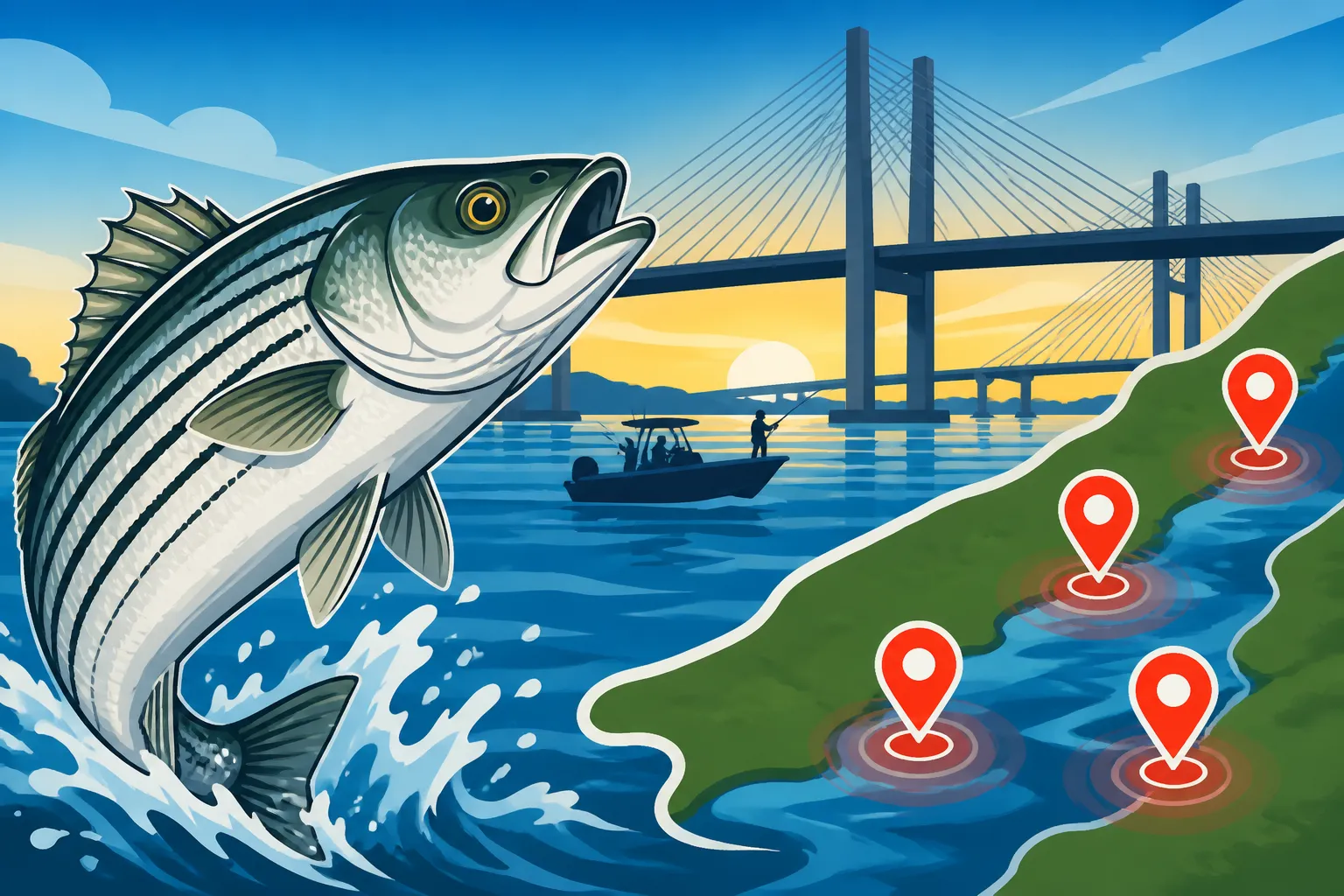
The Tappan Zee area, specifically the stretch of the Hudson River where the Mario M. Cuomo Bridge (formerly Tappan Zee) spans, is a critical bottleneck and transition zone for striped bass. These magnificent fish, often referred to as "stripers," are anadromous, meaning they spend most of their lives in saltwater but migrate to freshwater to spawn. The Hudson is one of the most important spawning grounds for Atlantic coast stripers, and the Tappan Zee corridor plays a huge role in their annual migration patterns.
The Spring Migration and Spawning Run
As winter loosens its grip and water temperatures begin to climb into the upper 40s and 50s Fahrenheit, usually around April, the first waves of striped bass start their journey up the Hudson. This is the fabled "spring run," a time of immense excitement for anglers. The Tappan Zee acts as a gateway for these fish, as they push north towards their spawning grounds further upriver. Smaller males usually lead the charge, followed by larger females. During this period, the bass are primarily focused on migration and then eventually, reproduction. They're often hungry and aggressive, making them excellent targets. You can learn more about this exciting period in our guide on How to Fish for Striped Bass in the Spring Run.
Their movement isn't a continuous upstream charge; they often pause and feed in areas with strong current, structure, and baitfish concentrations. The deeper channels and eddy lines around the bridge pilings and adjacent shorelines create perfect ambush points. Knowing When Do Striped Bass Run Up New York's Hudson River? is key to timing your trips for maximum success. By late May into early June, spawning activities usually peak, and then the fish begin their downstream migration back towards the ocean, often lingering in the brackish waters near the Tappan Zee to feed and regain strength.
Summer and Fall Feeding Patterns
While the spring run gets most of the glory, striped bass are present in varying numbers near the Tappan Zee throughout the warmer months and into the fall. After spawning, many fish don't immediately head back to the ocean but rather disperse throughout the lower and middle Hudson, taking advantage of abundant baitfish like herring, bunker (Atlantic menhaden), and even juvenile eels.
During summer, the stripers might be less concentrated than during the spring run, often moving into deeper, cooler water during the heat of the day and becoming more active during dawn, dusk, or even throughout the night. Structure is still paramount—think bridge pilings, submerged rocks, drop-offs, and creek mouths. As fall approaches, typically from September through November, the fish become highly active again, gorging themselves in preparation for winter. This "fall run" can be just as productive, if not more, than the spring, with large schools of baitfish moving south, drawing stripers with them. The Striped Bass Season on the Hudson Runs April Through November, offering plenty of opportunities if you understand their seasonal movements.
Prime Shoreline and Pier Access Points
One of the great things about fishing for striped bass near the Tappan Zee is the accessibility. You don't always need a boat to get in on the action. Several public parks, piers, and shoreline access points offer excellent opportunities for land-based anglers. Always remember to check local regulations and ensure you have your New York Fishing License Guide in order before you cast a line.
Nyack Beach State Park
Located on the west bank of the Hudson, just north of the bridge, Nyack Beach State Park offers fantastic shoreline access. The park features a long, scenic stretch of waterfront, perfect for those who enjoy a bit of a walk to find their spot. The currents here can be quite strong, especially during tidal changes, which is exactly what striped bass love.
Anglers often target the areas where the current creates eddies or pockets behind natural rock formations or points. Casting out with heavy baitcasting gear rigged with fresh bunker chunks, herring, or even large artificial plugs can be very effective. Live bait, if allowed and sourced responsibly, is often king here. The depth can drop off fairly quickly in some spots, providing good cover for passing stripers. You'll want to aim your casts towards the deeper channels or current seams where baitfish might be pushed through.
Piermont Pier
South of the bridge on the west side, Piermont Pier extends a full mile into the Hudson River. This iconic pier offers unparalleled access to deeper water and strong currents, making it a hotspot for a variety of species, including striped bass. The sheer length of the pier means you can fish away from the immediate shore, reaching water that boat anglers typically target.
Fishing from Piermont Pier demands robust tackle, as strong currents and potentially large fish are common. Live eels are a favorite bait here for bigger stripers, fished on a standard bottom rig or a slip float rig to keep the bait in the strike zone. Chunks of fresh bunker or herring also produce excellent results. Artificial lures like large swimbaits, poppers (especially at dawn/dusk), and jig-and-soft-plastic combinations can be incredibly effective when worked along the pier's edges or cast into the deeper channel. Remember that circle hooks are often recommended, and sometimes required, for bait fishing to minimize gut hooking, as detailed in our guide on Why Are Circle Hooks Required for Striped Bass Bait Fishing?. The pier can get busy, especially during peak seasons, so arriving early is always a good strategy.
Tarrytown and Sleepy Hollow Shoreline
On the east side of the Hudson, the towns of Tarrytown and Sleepy Hollow offer various access points, though perhaps less centralized than Piermont. The Tarrytown Lakes Park area, while primarily freshwater, has connections to the Hudson, and the shoreline along the Hudson River itself, particularly around waterfront parks like Kingsland Point Park in Sleepy Hollow, can be productive.
These spots often involve fishing from rocky banks or small patches of beach. The key is to look for areas with current breaks, submerged structure, or deep pockets close to shore. During the spring and fall runs, stripers will cruise these shorelines looking for bait. Lure fishing can be very effective here, using medium to heavy spinning gear with swimming plugs, soft plastics on jig heads, or spoons. Early morning and late evening bites tend to be the most consistent. While not as dramatic as Piermont Pier, these areas can offer a quieter, more intimate fishing experience.
Boat and Kayak Fishing Advantages
For those with access to a boat or kayak, the Tappan Zee area opens up even more possibilities, allowing you to reach prime structure and deeper channels that are inaccessible from shore. The ability to move and follow the fish significantly increases your chances of success.
Navigating the Bridge Pilings and Structure
The Mario M. Cuomo Bridge itself is a massive artificial reef, providing countless ambush points for striped bass. The current flows strong around the pilings, creating seams and eddies where stripers love to hold and wait for bait. Fishing directly around the bridge pilings requires careful boat handling due to the strong currents and heavy boat traffic.
Trolling with large deep-diving crankbaits or bunker spoons can be effective along the edges of the main channel, especially where current meets slack water. Jigging with heavy bucktails or soft plastics around the pilings can also produce excellent results. Electronics are your friend here, helping you locate schools of baitfish and any deeper structure or drop-offs that might hold fish. Remember to respect navigation channels and other boaters. If you're looking for an experienced hand to guide you through these challenging but rewarding waters, platforms like FishingBooker can help you find reputable local Hudson River fishing guides.
Exploring the Tributary Mouths and Flats
Beyond the immediate bridge area, the Tappan Zee region has several smaller creeks and tributaries that flow into the Hudson. The mouths of these tributaries, such as the Pocantico River or Sparkill Creek, are natural magnets for baitfish and, consequently, for striped bass. During tidal changes, these areas can concentrate food, making them prime feeding grounds.
Drifting live bait or casting artificials like soft plastic shads or topwater plugs into these areas during incoming or outgoing tides can be incredibly effective. The flats adjacent to the main channel can also hold stripers, especially during lower light conditions when they move into shallower water to feed. Kayak anglers, in particular, can stealthily navigate these shallower areas and get into spots that larger boats can't reach. It's a fantastic way to experience Striped Bass Fishing on New York's Hudson River up close and personal.
Essential Tactics for Tappan Zee Stripers
Catching striped bass consistently near the Tappan Zee involves more than just showing up at a good spot; it requires understanding their feeding habits, preferred baits, and the impact of the tides.
Bait and Lure Selection
When it comes to bait, fresh is always best. For the Hudson River stripers, some tried and true options include:
- Bunker (Atlantic Menhaden): Both live and fresh-cut bunker chunks are irresistible to stripers. If you can net or snag live bunker, fishing them whole or butterflied (cut down the spine) can entice larger fish.
- Herring: Similar to bunker, herring is a prime food source. Live herring can be fished under a float or on a three-way swivel rig.
- Eels: Live eels are legendary for catching big stripers, especially at night. They can be fished on a simple hook and leader, allowing them to swim naturally.
- Worms: Bloodworms and sandworms can be effective for smaller stripers, especially earlier in the season or in areas with less current.
For artificial lures, versatility is key:
- Jigs: Bucktail jigs, often tipped with a pork rind or soft plastic trailer, are incredibly effective for mimicking baitfish. Their weight allows them to get down in current.
- Soft Plastics: Paddle tail swimbaits, flukes, and shads on jig heads are highly versatile and can imitate a variety of forage. Popular brands like Zoom, Keitech, and Bass Assassin are often found in local tackle shops.
- Plugs: Topwater plugs (poppers, walk-the-dog baits) are exhilarating at dawn/dusk. Sinking or suspending minnow plugs can imitate wounded baitfish in the water column.
- Spoons: Casting spoons or trolling spoons are excellent for covering water and mimicking fleeing baitfish.
A good local tackle shop, like Frank's Bait & Tackle in Peekskill or Sportsworld in Garfield (though a bit further, still a valuable resource), can provide the freshest bait and expert advice on what's currently working. You can also dive deeper into options with our guide to the Best Bait for Striped Bass.
The Crucial Role of Tides
The Hudson River is a tidal estuary, and understanding the tides is paramount to success. Striped bass often feed most actively during strong tidal flows, as the current disorients baitfish and pushes them past ambush points. Both the incoming and outgoing tides can be productive, depending on the specific spot.
- Outgoing Tide: As the tide rushes out, it can flush baitfish, crabs, and other forage from the smaller creeks and flats into the main river channel, creating a feeding frenzy. Areas around creek mouths and points are often hot during the outgoing tide.
- Incoming Tide: The incoming tide can push saltwater forage further upriver and concentrate baitfish in certain areas. Bridge pilings and deeper channels tend to be good on an incoming tide.
Slack tide (the period of minimal current between tide changes) is generally less productive, though sometimes a brief window of opportunity can exist. Always check a local tide chart before heading out. Our article on the Best Tides for Striped Bass Fishing on New York's Long Island Sound provides principles that are also highly applicable to the Hudson.
Gear Recommendations
For Tappan Zee stripers, you'll want medium-heavy to heavy conventional or spinning gear. A 7-9 foot rod with a strong backbone is ideal for casting heavy lures or bait and handling strong fish in current. Reels should have a smooth, powerful drag and be spooled with 30-50 lb braided line, topped with a 30-60 lb fluorocarbon leader for abrasion resistance.
| Gear Component | Recommendation | Why It's Important |
|---|---|---|
| Rod | 7-9 feet, Medium-Heavy to Heavy Power, Fast Action | Long casts, strong hooksets, fighting power in current. |
| Reel | Size 5000-8000 spinning or conventional equivalent | High line capacity, powerful, smooth drag for big fish. |
| Main Line | 30-50 lb Braided Line | Sensitivity, strength-to-diameter ratio, long casts. |
| Leader | 30-60 lb Fluorocarbon (3-6 feet) | Abrasion resistance, stealth, shock absorption. |
| Hooks | 5/0-9/0 Circle Hooks (for bait) | Essential for proper hooksets and fish conservation. |
| Sinkers | Pyramid, Bank, or Sputnik sinkers (2-6 oz) | To hold bottom in strong currents. |
| Lures | Bucktails (1-4 oz), Swimbaits (5-9"), Plugs (6-12") | To match baitfish and target different depths/actions. |
Remember to have a net or a lip-gripper ready, especially for larger fish, and always follow the current New York Striped Bass Slot Limit Explained to ensure you're compliant with regulations.
Safety and Conservation Considerations
Fishing the Tappan Zee can be incredibly rewarding, but it comes with responsibilities. The health of the striped bass population and the safety of anglers are paramount.
Navigating Boat Traffic and Currents
If you're fishing from a boat or kayak, the Tappan Zee area is a major shipping lane and recreation zone. Large vessels, commercial barges, and numerous pleasure crafts mean you need to be constantly aware of your surroundings. Stay clear of shipping lanes, especially in low visibility, and always use appropriate navigation lights. The currents around the bridge and in the main channel can be deceptively strong, creating dangerous situations for inexperienced boaters or kayakers. Always wear a life jacket, especially in a kayak, and check weather and water conditions before heading out.
Responsible Angling Practices
Striped bass are a prized game fish, and their populations require careful management. Practicing catch and release, especially for oversized "trophy" fish or undersized fish, helps ensure future generations of stripers.
When releasing fish:
- Minimize fight time to reduce stress on the fish.
- Keep the fish in the water as much as possible, especially if taking photos.
- Use wet hands when handling to protect their protective slime coat.
- Use a de-hooking tool if the hook is deep.
- If using bait, circle hooks are mandatory for striped bass in the Hudson River for this very reason. It's an important conservation measure, and you can find more details in our guide on the Striped Bass Circle Hook Requirement.
Always consult the New York State Department of Environmental Conservation (DEC) for the most up-to-date regulations on size limits, bag limits, and seasons for striped bass, as these can change to protect the fishery. By being informed and responsible, we can all contribute to the sustainability of this incredible resource.
Disclaimer
Please note that fishing conditions and regulations can change frequently. Always consult the latest New York State Department of Environmental Conservation (DEC) regulations before fishing. This guide is for informational purposes only and does not constitute legal advice. Stay safe and fish responsibly.