New York Striped Bass Slot Limit Explained
It can be incredibly frustrating to head out to your favorite New York fishing spot, hook into a beautiful striped bass, only to realize you're not entirely sure if it's a keeper. With regulations constantly evolving to protect these magnificent fish, understanding the current New York striped bass slot limit is paramount. This guide will meticulously break down what the slot limit is, why it's in place, and how you can confidently navigate the rules while enjoying a responsible day on the water.
Understanding New York's Striped Bass Slot Limit: Why It Exists
Let's be honest, fishing regulations can feel like a maze sometimes. You've got minimum sizes, maximum sizes, bag limits, and then, to really keep you on your toes, the dreaded "slot limit." But trust me, there's a really good reason for it, especially when it comes to a highly sought-after species like the striped bass. The New York State Department of Environmental Conservation (DEC) implements these rules not to make our lives harder, but to ensure healthy fish populations for generations to come.
The Rationale Behind Slot Limits
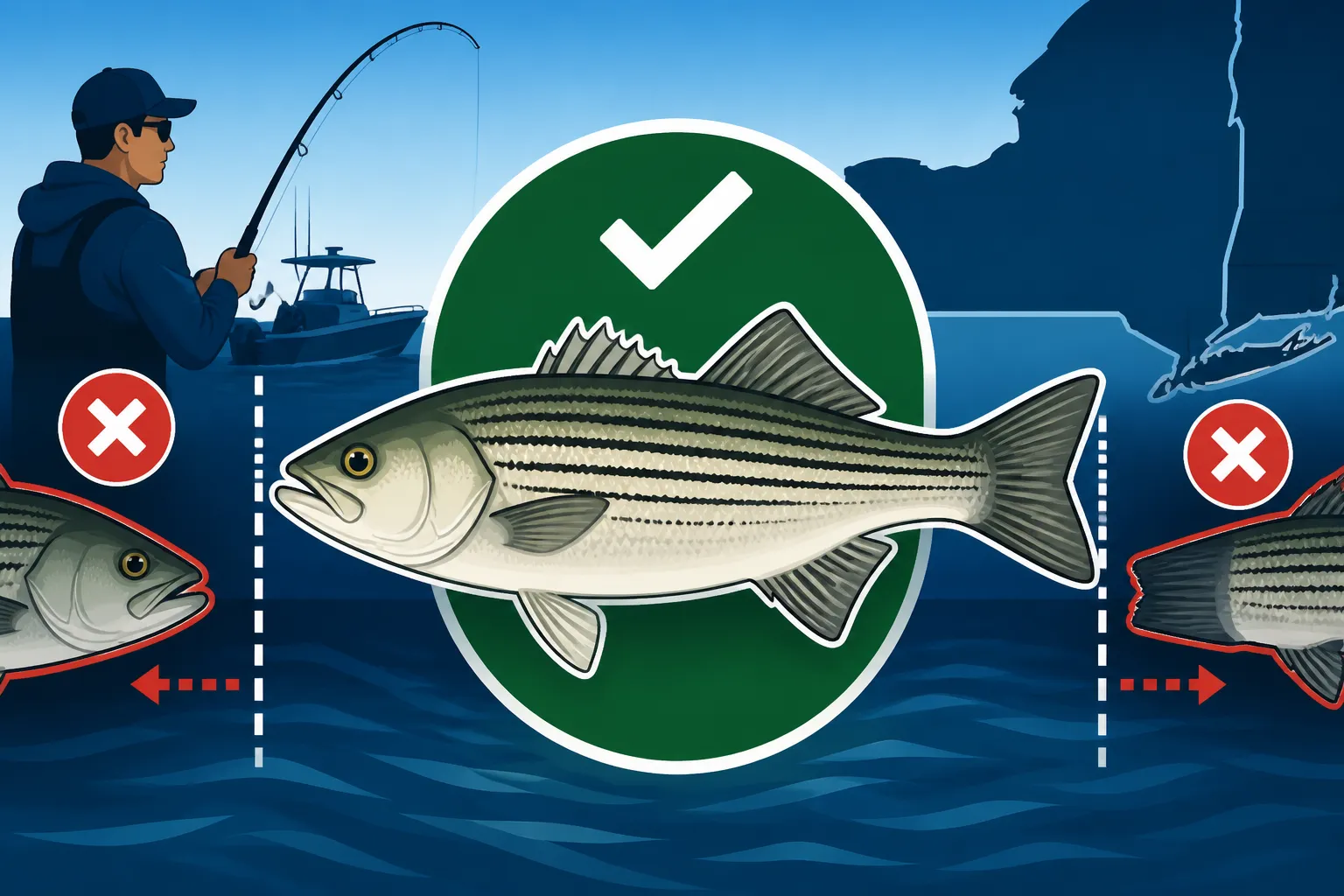
Imagine a school system where all the star students suddenly drop out. That wouldn't be good for the school's overall performance, right? It's a similar principle with fish. A slot limit is a conservation tool designed to protect the "middle class" of a fish population – specifically, the prime breeding stock. Unlike a simple minimum size limit, which only protects smaller, immature fish, or a maximum size limit, which protects the largest, oldest fish, a slot limit targets a specific range of fish for harvest.
The idea is that smaller fish need more time to grow and reach sexual maturity, contributing to the next generation. The largest fish, often the most prolific breeders, are also protected, allowing them to continue spawning and passing on their strong genetics. By only allowing anglers to keep fish within a certain "slot," fisheries managers can ensure that a significant portion of the breeding population is left untouched. This helps stabilize and even increase fish numbers, making your future fishing trips more fruitful. It's a strategic way to manage a fishery, especially for species that face intense fishing pressure, like striped bass. This approach helps to build resilience in the stock, safeguarding it from overfishing and environmental changes.
Specific Goals for New York Striped Bass
When it comes to striped bass in New York, the goals of the slot limit are particularly critical. Stripers are anadromous fish, meaning they spend most of their lives in saltwater but migrate to freshwater to spawn. In New York, the Hudson River is a crucial spawning ground for a significant portion of the Atlantic coast striped bass population. These fish then travel up and down the coast, with many spending their summers in New York's coastal waters, including the Long Island Sound and the Atlantic Ocean.
Because they're a shared resource across multiple states, regulations for striped bass are often developed in cooperation with regional bodies like the Atlantic States Marine Fisheries Commission (ASMFC). The slot limit for New York striped bass specifically aims to:
- Protect Spawning Biomass: By releasing both the smaller, immature fish and the largest, most productive breeders, the slot limit ensures that a robust number of striped bass can reproduce each year, maintaining the health of the stock. This is crucial for their long-term survival and for the sportfishing industry that relies on them.
- Ensure Sustainable Harvest: It allows for some recreational harvest while preventing overfishing of the most vital age classes. This balance is key to keeping anglers happy and the fish population thriving. Nobody wants to see a fishery collapse, and these regulations are put in place to prevent that very scenario.
- Support Population Recovery (when needed): In times when the striped bass population faces decline, a slot limit can be adjusted (often becoming tighter) to accelerate recovery by further restricting harvest and boosting the number of breeding fish. This flexibility is why it’s so important to stay current with the regulations, as they can change based on scientific assessments of the stock. Anglers play a vital role in this conservation effort by strictly adhering to the rules and practicing responsible catch-and-release techniques for fish outside the legal slot.
Decoding the Current New York Striped Bass Slot Limit
Alright, let's get down to brass tacks: what are the actual numbers you need to remember when you're out there chasing striped bass in New York? This is where the rubber meets the road, and getting it right means staying on the right side of the law and contributing to responsible fisheries management. The regulations can differ slightly depending on whether you're fishing in the marine waters (Atlantic Ocean, Long Island Sound) or the Hudson River, so pay close attention!
The Exact Numbers: What You Can and Can't Keep
As of the current regulations, which are always subject to change by the DEC, here’s the breakdown for New York’s striped bass slot limits:
For Atlantic Ocean and Long Island Sound Waters (including their tributaries up to the first impassable barrier):
- Slot Limit: 28 to 31 inches total length.
- Bag Limit: 1 fish per person per day.
- Season: Generally open from May 15 through December 15.
For the Hudson River and its tributaries (north of the George Washington Bridge):
- Slot Limit: 18 to 28 inches total length.
- Bag Limit: 1 fish per person per day.
- Season: Generally open from May 16 through November 30.
It's absolutely vital to understand what "slot limit" means in practice. If you reel in a beautiful striped bass, it must measure within the specified range to be a legal keeper. For instance, if you're fishing the Atlantic Ocean and catch a bass that's 27 inches long, you must release it unharmed. Similarly, if you catch a 32-inch bass, you must also release it. The same logic applies to the Hudson River, just with different numbers. A 17-inch or a 29-inch bass caught in the Hudson River must be immediately released.
These are not suggestions; they are strict requirements. Any fish that falls outside that specific slot, whether smaller or larger, must be immediately and carefully released. The intent is to protect the younger, growing fish and the older, more reproductively important fish. Knowing these specific New York Striped Bass Length Requirements is non-negotiable for any angler hoping to keep a striper. For a deeper dive into the seasonal specifics, check out our guide on New York Striped Bass Season Closure Dates on the Hudson and remember that the general Striped Bass Season on the Hudson Runs April Through November.
Measuring Your Catch Accurately
Getting an accurate measurement isn't just a good idea; it's the law. A mismeasurement, even by an inch, could result in a violation. Here’s how to do it correctly:
- Tip of Snout to Tip of Tail: Lay the fish flat on its side, ideally on a measuring board or a sturdy, flat surface with a ruler. The measurement is taken from the most forward point of the fish's snout (mouth closed) to the farthest tip of the tail (caudal fin), with the tail lobes compressed together. This is crucial for a consistent and accurate reading.
- Keep it Wet and Flat: Try to keep the fish wet while measuring to minimize stress and scale loss. Ensure the fish is as straight as possible, not bent or curved, to get a true length.
- Reliable Measuring Tools: Don't rely on guesswork or a flimsy tape measure. Invest in a sturdy, waterproof measuring tape, a specialized fish ruler, or a dedicated bump board. Many experienced anglers find excellent, durable options on platforms like Amazon, offering various lengths and materials that hold up well in marine environments. A good quality measuring device is an essential piece of gear, right up there with your rod and reel. Having a clear, easy-to-read device can make all the difference when you're trying to quickly measure a lively fish.
- Practice Quick Release: If a fish is clearly outside the slot, don't even bother taking it out of the water if you can help it. Unhook it gently while it's still in the water and let it go. For those on the cusp, a quick, accurate measure is key, followed by an immediate release if it doesn't meet the criteria.
Bag Limits and Season Dates
Beyond the slot limit, New York's striped bass regulations also include a daily bag limit and specific season dates. As mentioned above, the daily bag limit for striped bass in New York is consistently one fish per person, per day, regardless of whether you're in marine or Hudson River waters. This limit is another crucial conservation measure, ensuring that the overall take of striped bass remains sustainable.
The season dates are equally important and vary by location:
- Atlantic Ocean/Long Island Sound: Typically May 15 through December 15.
- Hudson River: Typically May 16 through November 30.
It's absolutely essential to remember that these dates can shift based on new scientific assessments and conservation needs. Always consult the official New York State Department of Environmental Conservation (DEC) website for the most current information before you go fishing. A quick check of the regulations can save you a lot of headache, and potential fines. The DEC's official New York Fishing Regulations Explained is your ultimate authority. Furthermore, don't forget that if you're fishing in saltwater, you'll also need to register with the New York Recreational Marine Fishing Registry, even though it's free. This registry helps the DEC track angler effort and catches, which is vital for managing the fishery effectively.
| Location | Slot Limit (Total Length) | Daily Bag Limit | General Season Dates |
|---|---|---|---|
| Atlantic Ocean/Long Island Sound | 28 to 31 inches | 1 fish | May 15 – December 15 |
| Hudson River | 18 to 28 inches | 1 fish | May 16 – November 30 |
Note: Regulations are subject to change. Always verify with the NYSDEC website before fishing.
Essential Gear and Best Practices for Adhering to the Slot Limit
Fishing for striped bass in New York is an incredible experience, but it comes with the responsibility of adhering to the rules. Successfully navigating the slot limit isn't just about knowing the numbers; it's also about having the right gear and employing best practices, especially when it comes to catch and release. After all, if a fish is outside the slot, you need to ensure it swims away healthy to breed another day.
The Right Tools for Responsible Angling
Having the proper equipment goes a long way in ensuring both your success and the well-being of the fish. When targeting striped bass, especially with slot limits in mind, certain gear becomes absolutely essential.
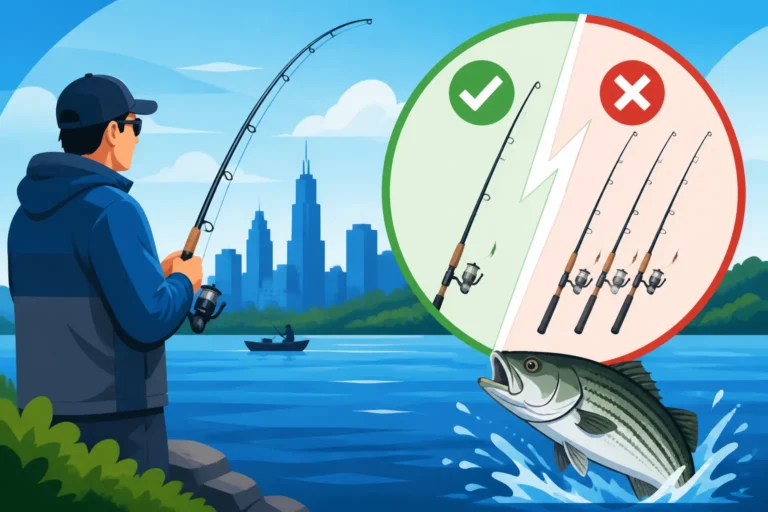
- Appropriate Tackle: For striped bass, you'll want a rod and reel combo that can handle powerful fish. A medium-heavy to heavy action rod, typically 7-9 feet, paired with a robust spinning or baitcasting reel spooled with 20-40 lb braided line is a good starting point. This setup gives you the leverage to fight and land fish efficiently, minimizing the duration of the fight and thus, stress on the fish. You don't want to exhaust a fish to the point where it can't recover after release.
- Circle Hooks are Non-Negotiable for Bait Fishing: If you're using bait to catch striped bass, circle hooks are mandatory in New York waters for recreational anglers. This is a critical regulation designed to reduce gut-hooking, which significantly improves the survival rate of released fish. Circle hooks are designed to hook fish in the corner of the mouth, making them much easier to remove. Always ensure your hooks are truly circular and not offset (where the point is not parallel to the shank). High-quality, robust circle hooks in various sizes suitable for striped bass are readily available on Amazon. For more on this vital regulation, read our specific guide on the Striped Bass Circle Hook Requirement.
- Knotless Landing Net: Forget those old knotted nylon nets that can strip a fish's protective slime coat and damage its fins. A large, rubberized, knotless landing net is a must-have. These nets are much gentler on fish, reducing injury and stress during landing. They also make it easier to untangle hooks.
- De-hooking Tools: A good pair of long-nosed pliers or a dedicated de-hooking tool is crucial for quick and efficient hook removal. This minimizes the time the fish is out of the water and reduces handler contact. You want to get that hook out as cleanly and quickly as possible.
- Measuring Device: As discussed, a reliable measuring board or tape is indispensable. Make sure it's durable, waterproof, and easy to read. Many options specifically designed for fishing are available through retailers like Amazon, built to withstand the elements and provide accurate measurements when you need them most.
Mastering Catch-and-Release Techniques
Since a significant number of fish you catch will likely be outside the slot limit, mastering proper catch-and-release techniques is not just a courtesy; it's a vital part of conservation. The goal is to maximize the fish's survival chances.
- Minimize Out-of-Water Time: This is perhaps the most important rule. The longer a fish is out of water, the more stressed it becomes, and its chances of survival decrease. Have your measuring device and de-hooking tools ready before you even land the fish.
- Use Wet Hands: If you must handle the fish, wet your hands thoroughly first. Dry hands can remove the fish's protective slime coat, which is its first line of defense against disease.
- Support the Fish Horizontally: Never hold a large striped bass vertically by its jaw or gills, as this can damage its internal organs and spine. Support its belly with one hand and gently cradle the head with the other. Keep it as horizontal as possible.
- Quick and Gentle De-hooking: With your pliers or de-hooker, carefully remove the hook. If the fish is deeply hooked (which is less likely with circle hooks), consider cutting the line as close to the hook as possible rather than tearing at the fish's mouth. Sometimes, leaving the hook in is better than causing severe trauma during removal.
- Revive if Necessary: If the fish seems lethargic after release, gently hold it upright in the water, facing into the current. Move it back and forth gently to push water over its gills until it regains strength and swims away on its own. This is especially important for larger fish that put up a strong fight. For a more exhaustive guide on how to safely return fish to the water, refer to our comprehensive article on Catch-and-Release Handling Rules.
Navigating Regulations and Avoiding Penalties
Ignorance of the law is never an excuse, especially when it comes to fishing regulations. The rules are in place for a reason, and enforcement officers are out there to ensure compliance.
- Knowledge is Power: Before every fishing trip, especially if you haven't been out in a while, double-check the current regulations on the NYSDEC website. Regulations can and do change, sometimes with little notice, based on the health of the fish stock. Our New York Fishing License Guide is a great starting point, but always verify species-specific rules.
- Carry Proof of License and Registry: Always have your valid New York fishing license with you, whether it's a physical copy or accessible on your phone. If fishing saltwater, ensure your New York Recreational Marine Fishing Registry is current.
- Understand Consequences: Fishing without a license, keeping undersized/oversized fish, or exceeding bag limits can result in significant fines, confiscation of gear, and even suspension of fishing privileges. It's simply not worth the risk. To understand the gravity of non-compliance, you can read more in our article about What Happens If You Get Caught Fishing Without a License?.
- Local Variations: Be aware that certain specific waters might have additional, more restrictive regulations. For example, some areas within the Long Island Sound or Hudson River might have special rules. Always consult the local advisories. Our guide to Fishing Long Island Sound in New York: A Complete Guide highlights some of these nuances. Many anglers find it helpful to download and print the relevant sections of the regulations or even purchase laminated regulation guides from outdoor retailers or Amazon for quick reference on the water. These handy pocket guides can be invaluable when you're in doubt and don't have internet access.
By being prepared with the right tools, practicing ethical angling, and staying informed, you not only enhance your own fishing experience but also play a critical role in conserving New York's incredible striped bass fishery for everyone to enjoy.
Disclaimer
The information provided in this guide is for general informational purposes only and is subject to change. Fishing regulations, including slot limits, bag limits, and season dates, are set by the New York State Department of Environmental Conservation (NYSDEC) and can be updated at any time. It is the angler's responsibility to verify all current regulations directly with the NYSDEC before engaging in any fishing activity. Non-compliance with fishing regulations can result in fines and penalties.