How to Fly Fish for Steelhead
Trying to unlock the secrets of fly fishing for steelhead in New York can feel like deciphering an ancient riddle. These chrome beauties are notoriously finicky, and the dynamic conditions of our Great Lakes tributaries only add to the challenge, often leaving anglers frustrated and empty-handed. But don't despair! This comprehensive guide is here to demystify the art and science of chasing New York steelhead with a fly rod, offering practical advice, essential gear recommendations, and proven techniques to help you hook into the fish of a lifetime.
Understanding New York Steelhead and Their Habitat
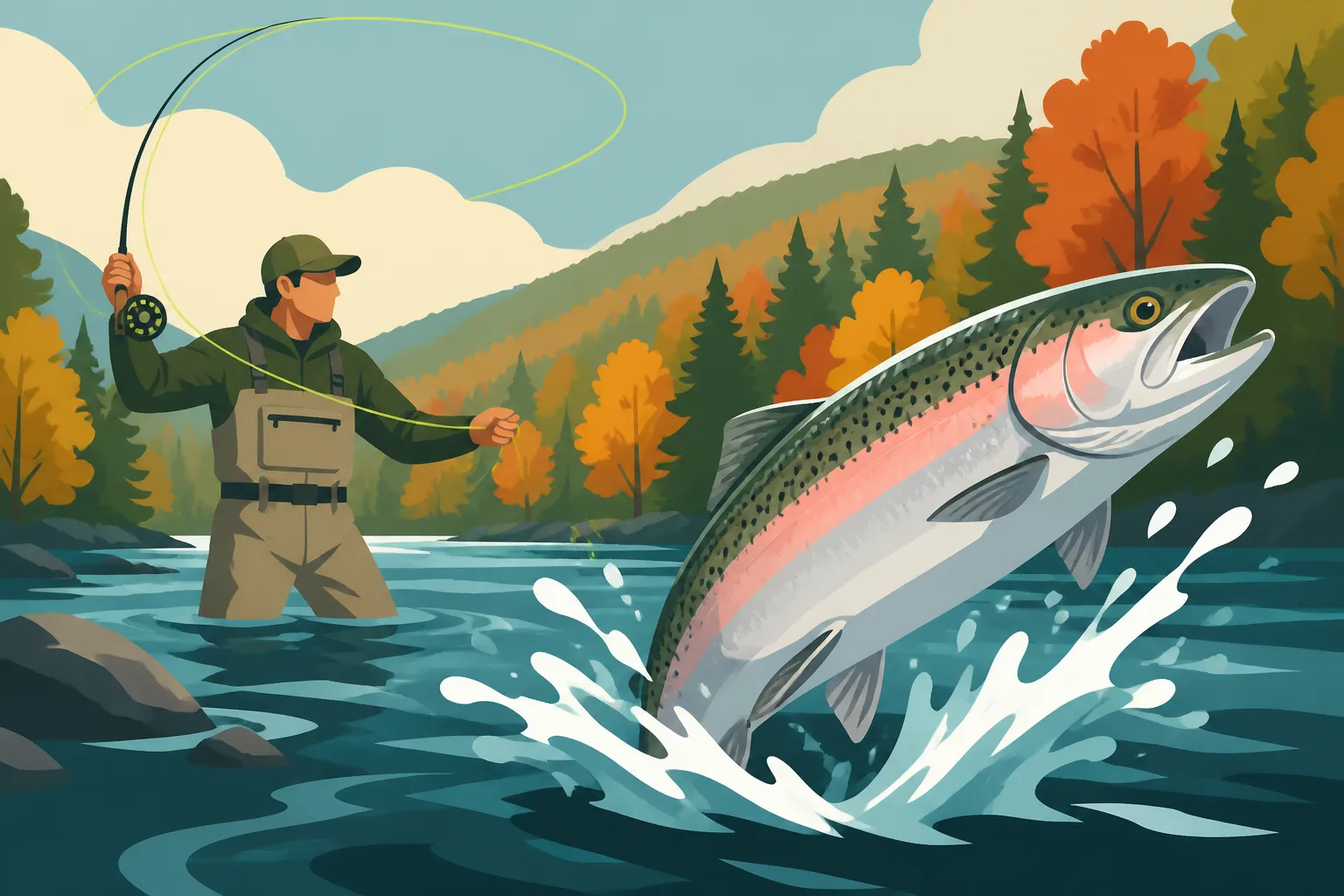
New York's Great Lakes tributaries are renowned for their steelhead runs, offering some of the most exciting, yet challenging, fly fishing opportunities in the Northeast. Before you even cast a line, it's crucial to understand these magnificent fish and the environments they inhabit. Steelhead are an anadromous form of rainbow trout, meaning they live in the Great Lakes but migrate into rivers and streams to spawn. This unique lifecycle dictates much of their behavior and, consequently, how we approach them with a fly rod. They are strong, acrobatic fighters, making them a true prize for any fly angler.
Steelhead Migration Patterns in New York
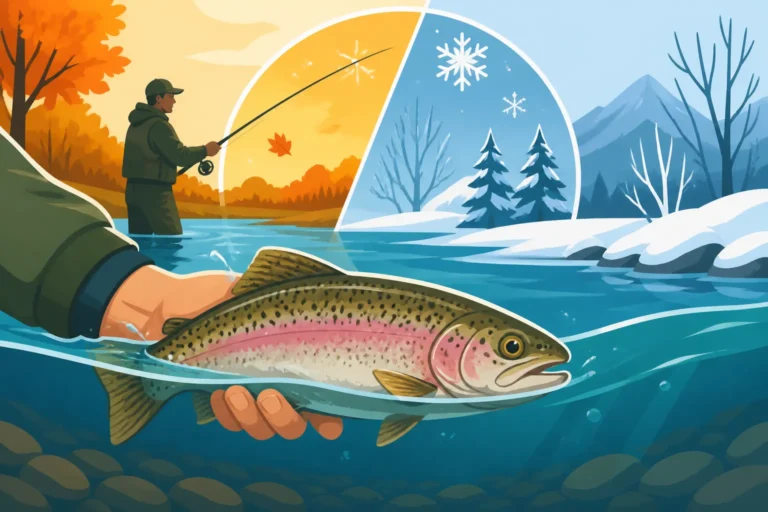
Steelhead typically begin their migration from Lake Ontario and Lake Erie into New York's tributaries in the fall, driven by instinct and dropping water temperatures. This initial push is often triggered by heavy rains that raise river levels and open up access to upstream spawning grounds. These early-run fish, sometimes called "fall chromers," are often aggressive and incredibly powerful. The run continues throughout the winter, with fish holding in deeper pools, and then peaks in the spring as spawning activity commences. Understanding when and why these fish move is critical; a late fall rain could bring a fresh push of fish, while a sudden cold snap might slow things down considerably. Knowing the nuances of the Fall Steelhead Run Timing in New York can greatly improve your chances.
The migration isn't a single, uniform event but rather a series of waves. Some steelhead enter the rivers in early fall, others trickle in through winter, and a significant push occurs as spring approaches. These fish can travel many miles upstream, holding in various types of water along their journey. The key is to be present when conditions are right and to anticipate their movements based on water levels, temperature, and historical run patterns. Checking local river gauges and temperature readings before heading out can give you a significant advantage in predicting where the fish might be.
Key New York Tributaries for Steelhead
New York is blessed with several world-class steelhead fisheries, each with its own character and challenges. On the Lake Ontario side, the Salmon River in Pulaski is arguably the most famous, known for its sheer volume of fish and diverse angling opportunities. However, it can also be incredibly crowded. Other vital Lake Ontario tributaries include the Oswego River, which offers consistent flows and access; Oak Orchard Creek, known for its powerful runs; and smaller gems like Sandy Creek, Genesee River, and Irondequoit Creek. Each of these rivers offers unique experiences, from wide-open runs to tight, brushy stretches.
On the Lake Erie side, tributaries such as Cattaraugus Creek, Chautauqua Creek, and Eighteenmile Creek are prime destinations. These rivers tend to be smaller and can rise and fall quickly with rain, making timing crucial. While not as large as the Salmon River, they offer intimate angling experiences and host strong runs of robust Erie steelhead. Regardless of which river you choose, understanding the specific characteristics and access points for that particular waterway will be key to your success. Local bait shops and online forums are invaluable resources for up-to-date information on conditions and fish presence.
Identifying Prime Steelhead Lies and Holding Water
Steelhead, like other trout, seek out specific types of water for different reasons – holding, feeding, and spawning. When they first enter a river, they often hold in larger, deeper pools where they feel safe from predators and strong currents. As they move upstream, they'll seek out current seams, gravel runs, and pockets behind structure like boulders or submerged logs. These "lies" provide a break from the main current while still offering access to passing food.
Look for areas where fast water meets slow water, creating a natural feeding lane. Deeper runs with a consistent current are often prime holding spots, especially in colder water. During periods of high water, fish will push into slower, shallower seams along the banks, often referred to as "soft water." In lower, clearer water, they become more skittish and will hold in deeper, more protected areas. Gravel beds with good current are critical during the spring spawning season. Being able to read the water effectively is one of the most important skills in fly fishing for steelhead, helping you determine where these elusive fish might be resting or actively feeding.
Essential Gear for New York Steelhead Fly Fishing
Chasing steelhead with a fly rod is a demanding pursuit, and having the right gear is paramount. These fish are powerful, the conditions can be harsh, and the techniques often require specialized equipment. Skimping on quality here can lead to frustrating break-offs, missed opportunities, and uncomfortable days on the water. Investing in reliable equipment will not only increase your chances of success but also make the entire experience more enjoyable.
Rod, Reel, and Line Selection
For New York steelhead, a medium-fast to fast-action fly rod in the 8 to 10-weight range is generally recommended. A 9-foot to 10-foot rod is ideal, providing the leverage needed to cast heavier flies, manage heavy rigs, and fight powerful fish in strong currents. The longer length also helps with line control and mending. Many anglers prefer an 11-foot to 13-foot spey or switch rod for swinging flies, offering excellent control and the ability to cast long distances without a backcast, which can be invaluable on larger rivers or when brush limits casting room.
Your reel should be robust, with a smooth, reliable drag system and ample backing capacity (at least 150-200 yards of 20-30 lb dacron). When a steelhead decides to run, you'll want a drag that won't seize up or stutter. A large arbor reel helps with quick line retrieval, which is useful when a fish runs towards you. As for line, a weight-forward floating line is standard for nymphing, often paired with a sinking leader or sink-tip for getting flies deep. For swinging flies, integrated shooting heads or skagit/scandi lines with interchangeable tips are essential for covering various depths and current speeds. High-quality fly lines, often available on Amazon from brands like Scientific Anglers or Rio, can make a huge difference in casting efficiency and presentation.
Leader, Tippet, and Fly Choices
The business end of your setup—your leader, tippet, and fly—is where the magic happens. For nymphing, a standard 9-foot tapered leader (0X to 2X) is a good starting point, which you'll then attach your tippet to. Fluorocarbon tippet in the 8 lb to 12 lb test range is preferred for its abrasion resistance and invisibility underwater. Steelhead have excellent eyesight, especially in clear water, so a nearly invisible presentation is key. Many anglers will construct custom leaders with a long section of colored monofilament (e.g., Amnesia line) as a sighter for better strike detection, then attach fluorocarbon tippet.
Fly selection varies greatly depending on the season and water conditions. During the fall and spring, egg patterns (pale pink, orange, chartreuse) are incredibly effective, mimicking the eggs of spawning salmon and resident trout. Stonefly nymphs (Pat's Rubber Legs, Kaufmann's Stone) and caddis nymphs are also consistent producers. For swinging flies, classic steelhead patterns like intruders, leeches (black, purple, blue), and various spey flies work well. Don't be afraid to experiment with different sizes and colors; what works one day might not the next. Having a diverse fly box filled with various patterns, sizes, and colors is essential for adapting to changing conditions. You can often find great assortments of popular steelhead flies on Amazon, which is a convenient way to stock up. For more specific insights, you might want to read about the Best Fly Patterns for New York's Lake Ontario Steelhead.
Waders, Boots, and Other Crucial Accessories
Given the cold water temperatures and the need to wade into rivers, quality waders and wading boots are non-negotiable. Breathable chest waders made from Gore-Tex or similar materials are excellent for comfort and durability. Neoprene waders are warmer but less breathable. Invest in good studded wading boots for traction on slippery river bottoms, especially if you're tackling rocky sections of the Salmon River. A reliable wading belt is also critical for safety, preventing your waders from filling completely with water should you take an unexpected plunge.
Beyond waders, other accessories make a huge difference. A good fishing vest or pack will help organize your fly boxes, tippet spools, strike indicators, split shot, and other small essentials. A sturdy landing net with a rubberized mesh is essential for safely handling and releasing steelhead; never beach a steelhead or lift it by the gill plate. Polarized sunglasses are critical for spotting fish and reading the water, while a warm hat, gloves, and layers of clothing are vital for staying comfortable in New York's often frigid conditions. Don't forget a pair of nippers, forceps, and a floatant for dry flies (though dry flies are rarely used for steelhead, it's good to have in case of a surprise hatch).
Mastering Fly Fishing Techniques for Steelhead
Steelhead are often dubbed "the fish of a thousand casts" for a reason – they can be incredibly challenging to catch. Success usually comes down to meticulous presentation, understanding their behavior, and adapting your tactics to the conditions. There's no single "magic bullet" technique; rather, it's about having a diverse arsenal of approaches and knowing when to deploy each one.
Nymphing and Indicator Fishing Strategies
Nymphing, or indicator fishing, is arguably the most consistent and popular method for catching steelhead in New York's tributaries, especially when fish are holding in runs and pools. This technique involves suspending weighted nymph or egg patterns under a strike indicator, allowing them to drift naturally along the bottom, mimicking dislodged food. The key is to achieve a perfect, drag-free drift that matches the speed of the current. This often requires careful line management, constant mending, and adjusting your indicator depth and split shot to ensure your flies are bouncing along the streambed without snagging excessively.
Effective nymphing for steelhead demands a keen eye for subtle takes, as strikes can often be nothing more than a slight pause or twitch of your indicator. Proper leader construction is vital, often involving a brightly colored sighter section above the fluorocarbon tippet for better visibility. Experiment with different weights of split shot to find the "sweet spot" where your flies are ticking the bottom without getting continuously hung up. On many rivers, a two-fly rig is common: a heavier lead fly (like a large stonefly or weighted egg) to get down quickly, followed by a lighter, smaller trailing nymph or egg pattern. For detailed guidance on proper handling, be sure to review Catch-and-Release Handling Rules.
Swinging Flies and Streamer Tactics
While nymphing is often the numbers game, swinging flies offers an incredibly rewarding and often more artistic approach to steelhead fishing. This technique typically involves using longer spey or switch rods to cast across the river and allow a weighted streamer or spey fly to swing downstream and across the current, presenting the fly in a broad, arcing motion. The idea is to imitate a baitfish, leech, or other aquatic creature moving naturally through the water column. Strikes on a swung fly are often incredibly aggressive and unforgettable, as the fish typically grabs the fly in a powerful, head-turning smash.
To effectively swing flies, understanding current dynamics and presentation angles is crucial. You'll use different sink tips to achieve the desired depth and speed for your fly's swing. A common tactic is to cast slightly downstream and across, allowing the current to take the fly while maintaining a taut line. As the fly swings, it should present broadside to the fish. Varying your retrieve and incorporating subtle twitches can entice reluctant steelhead. This technique is particularly effective for active, aggressive fish, especially during periods of higher water or when fish are spread out in larger runs.
Reading the Water and Approaching Fish
The ability to "read the water" is perhaps the most fundamental skill for any fly angler, and it's absolutely critical for steelhead. This involves identifying potential holding lies, feeding lanes, and travel corridors where steelhead are likely to be. Look for changes in current speed, depth, and bottom structure. As mentioned earlier, seams where fast water meets slow, deep pools, gravel bars, and areas with submerged cover are prime spots. Understanding how light, water clarity, and temperature influence fish behavior will also help you narrow down your search.
Approaching fish stealthily is just as important. Steelhead are notoriously skittish, especially in clear, low water. Wade carefully and avoid making unnecessary noise or casting shadows over the water. Begin by fishing the water closest to you and work your way out, covering each likely lie methodically. Don't rush through a productive run; steelhead often hold in pods, and where you find one, you're likely to find more. Observation is key: watch for subtle movements, flashes, or even jumping fish that can indicate their presence. Patience, persistence, and a thoughtful approach to covering the water will ultimately lead to more hook-ups.
Seasonal Considerations for Steelhead Fly Fishing in New York
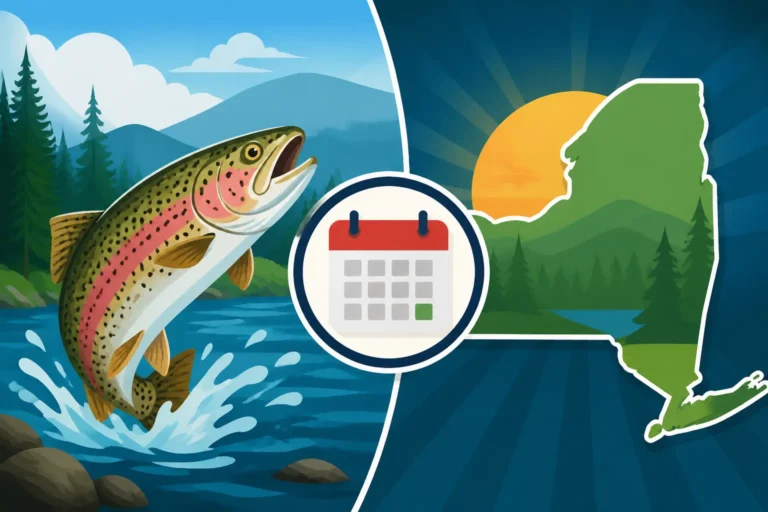
New York's steelhead season is long and varied, stretching from early fall through late spring. Each season presents unique conditions, challenges, and opportunities, dictating different strategies and fly choices. Adapting your approach to the time of year is essential for consistent success on the water.
Fall Steelhead Runs and Tactics
Fall is often the most anticipated time for many steelhead anglers in New York. As the leaves begin to turn and temperatures drop, salmon complete their spawning runs, drawing the first waves of steelhead into the tributaries. These "fall chromers" are often aggressively feeding on loose salmon eggs and are typically strong, fresh from the lake. The Salmon River, in particular, becomes a bustling hub during this time as anglers target these incoming fish.
Effective fall tactics often revolve around egg patterns, fished under an indicator or drifted naturally. Beads, which perfectly mimic loose fish eggs, are also incredibly effective. Look for steelhead holding downstream from salmon redds (spawning beds), where they gorge on the rich protein source. Stonefly nymphs and attractor patterns can also be productive. Water levels are usually good after fall rains, but rapidly falling temperatures can make fish sluggish. Focus on deeper pools and slower runs during colder snaps, and more aggressive searching patterns during warmer periods. Remember to carry a variety of egg colors and sizes, as fish can be selective.
Winter Steelhead Fishing Challenges and Rewards
Winter steelhead fishing in New York is not for the faint of heart, but it can be incredibly rewarding. Bitter cold temperatures, ice-covered banks, and slushy water are common challenges. However, those willing to brave the elements are often rewarded with fewer crowds and some of the largest, brightest fish of the season. Steelhead typically hold in deep, slow pools during the coldest months, conserving energy.
The key to winter success is to fish slow and deep. Nymphing with heavily weighted egg patterns, stoneflies, or even small attractor nymphs is the predominant method. Fish are less willing to move for a fly, so your presentation needs to be right in their face. A good thermal layer system, warm waders, and hand warmers are essential. Look for areas where the main current provides oxygen but also offers a comfortable holding spot. Often, the soft seams along the edges of deeper pools are prime locations. Bites can be incredibly subtle in the cold, so a sensitive indicator and a quick hook-set are crucial. Staying warm and dry is paramount for enjoying the solitude and beauty of a winter steelhead outing.
Spring Steelhead Spawning and Post-Spawn Behavior
Spring brings renewed energy to New York's steelhead rivers as the fish transition from holding to active spawning. This is often when the largest concentration of fish are in the river, having moved upstream to their gravel spawning beds. Egg patterns continue to be effective, as do various nymphs, especially stoneflies and caddis. As temperatures rise, steelhead become more active and aggressive, often chasing swung flies and streamers with enthusiasm. You can learn more about the Spring Steelhead Run Timing in New York to fine-tune your trips.
After spawning, "drop-back" steelhead begin their journey back to the lake. These fish can be incredibly hungry and aggressive, as they need to replenish their energy stores. They'll often readily take swung flies, streamers, and even larger nymphs. The exact timing of the spawn and drop-back varies with water temperature and river systems. Focus on gravelly runs and tail-outs of pools during the active spawn, and then target faster runs and transition areas as fish begin to drop back. Be mindful of spawning fish; avoid disturbing them on their redds. Proper identification of a Steelhead vs Rainbow Trout is helpful here, though all forms are to be respected.
| Season | Typical Water Temperature | Preferred Depth/Location | Primary Techniques | Key Fly Patterns (Examples) |
|---|---|---|---|---|
| Fall | 45-55°F (7-13°C) | Downstream of salmon redds, deep runs | Nymphing, indicator fishing | Egg patterns (orange, pink), stoneflies, Hex Nymphs |
| Winter | 32-40°F (0-4°C) | Deep, slow pools, soft seams | Deep nymphing, slow drifts | Heavily weighted eggs, stoneflies, attractor nymphs |
| Spring | 40-50°F (4-10°C) | Gravel runs, tail-outs, pockets | Nymphing, swinging flies, streamers | Eggs, stoneflies, caddis, leeches, Intruders |
Ethical Angling and Conservation Practices
As fly anglers, we have a responsibility to not only enjoy the resource but also to protect it for future generations. Steelhead are a precious, wild, and migratory resource, and practicing ethical angling and strong conservation habits is paramount to ensuring their continued health and abundance in New York's waters.
Catch-and-Release Best Practices
For many New York steelhead fisheries, catch-and-release is either encouraged or legally mandated for specific seasons and stretches of river. Practicing proper catch-and-release techniques drastically improves a fish's survival rate. The goal is to minimize stress and physical harm to the fish. Always use barbless hooks, or crimp down the barbs on your hooks – this makes removal much easier and quicker.
When you hook a fish, try to land it as quickly as possible without over-fighting it, especially if it's exhausted. Keep the fish in the water as much as possible; if you need to photograph it, do so quickly and support its body horizontally. Avoid touching its gills or eyes, and use wet hands to minimize damage to its protective slime coat. Remove the hook gently with forceps or pliers. If the fish is bleeding, cut the line as close to the hook as possible. When releasing, hold the fish gently in the current, facing upstream, until it regains its strength and swims away on its own. For detailed visual guides, research Catch-and-Release Handling Rules.
Understanding Regulations and Protecting the Fishery
New York's Department of Environmental Conservation (DEC) has specific regulations for steelhead fishing, which vary by water body, season, and even specific stretches of river. These regulations cover everything from daily creel limits and minimum size requirements to specific gear restrictions (e.g., single-hook artificial lures only). It is absolutely essential to thoroughly review the current New York Fishing Regulations Explained before each trip. Ignorance of the law is no excuse, and violations can result in hefty fines and penalties.
Beyond legal compliance, true conservation involves advocating for healthy habitats and responsible management. This means participating in river clean-ups, supporting conservation organizations, and being a steward of the environment. Protecting spawning grounds from disturbance, reporting pollution, and educating fellow anglers on best practices all contribute to a healthier fishery. Remember, we are guests in their home.
Respecting Fellow Anglers and the Environment
New York's prime steelhead waters can get crowded, especially during peak runs. Practicing good etiquette on the river is crucial for a positive experience for everyone. This includes giving fellow anglers ample space – a general rule of thumb is to allow at least 50-100 feet between anglers, or more if space permits. Never crowd another angler, especially if they are actively fishing a run.
If an angler is already fishing a pool, either wait patiently downstream or politely ask if you can fish through. "Working your way through a run" means moving steadily downstream after each few casts, allowing others to eventually move into the water you've just covered. Pack out all your trash, even if it's not yours. Avoid disturbing wildlife, stay on marked trails to prevent erosion, and leave the natural environment as you found it, or better. A shared resource thrives when everyone takes responsibility for its well-being.
Disclaimer
Please be aware that fishing regulations, seasons, and licensing requirements can change. Always consult the most current New York State Department of Environmental Conservation (DEC) official fishing regulations guide before heading out on the water. This article is intended for informational purposes only and should not be considered a substitute for official legal guidance.