Best Bait for Ice Fishing Panfish
There's nothing quite like the crisp air and serene silence of a New York winter day out on the ice, but it can be incredibly frustrating when you're staring down an ice hole and not seeing any action. Many anglers struggle to entice those notoriously finicky panfish – the yellow perch, crappie, and bluegill that are so plentiful in our waters – often because they're using bait that just isn't cutting it. This comprehensive guide is here to unravel the mysteries of what truly works, diving deep into the best baits and presentation strategies to help you fill your bucket with panfish on your next New York ice fishing adventure.
Why Panfish Are Perfect for Ice Fishing and the Frustration of the Wrong Bait
Panfish are an absolute gift to ice anglers in New York. They're widespread, often abundant, and their willingness to bite, especially when presented with the right offering, makes them an excellent target for both seasoned pros and families just starting out. Yet, for all their availability, many anglers still find themselves scratching their heads when the bites just aren't coming. It's usually not a lack of fish, but a misunderstanding of their wintertime habits and what truly tempts them under the ice.
Understanding Panfish Behavior Under Ice
When the mercury drops and a thick blanket of ice covers our favorite lakes and ponds across New York, panfish undergo a significant shift in their behavior. Their metabolism slows down, making them less aggressive and more lethargic than their warm-water counterparts. They often school up in specific areas, seeking out consistent water temperatures, available food sources, and protection from predators. These schools can be tight-lipped, requiring a delicate touch and a presentation that truly appeals to their reduced energy levels. You might find them suspended over deeper water near structure, or tucked into the shallower weed beds that still offer some cover and oxygen. The key is understanding that they're not going to chase down a meal with the same vigor they would in July. They want something easy, something appealing, and something that looks worth the minimal effort it takes to eat.
The Problem with One-Size-Fits-All Baits
One of the biggest pitfalls I see anglers fall into is thinking that a single type of bait or a generic "ice fishing jig" will magically work everywhere, all the time. While some baits are undeniably versatile, panfish can be incredibly selective, often preferring specific textures, sizes, colors, or movements based on the day, the water clarity, and what they've been feeding on. For instance, a lively minnow might be irresistible to a crappie on one lake, while a delicate wax worm on a tiny jig is all that a bluegill on another lake will touch. Using a bait that's too big, too active, too dull, or simply the wrong type for the local forage can lead to a frustrating day of watching your sonar screen light up with fish that just won't bite. It's about being prepared to adapt, and that starts with having a diverse tackle box filled with options. Many veteran anglers I know carry small tackle organizers to keep their various panfish baits separated and ready to go.
Natural Baits: The Tried-and-True Panfish Magnets
There's a reason why natural baits have been a staple for ice anglers for generations: they just work. Nothing quite matches the real thing in terms of scent, texture, and natural movement. When panfish are sluggish and discerning, a live or natural offering often proves to be the most potent attractant.
Live Minnows: The Wiggling Temptation
For many New York anglers targeting larger crappie and yellow perch, live minnows are the undisputed king of baits. Fathead minnows, in particular, are readily available at most bait shops and are a panfish favorite. The subtle, erratic wiggles of a struggling minnow are often enough to trigger a bite from even the most lethargic fish.
- Crappie Connection: Crappie especially have a hard time resisting a live minnow. Hook them lightly through the lips or just behind the dorsal fin to keep them lively. A popular setup is to suspend a small minnow under a tiny bobber or just above the bottom with a split shot, letting it do all the work. The natural action draws attention from a distance, and the real thing is hard for them to pass up. Remember to check local regulations on using live bait in specific waters, as some New York fishing regulations explained might have restrictions.
- Perch Perfection: Yellow perch also love a good minnow, though they might prefer a slightly smaller size than crappie. You can tip a small jig with a minnow head or tail for added scent and flash, or use a whole small minnow on a plain hook. The added natural scent can be the difference maker when they're not in an aggressive mood.
- Storage and Care: Keeping minnows alive and active is crucial. A good insulated bait bucket with an aerator, especially one from a brand like Amazon, can make all the difference. Change the water regularly with fresh, cold lake water, but avoid chlorinated tap water.
Larvae and Worms: Tiny Morsels, Big Results
When the bite gets tough, or you're targeting bluegill and smaller perch, it's time to scale down and turn to the tiny, protein-packed powerhouses: various larvae and worms. These small, wiggling baits are often the perfect bite-sized meal for panfish with reduced appetites.
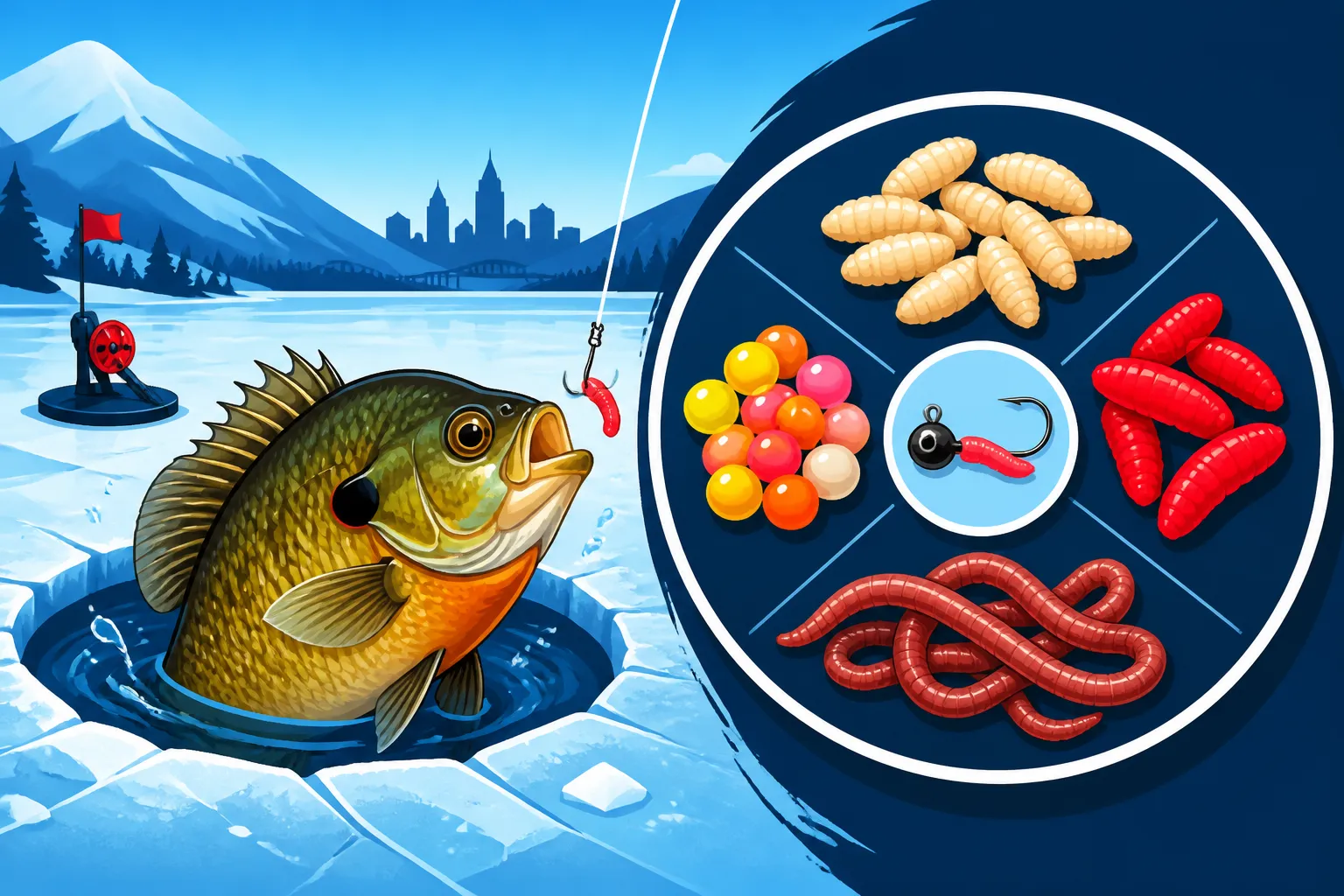
- Wax Worms: These creamy, soft-bodied larvae are a bluegill's dream. They're also fantastic for perch and smaller crappie. Their soft texture makes them easy for panfish to swallow, and their subtle movements on a tiny jig are incredibly enticing. I've had countless days saved by tipping a minuscule jig with a single wax worm. They're quite resilient on the hook and stay lively for a good while.
- Mealworms: Similar to wax worms but often a bit tougher, mealworms offer another great option. They have a slightly different scent profile and can sometimes outperform wax worms on particular days. They're easy to find and store, making them a convenient choice for any ice angler's kit.
- Spikes (Maggots): These small, white larvae are incredibly active and are a staple for many dedicated panfish anglers. Their constant wiggling provides irresistible action on the hook, especially when paired with a tiny, brightly colored jig. They are particularly effective for active bluegill and perch.
- Red Worms/Dillies: While often associated with open-water fishing, small pieces of red worm can be deadly under the ice. Their natural scent trail and subtle movement can draw in curious panfish. Pinch off a small piece and thread it onto a tiny hook or jig.
The Art of Presenting Natural Bait
Simply putting natural bait on a hook isn't always enough. Presentation is key, especially when dealing with finicky ice-bound panfish.
- Less is More: With natural baits, especially larvae and worms, less is often more. Use a tiny hook that doesn't overpower the bait. For a wax worm, thread it once through the head, leaving the rest to wiggle freely. For minnows, as mentioned, a light hook through the lips or dorsal is ideal to maximize their natural movement.
- Subtle Action: Panfish aren't usually looking for a frantic meal in winter. Gentle jigging motions are usually best. Think subtle lifts and drops, tiny twitches, or just holding the bait perfectly still. Often, the strike will come on the pause. Experiment with how to ice fish for panfish by varying your jigging style until you find what they prefer.
- Depth Control: Pay close attention to your fish finder. Panfish often suspend at specific depths. Present your natural bait right in front of their faces, or slightly above them, and hold it there. Sometimes, a slow drop through the water column will trigger a reaction bite.
Artificial Baits: Tiny Jigs, Big Opportunities
While natural baits are incredibly effective, artificial baits offer distinct advantages, particularly in terms of durability, vibrant colors, and the ability to impart specific actions through jigging. Modern artificials, especially those designed for ice fishing, can be incredibly productive for New York panfish.
Micro Jigs and Plastics: Mimicking Natural Prey
Artificial baits have come a long way, and today's micro jigs and soft plastics are designed to perfectly imitate the small invertebrates and minnows that panfish feed on.
- Tungsten vs. Lead Jigs: Tungsten jigs have become incredibly popular due to their density. Being heavier than lead for their size, they drop faster and allow you to use a smaller profile bait while still getting to depth quickly. This is a huge advantage when panfish are finicky and prefer a tiny presentation. Many anglers swear by tungsten for yellow perch and crappie. Lead jigs are still effective and more affordable, but tungsten often gives you that extra edge in terms of feel and fall rate. You can find a fantastic selection of both on Amazon.
- Soft Plastic Nymphs and Larvae: These tiny plastic imitations, often only an inch or less long, are designed to mimic wax worms, maggots, and small aquatic insects. They come in a dazzling array of colors and often have subtle tails or appendages that flutter with the slightest movement. Popular styles include small tubes, single-tail grubs, and tiny insect replicas. Experiment with different colors; sometimes a bright chartreuse or orange will trigger a bite, while other times a more natural brown or black is preferred.
- Small Spoons and Jigs: Tiny spoons, often weighing less than 1/16th of an ounce, can be incredibly effective for aggressive perch and crappie. Their flash and flutter on the drop often imitate a dying baitfish. Small jigging raps or balanced jigs, which dart and circle when jigged, can also provoke a reaction strike, especially when fish are suspended.
Scented Baits and Pastes: Adding an Edge
Even artificial baits can benefit from a boost of natural attraction. Scent plays a huge role in a fish's world, and incorporating it into your artificial presentation can significantly increase your catch rate, especially when fishing for species like perch and crappie.
- Scented Soft Plastics: Many manufacturers now infuse their soft plastics with fish-attracting scents. These pre-scented baits release a subtle aroma trail in the water, drawing in curious panfish and encouraging them to hold onto the bait longer, giving you more time to set the hook.
- Scent Pastes and Gels: You can also apply scent to any artificial bait. Various brands offer pastes or gels that you can smear onto your jigs or soft plastics. These add a powerful scent that can linger in the water, making your lure more appealing. This is particularly useful on slower days when fish are less willing to chase. A dab of a garlic, shad, or crawfish scent can sometimes be the magic bullet, making a plain jig irresistible.
- Tipping with Natural Bait: The ultimate combination is often to tip an artificial jig with a piece of natural bait. A small plastic grub tipped with a single wax worm or a tiny piece of red worm provides the visual appeal and action of the artificial with the undeniable scent and taste of natural forage. This hybrid approach often yields the best results when the bite is tough.
Strategic Jigging Techniques
The effectiveness of artificial baits hinges almost entirely on your presentation. Without natural movement, you need to create it. Learning effective jigging techniques for "Best Ice Fishing Techniques for New York Panfish" is crucial.
- The "Dead Stick" Approach: Sometimes, the most effective jigging technique is no jigging at all! Using a second rod as a "dead stick" — simply suspending a natural bait (like a minnow) or a tiny scented artificial jig perfectly still in the water – can be incredibly effective. Panfish are often attracted by the action on your main jigging rod, but then commit to the completely still, easy meal on the dead stick.
- Subtle Lift and Hold: This is a go-to technique for most artificials. Lower your bait to the desired depth, then gently lift it a few inches, pause, and let it slowly fall back. The fall is often when fish strike, so be sensitive to any taps or stops in your line.
- Aggressive Jigs and Pauses: On days when panfish are more active, a slightly more aggressive jigging motion can provoke a reaction. Try lifting your rod tip quickly 6-12 inches, then letting the bait freefall. Follow up with a long pause, sometimes 10-20 seconds. This combination of speed and stillness can trigger bites. Remember, fish often hit as the bait is falling or during the pause, so stay vigilant!
Optimizing Your Bait Presentation for New York Panfish
Catching panfish consistently through the ice isn't just about having the right bait; it's about understanding how to present it. This involves recognizing what the fish are currently feeding on, adjusting to environmental factors, and being willing to adapt throughout your fishing day.
Matching the Hatch: What They're Eating
Just like fly fishing for trout, ice fishing for panfish often benefits from "matching the hatch"— or in this case, matching the available forage. Panfish are opportunists, but they'll often key in on specific food sources depending on the body of water and the time of year.
- Observing Stomach Contents: If you catch a panfish, take a moment to observe its stomach contents (if you plan to keep it). You might find tiny insects, minnows, or even plant matter. This gives you a direct clue as to what they're currently feeding on. If they're full of tiny insect larvae, then small plastic nymphs or wax worms are likely to be effective. If they're packed with small minnows, then a live minnow or a minnow-imitating soft plastic is a better bet.
- Local Forage Knowledge: Familiarize yourself with the common forage base in your chosen New York fishing spots. Are there abundant fathead minnows? Plenty of aquatic insects in the weeds? Knowing this beforehand can help you select your starting baits. For example, if you're fishing a lake known for a strong minnow population, starting with live minnows or a small spoon might be a good move. If you are fishing a particular body of water, knowing the fish species found in the Finger Lakes or fish species found in Lake Erie can help you tailor your bait choices.
- Color and Size: Don't underestimate the importance of color and size. Sometimes a slight change in the shade of your jig or the size of your plastic can make all the difference. Keep a variety of colors from natural tones (brown, black, olive) to bright attractors (chartreuse, pink, orange) in your tackle box.
How Depth and Water Clarity Affect Bait Choice
The conditions under the ice can vary dramatically, and these variations should inform your bait choices and presentation. What works in shallow, stained water won't necessarily be effective in deep, clear conditions.
- Shallow, Stained Water: In shallower waters with limited visibility, panfish rely more on scent and vibrations. This is where highly scented artificial baits, or live baits that give off a strong scent trail (like a piece of worm), really shine. Brightly colored jigs can also stand out better in stained water. Additionally, a slightly more aggressive jigging motion might be necessary to get noticed.
- Deep, Clear Water: In clear, deeper lakes, panfish have excellent visibility, and light penetration is better. Here, natural presentations and realistic artificials often work best. Smaller, more subtle jigs in natural colors are often preferred. Presentation becomes even more critical; a slow, deliberate drop and minimal jigging can be key. The size of your fishing line also matters; a very thin, almost invisible fluorocarbon line can make a big difference in getting bites from wary fish.
- Water Column Exploration: Panfish can suspend at various depths. Use your fish finder to locate schools and then fish your bait directly into them. Sometimes they're just off the bottom, other times they might be suspended halfway up the water column. Being able to quickly adjust your depth is essential. Understanding how to find fish under the ice is a critical skill for any ice angler.
The Importance of Experimentation
If there's one piece of advice I can give any ice angler, it's this: never stop experimenting. Panfish moods change, and what worked yesterday might not work today.
- Vary Your Presentation: Start with a tried-and-true method, but if you're not getting bites, switch it up. Try different jigging speeds, longer or shorter pauses, or even a completely different retrieve style.
- Switch Baits Frequently: If a particular bait isn't producing, don't be afraid to change it. Go from a wax worm to a minnow, or from a bright plastic to a natural-colored one. A table below illustrates some common panfish scenarios and effective bait pairings to get you started.
- Explore Depths: If fish are showing on your electronics but not biting, try moving your bait up or down a few feet. Sometimes being just above or below a school is what they want.
- Move Around: If you've tried everything in one spot and the fish just aren't cooperating, don't be afraid to move. Even a short walk to another part of the cove or a different depth can completely change your luck. Remember, New York ice fishing rules are generally consistent, but local variations or special regulations waters list could apply, so always check before you head out.
| Panfish Species | Typical Winter Depth | Preferred Natural Bait | Preferred Artificial Bait | Common Jigging Style |
|---|---|---|---|---|
| Yellow Perch | Bottom to Mid-column | Minnows, Pieces of Worm | Tungsten Jigs, Small Spoons | Aggressive to Moderate Jigging |
| Crappie | Suspended over deep water/structure | Minnows | Small Tubes, Minnow Plastics | Slow Drop, Gentle Lift and Hold |
| Bluegill | Weedy areas, Shallow flats | Wax Worms, Spikes | Tiny Nymphs, Micro Jigs | Very Subtle Twitches, Dead Stick |
By keeping these tips in mind and being willing to adapt to the conditions you face, you'll be well on your way to more successful and enjoyable days chasing those feisty panfish through the ice here in New York!
Disclaimer
This article is for general informational purposes only and does not constitute professional advice. Laws, prices and regulations vary by location and change over time. Consult a qualified professional for guidance on your specific situation.