New York’s Keuka Lake Fishing Guide
Fishing Keuka Lake can feel like trying to solve a puzzle, especially with its distinctive Y-shape and diverse fishery. Many anglers get frustrated wondering where to start, what species are truly active, and what techniques actually work on this unique Finger Lake. This comprehensive guide is here to untangle the complexities, offering seasoned advice and local insights to help you navigate Keuka's waters and enjoy a rewarding fishing experience, whether you're a seasoned pro or just getting your feet wet.
Keuka Lake: The Unique "Y" Shaped Finger Lake
Keuka Lake truly stands out among New York's renowned Finger Lakes, not just for its stunning natural beauty but for its utterly distinct geological formation. Unlike its long, narrow siblings like Seneca or Cayuga, Keuka is famously shaped like a 'Y' or a wishbone, with two branches extending north from a common base at Hammondsport. This isn't just a pretty detail on a map; it profoundly impacts everything from currents and water temperatures to fish behavior and, ultimately, where and how you’ll want to fish. It’s often referred to as "Crooked Lake" by locals, and once you spend some time on its waters, you'll quickly understand why. This unique morphology creates a diverse underwater landscape that challenges and rewards anglers in equal measure.
Why Keuka's Shape Matters for Anglers
The 'Y' shape of Keuka Lake isn't just a quirky feature; it creates distinct fishing zones and influences water dynamics in significant ways. Each arm of the lake, while sharing a common deep basin, develops its own microclimates and fishing patterns. For instance, the two northern branches, often referred to as the East and West Branch, can experience different wind patterns and wave actions. This means that if one arm is too choppy or the fishing is slow, you might find completely different conditions and more active fish just by moving to the other branch. This topographical advantage gives anglers flexibility that simply isn't present on more uniformly shaped lakes.
Furthermore, the areas where the two branches meet, particularly around the Bluff Point region, create interesting underwater structures and current patterns that can concentrate baitfish and, consequently, predatory species. These convergence zones are often transition areas, offering a mix of deep-water access and shallower feeding grounds. Understanding these nuances is crucial for success. You might find lake trout holding deep in the main basin, while smallmouth bass are cruising the rocky shelves closer to the shorelines of either branch. The varied contours, from steep drops to gradual slopes, provide a wide range of habitats for different species, requiring a versatile approach to your fishing strategy.
Understanding Keuka's Water Characteristics
Keuka Lake is known for its relatively clear, oligotrophic waters, meaning it's generally low in nutrients but high in dissolved oxygen, particularly in its deeper sections. This clarity is a double-edged sword for anglers. On one hand, it indicates a healthy ecosystem capable of supporting diverse fish populations, including cold-water species like trout and salmon that require pristine conditions. On the other hand, clear water can make fish more wary, especially on bright, sunny days, often necessitating lighter lines, natural bait presentations, and stealthier approaches. It means fish can see you, and your lure, from a greater distance, so presentation becomes paramount.
The lake's depth also plays a critical role. Keuka plunges to depths exceeding 180 feet in its main basin, providing extensive thermal refuge for cold-water species during the warmer months. This deep, cold water is essential for the survival and growth of species like lake trout and landlocked salmon, which thrive in stable, cooler environments. Surface temperatures can warm significantly in summer, pushing these species deeper, sometimes to thermoclines that can be 60 feet or more down. Conversely, shallower bays and shelves warm up faster in the spring, making them prime locations for bass and panfish earlier in the season. Keeping an eye on water temperature reports and using a good fish finder to locate the thermocline will be invaluable, especially when targeting those elusive deep-water dwellers.
Prime Fish Species to Target in Keuka Lake
Keuka Lake is a true angler's paradise, boasting a diverse array of fish species that cater to different preferences and skill levels. While some Finger Lakes might be famous for one or two dominant species, Keuka offers a rich tapestry of fishing opportunities, from battling hard-fighting salmon in the deep to teasing panfish in the shallows. Knowing what species thrive where, and during which seasons, is the first step toward a successful outing. Anglers often come to Keuka specifically for its prized trout and salmon, but there's a thriving ecosystem supporting bass, perch, and other panfish that provide fantastic action for everyone.
Lake Trout: The Deep-Water Dominator
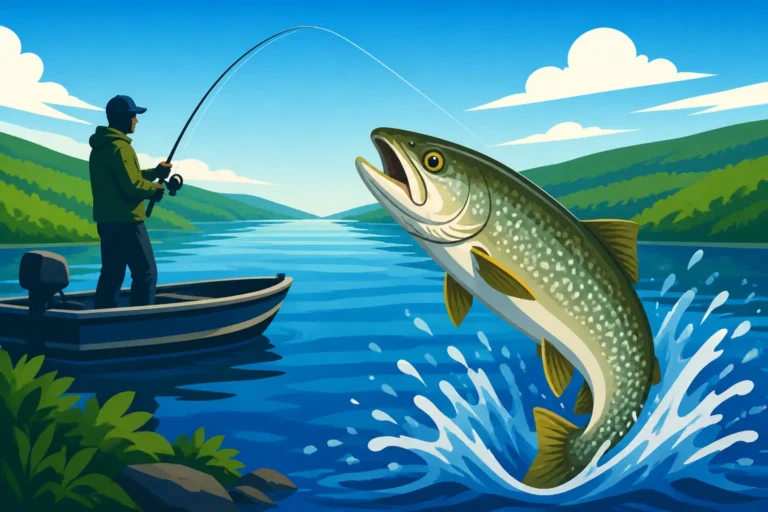
If you're looking for a serious challenge and a truly majestic fish, Keuka Lake's lake trout population will not disappoint. These native inhabitants of the Finger Lakes are apex predators, growing to impressive sizes and offering powerful fights from the depths. They thrive in Keuka's cold, oxygen-rich waters, especially once the surface temperatures begin to climb in late spring and summer. During these warmer months, you'll find them holding in the deepest sections of the lake, often near structured drop-offs, underwater points, and the edges of the main basin. Many anglers consider these majestic fish to be among the top Fish Species You Can Catch in New York.
Targeting lake trout often involves trolling with downriggers to get your lures down to the precise depths where these fish are feeding. Popular lures include spoons, plugs, and even large streamer flies presented behind flashers or dodgers. Early mornings and late evenings are often the most productive, as the fish may move slightly shallower to feed during low light. However, during the bright midday sun, they will retreat to the darkest, deepest parts of the lake. Successful lake trout fishing on Keuka requires patience, good electronics to mark fish and bait, and a willingness to work your tackle deep. Check out our guide on How to Fish Deep Water Lake Trout in Summer on New York's Finger Lakes for more in-depth strategies.
Landlocked Salmon: A Hard-Fighting Challenge
Keuka Lake is also home to a thriving population of landlocked Atlantic salmon, offering another incredible cold-water angling experience. These acrobatic, hard-fighting fish are highly sought after for their spirited battles and stunning jumps. While they share a similar preference for cold, clean water with lake trout, salmon often cruise higher in the water column, particularly during cooler periods of the year. They are typically stocked annually by the New York State Department of Environmental Conservation (DEC) to maintain a robust fishery.
Like lake trout, landlocked salmon are often caught by trolling, but with a slightly different approach. While they will hit deep, you'll also find them shallower, especially in spring and fall, often chasing schools of alewives, their primary food source. Long lining with planer boards, wire line setups, or lighter downrigger presentations can be effective. Spoons, stickbaits, and even flies are excellent choices. The fight of a landlocked salmon is truly unforgettable, characterized by explosive runs and aerial displays that will test your tackle and your angling skills. Understanding their migratory patterns and forage base is key to consistent success. Our guide to Landlocked Atlantic Salmon in New York delves deeper into these magnificent fish.
Smallmouth Bass: The Rocky Shoreline King
For those who prefer casting and retrieving in shallower waters, Keuka Lake offers phenomenal smallmouth bass fishing. These bronze beauties are abundant throughout the lake, particularly around the numerous rocky points, ledges, and drop-offs that characterize Keuka's extensive shoreline. Smallmouth are known for their aggressive strikes and powerful, bulldog-like fights, making them a favorite among many anglers. They are truly the "kings" of Keuka's rocky nearshore environments.
The best times to target smallmouth are typically from late spring through early fall, when the water temperatures are conducive to their active feeding. Look for them holding near structure: submerged rocks, gravel beds, dock pilings, and the steep breaks along the lake's edges. Popular techniques include casting tube jigs, Ned rigs, drop shots, spinnerbaits, and crankbaits. Topwater lures can also be incredibly exciting during low-light conditions, producing explosive strikes. Early mornings and evenings often provide the most consistent action, but on cloudy days, smallmouth can be caught throughout the day. Targeting areas with access to deeper water nearby, especially those with baitfish present, will increase your odds significantly. For more on these feisty fighters, check out our insights on Smallmouth Bass in New York.
Perch and Panfish: Fun for the Whole Family
Keuka Lake isn't just for trophy hunters; it's also a fantastic destination for families and anglers looking for consistent action and delicious table fare from perch and other panfish. Species like yellow perch, bluegill, and sunfish are plentiful in Keuka's shallower bays and weed beds, offering an excellent opportunity to introduce kids to fishing or simply enjoy a relaxing day catching plenty of fish. These species are often overlooked by anglers focused on bigger game, but they provide a ton of fun and are incredibly accessible.
You'll typically find perch and other panfish congregated in areas with submerged vegetation, docks, brush piles, and shallow flats. The spring and early summer are particularly productive as they move into shallower water to spawn and feed actively. Simple techniques like fishing with a bobber and a small hook tipped with a worm, minnow, or piece of corn are incredibly effective. Light spinning gear is perfect for these smaller fish, making every catch feel like a big one. These accessible fisheries are ideal for creating lasting memories and getting consistent bites. For tips on catching these tasty morsels, our Yellow Perch in New York guide offers some great starting points.
Best Fishing Spots and Access Points on Keuka Lake
Navigating Keuka Lake, with its distinct 'Y' shape, means that identifying key fishing spots and access points is paramount to a successful outing. Each arm and the central basin offer unique advantages, from deep-water havens for trout and salmon to shallower coves perfect for bass and panfish. You don't want to waste precious fishing time aimlessly searching, so understanding the layout and known hotspots is incredibly valuable. Knowing where to launch and where the fish tend to congregate based on the season will make your Keuka Lake experience much more productive.
Southern End Hotspots: Hammondsport and Branchport
The southern end of Keuka Lake, particularly around the Hammondsport area, offers excellent fishing opportunities and serves as a primary access point. Hammondsport is situated at the base of the "Y" and provides access to the main, deeper basin of the lake. This area is a prime departure point for anglers targeting lake trout and landlocked salmon, as the deepest waters begin almost immediately offshore. You'll find public boat launches, bait shops, and even local guides who specialize in these species. This is where you'll want to launch if your main goal is to troll deep for large fish.
Moving slightly north, the Branchport arm (the western branch of the 'Y') also provides great fishing, particularly around the village of Branchport itself. This area features a mix of deep water and more gradual slopes, making it productive for a variety of species. The point where the two arms converge, near the famous Keuka Lake State Park, is a notable hotspot. Here, the varying depths and structures create excellent ambush points for smallmouth bass. Additionally, the shallower bays and coves around Branchport can hold good numbers of yellow perch and other panfish, especially in spring and early summer. Don't overlook the weed lines and docks in these calmer sections.
Northern End and Mid-Lake Structures
As you venture further north into the distinct arms of Keuka Lake, different fishing opportunities emerge. The northern ends of both the East and West branches tend to be shallower overall compared to the main basin, offering prime habitat for warm-water species. Look for extensive weed beds, gradual slopes, and a higher concentration of docks and submerged structures. These areas are fantastic for largemouth bass, especially in the early morning or late evening, though Keuka is more renowned for its smallmouth.
The mid-lake structures are where Keuka truly shines for diversity. Bluff Point, the prominent peninsula that separates the two arms of the 'Y', is arguably the most famous fishing locale on the lake. The steep drop-offs, underwater ledges, and intricate contours surrounding Bluff Point provide ideal habitat for both cold-water and warm-water species. Lake trout and salmon will cruise the deeper edges, while smallmouth bass hold tight to the rocky shelves. This area is a true convergence zone, attracting baitfish and, consequently, all the predators. Anglers often find success by slowly trolling around the point or casting jigs and drop shots along its contours. For deeper exploration, consider connecting with a local charter. Many excellent captains on Keuka Lake can be found through platforms like FishingBooker, offering guided trips to these prime locations and more.
Public Access and Shoreline Opportunities
While having a boat opens up endless possibilities on Keuka Lake, there are still ample opportunities for shore anglers and those without their own vessel. Keuka Lake State Park, located on the northern end of the west branch (Branchport arm), offers excellent public access, including a boat launch, fishing piers, and shoreline fishing opportunities. This park is a fantastic spot for families to cast for panfish or try their luck at smallmouth bass from the bank. The break walls and rocky areas within the park often hold fish.
Throughout the lake, particularly near towns like Penn Yan at the northern tip of the East Branch, you'll find various public access points, including town parks, roadside pull-offs with small launch areas for kayaks or canoes, and access to fishing from bridges or causeways. These smaller, often overlooked spots can be goldmines for panfish and even some surprisingly large smallmouth bass, especially during the spring and fall when fish are shallower. Always respect private property and be mindful of local regulations regarding access. Even a simple walk along a public shoreline with a light spinning rod can yield a rewarding catch on Keuka. For detailed information on where you can legally cast a line, consult the New York Freshwater Fishing Rules put out by the DEC.
Top Techniques and Best Times to Fish Keuka Lake
Fishing Keuka Lake isn't just about knowing where the fish are; it's equally about understanding how to catch them and when they're most active. The varied species and diverse underwater environment of Keuka demand a flexible approach, adapting your techniques to the season, time of day, and target species. What works for a deep-dwelling lake trout in July won't necessarily entice a shallow-water smallmouth in May. Mastering these techniques and understanding seasonal patterns is what separates a good day from a great one on Keuka.
Trolling for Salmon and Lake Trout
Trolling is arguably the most effective and popular method for targeting Keuka Lake's esteemed lake trout and landlocked salmon, especially from late spring through early fall. These cold-water species often suspend in the deeper parts of the lake, making covering large areas and presenting lures at precise depths crucial. This is where specialized gear truly shines. Downriggers are essential for getting spoons, plugs, or even flies down to the thermocline where these fish are holding. By using a fish finder, you can locate baitfish schools and individual fish, then set your downrigger balls to that exact depth.
Popular trolling speeds vary but generally range from 2.0 to 3.5 miles per hour. Experiment with different lures and colors, paying attention to what the fish are keying in on that day. Silver, blue, green, and chartreuse are often productive colors, mimicking the lake's primary forage, alewives. Flashers and dodgers can be added ahead of your lure to create attraction and mimic a school of baitfish. For those unfamiliar with this technique, a charter guide who knows the nuances of Keuka's depths can be invaluable. You can find experienced guides through services like FishingBooker who specialize in How to Downrig for Lake Trout and other deep-water trolling techniques on the Finger Lakes, greatly increasing your chances of success.
Jigging and Casting for Bass and Panfish
While trolling dominates for salmon and trout, jigging and casting are the go-to techniques for Keuka's abundant smallmouth bass, yellow perch, and other panfish. These methods allow for more direct interaction with structure and a more precise presentation in shallower or moderately deep water. For smallmouth, casting soft plastics like tube jigs, grub tails, and drop-shot worms along rocky points, ledges, and break lines is incredibly effective. Look for areas where the bottom transitions from shallow to deep, as these are often ambush points. Smallmouth are known for aggressive strikes, so be ready!
For panfish like yellow perch and bluegill, lighter tackle and simpler presentations are often best. Casting small jigs tipped with bait (like a piece of worm or a Berkley Gulp! minnow) into weed beds, around docks, or near submerged brush is usually very productive. A slip bobber rig, allowing your bait to suspend at a specific depth, is also excellent for panfish. Light spinning rods, in the 5'6" to 6'6" range with 4-6 lb test line, will make these fights a blast. These techniques are particularly engaging because they allow you to actively work your lure and feel the subtle bites, making them perfect for anglers of all skill levels.
Seasonal Strategies for Success
Keuka Lake fishing is a year-round affair, but understanding the seasonal shifts in fish behavior is crucial for consistent success.
-
Spring (April-May): As ice recedes and water temperatures slowly climb, fishing heats up. Trout and salmon, still relatively shallow, become very active, feeding heavily near the surface or just below. This is an excellent time for shallow trolling or even shore casting in certain areas. Smallmouth bass begin to stage for their spawn, moving into shallower, rocky areas, making them prime targets for casting jigs and stickbaits. The New York Fishing Season Dates and Catch Limits will guide you on specific opening dates for various species.
-
Summer (June-August): This is when the lake truly stratifies. Lake trout and landlocked salmon push deep, requiring downriggers and precise depth control. Early mornings and late evenings are best for these species. Smallmouth bass will be found deeper on structure but can still be caught shallower during low-light conditions or on overcast days. Panfish remain active in weed lines and around docks. This is often considered the Best Time of Year to Fish New York's Finger Lakes for overall species diversity.
-
Fall (September-November): As water temperatures cool, many species become incredibly active, preparing for winter. Trout and salmon begin to move shallower again, offering fantastic trolling opportunities. Smallmouth bass go on a feeding frenzy, providing some of the year's best action as they gorge themselves. This can be an excellent time to target them with jerkbaits and jigs. Cooler weather often means fewer pleasure boaters, offering a more peaceful angling experience.
-
Winter (December-March): Ice fishing takes center stage, depending on ice formation. When safe ice is present, anglers target lake trout, smelt, perch, and even some panfish through the ice. Jigging spoons and tip-ups are the primary methods. Always prioritize safety and check ice conditions before venturing out. While ice fishing is less common on the larger, deeper Finger Lakes, shallower bays and coves on Keuka can offer opportunities. Remember to always consult the local DEC rules regarding New York Ice Fishing Rules.
| Season | Target Species | Primary Techniques | Key Locations | Best Times of Day |
|---|---|---|---|---|
| Spring | Lake Trout, Landlocked Salmon, Smallmouth Bass, Perch | Shallow Trolling, Casting Jigs/Stickbaits, Bobber Fishing | Bluff Point, Rocky Points, Shallow Bays, Weed Lines | All Day, especially Morning/Evening |
| Summer | Lake Trout, Landlocked Salmon, Smallmouth Bass, Panfish | Deep Trolling (Downriggers), Drop Shot, Jigging | Main Basin, Deep Structures, Docks, Weed Lines | Early Morning, Late Evening |
| Fall | Lake Trout, Landlocked Salmon, Smallmouth Bass, Perch | Trolling, Casting Jerkbaits/Jigs, Bobber Fishing | Bluff Point, Rocky Points, Shallow Bays, Weed Lines | All Day, especially Morning/Evening |
| Winter | Lake Trout, Perch, Smelt | Ice Jigging, Tip-Ups | Shallow Bays (if safe ice), Deeper Sections (for trout) | Mid-day |
Essential Gear and Tips for Keuka Lake Anglers
Heading out onto Keuka Lake requires more than just a rod and reel; it demands thoughtful preparation, the right equipment, and an understanding of safety protocols. Whether you're chasing trophy fish or enjoying a relaxed day with family, having the appropriate gear and knowing a few insider tips can significantly enhance your experience and, more importantly, keep you safe. Don't let a missing piece of tackle or an overlooked safety measure ruin your day on the water.
Recommended Rods, Reels, and Lures
Your choice of fishing tackle will largely depend on your target species. For Keuka's deep-dwelling lake trout and landlocked salmon, a medium-heavy action trolling rod (7-9 feet) paired with a sturdy baitcasting reel or a line counter reel is ideal. This setup provides the backbone needed to handle heavy weights, fight large fish, and accurately monitor your line out when trolling with downriggers. For lures, a selection of spoons (like Sutton, Dreamweaver, or Northern King in various sizes and colors), deep-diving crankbaits, and even large bucktail jigs are standard. Many anglers also incorporate fly presentations behind flashers for salmon, using larger streamer patterns.
When targeting smallmouth bass, a versatile medium-light to medium action spinning rod (6'6" to 7'6") is perfect. Pair this with a 2500-3000 series spinning reel spooled with 6-10 lb fluorocarbon or braided line with a fluorocarbon leader. Your lure selection should include a variety of soft plastics (tube jigs, senkos, drop-shot worms), small crankbaits, jerkbaits, and perhaps a few topwater plugs for those exciting surface strikes. For panfish, a lighter ultralight spinning rod (5-6 feet) with a small 1000-2000 series reel and 4 lb monofilament line is all you need. Small jigs, tiny spoons, and live bait on a bobber will be your most effective weapons. Always carry a tackle box with a diverse selection; Keuka's fish can be picky, and having options is key.
Safety First: Navigating Keuka's Waters
Keuka Lake, while beautiful, is a large body of water that demands respect, especially when fishing from a boat. Safety should always be your top priority. Ensure you have all required safety equipment on board, including Coast Guard-approved life jackets for everyone, a throwable flotation device, a sound-producing device (like a horn or whistle), navigational lights (if fishing at dawn/dusk or night), and a fire extinguisher. Before heading out, always check the weather forecast. Conditions on large lakes can change rapidly, with calm waters quickly turning choppy, especially if high winds pick up.
Being familiar with your boat and its limitations is also crucial. If you're using a kayak or canoe, stick close to shore and be extra vigilant for larger boat traffic. If you're planning a full day on the water, inform someone of your float plan – where you're going, when you expect to return, and who is with you. Finally, ensure you have a valid New York Fishing License Guide and understand all the current New York Fishing Regulations Explained. An ounce of prevention is worth a pound of cure, and being prepared means you can focus on the fishing, not on potential dangers.
Local Knowledge and Resources
One of the greatest assets you can have when fishing a new lake, or even a familiar one, is local knowledge. The Keuka Lake community is passionate about its fishing, and many resources are available. Local bait and tackle shops are invaluable; they can provide up-to-the-minute reports on what's biting, what lures are working, and any recent changes in conditions. Don't be shy about asking questions when you stop in to pick up supplies. Many of these shops also serve as vendors for acquiring your Where to Buy a New York Fishing License.
Another excellent resource is a professional fishing guide. While there's a cost involved, a day with an experienced Keuka Lake guide can drastically shorten your learning curve, teaching you specific techniques, productive spots, and nuances of the lake that would take years to discover on your own. They provide all the necessary gear and often offer invaluable insights into fish behavior. For those interested in this option, platforms like FishingBooker can help you find reputable Keuka Lake guides who are highly familiar with the local waters and species. They can take you right to the hottest spots and explain why the fish are there, transforming your understanding of the lake. Exploring the broader New York's Finger Lakes Fishing Guide can also connect you with resources across the region.
Disclaimer
The information provided in this Keuka Lake fishing guide is for general informational purposes only and should not be considered legal advice. Fishing regulations, season dates, and license requirements are subject to change by the New York State Department of Environmental Conservation (DEC). Always consult the official DEC Fishing Regulations Guide or website for the most current and accurate information before heading out on the water. Stay safe and fish responsibly.