Fishing at Montauk Point, New York
Trying to figure out where to cast your line in New York can feel overwhelming, especially when you’re looking for a spot that promises both incredible scenery and phenomenal fishing. Many anglers dream of a place where diverse species thrive and the challenge is as rewarding as the catch. This guide will walk you through everything you need to know about fishing at Montauk Point, New York, revealing why this legendary "End of the World" destination should be at the top of your list.
Why Montauk Point is a Premier Fishing Destination
Montauk Point, perched at the easternmost tip of Long Island, isn't just a picturesque landmark; it's a true angler's paradise. For decades, fishermen and women have flocked here, drawn by its rugged beauty and the sheer abundance of marine life. It’s a place where the Atlantic Ocean truly shows its might, offering an experience that’s distinct from calmer bay or freshwater fishing.
The "End of the World" Vibe and Rich History
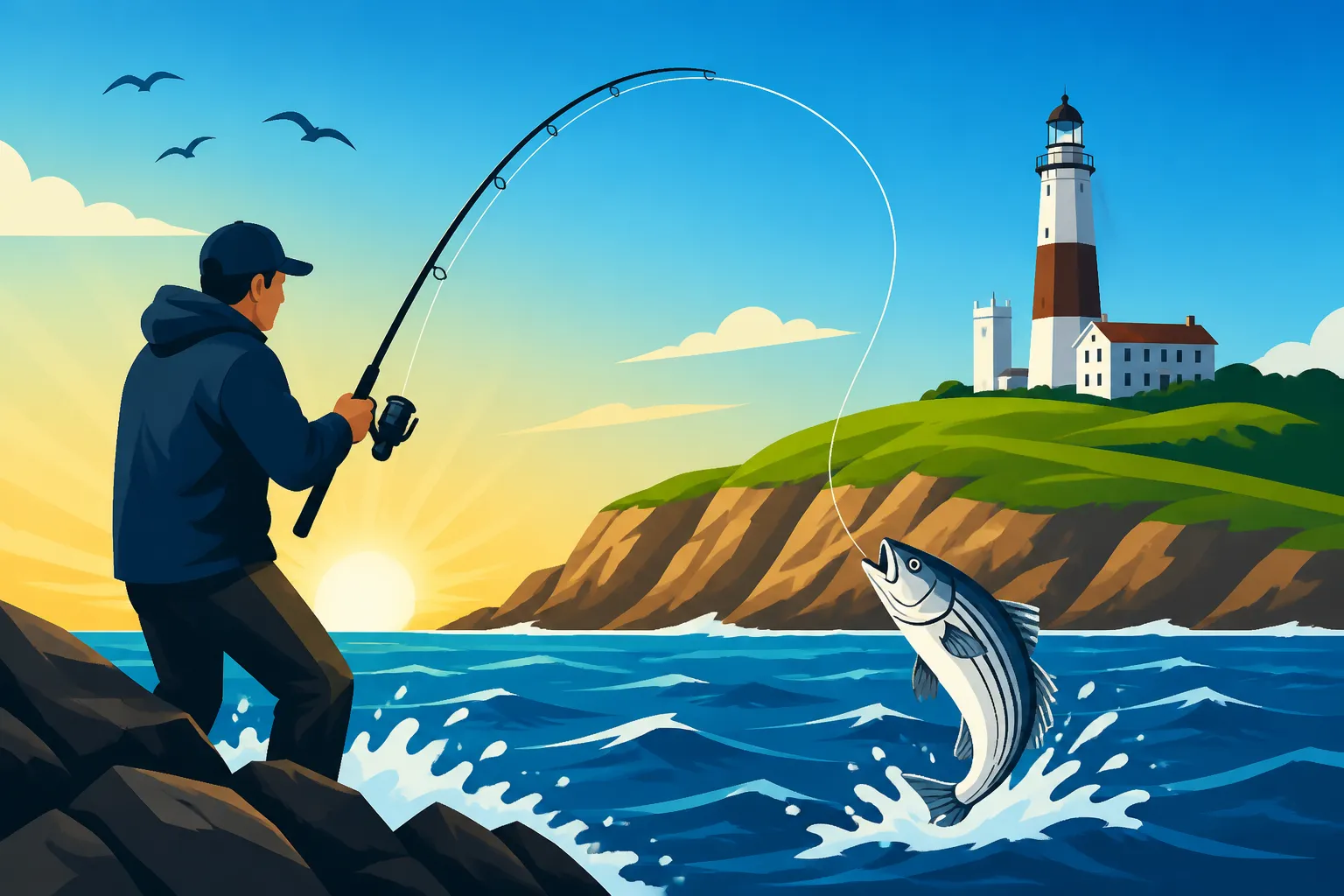
There's an undeniable allure to Montauk Point, often referred to as "The End of the World" by locals. Standing by the iconic Montauk Lighthouse, you feel a profound connection to the vast ocean stretching out before you. This historical beacon has guided countless ships and fishing boats for centuries, symbolizing the enduring relationship between the community and the sea. The feeling of being on the precipice, with powerful currents swirling and seabirds soaring, sets the stage for an epic fishing adventure. It’s a place steeped in maritime history, where tales of record-breaking catches are passed down through generations.
The rugged shoreline, dramatic cliffs, and sandy beaches offer diverse access points for anglers. Whether you prefer the solitude of surfcasting from a remote beach or the camaraderie of a bustling party boat, Montauk provides the perfect backdrop. This unique geographic position is key to its fishing prowess, as it intercepts numerous migratory fish species making their way along the East Coast.
Unparalleled Access to Diverse Marine Life
What truly sets Montauk Point apart is its incredible biodiversity. The confluence of strong currents, varied bottom structures, and proximity to both inshore bays and the open ocean creates a rich feeding ground for a wide array of fish. From powerful pelagic species to feisty inshore dwellers, Montauk offers something for every type of angler, regardless of their preferred target or fishing method.
The currents around Montauk Point bring an abundance of baitfish, which in turn attracts larger predatory species. The underwater topography features ledges, shoals, and rocky outcroppings that provide excellent habitat for bottom fish and ambush points for schooling predators. This dynamic environment means that throughout the fishing season, there's always something exciting to pursue, making every trip a potential encounter with a trophy catch.
What Fish Species You Can Target at Montauk Point
Montauk Point is renowned for its seasonal runs of various fish, offering exciting opportunities from spring through late fall. Understanding what species are active when, and where to find them, is crucial for a successful trip.
The Iconic Striped Bass Run
When people talk about fishing Montauk, the first fish that often comes to mind is the striped bass. Montauk Point is legendary for its massive fall striped bass run, as these powerful fish migrate south from New England waters. The autumn months see huge schools of "stripers" funneling around the point, gorging on baitfish before their journey to warmer overwintering grounds. During this time, both surfcasters and boat anglers experience incredible action. However, the spring run also brings plenty of eager stripers, albeit often smaller ones, as they move into their spawning grounds.
These fish can range from smaller "schoolie" stripers to genuine trophy fish exceeding 50 pounds. Anglers often employ a variety of techniques, from throwing large topwater plugs and bucktails from the surf to live-lining eels or bunker from a boat. The challenge and reward of landing a Montauk striper are what keep anglers coming back year after year. Remember, fishing for striped bass in New York has specific rules, including slot limits, so be sure to consult the New York Striped Bass Length Requirements before you head out.
Fluke, Bluefish, and Other Summer Favorites
As the water warms in late spring and summer, a different cast of characters moves into Montauk's waters. Fluke, also known as summer flounder, become a prime target for those looking for delicious table fare. These flatfish hug the sandy bottoms, ambushing baitfish, and are a blast to catch on light tackle. Drifting with bait like squid, spearing, or strips of Gulp! is a popular and effective method. You can find more specific tips on Fluke Fishing on Long Island Sound.
Bluefish are another summer staple, known for their aggressive strikes and ferocious fights. These toothy predators will readily attack almost any lure or bait, providing non-stop action, especially when they're in a feeding frenzy. While they might not be as prized for the dinner table as fluke or striped bass, their fighting spirit is unmatched. For more on these aggressive fish, check out Bluefish Fishing on Long Island Sound, New York. Additionally, you might encounter scup (porgy), sea bass, and even some smaller sharks closer to shore during the warmer months, rounding out the diverse summer fishery.
Fall Fishing for Tuna and Bottom Dwellers
While striped bass dominate the inshore fall scene, Montauk's offshore waters come alive with pelagic species like tuna. Anglers venturing further offshore can target species such as yellowfin, bluefin, and even albacore (false albacore or "albies" often come closer to shore). This requires specialized gear and boats, but the thrill of battling a large tuna is an unparalleled experience. Offshore charters are a popular way to access these hard-fighting fish.
Closer to shore, but still often requiring a boat, blackfish (tautog) become a major target in the fall and early winter. These incredibly strong bottom dwellers are prized for their firm, white meat and challenging fights around rocky structures. Green crabs and fiddler crabs are the baits of choice for these clever fish. Other bottom fish like cod and pollock can also be found deeper offshore as the water cools, extending the fishing season well into winter for dedicated anglers.
Popular Fishing Methods and Techniques for Montauk
Fishing at Montauk Point offers a fantastic variety of methods, each tailored to the diverse environment and target species. Knowing which technique to employ, and when, can significantly increase your chances of success.
Shore Fishing and Surfcasting Strategies
Montauk's extensive shoreline, from the famous Montauk Point State Park to quieter stretches of beach, makes it a surfcasting mecca. Anglers line the beaches and rocky outcrops, especially during the striped bass runs, casting heavy lures and baits into the churning surf. A stout surf rod, typically 9 to 12 feet long, paired with a robust spinning reel, is essential for reaching distant fish and battling powerful waves. Popular lures include bucktail jigs, poppers, metal lipped swimmers, and large soft plastics like Hogys. Live eels, bunker (menhaden), or chunks of fresh bait are also highly effective, particularly at night or during prime tides.
Successful surfcasting at Montauk involves understanding the tides, currents, and identifying "structure" in the water, such as rips, sloughs, and submerged rocks where fish might ambush prey. Early morning, late evening, and nighttime are often the most productive times, especially for larger striped bass. Safety is paramount when surfcasting, as rogue waves and slippery rocks can be dangerous. Always fish with a buddy, wear appropriate footwear, and be aware of your surroundings.
Charter Fishing and Boat-Based Tactics
For many, the ultimate Montauk fishing experience involves heading out on a charter boat. Montauk boasts a vibrant charter fleet, with experienced captains and mates who know the local waters like the back of their hand. These charters cater to various preferences, from inshore trips targeting striped bass, fluke, and bluefish, to offshore excursions for tuna, mahi-mahi, and sharks. Booking a charter allows access to deeper waters, specific fishing grounds, and specialized equipment that shore anglers can't reach. You can find many reputable options listed on platforms like FishingBooker, making it easy to compare offerings and secure your spot.
Boat-based fishing also includes private boats, which can explore the numerous reefs, wrecks, and shoals around the point. Trolling with spoons, plugs, or umbrella rigs is effective for striped bass and bluefish. Drifting with bait and jigs is ideal for fluke and sea bass. For the offshore giants, techniques like chumming, chunking, and trolling large lures are employed. Charter captains often provide all the necessary gear, bait, and invaluable local knowledge, maximizing your chances of a memorable catch. If you’re considering an excursion, checking out Montauk Fishing Charters can provide a good overview of what to expect.
Tides, Currents, and Seasonal Considerations
Understanding the powerful tides and currents at Montauk Point is perhaps the most critical factor for success, regardless of your chosen method. The "race" at the tip of the point, where the Block Island Sound meets the Atlantic, creates turbulent and nutrient-rich waters that attract fish. Fish often feed most actively during moving tides, either incoming or outgoing, as baitfish are swept along by the currents. Slack tide, when the water movement is minimal, can sometimes be slower.
Each season brings its unique opportunities:
- Spring (April-May): Striped bass and bluefish begin to arrive as waters warm. Fluke season opens and improves as May progresses.
- Summer (June-August): Peak season for fluke, bluefish, and bottom dwellers like porgy and sea bass. Offshore opportunities for tuna and sharks emerge.
- Fall (September-November): The legendary striped bass run is in full swing, often considered the best time for trophy fish. Offshore tuna fishing remains strong, and blackfish become a major target.
- Winter (December-March): While much slower, hardy anglers can still target tautog (blackfish) and cod offshore. Ice fishing is not applicable here due to the open ocean environment.
Paying attention to local fishing reports and tide charts will give you a significant advantage. The Best Time of Year to Fish in New York article can offer more general insights into seasonal patterns across the state.
Essential Gear for Your Montauk Fishing Adventure
Having the right equipment can make all the difference between a frustrating day and a fantastic one at Montauk Point. The powerful environment and strong fish demand robust and reliable gear.
Rods, Reels, and Lines for Different Species
For surfcasting striped bass and bluefish, you’ll want a heavy-duty spinning rod, typically 9 to 12 feet in length, capable of casting heavy lures (2-6 oz or more). Pair this with a high-capacity, saltwater-rated spinning reel (size 6000-10000) spooled with 30-65 lb braided line. A heavy fluorocarbon or monofilament leader (50-80 lb) is essential to prevent break-offs on the rocks or from sharp bluefish teeth.
For fluke and other inshore species from a boat, a medium-light to medium-heavy conventional or spinning rod (6.5-7.5 ft) with a sensitive tip is ideal. Reels in the 3000-5000 size class with 15-30 lb braided line, tipped with a 20-30 lb fluorocarbon leader, will provide the necessary feel and strength.
Offshore tuna fishing requires specialized heavy conventional gear, often 50-80 lb class rods and reels spooled with heavy braid or mono, designed to handle prolonged battles with massive fish. Your charter captain will typically provide this gear, but it's good to be aware.
Baits and Lures That Get Results
Montauk fish are often opportunistic feeders, but certain baits and lures consistently perform well:
- Striped Bass: Live eels, fresh bunker (menhaden), whole squid, large bucktail jigs (white, chartreuse), metal-lipped swimmers, pencil poppers, and large soft plastics (like Slug-Gos or Hogys).
- Bluefish: Metal spoons (diamond jigs), poppers, chunk bait (bunker, mackerel), and any fast-moving lure. Be prepared for aggressive strikes!
- Fluke: Strips of squid, spearing, killifish, or Gulp! swimming mullets or grubs on a bucktail jig or a traditional fluke rig.
- Blackfish (Tautog): Green crabs, fiddler crabs, hermits crabs. These are typically fished on a bottom rig with a strong hook.
- Offshore Tuna: Live bait (mackerel, bunker), large trolling lures (squid spreader bars, daisy chains), poppers, and jigs.
It's always a good idea to bring a variety, as what works one day might not the next. Local bait shops in Montauk are excellent resources for what's currently biting and what baits are working best.
Safety Gear and Weather Preparedness
The waters around Montauk Point can be unforgiving, especially on windy days. Safety should always be your top priority.
Essential Safety Gear:
- Life Jackets: Required for everyone on a boat. Even shore anglers should consider them when fishing rocky, exposed areas.
- VHF Radio/Cell Phone: For communication in emergencies.
- First-Aid Kit: For minor injuries.
- Knife/Line Cutters: Essential for cutting tangled line or in an emergency.
- Sun Protection: High SPF sunscreen, wide-brimmed hat, sunglasses.
- Water and Snacks: Stay hydrated and energized, especially during long days.
- Proper Footwear: Non-slip boots or shoes for boat fishing, sturdy wading boots for surfcasting.
- Waders and Wading Belt: For surfcasters, ensure your waders are in good condition and always wear a wading belt for safety.
Weather Preparedness: Montauk weather can change rapidly. Always check the forecast before heading out. Be prepared for wind, rain, and sudden temperature drops, especially on the water. Layered clothing is highly recommended. The What to Bring on a Long Island, New York Fishing Charter guide offers further insights into preparing for your trip.
Here's a quick overview of popular species, best times, and methods:
| Fish Species | Best Time to Target | Primary Methods | Common Baits/Lures | Size Range (Average) |
|---|---|---|---|---|
| Striped Bass | Spring (May-June), Fall (Sep-Nov) | Surfcasting, Live-lining, Trolling | Eels, Bunker, Bucktails, Poppers, Plugs | 20-40 lbs (can exceed 50 lbs) |
| Bluefish | Summer (June-Sept), Fall | Surfcasting, Trolling, Casting | Metal Spoons, Poppers, Chunk Bait | 5-15 lbs |
| Fluke (Summer Flounder) | Summer (June-Aug) | Drifting, Jigging | Squid Strips, Spearing, Gulp!, Bucktails | 2-5 lbs |
| Blackfish (Tautog) | Fall (Oct-Nov), Early Winter | Bottom Fishing | Green Crabs, Fiddler Crabs | 3-8 lbs |
| Yellowfin Tuna | Late Summer (Aug-Sep), Fall | Offshore Trolling, Chunking | Live Bait, Trolling Lures, Poppers | 40-100+ lbs |
| Scup (Porgy) | Summer (June-Sept) | Bottom Fishing | Clams, Worms, Squid | 1-3 lbs |
| Sea Bass | Summer (June-Sept) | Bottom Fishing, Jigging | Clams, Squid, Jigs | 1-4 lbs |
Navigating Regulations and Permits at Montauk Point
Fishing in New York, especially in saltwater, requires adherence to specific regulations designed to protect fish populations and ensure sustainable angling for future generations. Don't let the thought of bureaucracy deter you; it's quite straightforward once you know the ropes.
New York State Fishing Licenses and Registries
For saltwater fishing at Montauk Point, most anglers aged 16 and older need to enroll in the New York State Recreational Marine Fishing Registry. The good news is that this registry is free! It’s designed to help the New York State Department of Environmental Conservation (DEC) collect vital data on fishing effort and catches, which directly informs conservation and management decisions. You can sign up quickly and easily online through the DEC's website. If you're wondering, "Is the Marine Fishing Registry Really Free?", the answer is a resounding yes, and it’s a crucial step before casting your line in Montauk’s marine waters.
It’s important to remember that this registry is for saltwater only. If your fishing adventures take you into freshwater lakes, rivers, or ponds elsewhere in New York State, you will need a separate New York Freshwater Fishing License. Many anglers find the process of obtaining a New York Saltwater Fishing Registration Guide to be simple and convenient.
Local Rules and Conservation Efforts
Beyond the state registry, it's vital to stay informed about current local fishing regulations, including size limits, bag limits, and season dates for specific species. These rules can change annually based on scientific assessments of fish stocks, so always check the most up-to-date DEC regulations guide before your trip. For example, striped bass often have specific slot limits, meaning you can only keep fish within a certain length range, while others must be immediately released. These conservation measures are in place to help recover and sustain these valuable fisheries.
Montauk also has specific considerations regarding bait collection and disposal. Always dispose of unused bait and fishing line properly to protect the environment. Many local fishing organizations and guides, some of which you might find on platforms like FishingBooker, are strong advocates for catch-and-release practices, especially for larger breeding fish, to ensure the health of the fishery. Understanding and respecting these rules is not just about avoiding fines, but about being a responsible angler who contributes to the long-term health of Montauk's incredible marine ecosystem. The New York Fishing Regulations Explained article provides a broader context for these guidelines.
Beyond the Fishing: Montauk's Charm
While fishing is undoubtedly the main draw for many visitors to Montauk Point, the area offers much more than just a place to cast a line. Its unique atmosphere, natural beauty, and local amenities make it a perfect destination for a full getaway, whether you're traveling solo, with friends, or with family.
Local Amenities and Accommodations
Montauk offers a range of accommodations to suit every budget and style. From charming boutique hotels and cozy B&Bs to larger resorts and vacation rentals, you’ll find plenty of options. Many accommodations are geared towards anglers, often providing early breakfast hours or freezer space for your catch. For those who prefer a more rustic experience, there are also campgrounds available, including Montauk Point State Park.
The town itself is a vibrant hub with excellent restaurants, serving up fresh, local seafood that often comes straight off the boats. You'll also find tackle shops that are invaluable resources for local knowledge, bait, and last-minute gear. Art galleries, unique shops, and quaint cafes add to the laid-back, coastal charm. After a long day on the water, there’s nothing quite like enjoying a delicious meal with a view of the ocean, perhaps sharing stories of the day’s catches.
Other Activities for the Family
If you’re traveling with non-fishing companions or simply want a break from the rod and reel, Montauk has plenty of other activities to keep everyone entertained. The iconic Montauk Lighthouse offers stunning panoramic views and a fascinating look into the area's maritime history. There are beautiful beaches perfect for swimming, sunbathing, or beachcombing. Surfing is also popular, with several renowned breaks attracting surfers of all skill levels.
Hiking trails wind through coastal forests and along dramatic bluffs, offering breathtaking vistas of the Atlantic. Whale watching tours depart regularly during certain seasons, providing an opportunity to see magnificent marine mammals in their natural habitat. Birdwatching is another popular pastime, given Montauk’s location on a major migratory flyway. So, even if not everyone in your group is an avid angler, Montauk Point promises a memorable and enjoyable experience for all.
Disclaimer
The information provided in this guide is for general informational purposes only and is subject to change. Fishing regulations, season dates, and limits are set by the New York State Department of Environmental Conservation (DEC) and can be modified. Always consult the most current official DEC regulations before engaging in any fishing activity. It is the angler's responsibility to know and follow all applicable laws and regulations.