Fishing at Jones Beach, New York
Feeling overwhelmed by the sheer size of Jones Beach and wondering where to even cast a line? Or perhaps you’re a seasoned angler but new to the area, trying to figure out the local hot spots and what’s biting. This comprehensive guide is designed to demystify fishing at Jones Beach, New York, giving you the insider knowledge you need to turn a confusing day into a successful and enjoyable outing on the water.
Jones Beach: An Angler's Paradise on Long Island
Jones Beach State Park isn't just famous for its pristine sands and iconic tower; it's also a renowned fishing destination that offers anglers a diverse range of opportunities. Spanning miles along the Atlantic Ocean on Long Island's south shore, this vast expanse of beach, along with its associated bayside access and inlets, presents a unique challenge and reward for those willing to explore. Many people assume surf fishing is the only option here, but dig a little deeper, and you’ll find plenty more.
The Unique Appeal of Jones Beach for Fishing
What truly sets Jones Beach apart for anglers is its incredible accessibility combined with its ecological richness. You have the raw power of the Atlantic Ocean right at your fingertips, offering excellent surf fishing for migratory species that hug the coastline. Beyond the surf, the proximity to the bustling bay systems like Zach's Bay and the numerous inlets provides calmer, more sheltered waters, which are ideal for targeting different species or fishing on days when the ocean is too rough. This dual environment means you're rarely out of options, no matter the weather or the season. The constant ebb and flow of tides, strong currents, and varied bottom structures, from sandy flats to hidden mussel beds, create a dynamic habitat that attracts a wide array of marine life. It's this natural diversity that makes Jones Beach a consistent draw for both local and visiting anglers seeking a true Long Island fishing experience.
Navigating Access Points and Prime Spots
When you consider its size, navigating Jones Beach for fishing can seem a bit daunting at first glance. However, there are several key access points and established fishing areas that can help you focus your efforts. For surf fishing, the most popular spots are generally found near Field 6, Field 10, and the West End. These fields offer ample parking and direct access to the oceanfront, allowing you to easily set up your gear and spread out. The stretch between Field 6 and West End 2, in particular, is a favorite for those casting into the rolling waves in pursuit of migratory fish. For those who prefer a calmer environment or want to target bay species, Zach's Bay and the various boat basins and channels on the bay side of the park offer excellent opportunities.
The historic Jones Beach Fishing Pier, often referred to as the West End Pier, provides another fantastic access point. While currently closed for renovations as of late 2023, its reopening will once again make it a prime location for anglers to cast into deeper water without needing a boat. When it's open, the pier allows access to deeper channels and currents that are often out of reach for shore anglers, making it a hotspot for bottom fish and larger migratory species. Always check the official New York State Parks website for the latest information on pier access and any other restrictions. Regardless of where you choose to drop your line, always be mindful of swimming areas, especially during peak summer months, and respect any posted signage regarding fishing zones.
What You'll Catch and When: Seasonal Targets at Jones Beach
One of the most exciting aspects of fishing at Jones Beach is the incredible variety of species that migrate through its waters throughout the year. The fishing here is highly seasonal, dictated by water temperatures and the migratory patterns of different fish. Knowing what to expect and when to expect it is key to planning a successful trip. From the first signs of spring to the chill of late fall, there's always something to target, making it a truly year-round destination for dedicated anglers. This dynamic fishery keeps local tackle shops bustling with excitement and provides ample opportunities to hook into a trophy fish.
Spring's Arrival: Stripers and Winter Flounder
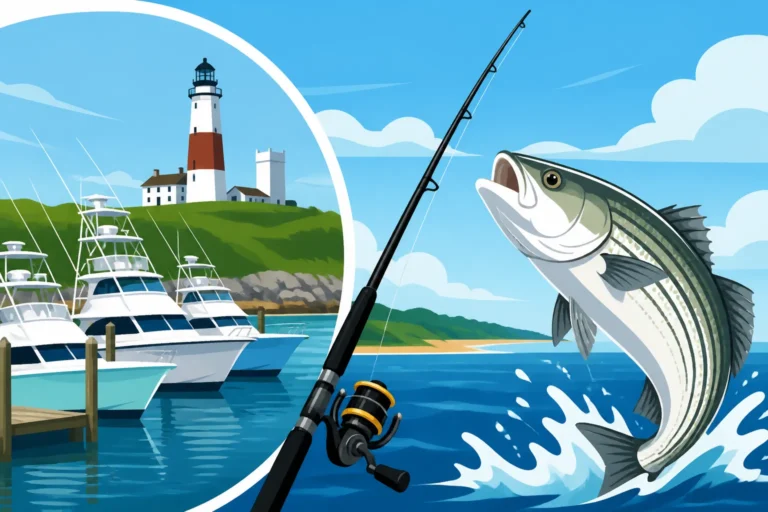
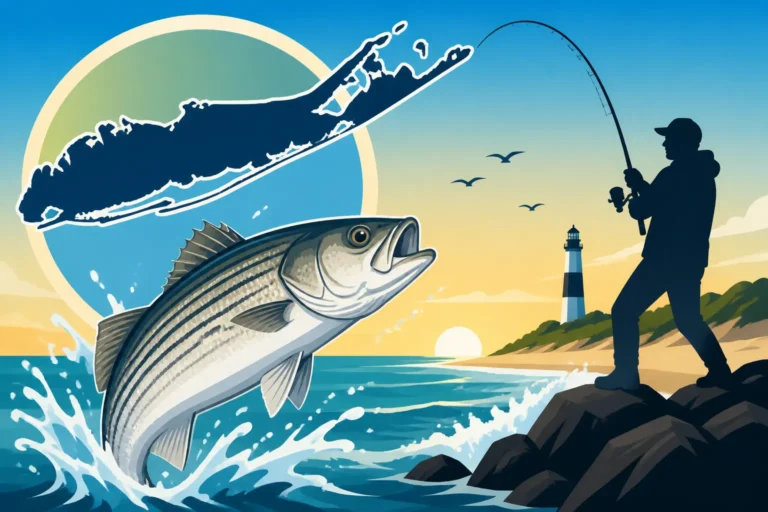
As the cold grip of winter loosens and water temperatures slowly begin to climb, usually starting in April, Jones Beach comes alive with the arrival of migratory fish. The undisputed king of the spring run is the striped bass. These powerful fish make their way along the coast, often moving into the bays and inlets to feed and spawn. Early season stripers can be caught surfcasting with clam baits, bloodworms, or artificial lures like bucktails and soft plastics. They're often found in the shallower surf and around the jetties. You might also find good action casting from the bay side, particularly in areas with good current flow.
Another beloved spring target is the winter flounder. While their populations have seen fluctuations over the years, patient anglers can still find them in the calmer, muddy bottoms of Zach's Bay and other protected bay areas. Chumming with crushed mussels or clam bellies is a classic technique, and fishing small hooks tipped with sandworms or pieces of clam on a high-low rig is usually the most effective approach. The bite for flounder can be subtle, so light tackle and a keen eye are essential. Remember to consult the New York Fishing Season Dates and Catch Limits to stay compliant with regulations for all species, as these can change annually.
Summer's Bounty: Fluke, Bluefish, and Porgies
Once the summer sun truly heats the water, typically from late May through September, the Jones Beach area transforms into a vibrant fishery teeming with species that thrive in warmer conditions. Fluke, also known as summer flounder, become a primary target. These predatory flatfish ambush baitfish and crustaceans from the sandy bottom, and they can be caught both in the surf and in the bay. Drifting gulp baits, squid strips, or spearing on a bucktail or a traditional fluke rig are popular and highly effective methods. You’ll want to pay attention to tides and current, as fluke often position themselves to feed on passing bait. For more specialized advice, check out our guide on Fluke Fishing on Long Island Sound.
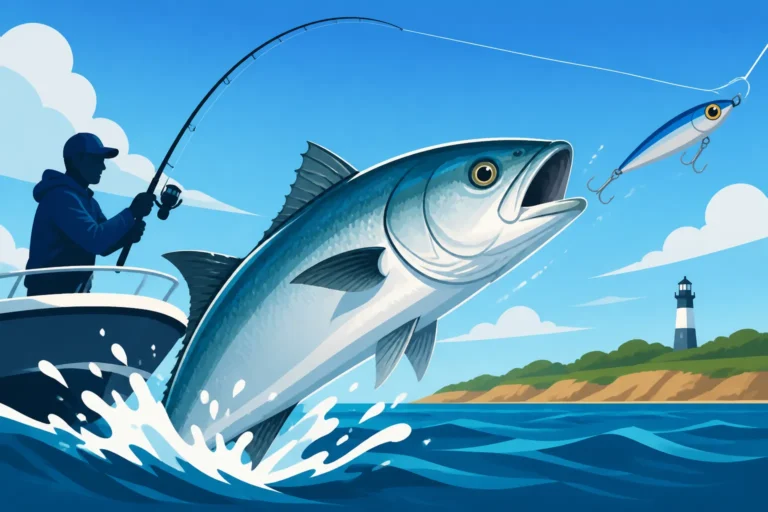
Bluefish are another summer staple, known for their aggressive strikes and fierce fights. These "choppers" will readily hit a variety of lures, from metal spoons and poppers cast into the surf to chunks of bunker or mackerel. They often school up, providing fast action once a school is located. Just be mindful of their incredibly sharp teeth when handling them! Porgies, or scup, also arrive in abundance during the warmer months, offering excellent light tackle fun, particularly from the bay side. They respond well to small pieces of clam or squid fished on a bottom rig. For those seeking a thrill, bigger bluefish can often be found near deeper channels or structure. If you’re interested in finding a local expert for a guided trip to specific spots, you might check resources like FishingBooker for captains operating out of nearby Freeport or Babylon, as they'll have the most up-to-date knowledge on where the best action is.
Fall Migration: The Last Hurrah for Stripers and Blues
As summer wanes and the air turns crisp in September and October, Jones Beach experiences one of its most exciting fishing periods: the fall migration. This is when striped bass, having spent the summer feeding in cooler waters to the north, begin their southward journey, often staging along the Long Island coastline. They feed voraciously, gorging on baitfish like peanut bunker and mullet, to build up reserves for their wintering grounds. This is prime time for catching larger stripers, often known as "cows," especially for surfcasters. Large swimming plugs, poppers, and live eels are exceptionally effective during this period, particularly around dawn, dusk, and nighttime. Learning How to Fish for Striped Bass in New York during this season can lead to some incredible catches.
Bluefish also make a strong showing during the fall run, often mixed in with the stripers. They continue their aggressive feeding, striking at anything that resembles a baitfish. This is a fantastic time for throwing metal lures and larger plugs from the beach, as these fish are often chasing schools of bait right into the wash. The cooler water temperatures make for stronger, more energetic fights, providing a thrilling experience for anglers. As the season progresses into November, the bite will eventually slow down as water temperatures drop further, pushing the last of the migratory fish out of the area until spring returns. Don't forget to review New York Striped Bass Length Requirements before heading out, as slot limits are critical for conservation.
Essential Gear and Techniques for Jones Beach Success
Having the right gear and understanding the most effective techniques can make all the difference between a frustrating day and a memorable catch at Jones Beach. This isn't just about having expensive equipment; it's about choosing tackle appropriate for the environment and the species you're targeting. Whether you're planning to brave the surf or prefer the calmer bay waters, a well-prepared angler is a successful angler.
Surf Fishing Setups for the Beachfront
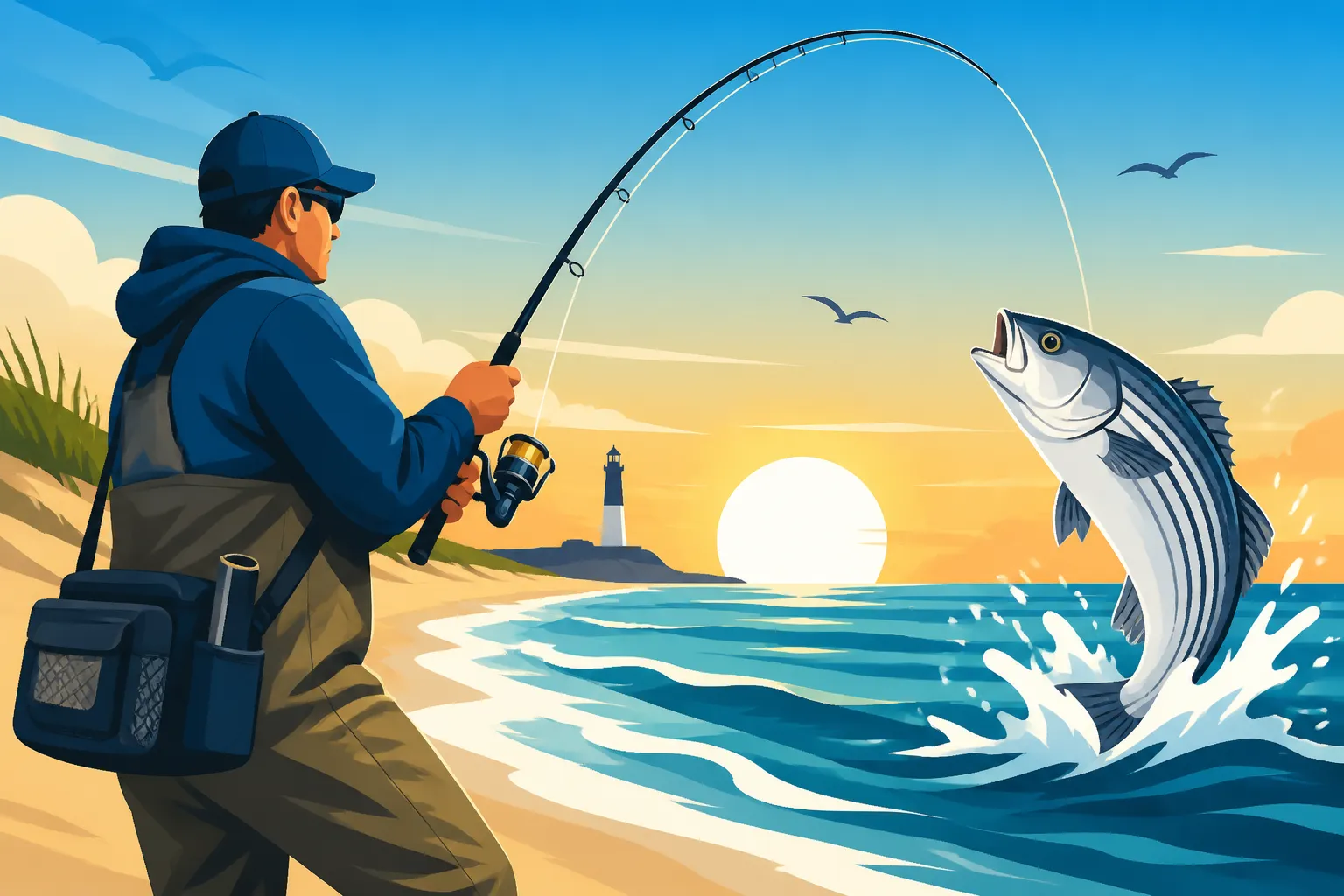
Surf fishing at Jones Beach demands robust tackle capable of handling powerful waves, strong currents, and potentially large, hard-fighting fish. A good surf rod typically ranges from 9 to 12 feet in length, designed to cast heavy baits and lures long distances beyond the breaking waves. Pair this with a durable spinning reel in the 6000-8000 size class, spooled with 30-50 lb braided line. Braid offers superior casting distance and sensitivity, but you'll want to use a heavy monofilament or fluorocarbon leader (50-80 lb test) to resist abrasion from sand and rocks, and to absorb the shock of a hard strike. Popular lure choices for the surf include metal lures (like Hopkins or Kastmasters), large bucktails, various swimming plugs, and poppers for topwater action. For bait fishing, a classic fish finder rig or a high-low rig with a pyramid sinker (3-6 oz depending on current) is essential for holding bottom in the surf. These setups allow you to present natural baits like clam, bunker chunks, or sandworms effectively. Consider bringing a sand spike to hold your rod while you wait for a bite.
Pier and Jetty Fishing Strategies
When the Jones Beach Fishing Pier is accessible, or if you find yourself fishing from the jetties, your approach can be slightly different from pure surfcasting. Piers and jetties allow you to reach deeper water and areas with more structure, which often hold different fish. For pier fishing, a medium-heavy spinning rod (7-9 feet) with a 4000-6000 size reel is usually sufficient, allowing for versatility in targeting both bottom dwellers and migratory species. A simple bottom rig with a bank sinker is effective for porgies, sea bass, or smaller fluke. For stripers and bluefish off the pier, the same surfcasting tackle can be used, but you might also get away with slightly lighter gear if you're not trying to cast as far.
Jetties, with their rock structure, demand caution but offer fantastic fishing. These provide cover for baitfish and ambush points for predators. Anglers often fish around the jetty rocks for species like tautog (blackfish) with green crabs or fiddler crabs, using stout gear to pull them away from snags. For stripers and blues, casting bucktails, soft plastics, or plugs parallel to the jetty can be very productive. Always wear appropriate footwear with good grip when walking on jetties, as they can be slippery. To find other great spots for shore angling, check out our guide on Best Shore Fishing Spots on Long Island, New York.
Bait, Lures, and Local Favorites
Choosing the right bait and lures is crucial for success at Jones Beach. For natural bait, clam is king for many species, especially winter flounder and spring stripers. Bloodworms and sandworms are also excellent all-around baits. Fresh bunker (menhaden), either live, whole, or cut into chunks, is a top choice for larger striped bass and bluefish. Many local bait shops along Long Island, such as those in Freeport or Point Lookout, will have fresh offerings. When it comes to artificials, there are endless options.
For striped bass and bluefish, popular lures include:
- Metal Lures: Kastmasters, Hopkins, Acme Little Cleos. Great for distance casting and imitating fleeing baitfish.
- Swimming Plugs: Bombers, Red Fins, SP Minnows. Excellent for imitating larger baitfish in the surf.
- Poppers: Topwater lures like Super Strike poppers. Fantastic for exciting surface strikes from aggressive fish.
- Soft Plastics: Tsunami Shads, Bass Assassins, Gulp! Eels. Can be rigged on jig heads and worked through the water column.
- Bucktails: Classic and incredibly effective, especially when tipped with a pork rind or a soft plastic trailer.
For fluke, Gulp! Swimming Mullet and Shrimp are incredibly popular, often paired with bucktails. Spearing and squid strips are also reliable natural baits. Experimentation is key, but starting with these local favorites will give you a solid foundation. Remember, a local tackle shop is always your best friend for up-to-the-minute reports on what's biting and what's working.
Understanding Regulations and Responsible Angling
Fishing at Jones Beach, like anywhere else in New York, requires adherence to specific regulations designed to protect fish populations and ensure sustainable angling for future generations. Ignoring these rules can lead to fines and penalties, so it's always wise to be informed before you cast your first line.
Navigating New York's Saltwater Fishing Rules
New York's saltwater fishing regulations are set by the Department of Environmental Conservation (DEC) and cover everything from size limits and bag limits to season dates for various species. These rules are crucial for managing fish stocks like striped bass, fluke, and bluefish, which are popular targets at Jones Beach. For example, striped bass often have a "slot limit," meaning you can only keep fish within a specific length range, and sometimes specific seasons or areas will have different rules. Fluke and bluefish also have minimum size requirements and daily creel limits. It’s important to understand that these regulations can and do change, sometimes annually, based on scientific assessments of fish populations. Before any trip, it’s imperative to check the most current DEC regulations. You can find detailed information in the New York Fishing Regulations Explained guide or directly on the DEC website.
| Species | Typical Season (General) | Minimum Size (Varies, Check DEC) | Daily Limit (Varies, Check DEC) | Common Bait/Lure |
|---|---|---|---|---|
| Striped Bass | Spring, Fall | Slot Limit (e.g., 28-31 inches) | 1 fish | Clam, Bunker, Plugs, Lures |
| Fluke (Summer Flounder) | Late Spring, Summer | 19 inches | 3 fish | Squid, Spearing, Gulp!, Bucktails |
| Bluefish | Summer, Fall | 18 inches | 3 fish (Recreational) | Bunker, Metals, Poppers |
| Winter Flounder | Early Spring | 12 inches | 2 fish | Sandworms, Clam |
| Porgy (Scup) | Summer, Fall | 10 inches | 30 fish | Clam, Squid |
Note: This table provides general information and typical regulations. Always verify current size limits, bag limits, and season dates with the New York State DEC before fishing, as they are subject to change.
Marine Fishing Registry and License Requirements
Unlike freshwater fishing, which almost always requires a purchased license, New York State has a specific requirement for saltwater anglers known as the New York Recreational Marine Fishing Registry. All anglers 16 years of age and older must enroll in this registry before fishing in the marine and coastal district waters, or for migratory marine fish species from the Hudson River and its tributaries. The good news is that enrollment in the Marine Fishing Registry is free. It's not a traditional "license" in the sense of a paid permit, but it is a mandatory registration. You can sign up easily online through the DEC website. While you don't receive a physical card, it's a good idea to have proof of your registration accessible, such as on your phone, in case you're asked by law enforcement. Failure to register can result in a fine, so don't overlook this crucial step. For a thorough breakdown of saltwater fishing permissions, read our New York Saltwater Fishing Registration Guide. This registry is critical for the state to collect data on saltwater fishing participation, which in turn helps manage fish stocks and secures federal funding for marine conservation efforts.
Disclaimer
The information provided in this guide is for general informational purposes only and is subject to change. Fishing regulations, season dates, and access points can vary and are regularly updated by the New York State Department of Environmental Conservation (DEC). Always consult the official DEC website or their current fishing regulations guide before planning your trip to ensure compliance with all applicable laws and to confirm any specific closures or advisories for Jones Beach and surrounding areas. Fishing inherently carries risks; exercise caution and prioritize safety on and near the water.