How to Fish for Trout After Stocking
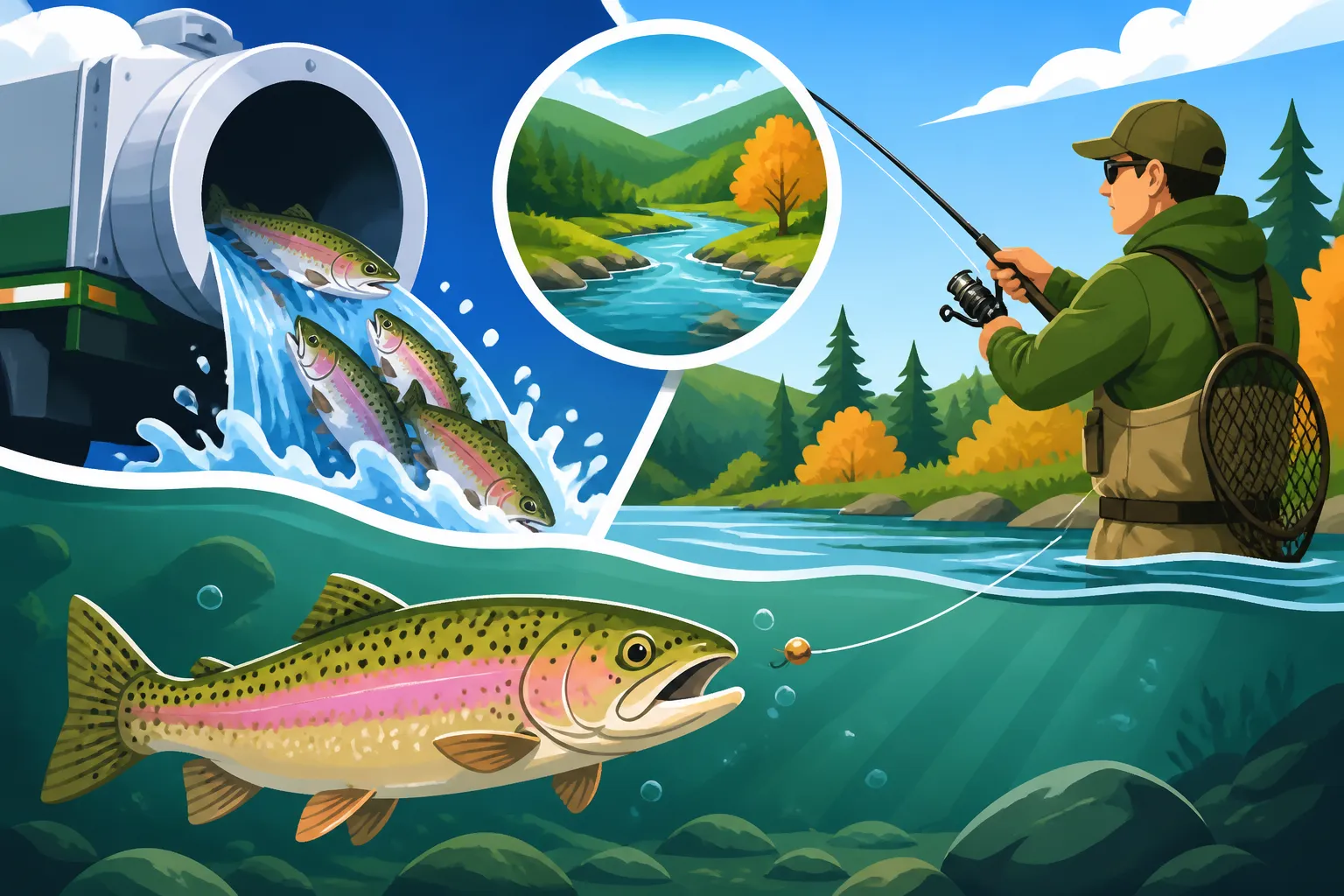
There’s nothing quite like the excitement of hitting your favorite stream or pond in New York, knowing that the New York State Department of Environmental Conservation (DEC) has recently stocked it with eager, hungry trout. But let's be honest, those first few hours or even days after a stocking can be a bit of a head-scratcher. Sometimes it feels like they're practically jumping into your net, and other times, it's like they vanished into thin air. This comprehensive guide will help you understand the nuances of fishing for trout right after stocking, from their initial behavior to the best tactics to ensure a successful day on the water.
Understanding New York's Trout Stocking Program
New York State has a robust and long-standing trout stocking program, and understanding its purpose and schedule is the first step to becoming a more successful angler in these waters. It’s not just about dumping fish in a stream; there’s a science and strategy behind it.
Why New York Stocks Trout
The primary reason the New York State DEC stocks trout is to enhance recreational fishing opportunities across the state. Many streams and ponds simply don't have the natural habitat or water quality to support self-sustaining trout populations, especially in areas with higher fishing pressure or warmer summer temperatures. Stocking ensures that anglers, from seasoned veterans to excited beginners, have a consistent chance to catch fish. These stocked trout primarily include species like Brown Trout, Rainbow Trout, and occasionally Brook Trout, depending on the specific water body's characteristics and management goals. The program also helps to alleviate pressure on wild trout populations in more sensitive, naturally reproducing waters, allowing them to thrive.
Beyond recreation, stocking can sometimes be a tool for managing ecosystems, or even for educational purposes, helping to foster a love for fishing and conservation in younger generations. It’s a huge undertaking, involving dedicated hatcheries across the state raising hundreds of thousands of fish each year. For more information on the species you might encounter, check out our guide on A Guide to New York's Trout Species.
When and Where Trout Are Stocked
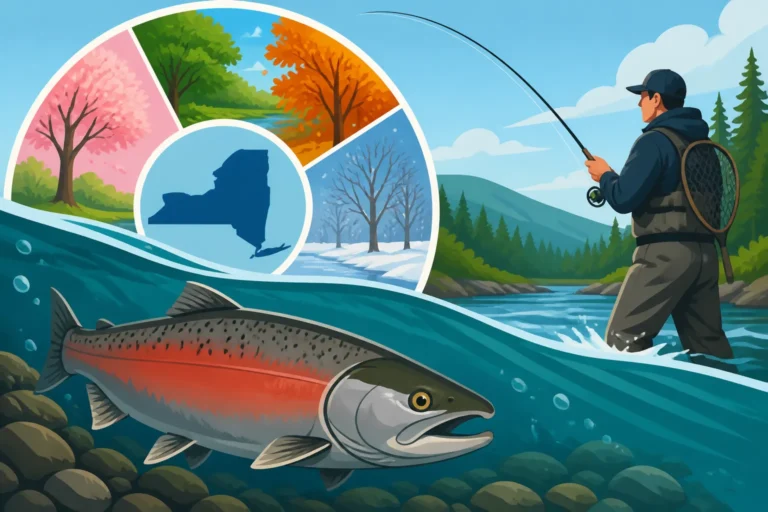
Trout stocking in New York typically follows seasonal patterns, with the most significant releases occurring in the spring, usually from late March through May, and often a smaller, supplemental stocking in the fall. These periods are chosen because water temperatures are generally cooler and more favorable for trout survival and activity. Locations vary widely, from smaller community ponds in urban and suburban areas to larger rivers and streams throughout the Catskills, Adirondacks, and western New York.
The DEC is pretty transparent about its stocking schedules, which is a huge benefit for anglers. You can often find detailed lists on their website, sometimes broken down by county or specific water body, indicating the species, number of fish, and even approximate dates. This information is gold! Knowing when and where the trucks are rolling out means you can plan your trips strategically, potentially hitting a spot shortly after a fresh batch of fish has been introduced. Keeping an eye on these schedules is crucial, as it provides a valuable head start on figuring out the best time to go. It’s also important to remember that these schedules can sometimes change due to weather or operational factors, so a quick check before you head out is always a good idea.
The Initial Behavior of Stocked Trout
When those hatchery trucks pull up and release their finned cargo, it’s a moment of both chaos and opportunity. Stocked trout behave quite differently from their wild counterparts, and even from how they'll act a week or two later. Understanding this initial behavior is key to adapting your approach.
The "Dumb" Trout Myth
It's a common quip among anglers that recently stocked trout are "dumb." And while it might seem like they are, readily hitting just about anything you throw at them, it's less about intelligence and more about their immediate circumstances. These fish have spent their entire lives in controlled hatchery environments, where food is provided consistently, and predators are non-existent. When they're released into a new, wild environment, they're under immense stress. They're suddenly exposed to new smells, sounds, currents, and open spaces, all while trying to figure out where their next meal is coming from.
Their "eagerness" to bite often stems from this unfamiliarity and hunger. They're not yet wary of lines or hooks, and anything resembling food is likely to get a look. This window of easy catchability doesn't last long, though. Within a few days, sometimes even hours, they begin to adapt, becoming more cautious and selective. So, while it's tempting to think of them as naive, it's more accurate to see them as disoriented and opportunistic during those initial moments.
Adapting to a New Environment
The adaptation process for stocked trout is surprisingly quick. Initially, they often school up, staying in the immediate vicinity of where they were released. This is a survival instinct; there's safety in numbers, and they're unsure where to go. They’ll also be actively seeking out the pellet food they’re used to, which isn’t available in the wild. As the initial shock wears off, a few things start to happen:
First, they begin to disperse. The "honey hole" where they were stocked will slowly empty as individual fish start exploring their new surroundings for better cover, more favorable water temperatures, and natural food sources. They’ll gravitate towards deeper pools, undercut banks, fallen logs, and areas with slower currents that offer refuge from predators and strong flows. This dispersion means you can't just fish the stocking point all day; you'll need to move and find them.
Second, their diet begins to shift. While they might hit artificial baits resembling their hatchery pellets at first, they quickly learn to recognize and target natural food sources like aquatic insects, worms, and small baitfish. This is why a technique that works wonders on day one might be less effective on day three. They're learning to be wild trout, and their instincts kick in surprisingly fast. Understanding this rapid learning curve helps you adjust your tactics from simple "chumming" to more nuanced presentations.
Essential Gear and Tackle for Post-Stocking Trout
Having the right gear makes a world of difference when targeting recently stocked trout. You don't need the most expensive equipment, but matching your tackle to the conditions and the fish's behavior will significantly increase your success rate.
Rod, Reel, and Line Selection
For the majority of stocked trout situations in New York, a light to ultralight spinning setup is your best friend. A spinning rod between 5'6" and 6'6" in length with a fast or moderate-fast action will give you the sensitivity to detect subtle bites and the backbone to handle a feisty trout. Pair this with a small spinning reel (sizes 1000 or 2000 are ideal) spooled with 4 to 6-pound test monofilament or fluorocarbon line. Monofilament is a great all-around choice, offering good knot strength and stretch, which can be forgiving. Fluorocarbon, on the other hand, is nearly invisible underwater and has less stretch, providing more direct contact with your lure or bait. Many anglers opt for a monofilament main line with a short fluorocarbon leader for the best of both worlds.
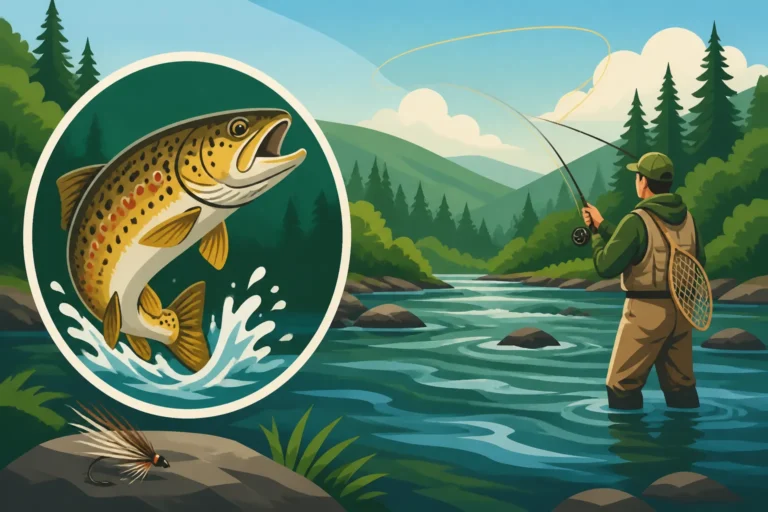
If you’re a fly angler, a 3-weight or 4-weight fly rod, 7 to 8.5 feet long, is perfect for the smaller streams and ponds often stocked. A floating fly line matched to your rod weight, and a tapered leader ending in 4x or 5x tippet will allow for delicate presentations. Choosing the right line and leader is critical, especially as trout become more wary after the initial stocking frenzy. For a wide selection of suitable rods, reels, and lines, many anglers find great options available on Amazon.
Bait and Lure Choices
When fishing for recently stocked trout, you want to appeal to their ingrained hunger and curiosity. For bait fishing, the classics often work best:
- PowerBait: This synthetic, scented dough bait, often shaped into small balls or nuggets, mimics the pellets they were fed in the hatchery. Bright colors like chartreuse, orange, and rainbow often outperform natural tones right after stocking. Rig it on a small hook (size 10-14) with an egg sinker or split shot, allowing it to float just off the bottom.
- Worms: Live nightcrawlers or garden worms are universally effective. Trout instinctively recognize them as food. A small piece of a worm can be drifted naturally or fished under a bobber.
- Corn: Believe it or not, canned corn is a surprisingly effective bait for stocked trout. Its bright color and sweet scent can attract curious fish. Use just a few kernels on a small hook.
For lure fishing, you'll want small, flashy presentations:
- Spinners: Iconic brands like Mepps, Panther Martin, and Roostertail in sizes #0 to #2 are deadly. Their flashing blades and vibrant colors trigger aggressive strikes. Gold, silver, and fire-tiger patterns are often top producers.
- Small Spoons: Tiny Kastmaster or Little Cleo spoons, weighing 1/16 to 1/8 ounce, cast well and have an enticing wobble.
- Trout Magnets/Soft Plastics: Micro-jigs tipped with tiny soft plastics can be incredibly effective, especially when fished under a small bobber or jigged subtly.
Many of these effective baits and lures can be easily found and ordered online, for example, through Amazon, saving you a trip to a specialty store if you know what you're looking for.
Fly Fishing Essentials
For the fly angler chasing recently stocked trout, your approach should blend imitation with attraction, especially in the days immediately following a stocking. Initially, trout might still be looking for an easy, substantial meal similar to their hatchery pellets, so larger, attractor-style patterns can be very effective.
Consider having a selection of:
- Nymphs: Larger, heavily weighted nymphs like a "Walt's Worm," "Prince Nymph," or "Hare's Ear Nymph" in sizes 12-16 can mimic aquatic insects dislodged by the disturbance of stocking or just present a tempting meal. An "Egg Pattern" can also be deadly, especially for trout that might be opportunistic.
- Attractor Dry Flies: While not typically feeding on specific hatches right after stocking, a brightly colored "Stimulator" or "Adams" can sometimes trigger a strike purely out of curiosity or aggression, particularly in slower pools.
- Small Streamers: Patterns like a "Woolly Bugger" (black, olive, or brown) in sizes 8-12, or a "Muddler Minnow," can imitate small baitfish or leeches, which opportunistic trout won’t pass up. Strip these slowly through deeper pools or along undercut banks.
Presentation is often more critical than exact imitation immediately after stocking. A well-presented, slightly larger fly might outperform a perfectly matched, tiny natural imitation, simply because the trout are still a bit disoriented and looking for a substantial meal. As the fish acclimate, you’ll want to shift towards more realistic insect imitations, but for those first few days, don't be afraid to go a little bolder. If you're new to fly fishing, our guide on How to Fly Fish in New York offers some excellent beginner tips.
Top Techniques for Success in Stocked Waters
The methods you employ can drastically change your success rate when targeting stocked trout. While their behavior can be somewhat predictable initially, you still need to present your offerings effectively.
Bait Fishing Strategies
Bait fishing is arguably the most straightforward and often the most productive method for recently stocked trout. The key is presentation and targeting where the fish are holding.
- Floating Baits: When using PowerBait, the goal is often to get it off the bottom where it's more visible and enticing. A simple rig involves a small #10 or #12 treble or single hook, a small split shot or egg sinker a foot or two above it, and enough PowerBait to float your hook. Cast this into a deeper pool or slower current, allowing it to settle. The scent trail and bright color will do the work. You can let it sit or retrieve it very slowly, with pauses.
- Drift Fishing with Worms: If you're fishing a stream or river, drifting a live worm can be incredibly effective. Thread a small piece of worm onto a light hook (size 8-12) and add just enough split shot (or none at all) to allow it to tumble naturally with the current. Cast upstream and let the current carry your bait through likely holding areas like seams, eddies, and behind rocks. This natural presentation is hard for any fish, stocked or wild, to resist.
- Using Bobbers: In slower moving water or ponds, a small bobber can be invaluable. It keeps your bait suspended at a desired depth, often off the bottom, and clearly indicates bites. Adjust the depth so your bait is in the strike zone, usually a few feet down, but experiment. Cast and let it sit, or retrieve very slowly. This works well with worms, PowerBait, or even corn.
Remember, stocked trout are often in schools initially, so if you catch one, there are likely more in the same spot. Work the area thoroughly before moving on.
Spin Fishing Tactics
Spin fishing with lures offers a dynamic and exciting way to target stocked trout. The active presentation can trigger aggressive strikes, especially from fish that are still in an opportunistic feeding mode.
- Casting and Retrieving Small Lures: Small spinners (Mepps, Panther Martin, Rooster Tail) and tiny spoons (Kastmaster, Little Cleo) are incredibly effective. Cast these lures across or slightly upstream in a current, or fan-cast across a pond. Begin your retrieve immediately as the lure hits the water, reeling just fast enough to get the blade spinning or the spoon wobbling. Vary your retrieve speed and add occasional twitches or pauses to mimic a struggling baitfish.
- Targeting Eddies, Pools, and Cover: Focus your casts on areas where trout are likely to congregate. In streams, this means the head and tail of pools, slower moving eddies behind rocks or fallen trees, and undercut banks. In ponds, look for drop-offs, submerged structure, or areas with slight current. These spots offer cover and food.
- Varying Retrieve Speed and Depth: Don't get stuck in a rut with one retrieve. If the fish aren't biting, try reeling faster or slower. Let your lure sink a bit deeper before starting the retrieve, or keep it higher in the water column. Experimentation is key. Sometimes a sudden burst of speed followed by a pause can be the trigger. Remember that the trout are still adjusting, so what worked five minutes ago might not work now. Changing up your retrieve can make a big difference, and often, the flash and vibration of a spinner is enough to grab their attention.
Fly Fishing Approaches
Fly fishing for recently stocked trout can be both rewarding and a fantastic way to hone your skills. While the trout may not be keyed into specific insect hatches yet, a versatile approach can yield excellent results.
- Indicator Nymphing: This is a highly effective technique for stocked trout, mimicking subsurface insects drifting in the current. Use a strike indicator (bobber) set a foot or two deeper than the water you're fishing. Attach one or two weighted nymph patterns (like a Prince Nymph, Hare's Ear, or a simple Walt's Worm) to your leader. Cast upstream and let the flies drift naturally downstream, mending your line to minimize drag. Watch the indicator carefully for any subtle twitch or pause – that's often a bite. This technique allows you to cover different depths and present your flies effectively in varying current speeds.
- Short-Line Nymphing / Euro Nymphing: For those looking for a more direct connection, short-line nymphing (often associated with Euro nymphing techniques) can be incredibly productive, especially in smaller, shallower streams. This involves using a longer, sensitive rod and specialized leader to maintain direct contact with your nymphs, often without a strike indicator. You lead your flies through the current with your rod tip, feeling for strikes. This technique allows for precise depth control and immediate hooksets.
- Stripping Small Streamers: As mentioned, small streamers can imitate baitfish or leeches, which are attractive to disoriented, hungry trout. Cast a Woolly Bugger or a Muddler Minnow into deeper pools, along undercut banks, or around fallen trees. Let it sink for a few seconds, then retrieve it with short, jerky strips, pausing occasionally. This erratic movement can trigger an aggressive chase and strike, especially from some of the larger stocked fish. Fly fishing in stocked waters is a great way to learn How to Trout Fish in Early Spring when many stocking efforts begin.
Locating Trout in Recently Stocked Streams and Ponds
Finding where the trout have settled, or at least where they’re temporarily holding, is a crucial part of post-stocking success. They won't always stay right where the truck left them, and understanding their preferences will guide your efforts.
Reading the Water for Stocked Trout
Even though they're "fresh" from the hatchery, stocked trout will quickly start looking for certain characteristics in their new environment. Your job is to identify these spots:
- Deeper Pools: These offer security and a refuge from strong currents. Trout will often congregate at the head (where the water enters the pool) and tail (where the water exits) of pools, as these areas concentrate food and offer easier holding positions. Don’t neglect the deepest part of the pool itself, especially on bright, sunny days when trout seek shade and cooler water.
- Slower Currents and Eddies: Trout, like all fish, conserve energy. They'll position themselves in slower currents or eddies directly adjacent to faster moving water, allowing them to rest while still having access to food drifting by. Look for swirling water behind large rocks, logs, or bends in the stream.
- Structure and Cover: This is huge. Any kind of structure that offers shelter from predators (like birds of prey or larger fish) and current is a prime holding spot. Think fallen trees, submerged logs, large boulders, undercut banks, and bridge abutments. These provide shade and security. Even small depressions in the streambed can offer a subtle refuge.
- Bottlenecks and Choke Points: Any narrowing of the stream or pond where water flow accelerates can concentrate food and, consequently, trout. These are ambush points.
Take your time to observe the water before blindly casting. Look for subtle signs of fish, or simply areas that look "fishy" according to these criteria. The trout might not be as shy as wild fish, but they still appreciate a good hiding spot.
The Importance of Movement and Exploration
One of the biggest mistakes anglers make is staying in one spot, especially after catching a few fish or if the bite slows down. While stocked trout often group up initially, they also disperse quickly. If the action dies down, don't assume the fish are gone from the water body; they've simply moved.
- Covering Water: Be prepared to walk the banks, moving upstream or downstream, or around the perimeter of a pond. Make a few casts in each promising spot, and if you don't get a bite within a few minutes, move on. Aggressively searching for fish will often lead to more success than patiently waiting in one spot that's gone cold.
- Exploring Different Depths and Conditions: Don't just fish the same depth or speed of current. If you're getting hits in shallow riffles, but then they stop, try deeper pools. If the sunny side of the bank isn't producing, try the shady side. The trout's comfort zone can shift throughout the day based on sunlight, water temperature, and pressure from other anglers.
- Adjusting Your Approach: As you explore, pay attention to where you get bites and what conditions prevail there. Did they hit a worm in a slow pool? Then seek out similar spots. Did a spinner work best in faster water? Try that again. This dynamic approach of moving, observing, and adjusting is what separates consistently successful anglers from those who struggle. Remember that New York offers incredible trout fishing opportunities, and knowing Where to Pick Up the New York Fishing Regulations Guide will help you explore new waters confidently.
Ethical Angling and Conservation in Stocked Fisheries
While stocked fisheries are designed to provide abundant fishing opportunities, it's still crucial to approach them with a strong sense of ethics and conservation. We all want these programs to continue thriving, and responsible angling plays a big part.
Practicing Catch and Release When Applicable
Even if you plan to keep some trout, practicing catch and release for others is a great habit. Not every stocked trout needs to go into the cooler, especially if you've already reached your desired meal quota. When releasing trout, follow these guidelines:
- Minimize Handling: Try to keep the fish in the water as much as possible. If you must handle it, do so with wet hands to protect its delicate slime coat, which acts as a barrier against disease.
- Use Barbless Hooks: Crushing the barb on your hook or using hooks specifically designed as barbless makes removal much easier and reduces trauma to the fish. This is particularly important if you're targeting fish for sport.
- Quick Release: Don't prolong the fight or the handling time. Get the hook out gently and quickly.
- Revive the Fish: If a fish seems sluggish, hold it upright in the water, facing into the current, until it regains its strength and can swim away on its own. Don't simply toss it back; ensure it's ready to go.
Being mindful of how you treat the fish, whether you're keeping it or releasing it, contributes to the overall health and enjoyment of the fishery for everyone. If you're interested in learning more about how to safely return fish to the water, check out our guide on Catch-and-Release Handling Rules.
Adhering to Regulations and Limits
This might seem obvious, but it bears repeating: always know and follow the current New York State fishing regulations for the specific water you are fishing. Regulations can vary significantly from one stream to another, even within the same county, and often change yearly.
- Check the DEC Guide: The New York State DEC publishes a comprehensive fishing regulations guide annually. This is your bible. It details season dates, creel limits (how many fish you can keep), minimum size limits, and any special regulations for specific waters. You can often find a physical copy at bait shops or DEC offices, or download it from their website.
- Licensing: Don't forget your fishing license! You absolutely need one to fish in New York State waters, unless you're on a designated free fishing day or fall under a specific exemption (like being under 16 years old). Fishing without a license can lead to hefty fines and penalties. If you're unsure if you need one, our guide Do I Need a Fishing License to Fish in New York? has all the answers.
- Trout Stamp/Special Permits: Some waters or specific fishing methods might require additional stamps or permits, such as a "Trout Stamp" for fishing in certain designated trout waters. Always double-check.
By respecting these rules, you're not just avoiding trouble; you're actively participating in the management and sustainability of New York's incredible fishing resources. It ensures that these stocked trout programs continue to provide enjoyment for generations of anglers to come.
Trout Behavior: After Stocking vs. Weeks Later
To help summarize, here's a quick look at how trout behavior and effective tactics tend to shift in stocked waters over time.
| Aspect | Immediately After Stocking (First 1-3 days) | Weeks Later (Beyond 1-2 weeks) |
|---|---|---|
| Behavior | Disoriented, hungry, less wary, often schooled, seeking hatchery pellets. | Acclimated, more wary, dispersed, seeking natural food (insects, baitfish). |
| Location | Near stocking points, deeper pools, slower currents. | Dispersed, seeking natural cover, structure, prime feeding lanes. |
| Best Baits | PowerBait (bright colors), corn, worms. | Natural worms, grubs, salmon eggs, scented dough baits (subtler). |
| Best Lures | Flashy spinners (#0-2), small spoons (1/16-1/8 oz). | Smaller, more natural-colored spinners, small spoons, micro-jigs. |
| Best Flies | Attractor nymphs (Prince, Hare's Ear), Egg patterns, small Woolly Buggers. | More imitative nymphs (pheasant tail, caddis pupa), dry flies (matching hatches), smaller streamers. |
| Presentation | Can be more aggressive, faster retrieves, larger presentations. | More subtle, delicate, natural drifts; slower retrieves. |
| Challenge Level | Easier, higher catch rates. | Moderate to challenging, requires more skill and observation. |
Disclaimer
Please be aware that fishing regulations, including stocking schedules and specific rules for certain bodies of water, can change. Always consult the latest official New York State Department of Environmental Conservation (DEC) regulations guide before heading out to fish. This article provides general information and should not be considered a substitute for official legal guidelines.