Best Time to Fish New York Rivers During Spring Runoff
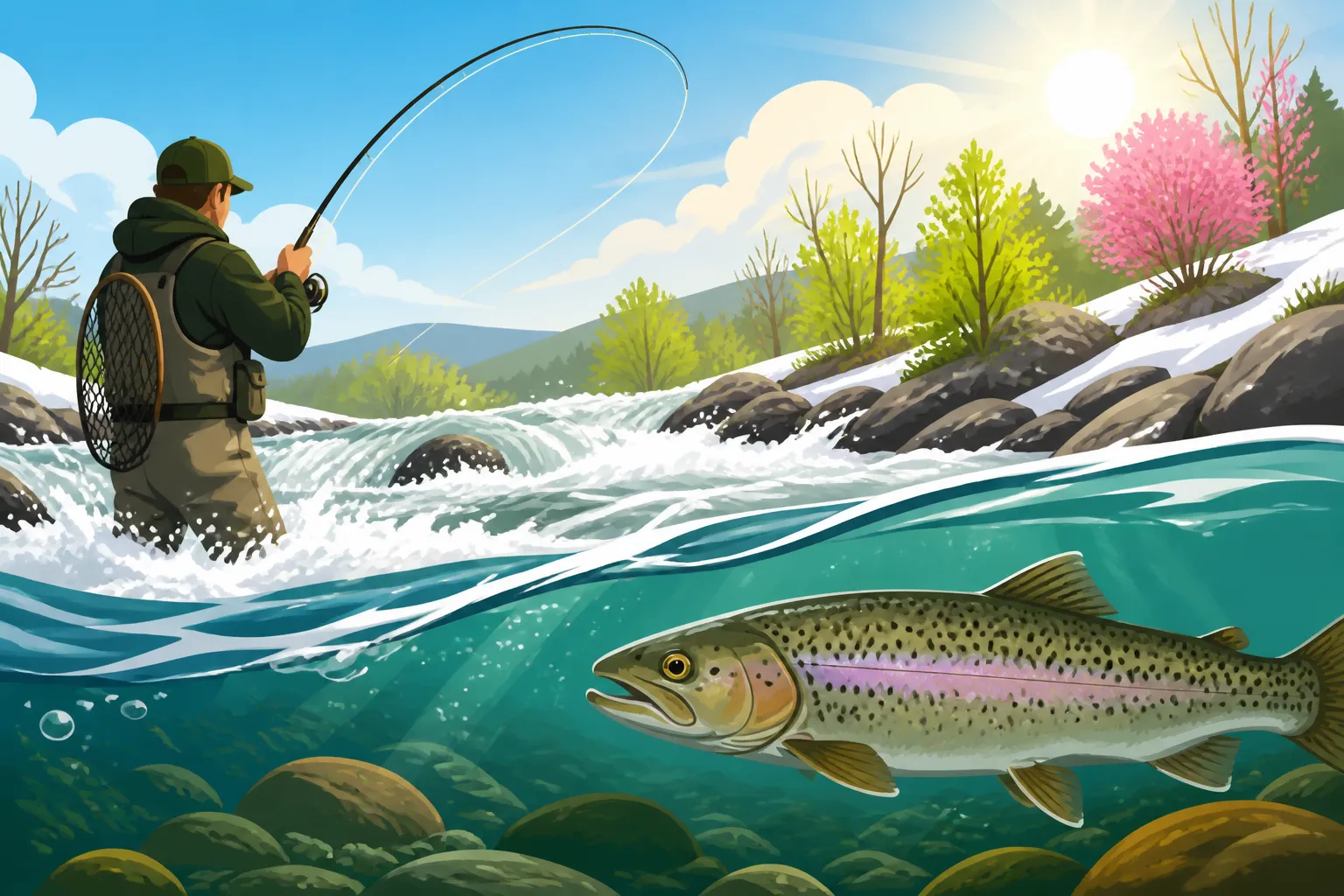
Ah, spring! The air starts to warm, the days stretch longer, and the promise of open water fishing in New York's beautiful rivers sings a siren song to every angler. But let's be honest, that promise often comes with a bit of a challenge: spring runoff. Many of us look at those swollen, muddy rivers and think, "Well, there goes fishing for a while!" It can feel incredibly frustrating, like nature's putting up a giant "Do Not Disturb" sign just as you're itching to cast a line. But trust me, that's not always the case! This guide is here to unravel the mysteries of spring runoff, helping you understand when to hit New York's rivers to turn those seemingly impossible conditions into some of your most rewarding fishing experiences.
Understanding the Dynamics of Spring Runoff
When winter finally decides to release its icy grip on New York, our rivers transform dramatically. All that accumulated snow in the mountains and across the landscape begins to melt, and often, spring rains add to the torrent. This combination leads to what we call spring runoff – a period of elevated water levels, increased flow, and often, murky water. It's a natural cycle, vital for the ecosystem, but it certainly changes the game for anglers.
The Science Behind the Surge: Snowmelt and Rain
Think about all the snow that blankets the Adirondacks, the Catskills, and even smaller elevations throughout the state. As temperatures rise, this snow turns to liquid, flowing downhill, picking up speed and volume as it feeds into countless creeks and streams that eventually coalesce into larger rivers. A significant warm spell can trigger a rapid melt, causing rivers to swell almost overnight. Couple this with the notoriously unpredictable spring rain showers, which can range from a gentle drizzle to a torrential downpour, and you have a recipe for significant hydrological changes. These events dramatically increase the water's speed and depth, pushing fish into different holding patterns and making our usual fishing spots look entirely alien.
How Runoff Changes the River: Turbidity, Temperature, Oxygen, and Food
The influx of water isn't just about volume; it's about what that water carries with it. Increased flow stirs up the river bottom, washing sediment, soil, and organic matter downstream. This is what causes the water to become "turbid" or murky – often a chocolate milk color. Visibility for both fish and angler plummets.
Initially, snowmelt and rain can also drop water temperatures, which can make fish lethargic. However, as spring progresses, the warming trend can also mean the runoff itself brings warmer surface water into the system, or that the ambient air temperature quickly warms the already flowing water. The increased flow also brings a surge of oxygen, which fish generally appreciate, especially after a long winter under ice or slower flows. Most importantly for fishing, runoff flushes an abundance of food into the river. Worms, insects, larvae, and even small baitfish get dislodged from the banks and bottom, becoming easy pickings for hungry game fish. This is the crucial detail: fish know food is coming, and they position themselves to take advantage of it.
The Prime Windows: When to Target Runoff Conditions
So, if swollen, muddy rivers are a given in spring, when exactly is the "best time" to fish them? It's usually not during the absolute peak of the surge. Imagine trying to stand in a firehose – that's how fish feel. The real magic happens during specific phases of the runoff cycle, often when the initial chaos subsides, but the benefits of high water remain.
Fishing the Drop: The Goldilocks Zone of Falling Water
The absolute best time to fish during spring runoff is often when the water levels are dropping and starting to clear, rather than rising. This is the "Goldilocks Zone" – not too high, not too low, not too muddy, not too clear. When the river begins to recede from its peak, fish often move out of extreme current and settle into more predictable lies. They’ve had their fill of being pushed around and are now looking for comfortable spots that offer a reduced current seam and a steady flow of food.
This period might last for a few hours, a day, or even several days, depending on the size of the river and the weather patterns. For a smaller stream in the Catskills, it could be a matter of hours after a rain event. For a large system like the Salmon River or the Genesee River, the effects of a significant runoff event can linger for days, offering an extended window of opportunity. Pay close attention to online river gauges or simply observe the river daily. A slowly falling gauge indicates that golden window is opening. This is also when fish will be most active as the water becomes more hospitable and less turbulent.
Temperature is Key: Activating Fish After Winter's Slumber
While high water often means colder water initially from snowmelt, as spring advances, rising ambient temperatures can actually warm the runoff quickly. Fish, especially species like trout, walleye, and bass, become significantly more active as water temperatures climb into their preferred feeding ranges. Even a few degrees can make a world of difference.
During runoff, slightly warmer water pockets can form along river edges, in slower eddies, or in the calmer sections downstream of major rapids. These warmer zones become magnets for fish. Trout in particular, which have been somewhat sluggish during the cold months, will actively seek out these warmer, food-rich areas. How to Fish Cold Water in New York covers more on managing temperature challenges, but for runoff, look for that warming trend. If the water is still bone-chilling, the fish might be there, but they might not be as eager to strike.
Best Time of Day: Later is Often Better
During spring runoff, especially in the earlier parts of spring, the best time of day to fish is often later in the day, from late morning through the afternoon. Why? Because as the sun climbs higher, it has more time to warm the water, even if only by a degree or two. This slight increase in temperature can be enough to trigger a feeding spree. Additionally, if the runoff is driven by daily snowmelt, the water might actually be at its highest and murkiest in the middle of the day as the sun peaks, then starts to drop and clear slightly into the late afternoon or early evening.
Of course, like all fishing rules, there are exceptions. If an overnight rainstorm causes a quick spike and fall, the morning bite might be fantastic on the dropping tide. But generally, when dealing with snowmelt-driven runoff, waiting for the water to warm and potentially begin its descent from the morning's peak often yields better results. This patience can turn a seemingly unfishable river into a productive one, especially for trout.
Tactical Approaches for Runoff Fishing Success
Knowing when to fish during runoff is only half the battle. The other half is knowing how to fish these challenging conditions. Runoff fishing requires a different mindset and different tactics than fishing low, clear summer waters. You'll need to adapt your approach to account for the increased current, reduced visibility, and often, more aggressive fish.
Reading the Water: Identifying Holding Lies Despite the Current
When a river is roaring, those familiar eddies and deep pools can look completely different. The key is to understand where fish will naturally seek refuge from the main current while still having access to food. Look for current breaks:
- Seams: The line where fast water meets slow water. Fish often sit just inside the slower current, waiting for food to drift by in the faster lane.
- Eddies: Swirling pockets of water behind large rocks, fallen trees, or points of land. These offer a calm reprieve.
- Slack Water: Areas along the bank where the current is significantly reduced. This could be behind a substantial log jam, a wide gravel bar, or even a small indentation in the bank.
- Submerged Structure: Undercut banks, large boulders, or sunken logs provide critical cover and current breaks. You might not see them clearly in turbid water, so knowing the riverbed from lower water periods is a huge advantage.
Fish will expend as little energy as possible, so they won't be in the fastest water unless they are actively chasing something very enticing. Focus your casts and drifts into these slower, protected zones, understanding that fish are likely hunkered down.
Bait, Lures, and Flies for High Water: Making Your Offering Stand Out
When visibility is low, your presentation needs to be seen and felt. Fish rely more on their lateral line (which detects vibrations) and scent, as well as sound, than sight.
For Bait Fishing:
Natural baits shine in runoff conditions. Earthworms, especially large nightcrawlers, are fantastic because they get dislodged naturally and are a common food source for many species. Their scent trail and wriggling action can attract fish from a distance. You can rig them on a simple hook with enough weight to get them down through the current. PowerBait or similar scented dough baits can also be effective for trout. Make sure you're using enough weight, like heavier split shot or a slinky weight, to get your bait to the bottom without dragging too much. You might find a good selection of specialized weights for these conditions on Amazon.
For Lure Fishing:
Bright, noisy, and vibratory lures are your friends.
- Spinners: Larger spinners with bright blades (gold, silver, chartreuse) create flash and vibration. Mepps Aglia or Panther Martin spinners in sizes #3 to #5 can be very effective for trout and smallmouth bass.
- Spoons: Casting spoons, especially those with a wide wobble like a Dardevle or Little Cleo, move a lot of water and create an enticing action. Again, bright colors or those with reflective properties work best in murky conditions.
- Crankbaits: Deeper diving crankbaits in bright, contrasting colors (firetiger, hot pink, chartreuse) or those with rattles can be deadly for bass, walleye, and even larger trout, especially when fished near current breaks. Rapala and Berkley offer great options.
- Jigs: Heavy jigs tipped with plastic grubs or scented soft plastics can be bounced along the bottom. The jig's weight helps you stay in the strike zone, and the plastic adds scent and profile. Look for darker or contrasting colors like black, purple, or motor oil.
For Fly Fishing:
While challenging, fly fishing can be productive.
- Streamers: Large, dark, or brightly colored streamers (like Woolly Buggers, Sculpzillas, or articulated patterns) fished on a sinking line or with heavy split shot can mimic baitfish or leeches, which are actively feeding during runoff.
- Nymphs: Larger, heavily weighted nymphs (like Stoneflies, Caddis Larvae, or large Prince Nymphs) can imitate dislodged insects. Focus on getting them deep. How to Nymph Fish for Trout provides excellent guidance.
- Egg Patterns: For steelhead and early-season trout, egg patterns can be incredibly effective, mimicking the natural eggs washed down from spawning fish upstream.
Regardless of your chosen method, remember that presentation matters. Often, a slower, more controlled drift or retrieve that keeps your offering in the strike zone for as long as possible is key. Fish have less time to react in faster water.
Safety First During Elevated Flows
Fishing during spring runoff carries inherent risks due to high, swift water. Safety should always be your top priority.
- Wear a Personal Flotation Device (PFD): Even if you're an experienced wader, a PFD can save your life if you slip and fall.
- Wade with Caution: Always test the depth and current with a wading staff. Never wade alone. Avoid unfamiliar stretches of river. The bottom can be unstable due to increased flow.
- Check River Levels: Before you even leave the house, check the latest river flow data from the USGS or NOAA. This will give you an idea of whether the river is rising, falling, or stable, and if it's safe to be in or near the water.
- Dress Appropriately: Waders are essential, but also layers to stay warm. The water can be cold, and the air temperature can change quickly.
- Inform Someone: Always let someone know where you're going and when you expect to return.
| Runoff Condition | Best Fishing Approach | Why It Works |
|---|---|---|
| Rising & Murky | Wait, or target immediate slack water with heavy bait/lures. | Fish are disoriented, fighting current. Safety is a concern. |
| Peak High Water | Generally avoid. | Too much current, too little visibility, dangerous. |
| Falling & Clearing | Actively fish! Focus on current seams, eddies, structure. | Fish are settling, actively feeding on dislodged food. Goldilocks Zone. |
| Falling & Cold | Slow, deep presentations. Focus on scent/vibration. | Fish are active but possibly sluggish, need strong incentive. |
| Falling & Warming | More aggressive retrieves, wider variety of lures/flies. | Fish are most active and eager to strike. |
Specific New York River Examples
New York State is blessed with an incredible diversity of rivers, each with its own character and runoff patterns. While the general principles apply, understanding a few specifics can refine your timing.
Catskills Trout Streams: Quick Responders
Rivers like the Beaverkill and Willowemoc in the Catskills are renowned for their trout fishing. These are generally smaller, freestone rivers that rise and fall relatively quickly with rain or snowmelt. This means their "Goldilocks Zone" of falling and clearing water can be short-lived – sometimes just a few hours after a significant rain. If you're on these streams and a spring shower moves through, keep an eye on the water level; the fish might go on a tear just as the water starts to drop back into its banks and the murk begins to clear. These conditions often mean excellent nymphing or streamer fishing, as trout take advantage of the sudden abundance of dislodged aquatic insects. Check out Best Trout Streams in the Catskills for more insights.
Great Lakes Tributaries: Longer, Heavier Flows
Rivers flowing into Lake Ontario and Lake Erie, such as the Salmon River, Oswego River, or Genesee River, are often larger and carry much more water. Their runoff events, especially from large snowmelts, can lead to extended periods of high, turbid water. Here, the "falling and clearing" window might last for several days. This is particularly relevant for anglers targeting steelhead (rainbow trout that migrate from the Great Lakes into rivers to spawn) and brown trout. These fish are powerful and accustomed to battling current.
On these larger rivers, the best time might be a few days after the initial peak of a major snowmelt, when the water has dropped significantly but still carries a good stain. Steelhead, in particular, will use the increased flow to push upstream and will aggressively strike larger, brighter lures, egg patterns, or heavily weighted streamers. New York's Salmon River Fishing Guide goes into more detail on specific tactics for this famed fishery. You'll often find anglers using robust gear and larger baits to punch through the current. If you're looking for durable line or specialized swivels for heavier rigs, remember that Amazon often has a wide selection.
So, don't let spring runoff deter you from hitting New York's fantastic rivers. Instead, learn to read the water, understand the timing, and adapt your tactics. Those challenging conditions can often lead to some of the most memorable and rewarding fishing adventures of the year, proving that even when the river looks like chocolate milk, there's a sweet spot waiting to be found.
Disclaimer
This article is for general informational purposes only and does not constitute professional advice. Laws, prices and regulations vary by location and change over time. Consult a qualified professional for guidance on your specific situation.