How to Nymph Fish for Trout
It's incredibly frustrating when you hit a beautiful New York trout stream, see no rises, and your usual dry fly presentation just isn't cutting it. You know there are trout down there, but how do you get them to bite when they're not looking up? Many anglers feel this exact dilemma, staring at seemingly empty water, unsure how to coax those finicky fish from their subsurface lies. This guide is your answer. We're going to dive deep into the art of nymph fishing for trout, equipping you with the knowledge and techniques to consistently catch fish even when there's no visible hatch.
What is Nymph Fishing and Why It's So Effective for Trout
Nymph fishing is more than just throwing a weighted fly into the water; it's about understanding the underwater world of a trout and presenting an irresistible meal. When you realize that the vast majority of a trout's diet comes from subsurface insects, the effectiveness of nymphing suddenly clicks into place. This method taps directly into their primary food source, often outperforming other techniques when trout are not actively feeding on the surface.
Understanding Trout Feeding Habits
Trout are opportunistic feeders, but they are also incredibly efficient. They spend most of their time below the surface, expending minimal energy to feed on the abundant insect larvae, pupae, and crustaceans drifting by. Imagine standing in a restaurant with a conveyor belt of food passing by at eye level – that's often what it's like for a trout in a stream. They rarely need to move far or rise to the surface unless a significant hatch is underway. This means that focusing your efforts where they spend most of their time, and where most of their food comes from, simply makes good sense.
Moreover, trout instinctively seek out sheltered spots in the current where food is concentrated. This could be behind a large rock, in a deep pool, along a cut bank, or in slower seams adjacent to faster water. These "feeding lanes" are prime targets for nymphing, as fish will hold there, waiting for sustenance to drift past. Understanding these preferences is the first step to becoming a successful nymph angler. Without this foundational knowledge, you're essentially casting blind, hoping for a lucky strike rather than strategically targeting fish.
The Art of Imitating Subsurface Insects
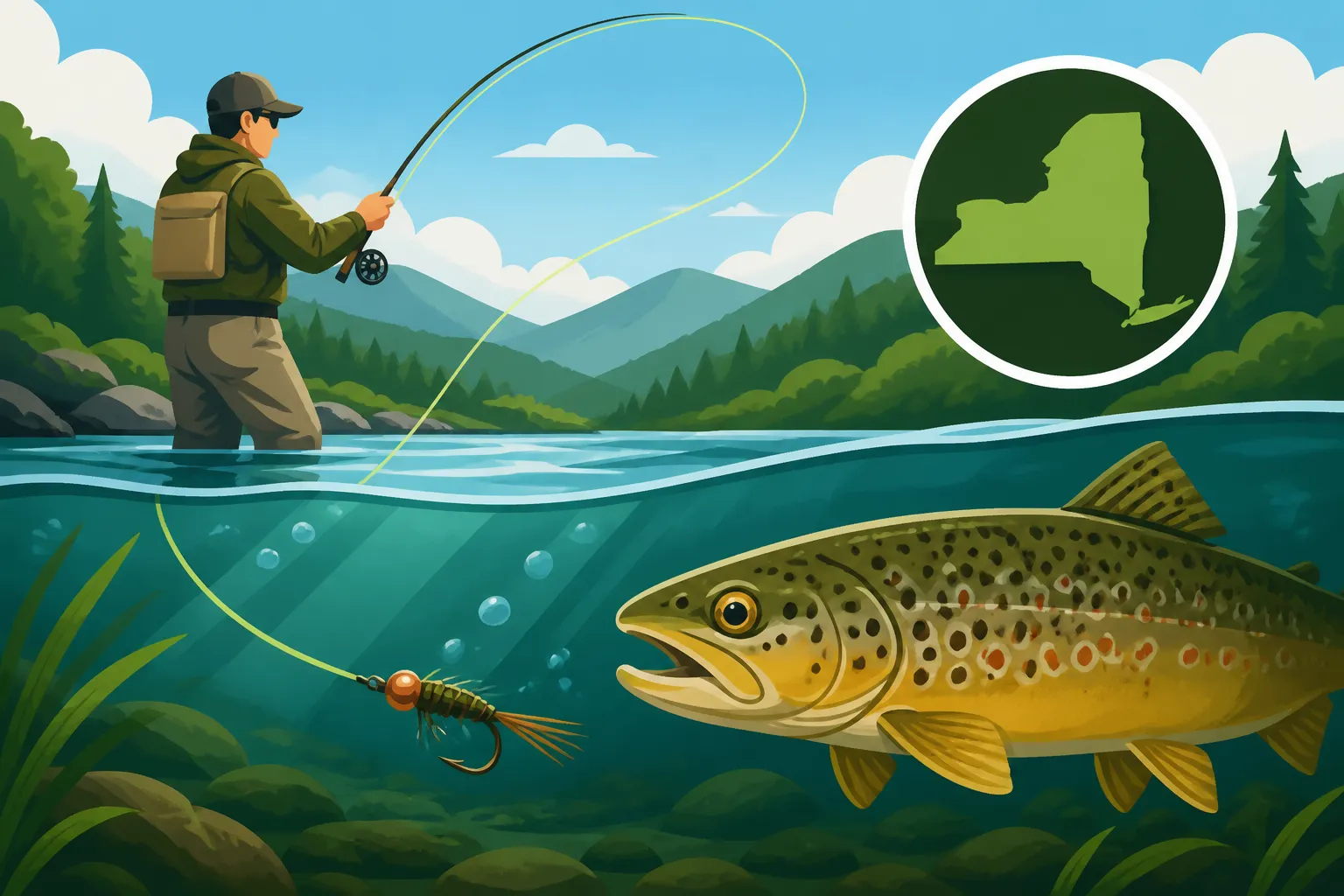
The magic of nymph fishing lies in its ability to mimic the various life stages of aquatic insects. Before a mayfly, caddisfly, or stonefly emerges into its adult winged form, it spends a significant portion of its life as a nymph or larva clinging to rocks and vegetation on the stream bed. These immature insects are a constant, reliable food source for trout. A well-tied nymph fly, with its segmented body, tiny legs, and subtle movement, looks incredibly lifelike to a discerning trout.
Choosing the right nymph isn't just about matching the specific insect; it's also about matching its size, color, and behavior. For instance, a small, dark pheasant tail nymph might imitate a mayfly during cooler months, while a larger, olive caddisfly larva pattern could be deadly in late spring. This attention to detail, while sometimes daunting for beginners, is what separates a good nymph angler from a great one. You're not just casting a hook; you're presenting a believable imitation of the food they're already expecting. Learning about New York's Trout Species Explained can help you tailor your approach.
Advantages Over Dry Fly or Streamer Fishing
While dry fly fishing offers the exhilarating visual of a surface strike and streamer fishing can entice aggressive predatory takes, nymphing often boasts a higher catch rate and consistency. The reason is simple: trout feed subsurface almost constantly. Dry fly fishing is largely dependent on specific hatches, which can be sporadic and short-lived. If there's no hatch, trout aren't looking up, making dry flies largely ineffective.
Streamer fishing, while excellent for targeting larger, more aggressive trout, requires a fish to actively chase and strike a moving target. Nymphing, on the other hand, presents a more passive, natural drift, mimicking insects swept along by the current. This often makes it less intimidating and more enticing for wary trout. Think of it this way: a streamer is like a sudden chase, while a nymph is a ready-made meal floating right into their mouth. On many days on the Beaverkill River or other Catskills streams, nymphing will out-produce all other methods by a significant margin, especially when the water is a bit colder or off-color.
Essential Gear for a Successful Nymph Fishing Setup
Having the right tools for nymphing can make a world of difference. While you might already own a fly rod, certain characteristics of nymphing gear can enhance your ability to detect subtle takes and maintain a natural drift. Don't worry, you don't need to break the bank, but investing in a few key items will significantly improve your experience.
Rods, Reels, and Lines Designed for Nymphing
For nymph fishing, a longer, lighter rod is often preferred. A 9 to 10-foot rod in a 3 to 5-weight range gives you better line control, allowing for longer, more accurate drifts and superior mending capabilities. This extra length helps you keep more line off the water, reducing drag and letting your nymphs drift naturally with the current. While a standard 9-foot 5-weight will work, a specialized nymphing rod, sometimes called a "Euro Nymphing" rod, offers even more sensitivity and control. You can often find great options for a Best Rod Weight for New York Trout Streams that are versatile enough for nymphing on retailers like Amazon.
Your reel choice is less critical for nymphing than for dry fly or saltwater scenarios, as you're primarily fighting fish with the rod rather than relying heavily on the reel's drag. However, a lightweight reel that balances your rod well is always a good idea. As for fly line, a weight-forward floating line is standard. Some anglers prefer specific nymphing lines that have a thinner diameter or a longer front taper for more delicate presentations. The key is to have a line that floats high and is easy to mend, allowing your nymphs to sink quickly and naturally.
Choosing the Right Nymphs and Strike Indicators
The world of nymphs is vast, but you don't need every pattern under the sun. Start with a selection of proven patterns in various sizes and weights. Good foundational nymphs include the Pheasant Tail, Hare's Ear, Prince Nymph, Copper John, and Caddisfly Larva imitations. Having these in sizes ranging from #12 down to #20 will cover most situations you'll encounter in New York's waters. Consider both beaded and unweighted versions, as beadheads sink faster and add a crucial "hot spot" attraction. You might even find comprehensive nymph assortments or fly boxes on Amazon that are specifically curated for trout.
Strike indicators are also indispensable for nymphing, acting as your "bobber" to signal subtle takes. There are many types, from simple yarn indicators to highly visible foam designs and even specialized sighter material for Euro Nymphing. The key is to choose an indicator that is buoyant enough to support your nymphs but sensitive enough to show the slightest hesitation or twitch when a trout takes your fly. Sometimes, a tiny pause in its drift or a slight dip is all you'll get, so a good indicator is your best friend.
Leader and Tippet Selection for Stealth and Strength
Your leader and tippet setup are crucial for successful nymphing, especially when fishing for wary trout in clear water. A longer leader, typically 9 to 12 feet, helps separate your fly line from your nymphs, reducing spooking and allowing for a more natural drift. Many anglers build their own tapered leaders for nymphing, using a heavier butt section that gradually tapers down to finer tippet. This helps transfer energy from your cast smoothly and allows your nymphs to sink more naturally.
For tippet, fluorocarbon is often the material of choice due to its near-invisible properties underwater and its faster sink rate compared to monofilament. Carrying spools of 4X, 5X, and 6X fluorocarbon tippet will cover most situations, allowing you to adjust for water clarity and fish size. In clear, low-water conditions, going down to 6X might be necessary, even for larger trout. Remember, even a slight glint or a heavy line can put fish off their feed. Learning about New York Freshwater Fishing Rules regarding line strength can be beneficial, though generally tippet sizes are well within limits.
Mastering Nymph Fishing Techniques for New York Streams
Once you have your gear sorted, it's time to put it to use. Nymph fishing is a technique that rewards observation, precision, and a bit of practice. The goal is always the same: present your nymph naturally, detect the strike, and land the fish.
Reading the Water and Pinpointing Trout Lies
The ability to "read the water" is perhaps the most critical skill in any form of trout fishing, and it's especially true for nymphing. Trout hold in specific locations to conserve energy and ambush food. Look for seams where fast water meets slow water, the tailouts of pools where food bottlenecks, pockets behind large boulders, or undercut banks where trout can hide and feel secure. Areas with varying current speeds often create ideal feeding lanes.
Don't neglect the shallow edges and riffles, particularly in low light conditions or during certain hatches. Trout are often closer than you think, and a precise cast into a small pocket can yield big results. On famous streams like the Salmon River or the Genesee River, knowing where trout stack up in different flows will give you a significant advantage. Spend time observing the water before you cast; watch how the currents move and where natural debris gathers. This visual information will guide your casts.
The Perfect Cast and Achieving a Drag-Free Drift
Achieving a drag-free drift is the holy grail of nymph fishing. This means your nymph needs to move at the exact same speed as the surrounding current, without being pulled or pushed unnaturally by your fly line. Any unnatural movement, known as "drag," will immediately alert a trout that something is amiss, and they'll refuse your offering. A good nymph cast starts upstream of your target, allowing your flies to sink to the appropriate depth before they reach the fish.
As your nymphs drift downstream, you'll need to "mend" your line. Mending involves lifting and repositioning your fly line on the water to eliminate sag or loops that could cause drag. If your line is pulling your indicator faster or slower than the current, a mend is needed. It's a continuous process, almost like a subtle dance with the river. Practice casting upstream, letting your flies sink, and making small, timely mends to ensure your indicator and nymphs float at the speed of the current. You can learn more about general casting techniques in a guide on How to Fly Fish in New York.
Detecting Strikes and Landing Your Catch
Detecting a strike while nymph fishing is often the most challenging aspect for beginners. Unlike a dramatic dry fly take, a nymph strike can be incredibly subtle – a slight hesitation of your indicator, a tiny twitch, or even just your indicator seeming to "stop" for a split second. Sometimes, you won't see anything at all, just a feeling of weight on your line. It takes practice and vigilance to recognize these minuscule signals. Always assume any unusual movement or pause of your indicator is a fish, and set the hook with a quick, upward flick of your wrist.
Once you've hooked a fish, the fight is on! Keep your rod tip high to maintain tension and absorb the trout's runs and head shakes. Avoid horsing the fish in, especially on lighter tippets. Let the rod do the work, and use the reel to retrieve line when the fish allows. Be mindful of obstacles in the water that the fish might try to use to break free. Landing nets are invaluable for securing your catch quickly and safely, minimizing stress on the fish. Remember to always handle trout with wet hands, particularly if you're practicing catch and release, which is common in many of the delicate trout waters of New York.
Troubleshooting Common Nymph Fishing Challenges
Even experienced nymph anglers encounter challenges. The river environment is constantly changing, and what worked yesterday might not work today. Being able to quickly diagnose and adjust your approach is a hallmark of a skilled angler.
Dealing with Unwanted Drag and Poor Presentation
Drag is the nemesis of every nymph angler. If you're not getting bites and you suspect drag is the culprit, start by re-evaluating your casting and mending technique. Are you casting too far? Are you over-mending or under-mending? Sometimes, simply changing your casting angle or moving your position on the bank can dramatically improve your drift. A longer leader can also help by creating more separation between your fly line and your nymphs.
Another common cause of drag is too much slack line on the water. Try to keep only the necessary amount of line on the surface to maintain contact with your indicator. If you're using multiple nymphs, ensure they are spaced adequately to prevent tangles and allow them to sink independently. On some stretches of the Ausable River or other famous trout waters, tricky currents can make drag-free drifts exceptionally difficult, requiring constant, small adjustments.
Adjusting Depth and Weight for Varying Conditions
If you're not getting takes, your nymphs might not be at the correct depth. Trout are often hugging the bottom, especially in colder water or during high flows. If your indicator is floating freely without periodically bumping the bottom, you might need to add more weight. This can be done by adding split shot above your leader, or by switching to heavier, beadhead nymphs. Remember that New York Freshwater Fishing Rules often specify limitations on weight for certain areas.
Conversely, if you're constantly snagging the bottom, you might have too much weight or be fishing too deep. Adjust by removing some split shot or switching to lighter nymphs. Water conditions play a huge role here: faster, deeper water requires more weight, while slower, shallower runs require less. Don't be afraid to experiment with different depths until you start feeling those subtle bumps that indicate your nymphs are getting down to where the fish are holding.
When to Change Nymphs or Relocate Your Fishing Spot
Sometimes, despite your best efforts with drag-free drifts and correct depth, the trout just aren't interested. This is when it's time to consider changing your nymph pattern. Start by altering the size or color of your current fly. If that doesn't work, try a completely different pattern that imitates another common insect. Often, a subtle change in profile or flash can trigger a strike. It's a good idea to have a selection of flies on hand, perhaps a comprehensive set you acquired from Amazon, to quickly pivot your strategy.
If changing flies still yields no results, it might be time to move to a different section of the river. Trout can be incredibly localized, and what's a hot spot one day might be barren the next. Don't waste too much time on unproductive water. Move upstream or downstream, look for different types of holding water, or explore a new pool entirely. Remember, part of the adventure of trout fishing in New York is discovering new productive water. For instance, New York Trout Season Opening Day Is April 1 brings many anglers to specific spots, but those fish might disperse quickly, requiring you to explore. Knowing How Many Trout Can You Keep Per Day in New York is also crucial when assessing a spot's productivity.
Popular Nymph Patterns for New York Trout
Having a solid arsenal of nymph patterns is key. Here's a quick look at some reliable choices that often perform well in New York's diverse trout waters.
| Nymph Pattern | Primary Imitation | Best Use Conditions | Key Characteristics |
|---|---|---|---|
| Pheasant Tail Nymph | Mayfly Nymphs (various) | Year-round, clear water, slow to medium currents | Slim profile, natural colors, often beaded |
| Hare's Ear Nymph | Mayfly Nymphs, Scuds, Caddis | Year-round, stained water, varied currents | Buggy appearance, shaggy texture, often beaded |
| Prince Nymph | Stonefly, Caddisfly, Mayfly | Year-round, especially good in faster water | Peacock herl body, white biots, attractive flash |
| Copper John | Caddisfly Pupae, Stonefly | Fast water, deep pools, stained conditions | Heavily weighted, wire body, flashy |
| Caddisfly Larva | Caddisfly Larvae (green, tan) | Year-round, especially when caddis are active | Grub-like body, often ribbed, various colors |
| Zebra Midge | Midge Larvae/Pupae | Cold water, winter, highly technical fishing | Tiny, segmented body, black/silver or red/silver |
| San Juan Worm | Aquatic Worms | High water, post-rain, murky conditions | Simple, highly effective, usually red or pink |
This table provides a starting point, but don't be afraid to try local favorites or experiment with new patterns. The key is to have a variety of sizes and weights to adjust to the specific conditions you encounter. Remember, confidence in your fly choice is half the battle!
Final Thoughts on Nymph Fishing for Trout
Nymph fishing for trout is a rewarding discipline that, once mastered, will open up new possibilities on the water. It requires patience, observation, and a willingness to adapt, but the payoff is often a consistently full net, even on days when other methods fail. From the storied waters of the Catskills to the wild streams of the Adirondacks, New York offers incredible trout fishing opportunities, and knowing How to Trout Fish in New York effectively with nymphs will put you squarely in the game. Don't be intimidated by the learning curve; embrace the challenge, refine your techniques, and enjoy the satisfaction of outsmarting those wily trout beneath the surface.
Disclaimer
This article is for general informational purposes only and does not constitute professional advice. Laws, prices and regulations vary by location and change over time. Consult a qualified professional for guidance on your specific situation.