Fishing License Options for Disabled Anglers
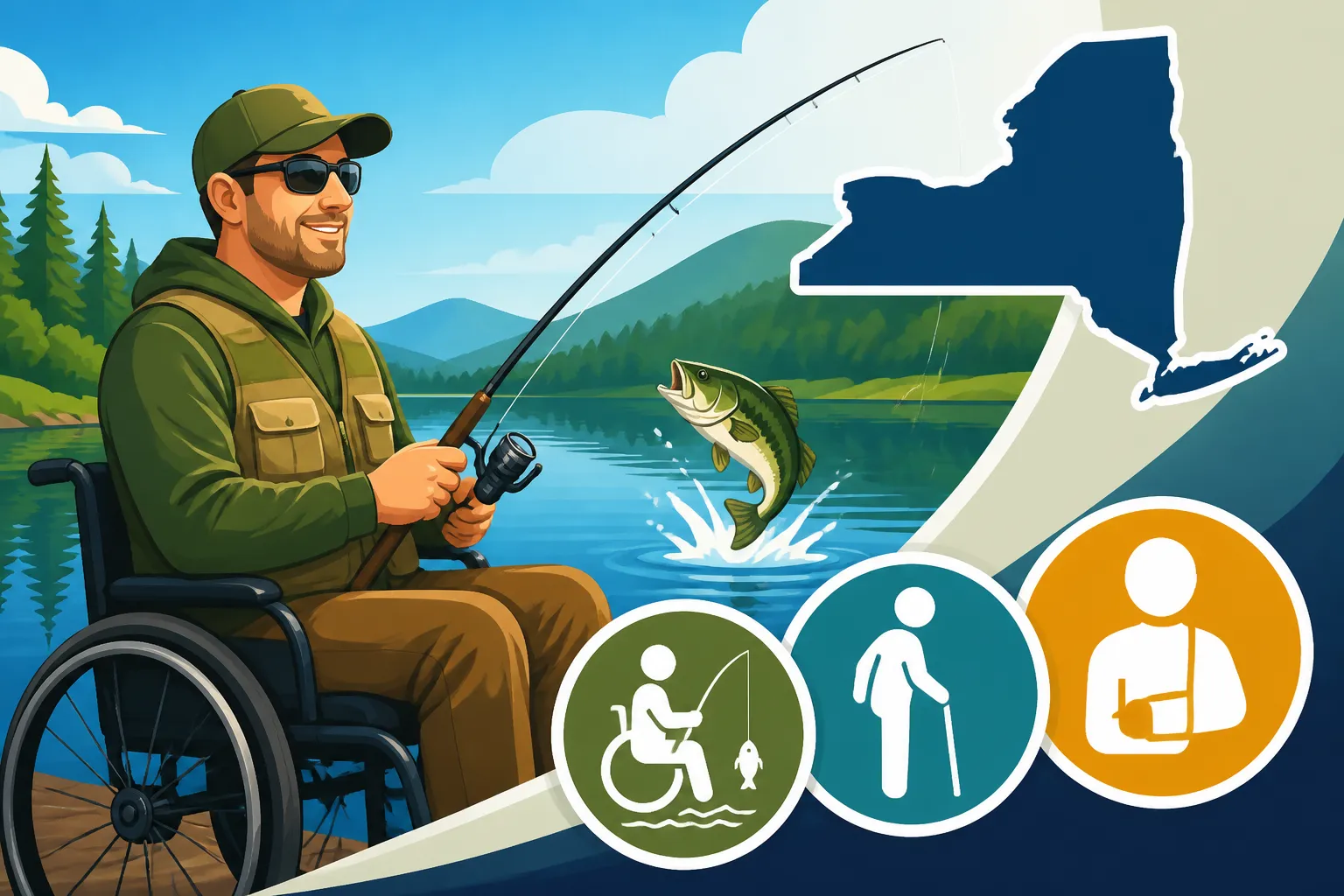
For many, the idea of a peaceful day by the water, rod in hand, is a cherished dream. But for disabled anglers, that dream can often come with a frustrating maze of physical limitations, accessibility issues, and confusing regulations. It's tough enough to find the right spot and the right bait, let alone navigate the specific requirements for a fishing license when you have a disability. This comprehensive guide is here to cut through the confusion, detailing the various fishing license options, exemptions, and resources available to disabled anglers in New York State, so you can spend less time worrying and more time fishing.
Navigating the Waters: Understanding Challenges for Disabled Anglers
Fishing is an incredible activity that offers peace, challenge, and connection with nature, but for individuals with disabilities, it's not always as straightforward as it sounds. There are often unique hurdles that can make getting out on the water, or even just securing a license, feel like an uphill battle. It's important to acknowledge these challenges so we can better understand how New York State aims to address them.
Overcoming Physical Barriers to the Waterfront
Imagine the excitement of heading to your favorite fishing hole, only to find the path to the water is a steep, uneven trail, or the pier you planned to use has no ramp, just stairs. This is a common reality for many disabled anglers. Access to prime fishing locations can be severely limited by rough terrain, lack of paved paths, inadequate parking, or unsupportive docks and shorelines. Think about a wheelchair user trying to cast from a rocky bank, or someone with limited mobility attempting to climb over logs to reach a stream. These physical barriers aren't just inconveniences; they can make an otherwise enjoyable activity completely impossible. The physical layout of many natural spaces, designed long before accessibility was a widespread consideration, unfortunately, creates significant obstacles.
Specialized Gear and Equipment Considerations
Beyond access, the actual act of fishing often requires specific adaptations. Standard fishing rods and reels might be difficult to hold or operate for someone with limited hand dexterity or arm strength. Setting up lines, baiting hooks, and even reeling in a catch can become monumental tasks without the right tools. Adaptive fishing equipment isn't always easy to find, nor is it cheap. Sometimes, a simple modification like a rod holder that attaches to a wheelchair, or a specialized grip for a reel, can make all the difference. Many anglers resort to custom solutions, which require time, research, and often a significant investment. The lack of readily available, affordable adaptive gear can be another barrier to entry, leaving many feeling left out of the sport. You might find some useful adaptive gear options on platforms like Amazon, but it often requires careful searching.
The Importance of Community and Support
Fishing, while often a solitary pursuit, also thrives on community. Sharing stories, tips, and experiences with fellow anglers is a huge part of the fun. However, for disabled anglers, finding a supportive community can sometimes be difficult. There might be concerns about being a burden, or simply not knowing where to find groups or individuals who understand their specific needs and challenges. This can lead to feelings of isolation, rather than the camaraderie that fishing often fosters. Having a network of fellow disabled anglers, or even just understanding friends and family, can provide invaluable emotional support, practical advice, and motivation to keep casting lines. Building these connections is just as crucial as having the right equipment or access.
New York's Commitment to Accessible Fishing
Recognizing these challenges, the New York State Department of Environmental Conservation (DEC) and various other organizations have made significant strides in ensuring that fishing is a welcoming and achievable activity for everyone. Their efforts span from policy and infrastructure to community programs, all aimed at fostering a more inclusive environment for disabled anglers.
DEC's Initiatives for Inclusive Angling
The New York DEC plays a pivotal role in promoting accessible outdoor recreation, including fishing. They understand that a diverse group of anglers enriches the sport for everyone. One of their key initiatives involves actively reviewing and updating regulations to include provisions for individuals with disabilities, such as the specific license exemptions we'll dive into later. Beyond that, the DEC works to integrate accessibility into the planning and construction of new fishing access sites, ensuring that ramps, accessible parking, and level pathways are standard. They also publish resources and guides that highlight accessible locations, making it easier for disabled anglers and their families to plan their outings. This proactive approach by the DEC truly sets a positive tone for inclusive angling throughout the state, often detailed in resources like the New York Fishing License Guide.
Identifying Accessible Fishing Locations and Piers
Perhaps one of the most tangible ways New York supports disabled anglers is through the development and maintenance of accessible fishing sites. Across the state, you'll find numerous locations that feature paved access to the water, accessible fishing platforms, piers with railings, and even modified boats. These sites are designed to accommodate wheelchairs, walkers, and individuals with limited mobility, allowing them to safely and comfortably enjoy the fishing experience. For example, many state parks and public access points along rivers and lakes now boast ADA-compliant facilities, including accessible restrooms and picnic areas. Knowing where these spots are located is half the battle, and the DEC often provides detailed lists and maps on their website. For those looking for specific options, you might even find resources like Best Handicap-Accessible Fishing Spots in New York outlining prime accessible fishing opportunities.
Adaptive Fishing Programs and Events
Beyond static infrastructure, New York also hosts and supports various adaptive fishing programs and events. These programs are often run by non-profit organizations, local conservation groups, or even fishing clubs, sometimes in partnership with the DEC. They provide opportunities for disabled individuals to learn fishing techniques, try out adaptive equipment, and connect with experienced mentors in a supportive environment. Many events offer specialized instruction, accessible boats, and volunteers who can provide assistance with baiting, casting, and reeling. These programs are invaluable for fostering confidence and independence, introducing newcomers to the sport, and rekindling the passion for those who thought their fishing days might be over due to disability. They truly embody the spirit of inclusion, transforming perceived limitations into exciting new possibilities.
Unpacking New York's Fishing License Options for Disabled Anglers
Navigating the various fishing license types can be confusing for anyone, but when you add in considerations for disabilities, it can feel like a whole new level of complexity. Thankfully, New York State offers specific provisions and exemptions designed to make fishing more accessible and affordable for disabled residents and veterans. Understanding these options is key to ensuring you're properly licensed without unnecessary hassle.
Permanent Disabled Angler License: Eligibility and Benefits
New York State offers a special "Permanent Disabled Angler License" specifically for residents with qualifying permanent disabilities. This isn't just a discount; it's a permanent license that significantly reduces the financial burden and the annual renewal hassle. The eligibility for this license is generally based on receiving federal Supplemental Security Income (SSI) or Social Security Disability (SSD) benefits, or meeting certain criteria for a permanent, total disability as certified by a physician.
The benefits are substantial:
- Cost Savings: The license is typically offered at a reduced fee, often a nominal processing charge, making fishing significantly more affordable long-term.
- Lifetime Validity: Once approved, this license doesn't expire annually. This means no more remembering renewal dates or scrambling to buy a new license each year. It truly offers peace of mind.
- Convenience: For many disabled anglers, the effort of getting to a license vendor or navigating online systems can be challenging. A permanent license eliminates this recurring task.
To qualify, applicants usually need to provide documentation from the Social Security Administration or a physician's statement detailing the nature of their permanent disability. It's a fantastic program that demonstrates New York's commitment to supporting its disabled residents in enjoying the outdoors. More details can often be found in the comprehensive guide on New York Fishing License Types Explained.
Exemptions for Veterans with Disabilities
New York State also deeply respects and supports its veterans, especially those who have incurred disabilities while serving our nation. As such, there are specific exemptions and reduced-cost licenses available for qualifying disabled veterans. This is a well-deserved benefit that acknowledges their sacrifice and ensures they can enjoy the restorative power of fishing.
The criteria typically revolve around the veteran's disability rating from the U.S. Department of Veterans Affairs (VA). Generally, veterans with a service-connected disability rating of 40% or more, or those who are totally disabled, may be eligible for a free or significantly reduced-cost fishing license. This exemption often applies to both freshwater fishing licenses and the marine fishing registry, offering comprehensive coverage.
To apply, veterans will need to provide official documentation from the VA verifying their disability rating. This process is usually straightforward and can often be completed through various license issuing agents or directly with the DEC. It's a small but meaningful way to give back to those who have given so much. For further details on eligibility and how to apply, exploring resources like Free License Eligibility for Disabled Veterans can be incredibly helpful.
Special Provisions for Legally Blind Anglers
Another important group that receives special consideration in New York State fishing regulations is individuals who are legally blind. Recognizing the unique challenges faced by visually impaired anglers, the state offers specific exemptions to ensure they can also participate in the sport.
Under current New York State regulations, residents who are legally blind are often exempt from needing a freshwater fishing license altogether. This means they can fish in freshwater bodies without purchasing a license, provided they meet the legal definition of blindness as certified by a medical professional or recognized agency. This exemption significantly reduces both the financial and administrative burden.
While the freshwater license may be waived, it's always wise for legally blind anglers to carry some form of identification and proof of their legal blindness, just in case they are questioned by law enforcement or a DEC officer. These provisions truly underscore the state's dedication to making outdoor recreation accessible to all its citizens, regardless of their visual impairment.
The New York State Recreational Marine Fishing Registry
When it comes to saltwater fishing, New York has a slightly different system. Instead of a traditional license, residents and non-residents alike are required to register annually with the New York State Recreational Marine Fishing Registry. The good news for disabled anglers is that for those who qualify for a permanent disabled freshwater fishing license or a disabled veteran exemption, the marine fishing registry is also typically free.
This registry is crucial for managing saltwater fish populations and is usually required for anyone age 16 or older who fishes in the marine and coastal district waters or for migratory fish in the Hudson River. For disabled anglers, obtaining this free registration involves a similar process to their freshwater license, often requiring submission of the same disability documentation.
The process to sign up for the marine registry is generally simple and can be done online, by phone, or in person at a license issuing agent. Even though it's free for qualifying disabled anglers, registration is still mandatory. It's important to remember that this is a separate requirement from a freshwater license, so if you plan to fish in both freshwater and saltwater, you'll need to address both. For a deeper dive into this, check out the New York Saltwater Fishing Registration Guide or Is the Marine Fishing Registry Really Free?.
Here’s a quick overview of the main license options and their general requirements:
| License Type | Eligibility | Benefits | Cost (approx.) | Notes |
|---|---|---|---|---|
| Permanent Disabled Angler | NY Resident, receive SSI/SSD, OR permanent total disability (physician cert.) | Lifetime freshwater license, convenience | Nominal fee (e.g., $5) | Requires proof of disability |
| Disabled Veteran Exemption | NY Resident Veteran with 40%+ service-connected disability rating (VA cert.) | Free annual freshwater license & marine registry | Free | Requires VA disability documentation |
| Legally Blind Exemption | NY Resident, legally blind (medical cert.) | Exempt from freshwater license requirement | Free | Proof of legal blindness should be carried |
| Marine Fishing Registry | Required for all saltwater anglers 16+ | Allows saltwater fishing in NY | Free for qualifying disabled anglers; otherwise $10 | Separate from freshwater license, still required even if freshwater exempt |
Note: Specific eligibility criteria and fees can change, so always verify the latest information with the NYS DEC before applying.
Step-by-Step: Applying for Your Disabled Angler Fishing License
Applying for any fishing license can sometimes feel a bit like wading through murky waters, but when you're looking for specific disabled angler options, it can seem even more complicated. The good news is that New York State has a relatively clear process, and once you understand the steps and gather your documentation, it’s quite manageable. Let's break it down to make sure you're well-prepared.
Essential Documentation and Proof of Disability
The most crucial part of applying for a disabled angler license or exemption is having the correct documentation ready. Without it, your application won't be processed, and you'll be back to square one. What you need will depend on the specific type of disability benefit or exemption you're seeking:
- For the Permanent Disabled Angler License: You'll typically need an official letter from the Social Security Administration (SSA) confirming your receipt of Supplemental Security Income (SSI) or Social Security Disability (SSD) benefits. If you don't receive these benefits but have a permanent, total disability, you'll need a statement from a licensed physician (MD or DO) on their letterhead. This statement must clearly state the nature of your permanent and total disability and certify that it prevents you from engaging in any substantial gainful activity.
- For Disabled Veteran Exemptions: The key document here is official proof from the U.S. Department of Veterans Affairs (VA) detailing your service-connected disability rating. This usually comes in the form of a letter from the VA outlining your percentage of disability (typically 40% or more, or 100% total disability for full exemption).
- For Legally Blind Exemptions: You will need a certification from a licensed ophthalmologist or other recognized medical authority, or an official document from a recognized agency for the blind (like the NYS Commission for the Blind) confirming your legal blindness.
Always make sure these documents are current and contain all necessary official stamps or signatures. It's often a good idea to have both the original and a photocopy, as some agencies might require a copy for their records. Gathering these upfront will save you a lot of back-and-forth later on, and streamline the process of how to get a fishing license in New York.
Where to Submit Your Application
Once you have your documentation in hand, it's time to apply. New York State offers several convenient ways to do this:
- Online through the DECALS System: The quickest and often easiest method for many is to use the DEC's online licensing system, DECALS (Department of Environmental Conservation Automated Licensing System). While initial setup might require proof of disability to be mailed or uploaded, subsequent renewals for annual disabled veteran licenses are often simpler. You'll create an account, navigate to the license section, and follow the prompts for disabled angler options.
- In-Person at a License Issuing Agent: Many town and county clerk offices, as well as some sporting goods stores like those found through an Amazon search for local outdoor retailers, are official DEC license issuing agents. This can be a great option if you prefer face-to-face assistance or have questions. Just be sure to call ahead to confirm their hours and that they process disabled angler applications, as some smaller agents might have limited services. Bring all your original documentation, as they may need to verify it.
- By Mail to the DEC: If online or in-person options are not feasible, you can also mail your application and supporting documents directly to the DEC’s License Sales Unit. This method takes longer, so plan accordingly, especially if you have a specific fishing trip in mind. The DEC website will provide the correct mailing address and downloadable forms.
Regardless of the method, ensure you fill out all forms accurately and completely. Incomplete applications are the leading cause of delays.
What to Expect After Application
After you've submitted your application and documentation, a waiting period is usually necessary for processing.
- Online Applications: If applying online, especially for renewals or if your disability status is already on file, you might receive an immediate electronic confirmation or a printable temporary license. A physical license card (if applicable) would then be mailed to you within a few business days.
- In-Person Applications: When applying at a license issuing agent, if all your documentation is in order, they can usually issue your license on the spot. You'll walk out with your physical license card, ready to fish.
- Mail Applications: This method generally has the longest processing time, typically a few weeks. The DEC will review your documents, process your request, and then mail your license. It's crucial to factor this timeline into your plans if you choose to apply by mail.
In all cases, once your license is approved and issued, you'll typically receive a physical card or a printable document. Remember, you are required to carry proof of your fishing license while fishing. While some states accept a digital version on your phone, it's always safest to have a physical copy. Keep it with you, along with your proof of disability if it's an exemption-based license, to avoid any misunderstandings with enforcement officers.
Beyond the License: Enhancing Your Accessible Fishing Experience
Obtaining the correct fishing license is a fantastic first step, but a truly fulfilling fishing experience for disabled anglers goes well beyond just the permit. It involves thoughtful preparation, utilizing available resources, and sometimes, a little ingenuity to overcome challenges. Let's explore how you can further enhance your time on the water.
Investing in Adaptive Fishing Equipment
The right gear can transform a challenging outing into an enjoyable one. Standard fishing equipment isn't always designed with varying physical abilities in mind, but the market for adaptive fishing equipment has grown considerably. From simple modifications to specialized systems, there's likely a solution for many needs.
Consider:
- Rod Holders: These are indispensable for anglers with limited hand strength, grip, or a need for hands-free operation. They can attach to wheelchairs, boat railings, or even sit on the ground, allowing for stable rod positioning. Look for adjustable models that allow you to change the angle and height of your rod.
- Specialized Grips and Handles: For those with dexterity issues, larger, ergonomic grips for rods and reels can make holding and operating equipment much easier. Some systems even integrate power-assisted reeling mechanisms.
- Casting Aids: Devices that assist with casting can range from simple slings to spring-loaded mechanisms that help propel bait and line. These are invaluable for anglers who struggle with the traditional casting motion.
- Electric Reels: While a significant investment, electric reels can be game-changers for individuals with severe limitations in arm or hand movement, taking the effort out of retrieving line and fighting fish.
- Accessible Tackle Boxes: Look for lightweight, easy-to-open tackle boxes with clear compartments that allow for quick access without fumbling. Magnetic trays can also prevent small hooks or weights from scattering.
Before making a significant purchase, it's a good idea to research reviews and, if possible, try out different adaptive equipment. Online retailers like Amazon offer a wide range of options, but specialized adaptive sports stores might provide more tailored advice. Remember, even a small, affordable piece of adaptive gear can make a huge difference in your fishing comfort and success.
Maximizing Opportunities at Accessible Sites
New York State has invested in creating numerous accessible fishing sites, and making the most of these locations is key. These aren't just places where you can get to the water; they're often designed to provide a more comfortable and engaging experience.
When planning your trip to an accessible site, consider:
- Research Specific Amenities: Don't just assume "accessible" means it meets all your needs. Check the DEC website or contact the park/site office to confirm specific features like accessible restrooms, paved paths to the water's edge, fishing platforms with protective railings, or lowered casting areas. Some sites may even have accessible parking spots designated specifically for people with disabilities right next to the fishing area.
- Check Water Depth and Current: Even at an accessible pier, the fishing conditions can vary. Understanding the typical water depth and current can help you choose appropriate tackle and techniques. Some accessible platforms are located over deeper water, perfect for targeting species like trout or panfish.
- Plan for Comfort: Bring appropriate seating, sun protection, and hydration. Even at an accessible site, you might be spending extended periods outdoors, so personal comfort items are essential. If you use a portable ramp or other personal mobility aids, ensure they are compatible with the site's layout.
- Consider Time of Day and Season: Accessible sites can be popular. Visiting during off-peak hours or seasons might offer a more tranquil experience. Also, different fish species are active at different times, so align your visit with the best fishing season dates and catch limits for your target species.
Utilizing resources like the DEC's list of Best Handicap-Accessible Fishing Spots in New York can help you discover new and exciting locations that cater to your specific accessibility needs.
The Role of Companions and Caregivers
While adaptive equipment and accessible sites promote independence, there's no shame in seeking or accepting assistance from a companion or caregiver. In fact, fishing can be a wonderful shared activity that strengthens bonds and creates lasting memories.
A companion can assist with:
- Transportation and Navigation: Helping with getting to and from the fishing spot, especially if it involves unfamiliar routes or uneven terrain, can be invaluable.
- Gear Management: Carrying heavy tackle boxes, bait buckets, or coolers, and helping set up rods can lighten the load significantly.
- Baiting and Unhooking: For those with limited dexterity, baiting a hook or carefully unhooking a fish can be challenging. A companion can step in to provide this crucial assistance.
- Safety: Having an extra set of eyes and hands can enhance safety, especially near water or in variable weather conditions. They can help with balance, provide emergency assistance, or simply be there for moral support.
- Social Connection: Fishing with a friend or family member transforms the experience into a social outing, fostering connection and shared enjoyment.
Many of New York's fishing regulations also have provisions for companions assisting disabled anglers, so always refer to the latest DEC guidelines to understand any specific rules that might apply. Remember, asking for help isn't a sign of weakness; it's a smart way to maximize your enjoyment and safety on the water.
Connecting and Thriving: Resources for Disabled Anglers
Fishing can be a solitary experience, but the journey of a disabled angler doesn't have to be. There's a vibrant and supportive community out there, along with numerous organizations and resources dedicated to making fishing more accessible and enjoyable for everyone, regardless of their physical challenges. Connecting with these networks can open up new opportunities, offer invaluable advice, and foster a sense of belonging.
Support Organizations and Advocacy Groups
Across New York and the nation, various non-profit organizations and advocacy groups are specifically dedicated to promoting outdoor recreation for individuals with disabilities. These groups often work tirelessly to improve accessibility, provide adaptive equipment, and organize events.
Some notable examples, though specific programs may vary:
- Adaptive Sports Organizations: Many local and regional adaptive sports groups host fishing clinics, tournaments, and outings for disabled individuals. These are fantastic opportunities to learn, practice, and meet fellow anglers. They often have specialized equipment that you can try before investing in your own.
- Veterans' Fishing Programs: Organizations like Project Healing Waters Fly Fishing or local VFW/American Legion posts frequently organize fishing trips for disabled veterans, offering a therapeutic outlet and camaraderie.
- Conservation Groups: Mainstream conservation organizations, like Trout Unlimited or Ducks Unlimited, increasingly have initiatives to promote accessibility and may offer resources or host events welcoming disabled anglers.
These groups not only provide direct services but also advocate for policy changes and funding to improve accessible infrastructure, such as better boat launches or Best Fishing Piers in New York City with accessible features. Engaging with them can provide a wealth of information and support, and help you feel more connected to the broader angling community.
Specialized Fishing Charters and Guides
While many anglers enjoy the independence of fishing on their own, a specialized fishing charter or guide can offer an unparalleled experience, especially for those with specific accessibility needs. These professionals are often equipped with accessible boats, adaptive gear, and the expertise to ensure a safe and successful trip.
When looking for a specialized guide or charter:
- Inquire About Accessibility: Explicitly ask about the boat's accessibility features, such as ramps, wider decks for wheelchairs, accessible restrooms, or specialized seating. Don't assume.
- Discuss Your Specific Needs: Be open about your physical limitations and what kind of assistance you might require. A good guide will be experienced in accommodating diverse needs and will tailor the trip accordingly.
- Ask About Adaptive Equipment: Many guides or charters specializing in disabled angling will have adaptive rods, reels, and other equipment on board. This allows you to try out different gear without the upfront cost of purchase.
- Check for Experience with Your Target Species: If you're hoping to catch a particular type of fish, ensure the guide has experience with that species in accessible settings. For instance, if you're interested in salmon, you might look for Lake Ontario Fishing Charters in New York that specifically cater to disabled anglers.
- Read Reviews and Get Referrals: Look for reviews from other disabled anglers or ask support groups for recommendations. Personal referrals can be the best way to find a truly exceptional and understanding guide.
While specialized charters might come with a higher price tag than a standard trip, the peace of mind, expert assistance, and tailored experience can be well worth the investment, allowing you to focus purely on the joy of fishing.
Online Communities and Information Hubs
In today's digital age, online communities have become powerful tools for connecting people with shared interests and challenges. For disabled anglers, these online platforms offer a wealth of information, support, and camaraderie.
Look for:
- Dedicated Forums and Social Media Groups: Many Facebook groups, Reddit communities, and specialized forums are dedicated to adaptive fishing. These are excellent places to ask questions, share tips on adaptive gear (perhaps even finding reviews on Amazon for certain products), discuss accessible locations, and connect with fellow anglers facing similar challenges.
- Blogs and Websites: Numerous blogs and websites focus on accessible outdoor recreation, often featuring articles, reviews, and personal stories from disabled anglers. The DEC website is also a crucial hub for official information regarding New York Fishing Regulations Explained and accessible sites.
- YouTube Channels: Visual learners can benefit greatly from YouTube channels that showcase adaptive fishing techniques, accessible locations, and reviews of specialized equipment. Seeing how others manage their fishing can be incredibly inspiring and educational.
These online hubs serve as vital resources for sharing knowledge, finding mentors, and fostering a strong sense of community. They can help break down geographical barriers and connect disabled anglers from across New York and beyond, ensuring that no one feels alone on their fishing journey.
Disclaimer
Please note that fishing regulations, license requirements, and eligibility criteria for disabled angler programs in New York State can change. While this guide provides comprehensive and up-to-date information at the time of publication, it is always your responsibility to verify the latest rules and regulations with the New York State Department of Environmental Conservation (DEC) directly before planning your fishing trips or purchasing licenses. This content is for informational purposes only and does not constitute legal advice.