New York Combination Hunting and Fishing License
It can feel like a real headache trying to keep track of all the different licenses and permits required to enjoy New York's incredible outdoors, especially if you're passionate about both hunting and fishing. Juggling separate applications, expiration dates, and sets of rules is a common frustration for many of us. This comprehensive guide will walk you through everything you need to know about the New York Combination Hunting and Fishing License, making it easier to pursue your outdoor adventures with confidence.
What Exactly Is a Combination License?
For many New Yorkers who love both the thrill of the hunt and the peaceful pursuit of fish, the idea of simplifying their licensing requirements is incredibly appealing. That's precisely where the New York Combination Hunting and Fishing License comes in. It's designed to be a single, all-encompassing permit that grants you the legal authority to engage in both freshwater fishing and various hunting activities across the state. Think of it as your golden ticket to a wider range of outdoor experiences without the hassle of managing multiple individual documents. This combination license isn't just about convenience; it often represents a smart financial choice too, bundling the costs of two separate licenses into one, usually at a discounted rate. It’s tailored for the dedicated outdoors person who regularly participates in both activities throughout the year.
Combining Two Passions
The fundamental purpose of the combination license is to serve the angler who also hunts, or the hunter who also fishes, providing a seamless way to stay legal for both. Instead of purchasing a standalone annual fishing license and then a separate annual hunting license, you get one document that covers both. This means less paperwork to keep track of, fewer dates to remember for renewal, and a generally more streamlined approach to enjoying New York's vast natural resources. Imagine heading out for an early spring trout stream and knowing your license also covers that deer hunt you're planning for the fall, all on one piece of paper. It truly simplifies the logistics for those who embrace the full spectrum of New York's sporting opportunities.
Understanding the Convenience Factor
The convenience of a combination license goes beyond just having one piece of paper. It means a single transaction at a license issuing agent or through the New York State Department of Environmental Conservation (DEC) online portal. When you renew your New York fishing license online, you can often renew your hunting privileges at the same time, saving you precious hours that could be better spent scouting new fishing spots or practicing your shooting. This integrated approach also helps prevent accidental lapses in coverage, ensuring you’re always compliant whether you’re casting a line in Lake Ontario or tracking game in the Adirondacks. For anyone who feels like their outdoor hobbies sometimes come with a side of administrative burden, the combination license is a welcome relief, allowing you to focus more on the experience itself and less on the red tape.
Benefits and Drawbacks of the Combo License
While the combination license offers significant advantages, it's also important to understand where it might not be the perfect fit for everyone. For the vast majority of active sportsmen and women in New York, the benefits truly outweigh any minor inconveniences. However, if your outdoor pursuits are very specific or sporadic, you might want to carefully consider if it aligns with your personal habits.
Streamlined Management and Savings
One of the most appealing aspects of the combination license is the potential for cost savings. Typically, purchasing a combination license is less expensive than buying an annual hunting license and an annual fishing license separately. This can add up, especially over several years. For instance, a resident angler might pay a certain amount for their freshwater fishing privileges, and a resident hunter another for their big game and small game tags. The combination essentially gives you a discount for being a dual enthusiast. Beyond the financial aspect, the simplicity of having just one license to carry and manage is a huge plus. You don't have to worry about whether you grabbed the right card for the day's activity or if one of your licenses has expired while the other is still valid. It simplifies the entire administrative burden, freeing you up to concentrate on the joy of the outdoors. Plus, when it comes to things like checking regulations or purchasing additional stamps (like a New York Trout Stamp Cost), having a single primary license makes the process feel much more cohesive.
Potential Limitations to Consider
Despite its benefits, the combination license isn't a one-size-fits-all solution. For example, if you only hunt once every few years and fish regularly, or vice-versa, the combination might not offer the best value. You might find that a short-term fishing license, like a New York 7-Day Fishing License or even a New York 1-Day Fishing License, is more economical if your angling is highly infrequent. Also, remember that a combination license covers basic hunting and fishing privileges. It doesn't automatically include all the necessary additional tags or stamps you might need for specific activities, such as a Deer Management Permit (DMP), turkey permits, or waterfowl stamps. These specialized endorsements often need to be purchased separately, even with a combination license. So, while it's a great foundation, always double-check the specific requirements for the game you intend to pursue and the waters you plan to fish, especially when dealing with specific season dates and catch limits.
Eligibility and Requirements for the Combination License
Getting your hands on a New York Combination Hunting and Fishing License isn't as complicated as it might seem, but there are a few key requirements you'll need to meet. It's not just about being a New York resident; specific criteria for hunting education, age, and previous licensing history come into play. Understanding these prerequisites beforehand will save you a lot of time and potential frustration when you go to purchase your license.
Residency and Hunter Education
First and foremost, whether you're a New York resident or an out-of-state visitor will significantly impact the type and cost of your license. New York residents generally benefit from lower fees compared to non-residents. However, residency status isn't the only factor. A critical component for anyone looking to obtain a hunting license in New York, including a combination license, is proof of hunter education. Unless you’ve held a hunting license in New York or another state/province previously, you will need to successfully complete a hunter education course approved by the DEC. This course covers vital topics like firearm safety, wildlife identification, hunting ethics, and New York hunting regulations. It’s designed to ensure that all hunters are safe, responsible, and knowledgeable. These courses are widely available throughout the state, often offered by certified volunteer instructors. Even if you're an experienced angler, this hunter education requirement is non-negotiable for the hunting portion of the combination license.
Age and Other Specifics
Age plays an important role in license eligibility. For fishing, the rules are fairly straightforward: most children under the age of 16 don't need a license to fish in New York. However, for hunting, the minimum age is 12 years old, and specific rules apply to junior hunters. If you're 12 or 13, you can hunt small game and deer (with specific firearm types) under the direct supervision of a licensed parent, guardian, or an experienced adult hunter. At 14 and 15, you can hunt small game and deer (with any legal firearm) with direct supervision. At 16, you can hunt independently. Therefore, a combination license for a younger individual will only activate the fishing privileges fully, with hunting privileges restricted by age and supervision requirements. It's crucial to confirm the specific age limitations and supervision rules outlined in the official New York Fishing Regulations Explained document or the DEC's hunting guide before planning your trips. Keep in mind that for a combination license to truly make sense, you should be legally eligible for both activities, or at least have a clear path to becoming eligible for the hunting portion.
How to Purchase Your New York Combination License
Once you've determined that the New York Combination Hunting and Fishing License is the right choice for you, the next step is actually acquiring it. Thankfully, the DEC has made the process quite accessible, offering several convenient methods to ensure you can get your license without unnecessary delays. Whether you prefer the digital convenience of online transactions or the personal touch of a local vendor, New York has you covered.
Online and In-Person Options
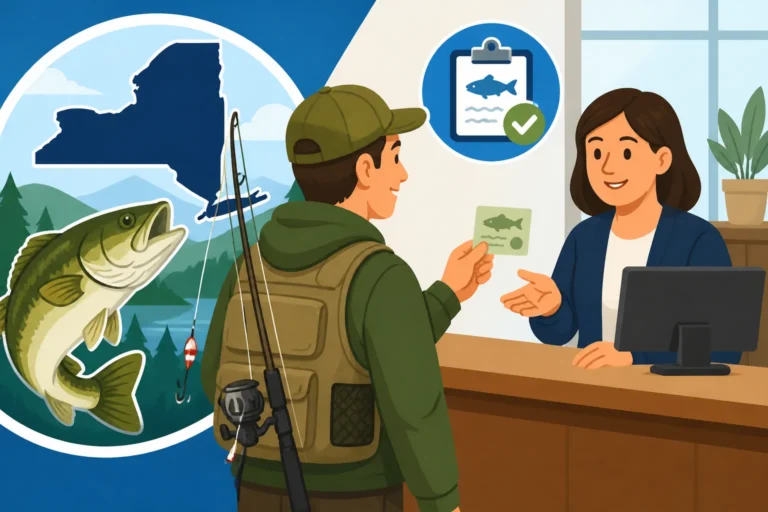
The most popular and often fastest way to purchase your combination license is directly through the New York DEC's online licensing system. This platform is available 24/7, meaning you can buy or renew your license from the comfort of your home, any time of day or night. It’s particularly useful for those who remember their license needs at odd hours or just prefer to avoid a trip to a physical store. Once purchased online, you can usually print a temporary license immediately, which is valid until your official license arrives in the mail, or often, you can carry a digital copy on your phone. For those who prefer a more traditional route, or who need assistance with the process, you can visit any one of the thousands of licensed agents across the state. These agents include many town and county clerks, as well as numerous sporting goods stores like those found at a local Walmart, or independent bait and tackle shops. These vendors are often very knowledgeable and can help you navigate any questions you might have about different license types or specific regulations. You can find a list of New York Fishing License Vendor Locations on the DEC website.
Gathering Your Necessary Documentation
Before you jump online or head to a vendor, make sure you have all your ducks in a row. For existing license holders, renewing a combination license is generally straightforward – you’ll simply need your DEC customer ID number. For first-time purchasers of a hunting license (or a combination that includes hunting), you'll need proof of hunter education. This could be a certificate, an old hunting license from New York or another state, or other acceptable documentation. If you’re purchasing in person, having a valid form of identification, such as a driver's license, is also essential. Payment can typically be made with a credit card online, or cash/card in person, depending on the vendor. It’s always a good idea to double-check the specific requirements on the DEC website or give your local vendor a call ahead of time to confirm what you need to bring. Sometimes, even finding a useful guide or checklist on a platform like Amazon can help you stay organized before your purchase.
Cost and Validity of the Combination License
Understanding the financial outlay and the duration of your New York Combination Hunting and Fishing License is key to planning your outdoor activities. While the exact figures can vary slightly year to year, the general structure of pricing and validity periods remains consistent. It’s important to budget accordingly and be aware of when your privileges expire to avoid any unwelcome surprises or legal issues.
Breaking Down the Price Tag
The cost of a New York Combination Hunting and Fishing License is designed to offer a discount compared to buying the equivalent individual licenses separately. For example, a resident annual hunting license and a resident annual freshwater fishing license each have their own price. The combination license bundles these, typically for a lower total amount. Non-residents will find higher fees for their combination licenses, reflecting the standard practice across most states.
Here’s a general idea of how the costs might compare (prices are illustrative and subject to change, always check the current DEC website for precise figures):
| License Type | Resident Annual Cost (Approx.) | Non-Resident Annual Cost (Approx.) |
|---|---|---|
| Annual Freshwater Fishing | $25 | $50 |
| Annual Hunting (Small & Big Game) | $29 | $100 |
| Annual Combination H&F | $52 | $185 |
Note: These are base prices. Additional stamps or permits (like Deer Management Permits, turkey permits, or waterfowl stamps) are purchased separately and add to the total cost.
As you can see, for a resident, buying the combination license can save you a few dollars over separate purchases, and for non-residents, the savings can be even more substantial. It's a clear incentive for those who regularly enjoy both pursuits. You can find the most up-to-date figures on the DEC website or at any authorized license vendor. For a deeper dive into fishing-specific costs, you might want to review the page on New York Resident Fishing License Cost or New York Nonresident Fishing License Cost.
Understanding Expiration Dates
A common point of confusion for many anglers and hunters is when their license actually expires. In New York, annual hunting and fishing licenses, including the combination license, are typically valid for a full year, specifically from September 1st through August 31st of the following year. This means that if you purchase your license in January, it will still expire on August 31st. It’s not a rolling 365-day validity from the date of purchase, which can sometimes trip people up. This fixed annual cycle makes it easier for the DEC to manage seasons and for you to remember renewal times. If you bought your license last year, it likely expired on August 31st, so it’s time to renew. Keeping an eye on the calendar is crucial, especially as summer winds down and the fall hunting and fishing seasons approach. There isn't typically a long "grace period after a fishing license expires," so it's always best to be proactive and renew before the August 31st cutoff to avoid any interruption in your outdoor activities.
Important Considerations and Regulations
Getting your New York Combination Hunting and Fishing License is a fantastic first step, but it's crucial to remember that it's just one piece of the puzzle. The world of hunting and fishing in New York is rich with diverse opportunities, and with that diversity comes specific rules and regulations that require your attention. Staying informed will ensure your outdoor experiences are not only successful but also legal and responsible.
Specific Tags and Endorsements
While the combination license provides your general hunting and fishing privileges, it does not include every single permit or stamp you might need. For hunters, this means you'll still need to acquire specific tags for deer and bear, and potentially turkey permits if you plan to hunt wild turkeys. If you're into waterfowl, a federal duck stamp is also a separate requirement. Similarly, for anglers, certain specialized fishing activities or waters might require additional endorsements. For example, a New York Recreational Marine Fishing Registry is needed for saltwater anglers, though it's typically free. Some specific trout waters might also have unique regulations that go beyond the general freshwater fishing rules. Always consult the most current New York Fishing Regulations Explained and hunting guides published by the DEC before heading out. These guides are often available online, at license vendors, or you might even find printed versions available to order on platforms like Amazon, alongside other essential gear. Understanding these nuances is critical to avoid any issues, and for navigating scenarios like "Do I Need Both a Freshwater License and a Marine Registry?".
Keeping Up with Regulations
New York's fishing and hunting regulations can be quite dynamic, with season dates, bag limits, and specific rules sometimes changing year to year, or even varying by specific body of water or wildlife management unit. For instance, bass season dates or walleye season and limits can differ depending on where you are in the state. Relying on outdated information is a common mistake that can lead to fines or worse. It’s your responsibility as an angler and hunter to stay updated. The DEC website is always the most reliable source for the latest information. Many experienced outdoors people also join local clubs or forums to keep abreast of changes and share knowledge. Furthermore, carrying a copy of the current regulations, whether a physical booklet or a digital version on your phone, is highly recommended. This allows you to quickly verify rules on the spot, especially when you encounter unique situations or specific waters listed under New York Special Regulations Waters List.
Disclaimer
Please remember that this guide provides general information based on current knowledge and common practices. Fishing and hunting regulations in New York are subject to change and can be complex. Always consult the official New York State Department of Environmental Conservation (DEC) website or their most current printed guides for the definitive and most up-to-date regulations, laws, and licensing requirements before engaging in any hunting or fishing activity. Compliance with all state and federal laws is the responsibility of the individual.