What Happens If You Get Caught Fishing Without a License?
It’s a situation no angler wants to find themselves in: standing on the bank or in a boat, enjoying a peaceful day, only to have a New York Department of Environmental Conservation (DEC) officer approach and ask for your fishing license – and you don’t have one. Whether it’s an honest mistake, a forgotten renewal, or a deliberate choice, the consequences of fishing without a proper license in New York can quickly turn a relaxing outing into a stressful and expensive ordeal. This guide will walk you through exactly what can happen if you're caught, the legal and financial repercussions, and how to ensure you're always fishing legally.
Understanding New York's Fishing License Requirements
Before we dive into the sticky situations, it’s crucial to understand why these licenses exist and who needs one. The New York State DEC uses license fees to fund vital conservation programs, fish stocking, habitat restoration, and enforcement efforts that directly benefit our fisheries. It's more than just a piece of paper; it's an investment in the future of New York fishing.
Who Needs a License and Who Doesn't
Generally, anyone aged 16 years or older needs a valid New York State fishing license to fish in freshwater or to legally participate in the state’s recreational marine fishing registry for saltwater fishing. This applies to both residents and non-residents, whether you’re casting from shore, a boat, or through the ice. There are, however, a few specific exceptions that often lead to confusion.
For instance, children under the age of 16 are usually exempt from needing a freshwater fishing license, and often don't need to register for saltwater fishing either. You might wonder, "Do Kids Under 16 Need a Fishing License in New York?" The answer is generally no, making it easier for families to introduce young ones to the sport. Another common misconception involves private property. Many folks assume if they're fishing in their own pond or a friend's pond, they're exempt. However, the rule typically states that if the water is connected to public waterways, or if fish can migrate in and out, a license is still required. To be absolutely sure, it’s always best to check the specifics of "Do I Need a License to Fish My Own Backyard Pond?" directly with the DEC. Furthermore, certain free fishing days are designated throughout the year, allowing anyone to fish without a license for a limited period, but these dates are rare and widely publicized.
The Importance of Knowing the Rules
Ignorance of the law is rarely an acceptable defense. The New York Fishing Regulations Explained are comprehensive, and it's every angler's responsibility to understand them. These regulations cover everything from season dates and catch limits to specific gear restrictions and protected species. The DEC publishes a handy guide annually, often available at license vendors or for download online. Think of it like driving a car: you wouldn't get behind the wheel without knowing the traffic laws, would you? Fishing is no different. You’ll find detailed information on everything you need to know in the official "New York DEC Fishing Regulations Guide," which is updated yearly to reflect any changes. Getting caught without a license is just one potential issue; exceeding a catch limit or fishing out of season can also lead to hefty penalties.
The Immediate Encounter: When a DEC Officer Asks for Your License
It can be a bit jarring when a uniformed officer approaches you while you’re focused on your line. However, remembering that these officers are there to protect our natural resources and ensure fair play for everyone can help keep the interaction respectful and smooth.
The Initial Interaction
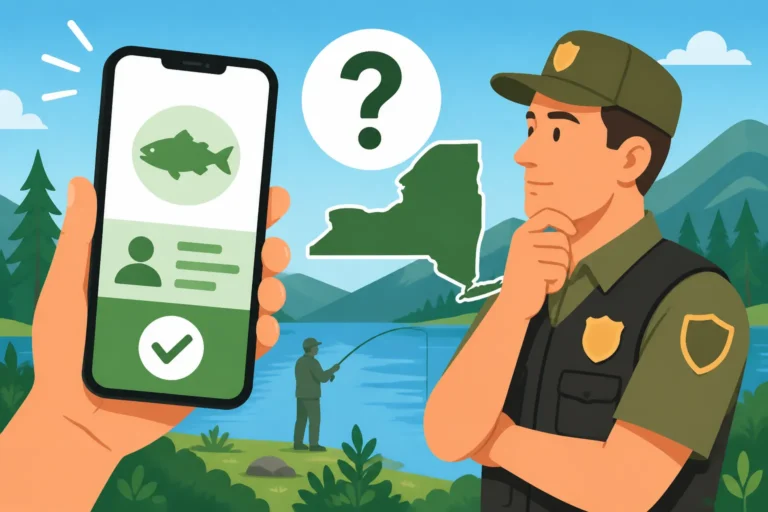
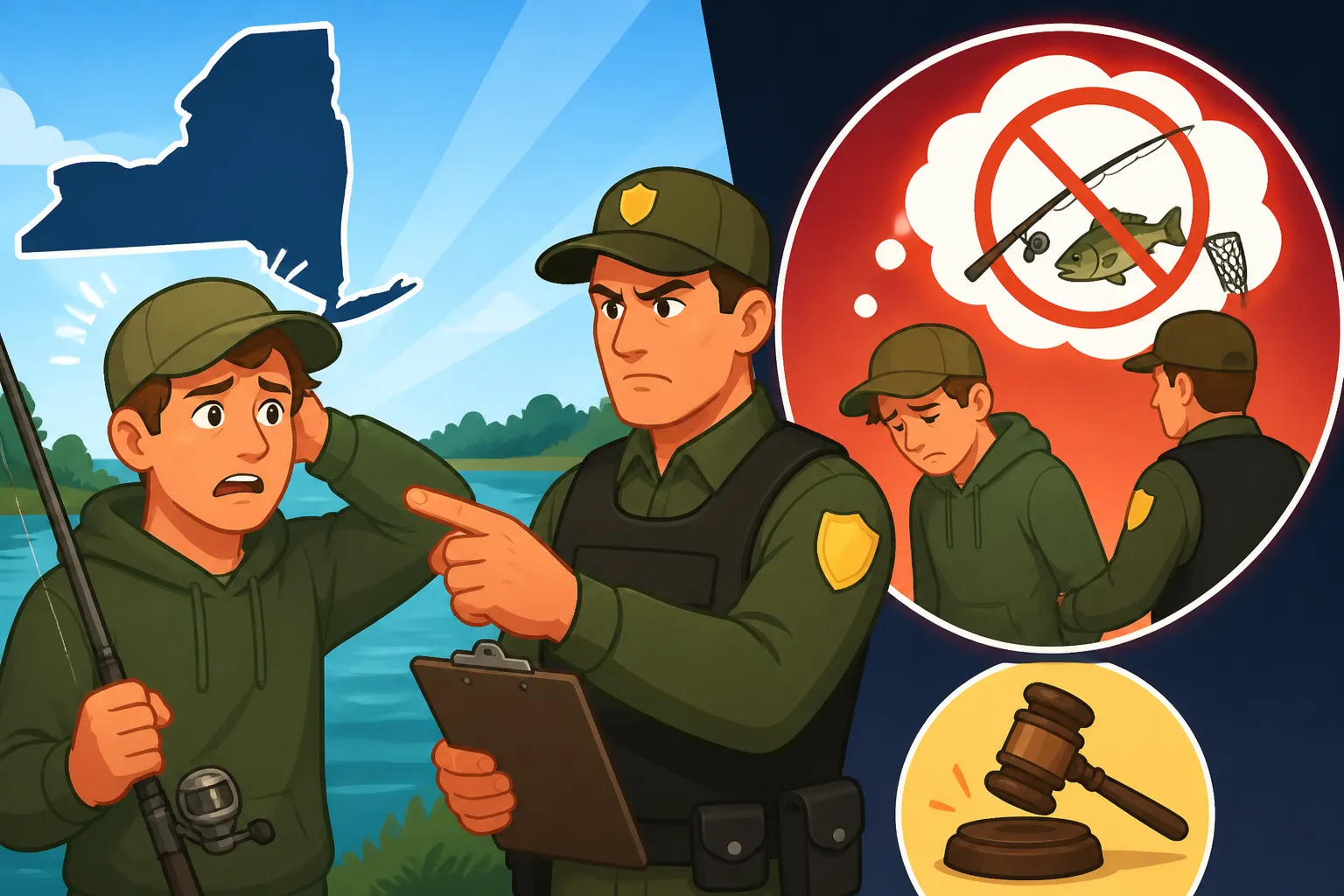
When a DEC Environmental Conservation Officer (ECO) approaches, they'll typically identify themselves and politely ask to see your fishing license and, if applicable, your harvest. They might also ask about your fishing activity, what you're targeting, and if you've caught anything. The best course of action is always to be cooperative, courteous, and transparent. Do not try to conceal anything, and certainly do not argue or become confrontational.
If you have your license, great! Present it along with any required endorsements (like a trout stamp, if you're targeting trout in specific waters, so it's good to know "What Is a Trout Stamp?"). If you realize you don't have it, or it's expired, it's generally best to be honest. The officer will verify your information, often through their portable devices, to see if you have a license on file. If they find you legitimately don't have one, or if it's expired, that's when the situation moves to the next step: a violation ticket. Keep your physical license or a digital copy on your phone readily accessible. Some anglers prefer to keep their license in a waterproof holder, perhaps one they picked up on Amazon, attached to their vest or lanyard, so it's always at hand.
Receiving a Violation Ticket
If the officer determines you are fishing without a valid license, they will issue you a ticket, officially known as an "Appearance Ticket" or "Environmental Conservation Law (ECL) Violation Ticket." This isn't just a friendly reminder; it's a legal document. It will detail the specific violation (e.g., ECL § 11-0701, fishing without a license), the date, time, and location of the offense, and instructions for how to respond.
The ticket will typically require you to either pay a fine by a certain date or appear in a local court. This is very much like receiving a traffic ticket. You'll be given options, and ignoring it is definitely not one of them. The ticket essentially kicks off a formal legal process. For many, this is the reality of "Fishing Without a License in New York: What Happens." It’s an immediate, tangible consequence that can quickly ruin a fishing trip and lead to further complications if not handled correctly.
Understanding the Legal and Financial Ramifications
Getting a ticket is just the beginning. The real impact comes from the fines, potential court appearances, and other penalties that can result from fishing without a license. It's more than just a minor inconvenience; it can be a serious blow to your wallet and even your record.
Fines and Surcharges
The financial penalties for fishing without a license in New York can vary depending on the specific circumstances, such as whether it's your first offense, where you were caught, and the discretion of the courts. However, you can expect a significant fine. Generally, for a first-time offense of fishing without a valid license, fines can range from approximately $50 to $250, plus mandatory court surcharges. These surcharges can add another $25 to $100 or more, meaning a simple mistake could easily cost you several hundred dollars.
Imagine you're out on the Salmon River, hoping to hook a trophy Chinook, and you just forgot to renew your license. That oversight could cost you upwards of $350 once the fine and surcharges are factored in. This can feel particularly steep, especially when a resident annual fishing license might cost significantly less, often under $30. The "Fine for Fishing Without a License in New York" serves as a strong deterrent, emphasizing the importance of compliance for conservation and proper management of our waterways. Repeat offenses, or fishing during a period when your license has been revoked, will result in much higher fines and more severe penalties.
Potential Jail Time or Community Service
While rare for a first-time, simple fishing without a license offense, it's not entirely out of the realm of possibility, especially for repeat offenders or if other serious violations are involved. For more severe infractions of the Environmental Conservation Law, such as poaching protected species, exceeding major catch limits, or obstructing an officer, jail time could be imposed.
In less severe cases, or as an alternative to a heavier fine, a court might assign community service. This could involve working on local conservation projects or other public service duties. The key takeaway here is that while a first-time "no license" offense is unlikely to land you in jail, it is a criminal offense under New York State law, not just a civil infraction. This means it could potentially appear on certain background checks, depending on how it's handled in court, and it definitely shouldn't be taken lightly.
Court Appearances and Legal Processes
Upon receiving a ticket, you'll have to choose how to respond. You can often plead guilty and pay the fine by mail or online. However, if you wish to contest the ticket, you’ll be required to appear in the local criminal or town court specified on the ticket. This means taking time off work, traveling to the courthouse, and potentially hiring legal counsel, which adds further expense and hassle.
During a court appearance, you'll have the opportunity to explain your side of the story to a judge. The ECO who issued the ticket will also be present and will present the facts of the case. While a judge might be lenient for a genuinely accidental, first-time offender (e.g., an expired license renewed immediately after the fact), there's no guarantee. They may reduce the fine, but it’s more likely you'll still face penalties. This whole process can be daunting and time-consuming, making the simple act of acquiring a license in the first place seem like a walk in the park.
| Violation Category | Potential Fine Range (First Offense) | Surcharge | Total Estimated Cost | Notes |
|---|---|---|---|---|
| Fishing Without License | $50 – $250 | $25 – $100+ | $75 – $350+ | Varies by jurisdiction and circumstances. |
| No Marine Registry | $25 – $100 | $25 – $75+ | $50 – $175+ | Similar to fishing license, but specific to saltwater. |
| Exceeding Catch Limit | $50 – $250 per fish | $25 – $100+ | Varies widely | Plus potential loss of fishing privileges. |
| Fishing Out of Season | $50 – $250 | $25 – $100+ | $75 – $350+ | Also depends on species and severity. |
| Possessing Prohibited Gear | $50 – $250 | $25 – $100+ | $75 – $350+ | For example, using more than the allowed number of lines. |
Disclaimer: These are general estimates for a first offense. Actual fines and penalties can vary significantly based on the specific court, county, and circumstances of the violation, and may be subject to change by law.
Beyond the Fine: Other Consequences and How to Avoid Them
The financial hit and legal entanglement are significant, but there can be other, less obvious repercussions that impact your ability to enjoy fishing in the future.
Loss of Fishing Privileges
One of the most disheartening consequences for an avid angler is the potential loss of fishing privileges. Depending on the severity and frequency of violations, the DEC has the authority to suspend or revoke your fishing license for a period of time. This means you legally cannot fish in New York State waters, even if you try to purchase a new license. If you are caught fishing during a suspension, the penalties will be far more severe, escalating the situation dramatically.
This is a real risk for those who repeatedly flout the rules or commit more serious offenses like poaching. A seasoned angler who relies on their annual fishing trips could suddenly find themselves sidelined, unable to participate in their favorite pastime. This possibility alone should be enough to encourage every angler to ensure their paperwork is always in order.
Confiscation of Gear and Catch
When an ECO finds someone fishing illegally, they have the authority to confiscate any fishing gear used in the commission of the offense, as well as any fish that have been illegally caught. This means your expensive rod and reel, tackle box, and even your boat (in severe cases) could be seized. The illegally caught fish will also be taken, often donated to local food banks or otherwise disposed of according to regulations.
Imagine losing that new fishing rod you bought on Amazon, or the specialized lures you've carefully collected, all because you forgot to renew your license. It’s a double whammy: you pay the fine and lose your valuable equipment. This serves as another powerful disincentive to fish without authorization and ensures that individuals do not profit from illegal activities.
The Importance of Getting Licensed
Given all the potential headaches and expenses, the simplest and most cost-effective solution is to always have a valid New York fishing license. The process is incredibly straightforward, and there are multiple convenient ways to obtain one.
You can purchase a license online directly through the DEC's official licensing system, which is arguably the easiest method. This allows you to "How to Buy a Fishing License Online in New York" from the comfort of your home, print it out immediately, or store a digital copy on your phone. You can also pick up a license in person at various "Where to Buy a New York Fishing License" vendor locations across the state, including many sporting goods stores, bait shops, town clerks' offices, and even at retailers like "New York Fishing License at Walmart". These locations often have staff who can help answer basic questions about the different license types, such as the "New York Resident Annual Fishing License Cost 2026" or temporary options like a "New York 7-Day Fishing License."
No matter your age or residency status, New York offers several types of licenses to fit your needs, from annual resident licenses to short-term non-resident options. Understanding these choices, detailed further in "New York Fishing License Types Explained," ensures you pick the right one for your specific fishing plans. Always remember that your license typically expires on December 31st each year, regardless of when you purchased it, so mark your calendar for renewal! Staying informed and licensed is the ultimate way to enjoy New York's fantastic fishing opportunities worry-free.
Disclaimer
The information provided in this guide is for general informational purposes only and does not constitute legal advice. Fishing regulations and penalties in New York State can change, and interpretations may vary. Always consult the most current New York State Department of Environmental Conservation (DEC) regulations or seek legal counsel for specific situations.