Great Sacandaga Lake Fishing Guide, New York
Figuring out where to start when you're looking to fish a vast and diverse waterbody like Great Sacandaga Lake can feel overwhelming. With its deep basins, shallow bays, and ever-changing conditions, knowing the best spots, the right techniques, and what fish are biting can make all the difference between a frustrating day and a memorable catch. This comprehensive guide will break down everything you need to know to successfully fish Great Sacandaga Lake, ensuring your next outing is a rewarding one.
Discovering Great Sacandaga Lake's Angling Potential
Great Sacandaga Lake isn't just a scenic Adirondack gem; it's a genuine angler's paradise, offering a diverse fishery that appeals to everyone from seasoned pros to weekend warriors. What makes this lake truly special is its unique history as a man-made reservoir, created in the 1930s by flooding the Sacandaga River valley. This history gives it a fascinating underwater topography, with remnants of old towns, foundations, and varied structures that create incredible habitat for fish.
A Lake of Many Faces: Geography and Characteristics
Stretching over 29 miles with a surface area of approximately 27,000 acres, Great Sacandaga Lake is one of New York's largest inland bodies of water. Its depth varies dramatically, from expansive shallow flats to deep holes plunging over 70 feet in some areas. This variety means you can find different fish species thriving in different conditions throughout the year. The lake is fed by several tributaries, including the Sacandaga River itself, and features countless coves, points, and islands. The shoreline is a mix of developed areas with marinas and public access points, alongside more wild and undeveloped sections, particularly on its northern and western reaches. Understanding this diverse geography is key to successful fishing here. You'll often find yourself adapting your approach as you move from one section of the lake to another, targeting different species in their preferred environments.
For instance, the southern end of the lake, near the communities of Broadalbin and Edinburg, often features more accessible, shallower bays that warm up quicker in spring, making them prime spots for early season bass. Conversely, the deeper, more expansive central and northern portions hold colder water species like lake trout and salmon, especially during the warmer months. The irregular bottom contours, inherited from its reservoir origins, are not just interesting anecdotes; they are critical fish-holding structures. Old roads, building foundations, and submerged timber create incredible ambush points and cover for species like Northern Pike and Largemouth Bass.
What Makes Sacandaga a Fishing Hotspot
The secret to Great Sacandaga Lake's popularity among anglers lies in its incredible fish diversity and the consistent action it provides throughout the year. The New York State Department of Environmental Conservation (DEC) actively manages the fishery, with regular stocking programs that bolster populations of key species, ensuring healthy numbers for anglers to pursue. This dedication, combined with the lake's natural productivity, creates a dynamic environment.
You can truly fish this lake year-round. From the thrill of ice fishing for Walleye and Perch in the winter to chasing hard-fighting Northern Pike in the spring and battling powerful Salmon and Lake Trout in the summer, there's always something to target. The sheer size of the lake also means there's plenty of room for everyone. Even on busy weekends, you can usually find a quiet cove or a productive stretch of water to yourself. It's a place where you can switch gears from targeting shallow-water predators to deep-water dwellers, often in the same day, simply by moving to a different part of the lake. For more details on the general rules, our guide on New York Freshwater Fishing Rules provides an excellent overview that applies to Great Sacandaga Lake.
Prime Targets: Fish Species and Seasonal Strategies
Great Sacandaga Lake is a multi-species angler's dream. Each season brings new opportunities and targets, requiring a flexible approach and an understanding of fish behavior. Knowing what to pursue and when can drastically improve your success rate.
Walleye Wonders: Best Seasons and Baits
Walleye are one of the most sought-after fish in Great Sacandaga Lake, prized for their delicious taste and challenging nature. Spring, particularly April and May, is a prime time for Walleye, as they move into shallower areas to spawn. During this period, you'll find them concentrating in tributary mouths and rocky shoals. Jigs tipped with minnows or soft plastics, as well as crankbaits, are incredibly effective. As the water warms in summer, Walleye retreat to deeper, cooler waters, often congregating around submerged humps, drop-offs, and old river channels. Trolling with worm harnesses, spoons, or deep-diving crankbaits is a popular and productive method during these months. Don't forget that Walleye are often most active during low-light conditions, so dawn, dusk, and even night fishing can be highly successful, especially in summer. Keep an eye on the specific New York Walleye Season and Limits to ensure you're compliant with current regulations.
In late fall, before the ice sets in, Walleye again become very active, feeding heavily in preparation for winter. This is another excellent time to target them with vertical jigging spoons or blade baits over deep structure. Come winter, during the ice fishing season, Walleye can be caught through the ice using jigging spoons, Rapala-style baits, or tip-ups baited with live shiners or suckers. They often hold tight to structure or cruise open flats at specific depths, making a good sonar unit invaluable for locating them.
Northern Pike and Bass: Aggressive Fish for Thrilling Fights
If you're looking for an adrenaline rush, the Northern Pike and Bass populations in Great Sacandaga Lake deliver. Northern Pike are abundant and can grow to impressive sizes, offering powerful fights. They are ambush predators and often lurk in weed beds, around submerged timber, and along sharp drop-offs. Spring and fall are fantastic times to target pike, when they are active in shallower areas. Large spoons, spinnerbaits, and jerkbaits are excellent choices for artificial lures, while large live minnows under a bobber can also be deadly. Pay particular attention to areas around islands and rocky points that have access to deeper water.
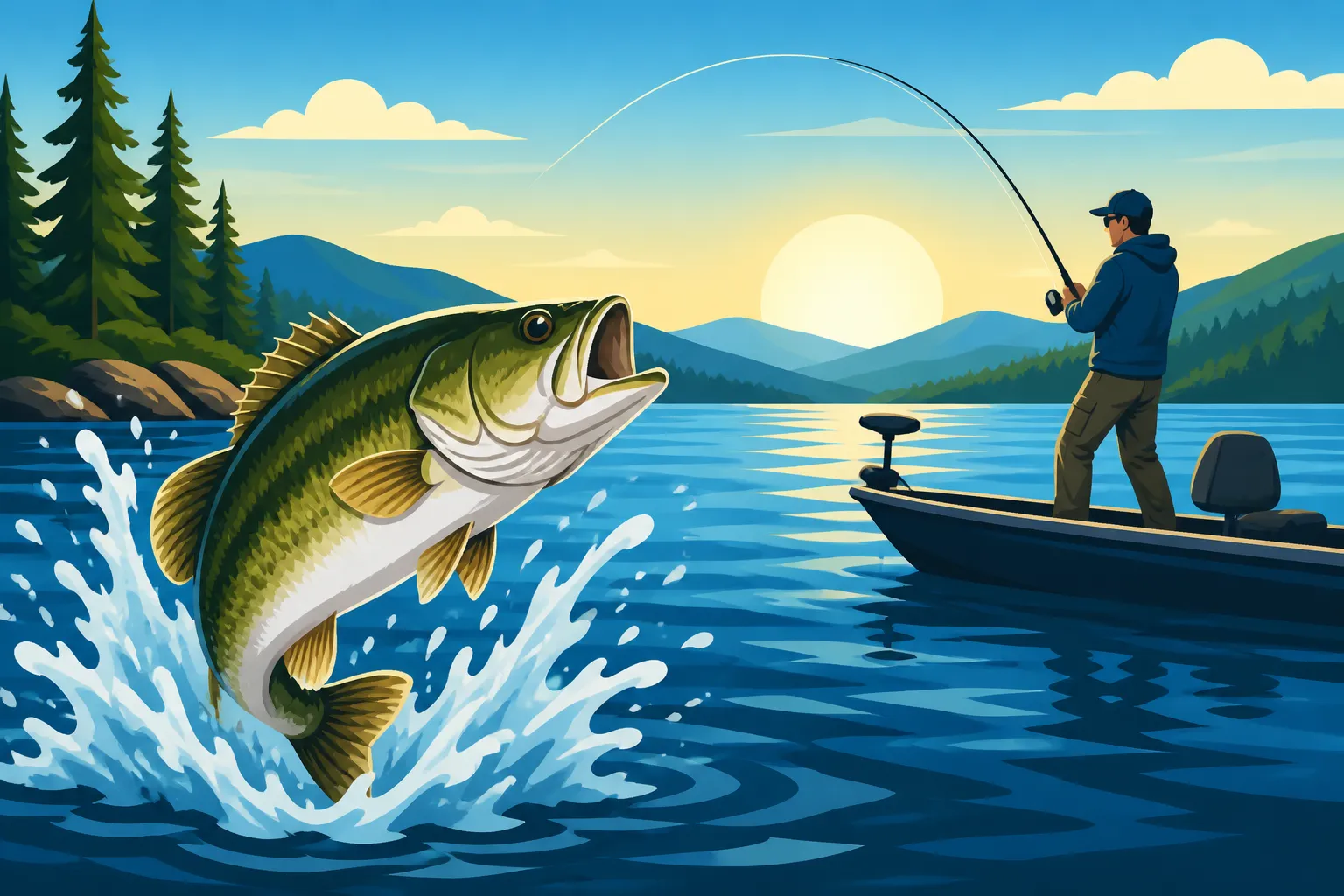
Largemouth and Smallmouth Bass also thrive here. Largemouth prefer the warmer, shallower, weed-choked bays, especially on the southern end of the lake. Topwater lures, spinnerbaits, and soft plastics fished around lily pads and submerged vegetation are effective. Smallmouth Bass, on the other hand, favor rocky structures, deeper points, and gravelly bottoms, often found in the more open waters of the lake. Jigs, drop-shots, and tube baits are excellent for smallmouth. Both bass species are most active from late spring through early fall. Knowing the New York Bass Season Dates is crucial before you head out. When targeting these aggressive fish, consider how many fishing rods can I use at once, as local regulations dictate how many lines an angler can have in the water.
Trout and Salmon: Coldwater Challenges and Rewards
For those who enjoy the challenge of coldwater species, Great Sacandaga Lake also holds good populations of Lake Trout, Brown Trout, and Landlocked Atlantic Salmon. These fish prefer the cooler, deeper waters, making them primarily a summer and ice fishing target. Lake Trout are the most common of the three, found in the deepest sections of the lake during summer. Trolling with downriggers, using large spoons, stickbaits, or bait rigs, is the most effective way to reach them at depths of 40-70 feet or more. Look for them over submerged structures and along the thermocline.
Brown Trout and Landlocked Salmon are less numerous but offer exciting catches. Brown Trout are often found in similar deep, cold waters as lake trout but may cruise shallower during spring and fall, especially near tributary mouths. Landlocked Salmon are known for their acrobatic fights and can be targeted with similar trolling methods as lake trout, though they often suspend higher in the water column. Ice fishing for Lake Trout is also very popular, often requiring heavy jigs or tip-ups fished with large baitfish in deep water. This pursuit can be quite rewarding, but be sure to consult the New York Ice Fishing Rules for safety and legal guidelines.
Here's a quick overview of primary targets by season:
| Season | Primary Target Species | Best Techniques | Notes |
|---|---|---|---|
| Spring | Walleye, Northern Pike, Bass, Brown Trout | Jigging, casting crankbaits/spinnerbaits, live bait | Fish move to shallower spawning/feeding grounds. |
| Summer | Walleye, Lake Trout, Landlocked Salmon, Bass, Perch | Trolling, deep jigging, topwater for bass (early/late day) | Fish seek cooler, deeper waters. |
| Fall | Walleye, Northern Pike, Bass, Brown Trout | Jigging, casting spoons/crankbaits, live bait | Fish feed heavily before winter; often active. |
| Winter | Walleye, Perch, Lake Trout, Northern Pike | Ice fishing with tip-ups, jigging spoons, vertical jigs | Requires safe ice conditions; fish found over structure or deep flats. |
Mastering the Waters: Techniques, Tackle, and Local Wisdom
Successful fishing on Great Sacandaga Lake demands versatility. The sheer size and varied conditions mean that no single technique or setup will guarantee success across all species and seasons. It's about adapting and having the right tools for the job.
Essential Gear for Sacandaga's Diverse Fisheries
Given the range of species and conditions, a versatile tackle setup is key. For Walleye, Northern Pike, and Bass, a medium-heavy spinning rod or baitcasting setup, around 6'6" to 7'6" in length, spooled with 10-20 lb braided line and a fluorocarbon leader, will cover most situations. You'll want a selection of crankbaits (both shallow and deep diving), spinnerbaits, spoons, soft plastics (grubs, worms, swimbaits), and jigs. For live bait fishing, a good supply of shiners, suckers, and nightcrawlers is essential.
When targeting Lake Trout and Landlocked Salmon in deeper water, a stout trolling rod with a line counter reel spooled with 20-30 lb braided or monofilament line is necessary, especially if you plan on using downriggers. A variety of large spoons (like Suttons, Mooselook Wobblers) and stickbaits are staples for these coldwater predators. During the ice fishing season, specialized ice fishing rods and reels are a must, along with a good ice auger, a flasher or sonar unit, and warm clothing. Remember that the best time of year to fish in New York often dictates the specific gear you'll need. Always consider the conditions and target species.
Boat considerations are also paramount. Given the size of Great Sacandaga Lake, a reliable boat capable of handling open water conditions is highly recommended for safety and access to the best fishing grounds. Smaller boats or kayaks can be used in calmer bays and coves, but always exercise caution and check weather forecasts before venturing out.
Successful Techniques for Different Species
- Trolling: This is a bread-and-butter technique for Lake Trout, Landlocked Salmon, and summer Walleye. Use downriggers to get your lures to precise depths, or run diving crankbaits and lead core line. Vary your speed, lure color, and depth until you find what's working. Our guide on Trolling Techniques for New York's Lakes offers more in-depth advice.
- Jigging: From vertical jigging for ice fishing Walleye and Perch to casting jigs for Smallmouth Bass around rocky points, jigging is incredibly versatile. Experiment with different jig weights, colors, and retrieval styles.
- Casting: For Northern Pike and Bass in shallower areas, casting spinnerbaits, crankbaits, and soft plastics into weed lines and around structure is highly effective. Work these baits slowly at times, or with aggressive retrieves to trigger strikes.
- Live Bait: Don't underestimate the power of live bait. Minnows on a plain hook under a bobber, or fished on the bottom with a sinker, can entice many species, especially Walleye, Perch, and Pike. When ice fishing, tip-ups set with live bait are often the most productive method for larger game fish.
Remember, fishing is as much an art as it is a science. Pay attention to details like water temperature, depth, structure, and current weather patterns. Local knowledge can be invaluable, so don't hesitate to ask around at bait shops or marinas.
Navigating the Lake: Access, Amenities, and Regulations
Planning your trip to Great Sacandaga Lake involves more than just knowing what fish to target and how to catch them. Understanding where to launch your boat, what local services are available, and the rules of the water are all crucial for a smooth and enjoyable experience.
Public Access Points and Marinas
Great Sacandaga Lake offers numerous public boat launches and private marinas around its perimeter, ensuring good access for most anglers. Popular public launches include those at Northville, Edinburgh, and Broadalbin. These ramps are generally well-maintained and provide ample parking. Many private marinas, such as Sport Island Pub & Restaurant in Northville or Northampton Beach Campground, also offer launch facilities, gas, bait, tackle, and boat rentals, making them excellent one-stop-shops for anglers.
For those without a boat, there are several opportunities for shore fishing, particularly in designated public access areas and along certain causeways and bridges. These spots can be great for targeting panfish, smaller bass, and even some Walleye during active feeding periods. Kayak and canoe anglers will find countless quiet coves and shoreline areas to explore, especially along the less developed stretches of the lake. Just be mindful of private property signs and always respect the land.
Essential Regulations and Resources
Before casting a line, ensure you have a valid New York Fishing License Guide. This is a non-negotiable requirement for all anglers aged 16 and older. The New York State Department of Environmental Conservation (DEC) is the primary authority for fishing regulations, and their rules govern everything from catch limits and minimum sizes to specific season dates for various species. Our comprehensive guide on New York Fishing Regulations Explained can help clarify many of these rules. Always pick up a current copy of the New York State Fishing Regulations Guide (available online or at license vendors) before your trip, as regulations can change.
For real-time fishing reports, local insights, and bait needs, visit one of the many bait and tackle shops surrounding the lake. Places like Dave's Bait & Tackle in Northville or other local sporting goods stores are invaluable resources. They can tell you what's biting, what baits are working best, and offer advice on current conditions. If you're looking to maximize your chances, especially if you're new to the lake or targeting a specific trophy, consider hiring a local fishing guide. Many experienced captains specialize in Great Sacandaga Lake, and finding the right one can make all the difference. Websites like FishingBooker can be an excellent resource for finding and booking reputable local guides who know the lake inside and out. They list numerous options for charter fishing, making it easier to arrange a guided trip on Great Sacandaga Lake.
Being prepared with local knowledge and adhering to regulations will not only keep you compliant but also enhance your overall fishing experience on one of New York's truly great lakes. Fishing for many of the Fish Species You Can Catch in New York can be a lifelong pursuit, and Sacandaga offers a fantastic place to hone your skills.
Disclaimer
The information provided in this guide is for general informational purposes only and is subject to change. Always consult the official New York State Department of Environmental Conservation (DEC) regulations and local authorities for the most current and accurate fishing rules, seasons, and licensing requirements before engaging in any fishing activities. Fishing involves inherent risks, and adherence to safety guidelines and responsible angling practices is essential.