Free Fishing Access Points Along the Hudson River
Finding a great fishing spot along the expansive Hudson River can feel like a treasure hunt, especially when you're on a budget or simply prefer the simplicity of shore fishing. It’s frustrating to drive around, only to find "Private Property" signs or pay-to-access marinas. This guide is here to help you cut through the confusion and discover some fantastic, absolutely free public access points where you can cast a line and enjoy the iconic New York scenery.
The Challenge of Finding Free Access on the Hudson
The Hudson River, stretching over 300 miles from the Adirondacks to New York Harbor, is a phenomenal fishery, rich in diverse species and historical significance. However, finding accessible spots, especially free ones, can be surprisingly difficult for the casual angler. Much of the riverfront, particularly in developed areas, is privately owned or designated for commercial use, leaving limited options for those looking to simply walk up to the water's edge and fish. This challenge often deters new anglers or those who aren't familiar with the local landscape.
Why Free Access Matters to Anglers
For many, fishing isn't just a hobby; it's an escape, a way to connect with nature, and a community activity. Free access points make this pastime inclusive and affordable for everyone, from seasoned veterans to families introducing their kids to fishing for the first time. The financial barrier of paying for boat launches, parking, or exclusive access can quickly add up, making a spontaneous afternoon of fishing feel like a costly outing. Free spots allow for more frequent trips, less planning, and the simple joy of casting a line whenever the mood strikes, without any overhead. It fosters a sense of public ownership and responsibility for our natural resources, encouraging more people to get out and appreciate the river.
Navigating Public vs. Private Lands
One of the biggest hurdles when trying to access the Hudson is distinguishing between public and private land. Many areas that look accessible are, in fact, privately owned, and trespassing can lead to fines or confrontations. The New York State Department of Environmental Conservation (DEC) and various municipal parks departments actively manage and promote public access, but knowing where these designated areas are is key. Often, these spots are part of state parks, municipal parks, or designated public fishing rights (PFR) areas. It’s crucial to look for official signage and stick to established paths. If you're ever unsure, it's always best to err on the side of caution and seek out clearly marked public access points rather than risking a run-in with a landowner. Always check local ordinances, especially regarding parking and hours of operation, to ensure your visit goes smoothly.
Top Free Public Fishing Access Points Along the Hudson River
The beauty of the Hudson River is its vastness, offering different fishing experiences as it meanders through diverse landscapes. From bustling urban riverfronts to serene, almost wild stretches, there’s a spot for every angler. Remember that a New York Fishing License Guide is essential for most anglers, and you'll want to review the latest New York Fishing Regulations Explained before heading out.
Lower Hudson Valley Gems (NYC to Poughkeepsie)
This section of the Hudson is heavily influenced by tides and proximity to the Atlantic Ocean, making it a prime location for anadromous species like striped bass, especially during their spring and fall runs.
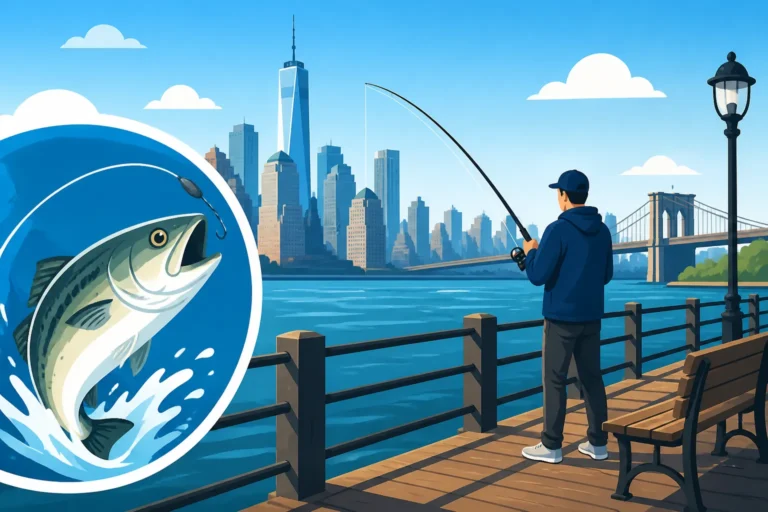
- Hudson River Park Piers (Manhattan, NYC): If you're in the city, the piers along Hudson River Park offer incredible urban fishing opportunities. Piers like Pier 40, Pier 51, and others stretching from Lower Manhattan up to Midtown are popular. You'll find paved promenades and designated fishing areas. Here, you can target striped bass, bluefish, flounder, and even some panfish. The convenience can't be beaten, and you’re often surrounded by fellow anglers, creating a friendly atmosphere. Public transportation makes these spots incredibly accessible. Just remember the current New York Striped Bass Slot Limit Explained as regulations can change.
- Gantry Plaza State Park (Long Island City, Queens): While technically across the river from Manhattan, Gantry Plaza offers stunning views of the Manhattan skyline and fantastic fishing access directly on the East River (which is part of the Hudson River Estuary system). With multiple piers and waterfront promenades, it's a great spot for striped bass, bluefish, and various bottom fish. It’s incredibly family-friendly with plenty of space, and the sheer volume of water moving through here provides excellent opportunities, particularly during strong tidal movements.
- Croton Point Park (Croton-on-Hudson, Westchester County): This large peninsula extending into the Hudson River offers a mix of shoreline access, piers, and boat launches (though the focus here is free shore fishing). It's a fantastic place for fishing, birdwatching, and simply enjoying the outdoors. You can often find striped bass, white perch, and various panfish here. The park has ample free parking and plenty of space to spread out, making it less crowded than some urban spots. During the spring, the marshy areas can be productive for smaller species.
- Long Dock Park (Beacon, Dutchess County): Located in the vibrant town of Beacon, Long Dock Park is a scenic riverfront park managed by Scenic Hudson. It provides excellent shoreline access, a fishing pier, and beautiful walking trails. This is a popular spot for striped bass, especially during the spring migration. Anglers also catch smallmouth bass, largemouth bass, and various panfish. The park is a short walk from the Beacon Metro-North station, making it accessible even without a car. It's truly one of the Best Fishing Spots Near Poughkeepsie, New York, for those willing to travel a little north from NYC.
Mid-Hudson Valley Hotspots (Poughkeepsie to Albany)
Moving further north, the river becomes less saline and begins to transition into more of a freshwater environment, though tidal influences remain significant. This stretch is renowned for its excellent bass fishing and offers more natural, less urbanized shorelines.
- Waryas Park (Poughkeepsie, Dutchess County): Right in the heart of Poughkeepsie, Victor C. Waryas Park offers extensive waterfront access and a long promenade perfect for shore anglers. It's a prime location for targeting striped bass, especially near the Walkway Over the Hudson, where fish often congregate. You might also find carp, catfish, and various panfish. The park is well-maintained, with amenities and easy access from downtown Poughkeepsie.
- Kingston Point Beach (Kingston, Ulster County): This public park and beach area provides direct access to the Hudson River. While known for swimming, the shoreline and pier area are popular for fishing. Anglers can expect to catch striped bass, white perch, yellow perch, and various catfish. The park has plenty of parking and a relaxed atmosphere, making it ideal for a family fishing outing. The access is straightforward, offering good opportunities to connect with the river's diverse ecosystem.
- Germantown Waterfront Park (Germantown, Columbia County): This quaint park offers a tranquil setting with a small pier and shoreline access. It’s less crowded than some of the larger parks and provides a peaceful fishing experience. Target species include striped bass, especially in season, as well as catfish and panfish. It's a great spot for those seeking a quieter experience and scenic views of the Catskill Mountains across the river.
Upper Hudson Valley & Estuary (Albany North)
As the river flows past Albany, it gradually loses its tidal characteristics and becomes truly freshwater further north. This section is known for its excellent bass, walleye, and northern pike fishing, in addition to the ever-present panfish and carp.
- Albany Corning Preserve (Albany, Albany County): Right in the capital city, the Corning Preserve offers several miles of riverfront access, including a boat launch and extensive shoreline. It's a fantastic urban fishing spot for northern pike, walleye, smallmouth bass, largemouth bass, and, of course, carp and catfish. The paved bike path runs along the river, providing numerous spots to cast a line. Its proximity to downtown makes it an easy spot for a quick fishing trip.
- Schodack Island State Park (Castleton-on-Hudson, Rensselaer County): This expansive state park, situated on an island in the Hudson River, offers miles of shoreline and numerous access points for fishing. You can find excellent opportunities for northern pike, various bass species, walleye, and panfish. The park's natural setting provides a wilderness feel, despite being close to urban areas. It's an excellent choice for a full day of fishing, with plenty of room to explore and find your own secluded spot.
- Peebles Island State Park (Cohoes, Albany County): Located at the confluence of the Hudson and Mohawk Rivers, Peebles Island is a unique and highly productive fishing location. It offers miles of shoreline along both rivers, with strong currents often concentrating fish. Anglers here can target smallmouth bass, walleye, northern pike, carp, and various panfish. The park is known for its picturesque trails and historic ruins, providing a beautiful backdrop to your fishing adventure. It’s a fantastic spot if you're interested in the diverse Fish Species Found in the Hudson River.
| Access Point | Location | Primary Target Species | Amenities/Notes |
|---|---|---|---|
| Hudson River Park Piers | Manhattan, NYC | Striped Bass, Bluefish, Flounder, Perch | Urban setting, easily accessible via public transport, paved |
| Gantry Plaza State Park | Long Island City, Queens | Striped Bass, Bluefish, Bottom Fish | Skyline views, family-friendly, piers |
| Croton Point Park | Croton-on-Hudson, NY | Striped Bass, White Perch, Panfish | Large park, ample parking, shoreline access |
| Long Dock Park | Beacon, NY | Striped Bass, Largemouth Bass, Smallmouth Bass | Scenic, near Metro-North, pier and shoreline |
| Waryas Park | Poughkeepsie, NY | Striped Bass, Carp, Catfish, Panfish | Downtown access, promenade, near Walkway Over the Hudson |
| Kingston Point Beach | Kingston, NY | Striped Bass, Perch, Catfish | Beach and pier, family-friendly, parking |
| Germantown Waterfront Park | Germantown, NY | Striped Bass, Catfish, Panfish | Quieter, scenic views, small pier |
| Albany Corning Preserve | Albany, NY | Northern Pike, Walleye, Bass, Carp | Urban, extensive shoreline, bike path |
| Schodack Island State Park | Castleton-on-Hudson, NY | Northern Pike, Walleye, Bass, Panfish | Natural setting, miles of shoreline, trails |
| Peebles Island State Park | Cohoes, NY | Smallmouth Bass, Walleye, Northern Pike, Carp | Confluence of Hudson/Mohawk, strong currents, scenic |
Essential Tips for Maximizing Your Free Hudson River Fishing Experience
Fishing the Hudson River, especially from shore, can be incredibly rewarding, but a little preparation goes a long way. Understanding the unique characteristics of this mighty river will significantly improve your chances of a successful and enjoyable outing. Remember, you'll generally need a valid fishing license. To learn more about this, check out topics like "Do I Need a Fishing License to Fish in New York?"
Understanding Tides and Currents
The Hudson River, for much of its length, is a tidal estuary, meaning its water levels and currents are significantly influenced by the ocean's tides, even as far north as Troy. These tides dictate when and where fish will be most active.
- High Tide: Often brings baitfish closer to shore and can allow larger predatory fish like striped bass to move into shallower feeding areas. It’s a great time to fish docks, piers, and shoreline structure.
- Low Tide: Can concentrate fish in deeper channels or force them out of shallow flats. While seemingly less productive for some species, strong outgoing tides can create current seams and eddies where fish ambush prey.
- Slack Tide: The period of minimal water movement at the peak of high or low tide. This can sometimes be slower for active fish but also allows for easier bottom fishing as your bait isn't being swept away as quickly.
- Moving Tide (Incoming or Outgoing): Generally the most productive times. The moving water creates feeding opportunities, and fish are often more active. Pay attention to current breaks, eddies, and points where baitfish might be swept past.
Checking a local tide chart for your specific access point is crucial. Apps and websites offer real-time tide predictions, which can be invaluable.
Gear Considerations for Shore Fishing
When fishing from shore on the Hudson, your gear choices can make a big difference. You won’t have the luxury of maneuvering a boat to chase fish, so your setup needs to be versatile and sturdy.
- Rod and Reel: A medium-heavy to heavy spinning rod (7-9 feet) paired with a reliable spinning reel (4000-6000 size) is a good all-around choice. This setup provides enough backbone for casting heavy lures or bait rigs and handling larger fish like striped bass or northern pike. For lighter panfish or perch, a medium-light setup is perfect.
- Line: Braided line (20-40 lb test) is often preferred for its strength, sensitivity, and casting distance, especially when you need to reach distant structures or currents. Pair it with a fluorocarbon leader (15-30 lb test) for abrasion resistance and invisibility.
- Lures and Bait:
- Striped Bass: Soft plastic swimbaits (like those from KastKing), bucktail jigs, poppers, and live bait such as bunker, herring, or worms.
- Bass (Largemouth & Smallmouth): Spinnerbaits, crankbaits, plastic worms, jigs.
- Walleye/Pike: Jigs, crankbaits, spoons, live shiners or minnows.
- Panfish/Perch: Worms, small jigs, small spinners, corn.
- Terminal Tackle: Assorted weights (sinkers from 1/2 oz to 2 oz depending on current), circle hooks (especially if you're bait fishing for striped bass, as per regulations), swivels, and a variety of leader materials.
- Essentials: A good pair of pliers, a net (especially for larger fish), a tackle backpack for easy portability, sunscreen, bug spray, and plenty of water. Also, consider a portable chair if you plan to sit for extended periods. If you're wondering "How Many Fishing Rods Can I Use at Once?", make sure to check the specific regulations, as limits vary by waterbody.
Respecting the Environment and Regulations
Fishing the Hudson River means being a responsible steward of this incredible natural resource.
- Leave No Trace: Pack out everything you pack in. Dispose of all trash, including discarded fishing line, properly. The Hudson River is a precious ecosystem, and keeping it clean benefits everyone.
- Know the Regulations: New York State has specific fishing regulations for different species, sizes, and seasons. These are crucial for conservation. For instance, there are strict limits and slot sizes for striped bass, and seasons for species like walleye and bass. Familiarize yourself with these rules; the DEC website is an excellent resource. You can find detailed information on topics like the New York Recreational Marine Fishing Registry if you're fishing in saltwater sections.
- Fish Consumption Advisories: While the Hudson River has come a long way in terms of water quality, some fish species may still carry consumption advisories due to historic contamination. Always check the latest New York Fish Consumption Advisories Explained provided by the New York State Department of Health, especially if you plan to keep and eat your catch. For example, some advisories exist for specific species in certain stretches of the river due to PCBs or mercury. It’s important to understand "Is It Safe to Eat Fish From the Hudson River?" based on these advisories.
- Practice Catch and Release: For many anglers, especially when targeting larger game fish or protected species, practicing responsible catch and release is essential for maintaining healthy fish populations. Handle fish gently, minimize their time out of water, and use appropriate tools for hook removal.
While finding a perfect free spot can sometimes be a journey, the reward of connecting with the Hudson River is always worth it. If you ever feel overwhelmed or want to explore more guided options, resources like FishingBooker can help you connect with local guides who offer boat trips on various parts of the Hudson, providing a different perspective and targeting techniques that aren't always possible from shore. Whether you choose to go solo from shore or with a guide, the Hudson offers an unparalleled fishing experience.
Disclaimer
The information provided in this guide is for general informational purposes only and is subject to change. Always verify current fishing regulations, license requirements, fish consumption advisories, and public access rules with the New York State Department of Environmental Conservation (DEC) and local authorities before engaging in any fishing activities. Fishing conditions and access can vary.