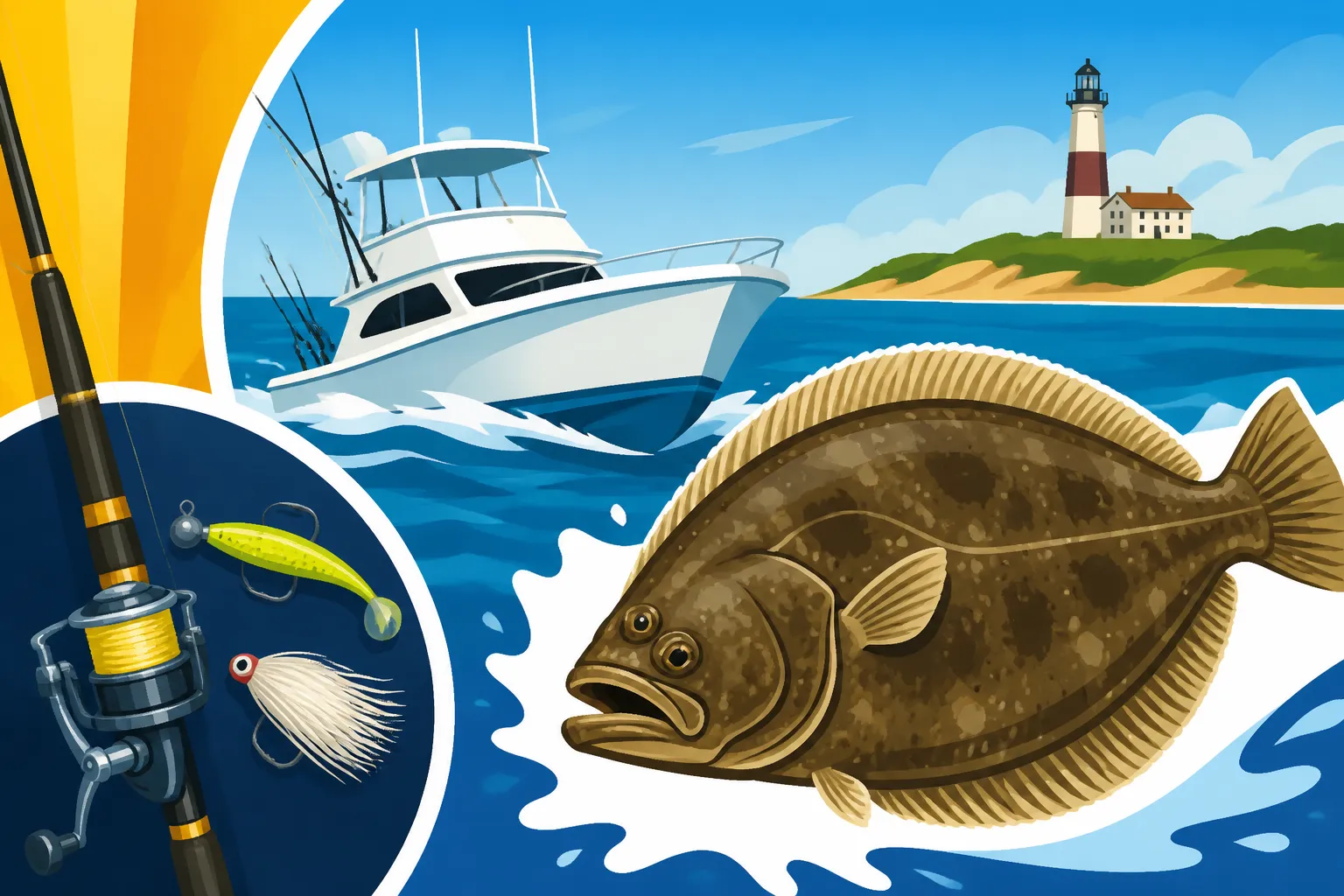
Fluke Charter Rates on Long Island
Trying to figure out how much a fluke charter costs on Long Island can feel like trying to catch a fish without bait—frustrating and ultimately unproductive. It's not just a single price tag; there are so many variables that can swing the cost wildly, leaving many anglers feeling confused and unsure about what they're actually paying for. This guide is here to untangle those complexities, helping you understand the factors that determine fluke charter rates and how to budget for your next amazing fishing adventure on Long Island.
Understanding Fluke Fishing on Long Island
Fluke, also known as summer flounder, are one of the most sought-after game fish in the waters around Long Island, and for good reason. They're delicious to eat, put up a respectable fight, and are generally accessible to anglers of all skill levels, making them a fantastic target for a charter trip. A day spent drifting for fluke on the beautiful waters of Long Island Sound or the Atlantic Ocean is a quintessential New York fishing experience.
Why Fluke Fishing is So Popular Here
Long Island's unique geography, with its extensive bays, harbors, and proximity to both the Atlantic Ocean and Long Island Sound, creates ideal habitats for fluke. These flatfish love sandy or muddy bottoms, often congregating around structures like reefs, wrecks, and even channel edges, where they can ambush baitfish. The sheer abundance of fluke, combined with their excellent table fare, makes them a perennial favorite. Anglers often appreciate that fluke fishing isn't overly complicated; it's often about finding the right drift, presenting your bait effectively, and feeling that satisfying thump when a fluke takes the hook. It's a fantastic way to spend a day on the water, whether you're a seasoned pro or introducing someone new to the joys of fishing.
What to Expect from a Fluke Charter
When you book a fluke charter on Long Island, you're essentially signing up for a guided fishing experience. The charter typically provides the boat, the captain, and often a mate, who are experts in local waters and fluke behavior. They know where the fish are likely to be biting, what baits they prefer, and the best techniques to employ. Most charters will provide all the necessary fishing gear, including rods, reels, tackle, and fresh bait, taking the guesswork out of what to bring. You can expect to spend your time drifting over productive grounds, jigging or bait fishing, and hopefully reeling in some respectable fluke. It's a relaxing yet exciting way to target these delicious fish, with the added benefit of local knowledge and a comfortable vessel. Many charters also offer fish cleaning services, which is a huge bonus after a successful day.
Factors Influencing Fluke Charter Rates
The cost of a fluke charter on Long Island isn't a fixed figure; it's a dynamic price influenced by several key factors. Understanding these elements will help you make an informed decision and find a trip that fits your budget and expectations. It's really about balancing what you want out of the experience with what you're willing to pay.
Trip Duration and Type
One of the biggest drivers of charter cost is the length of your trip and whether you're booking a private boat or an "open boat" (also known as a party boat).
Half-Day vs. Full-Day Charters
Most charters offer both half-day and full-day options. A half-day trip usually runs about 4-5 hours, while a full-day excursion can be anywhere from 7-9 hours. Naturally, a full-day trip will cost more than a half-day. However, the value proposition can be interesting. A full day gives you more time on the water, more opportunities to find active fish, and often allows the captain to travel further to less-pressured spots. For many, the extra hours are well worth the increased investment, especially if the bite is slow or if you're targeting trophy-sized fluke. A half-day, on the other hand, is great for beginners, families with younger children, or those on a tighter schedule or budget. It's a good way to get a taste of the action without committing to a whole day out.
Private Charters vs. Open Boat (Party Boat)
This is a crucial distinction. A private charter means you book the entire boat for your group, whether it's two people or six (depending on the boat's capacity). This offers exclusivity, flexibility, and the ability to dictate the pace and target species (within reason and season). You're paying for the whole boat and the captain's undivided attention. This is typically the most expensive option per person, but it can be more cost-effective for larger groups when split among all anglers.
An open boat, or party boat, operates on a "head boat" model where individual anglers or small groups book spots on a larger vessel. You'll be sharing the boat with many other fishermen, which means less personalized attention but a significantly lower cost per person. Party boats are excellent for solo anglers, couples, or those looking for a more communal fishing experience on a budget. They usually have a set schedule and target species, with less flexibility than a private charter.
Boat Size, Amenities, and Crew
The vessel itself plays a significant role in pricing. Larger, more modern boats with advanced electronics, comfortable cabins, and more amenities (like restrooms, shaded areas, or even galley facilities) generally command higher prices. These boats often offer a smoother, more comfortable ride, especially in choppier conditions, and might be equipped with specialized gear for different fishing techniques.
The size and experience of the crew also factor in. A private charter with a seasoned captain and a dedicated mate (who helps with baiting hooks, netting fish, and untangling lines) provides a higher level of service and convenience. Party boats often have multiple deckhands to assist the larger number of anglers. The captain's reputation, years of experience, and track record of success can also contribute to their pricing structure. You're not just paying for a boat; you're paying for their expertise and the overall quality of the experience they provide.
Location and Seasonality
Long Island is a big place, and where you depart from can influence the cost. Charters operating out of popular fishing hubs like Montauk, known for its incredible offshore and inshore fishing, might have slightly different pricing compared to those in more sheltered bay areas. The travel time to prime fluke grounds can also be a factor; a longer run means more fuel and time, which translates to higher rates.
Seasonality is another crucial element. Fluke season on Long Island typically runs from late spring through early fall, with peak fishing often occurring in the warmer summer months. During these peak times, demand is high, and charter rates might reflect that. Booking during the shoulder seasons (early spring or late fall) might sometimes offer slightly reduced rates, though weather can be more unpredictable. Knowing New York Fishing Season Dates and Catch Limits can help you plan your trip for the best opportunities.
Inclusions and Exclusions
What's included in the base price of your charter can vary widely, and it's essential to clarify this before booking to avoid surprises.
Most reputable charters will include:
- Boat and Captain/Crew: This is the core service.
- Fishing Gear: Rods, reels, and basic tackle are almost always provided.
- Bait: Fresh bait, such as spearing, squid, or live killifish, is typically included.
- Basic Instruction: The crew will usually offer guidance on techniques.
What might not be included, or could be an extra cost:
- Fishing License/Registry: While New York has a Marine Fishing Registry for saltwater, which is often free, you are usually responsible for ensuring you are properly registered or licensed. Many charters will remind you of this, but it's your responsibility. New York Saltwater Fishing Registration Guide can offer more details.
- Fish Cleaning: Some charters offer complimentary fish cleaning, while others charge a small fee, or expect you to do it yourself.
- Food and Beverages: Unless explicitly stated, assume you need to bring your own snacks, drinks, and lunch.
- Tips for the Crew: This is a significant exclusion that many first-timers overlook. Tipping is customary and expected in the charter industry, typically 15-20% of the total charter cost for good service. We'll dive into this more later.
- Advanced Tackle or Lures: While basic tackle is provided, if you want to use specific high-end lures or specialty rigs, you might need to bring your own or purchase them.
It's always a good idea to confirm these details when you book to prevent any misunderstandings on the day of your trip.
Navigating and Comparing Charter Rates
So, how do you actually go about finding and understanding the various rates out there? It's not always as straightforward as checking a simple price list, but with a bit of research and knowing what to ask, you can definitely find a great deal for your fluke fishing adventure.
Researching and Booking Your Charter
The first step is always research. Start by identifying reputable charter operations on Long Island. Online platforms, local tackle shops, and word-of-mouth recommendations are excellent resources. When looking online, you'll find dedicated websites for individual captains and also aggregated booking sites. A platform like FishingBooker can be incredibly useful here, as it allows you to compare multiple charters, see their availability, read reviews, and get a clearer picture of what's included in their various fluke fishing packages. It's a great tool for seeing a wide range of options in one place.
Once you have a few options in mind, don't hesitate to reach out to the captains directly. This is your chance to ask all your questions and gauge their responsiveness and professionalism. Ask about their experience targeting fluke, what their typical success rates are, and what their cancellation policy is, especially regarding weather. A good captain will be happy to answer all your queries.
Understanding the "All-Inclusive" vs. À La Carte Models
Charter operations often fall into one of two pricing philosophies: "all-inclusive" or à la carte.
All-Inclusive Charters
An "all-inclusive" charter aims to bundle almost everything into one upfront price. This typically means rods, reels, bait, tackle, and sometimes even fish cleaning are covered. The advantage here is transparency; you know exactly what you're paying for before you even step on the boat, and there are fewer surprises at the end of the day. This can be particularly appealing for beginners or those who prefer a hassle-free experience without worrying about hidden costs. However, even with an "all-inclusive" rate, it's crucial to confirm if gratuity for the crew is included or expected separately, as it usually is.
À La Carte Charters
The à la carte model starts with a base rate for the boat and crew, and then adds on costs for extras. For example, bait might be a separate charge, or premium tackle could cost more. Fish cleaning is almost always an extra with this model. While the initial base rate might seem lower, the final tally can creep up if you're not careful. This model gives you more control over what you pay for, allowing you to opt out of certain services if you bring your own gear or prefer to clean your own fish. It requires a bit more vigilance on your part to ensure you understand all potential additional charges.
It's helpful to see a comparison:
| Feature | Private Half-Day Charter (Approx. Per Trip) | Open Boat (Party Boat) (Approx. Per Person) |
|---|---|---|
| Trip Duration | 4-5 hours | 4-6 hours |
| Exclusivity | Yes, your private group | No, shared with other anglers |
| Flexibility | High (can often customize) | Low (fixed schedule/targets) |
| Gear/Bait Included? | Usually | Usually |
| Fish Cleaning? | Often extra or small fee | Often extra or small fee |
| Restroom Onboard? | Usually | Always |
| Crew Attention | Highly personalized | Shared among many anglers |
| Best For | Groups, families, customized trips | Solo anglers, couples, budget-conscious |
Note: Specific prices will vary greatly by provider and season. Always check with the charter company directly for their current rates and inclusions.
Budgeting for Your Fluke Fishing Adventure
Beyond the charter rate itself, it's wise to factor in a few other expenses when budgeting for your Long Island fluke trip. These can significantly impact your total outlay.
First and foremost, gratuity for the captain and mate is almost universally expected on private charters, and often appreciated on party boats for good service. A typical tip ranges from 15% to 20% of the trip's cost. This is a crucial part of the crew's income, so factor it in from the start.
Then there's transportation. How will you get to the dock? If you're driving, consider gas costs and any parking fees, which can add up in popular coastal towns. If you're traveling from a distance, don't forget accommodation if you plan to stay overnight.
Food and drink are another consideration. While some high-end charters might offer light refreshments, it's generally best to bring your own cooler stocked with water, soft drinks, and snacks or sandwiches. This saves money and ensures you have exactly what you want.
Finally, consider fish cleaning. If the charter charges for this service, it's usually a per-fish fee or a flat rate for your catch. If you plan on keeping your catch, this is a small but important cost to remember. Even if it's free, bringing a cooler with ice to transport your fresh fillets home is essential.
Maximizing Your Fluke Charter Experience
A little preparation goes a long way in ensuring your fluke charter on Long Island is not only successful but also incredibly enjoyable. From what to pack to how to interact with the crew, these tips will help you get the most out out of your time on the water.
What to Bring on Your Fluke Charter
You want to be comfortable and prepared for a day on the water. Here's a quick checklist of essentials:
- Sun Protection: Sunscreen, a wide-brimmed hat, and sunglasses are non-negotiable. The sun's reflection off the water can be intense, even on cloudy days.
- Appropriate Clothing: Dress in layers. Even on a hot day, it can be cooler on the water, especially early mornings or if the wind picks up. A waterproof jacket is always a good idea, just in case of a pop-up shower or spray from waves. Wear comfortable, non-slip shoes.
- Food and Drink: As mentioned, bring your own cooler with snacks, lunch, and plenty of hydration.
- Cooler for Your Catch: If you plan to keep your fluke, have a separate cooler with ice in your car to transport your fillets home.
- Camera: To capture those memorable catches and scenic views!
- Motion Sickness Medication: If you're prone to seasickness, take medication before you board the boat, not once you start feeling queasy. Ginger chews can also help.
- New York Marine Fishing Registry or License: Ensure you're compliant with all regulations. You can check the requirements for New York Saltwater Fishing Registration Guide or New York Fishing License Guide if you plan to venture into freshwater on another trip.
Remember, less is often more on a boat. Avoid overpacking, but ensure you have the necessities for comfort and safety.
Tipping Etiquette and Fish Cleaning
Tipping is a common practice in the charter fishing industry, and it's a way to show your appreciation for the hard work and expertise of the captain and crew. These professionals work long hours, often in challenging conditions, to put you on the fish and ensure your safety and enjoyment.
Why Tipping Matters
The tip often supplements the crew's wages and reflects the quality of your experience, from their fishing knowledge to their helpfulness and customer service. A standard tip is usually 15-20% of the total charter cost. If you had an exceptional trip, felt well-cared for, and caught plenty of fish, consider leaning towards the higher end. If the fishing was tough but the crew worked incredibly hard, maintained a positive attitude, and still made it an enjoyable experience, a good tip is still warranted. It's customary to give the tip in cash directly to the captain or mate at the end of the trip.
Fish Cleaning Services
Many charters offer to clean and fillet your catch, which is a fantastic service, especially for new anglers or those who don't want to deal with the mess. Some include this in the price, while others charge a nominal fee per fish or per cooler. Make sure to clarify this beforehand. If they do charge, it's usually very reasonable for the convenience. Having your fish cleaned means you leave the boat with beautiful, ready-to-cook fillets, making dinner prep a breeze.
Essential Questions to Ask Before Booking
Before you commit to a charter, take a moment to ask these key questions. Being well-informed will help ensure there are no surprises and that your expectations align with what the charter provides.
- What is the total cost, and what exactly is included? This is the big one. Confirm rods, reels, bait, tackle, and if fish cleaning is included or an extra charge.
- Is the captain licensed and insured? This is for your safety and peace of mind. Reputable charters will always be properly licensed.
- What is your cancellation policy, especially for weather? Knowing this upfront can save you a lot of headache if Mother Nature decides to intervene.
- How many people can the boat comfortably accommodate? Important for private charters to ensure your group fits.
- What are your typical target depths and techniques for fluke? This can give you an idea of the fishing style and if it matches your preferences.
- Do I need a New York fishing license or marine registry, or is it covered? Most times, you'll need to handle your own registration. For specifics, look into New York Fishing Regulations Explained.
- Is there a bathroom on board? A critical question for longer trips or mixed groups!
- What should I bring? Reconfirming the captain's specific recommendations is always a good idea.
By asking these questions and doing a bit of research on platforms like FishingBooker, you can approach your Long Island fluke charter with confidence, knowing you've made a well-informed decision and are ready for an unforgettable day of fishing. Remember, good communication with your chosen charter is key to a smooth and enjoyable trip!
Disclaimer
This article is for general informational purposes only and does not constitute professional advice. Laws, prices and regulations vary by location and change over time. Consult a qualified professional for guidance on your specific situation.