Where to Fish for Smallmouth Bass on the St. Lawrence River
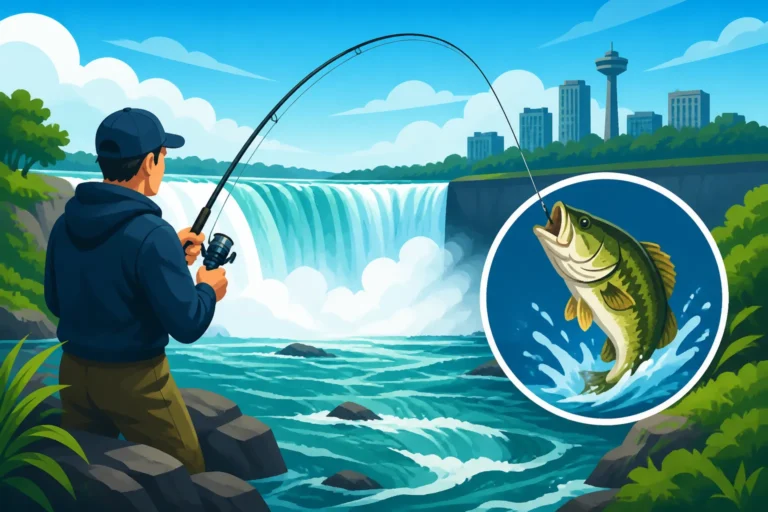
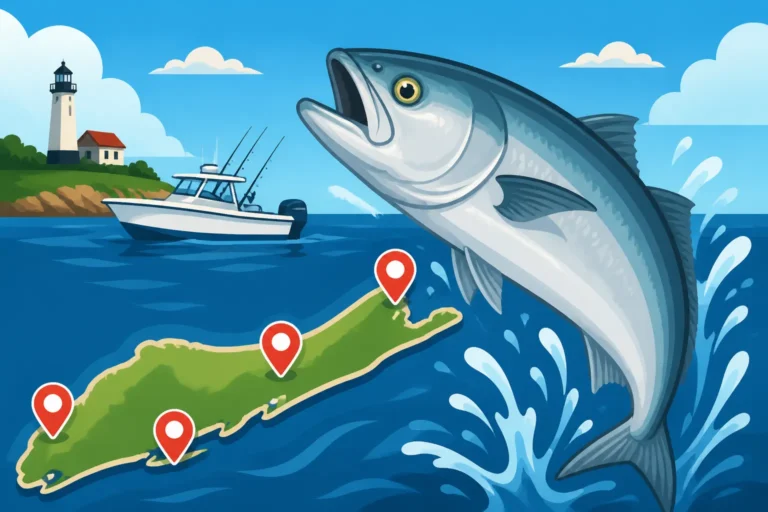
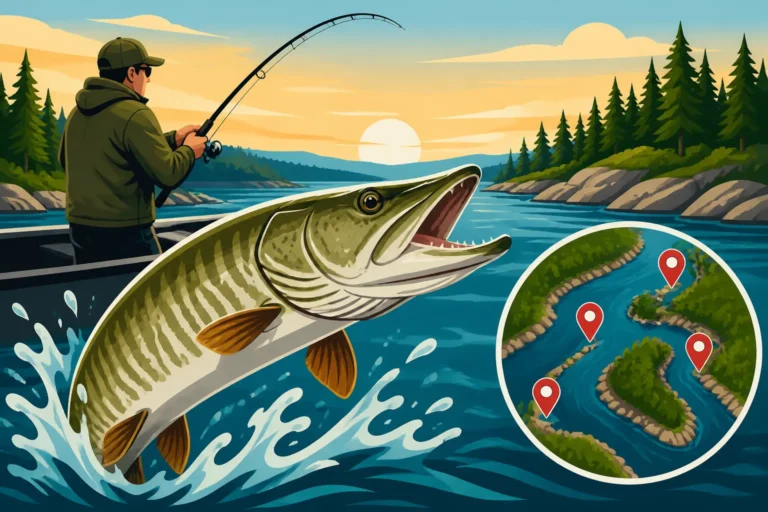
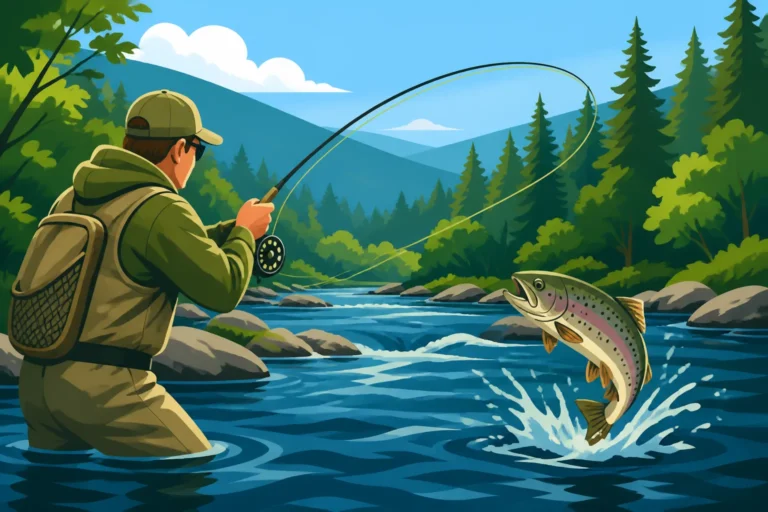
Fishing for smallmouth bass on the mighty St. Lawrence River can feel like trying to find a needle in a haystack – it's an immense waterway, and knowing where to focus your efforts is half the battle. If you've ever spent countless hours cruising without a bite, or just stared at a map feeling overwhelmed by the sheer scale of the river, you're not alone. This comprehensive guide is designed to cut through that frustration, helping you pinpoint the prime smallmouth bass habitat and techniques that will put more fish in your net on New York's incredible St. Lawrence River.
Understanding St. Lawrence Smallmouth Bass Habitat
The St. Lawrence River is a truly unique fishery, offering a diverse array of environments for smallmouth bass. Unlike a contained lake, the constant flow and varied bottom structure demand a different approach. Smallmouth here are driven by current, forage, and structure, and understanding these elements is crucial for consistent success.
Key Structures and Bottom Composition
Smallmouth bass are ambush predators, and they absolutely love structure. On the St. Lawrence, this often means rocky points, shoals, submerged rock piles, and distinct changes in bottom composition. Think about areas where the current flow is interrupted, creating seams and eddies. These are natural congregation points. For example, a sharp drop-off from a shallow rock flat into deeper water, especially if it's dotted with boulders, can be a magnet for smallmouth. They use these underwater features to hide from the current, conserve energy, and dart out to ambush unsuspecting baitfish. You'll often find them lurking on the current-facing side of a structure, ready to pounce. It's not just about the rocks, though; transitions from rock to sand, or gravel to mud, can also hold fish, particularly if there's scattered cover like sparse weeds or submerged timber nearby. Using your electronics to identify these subtle changes is paramount.
Current Seams and Eddies
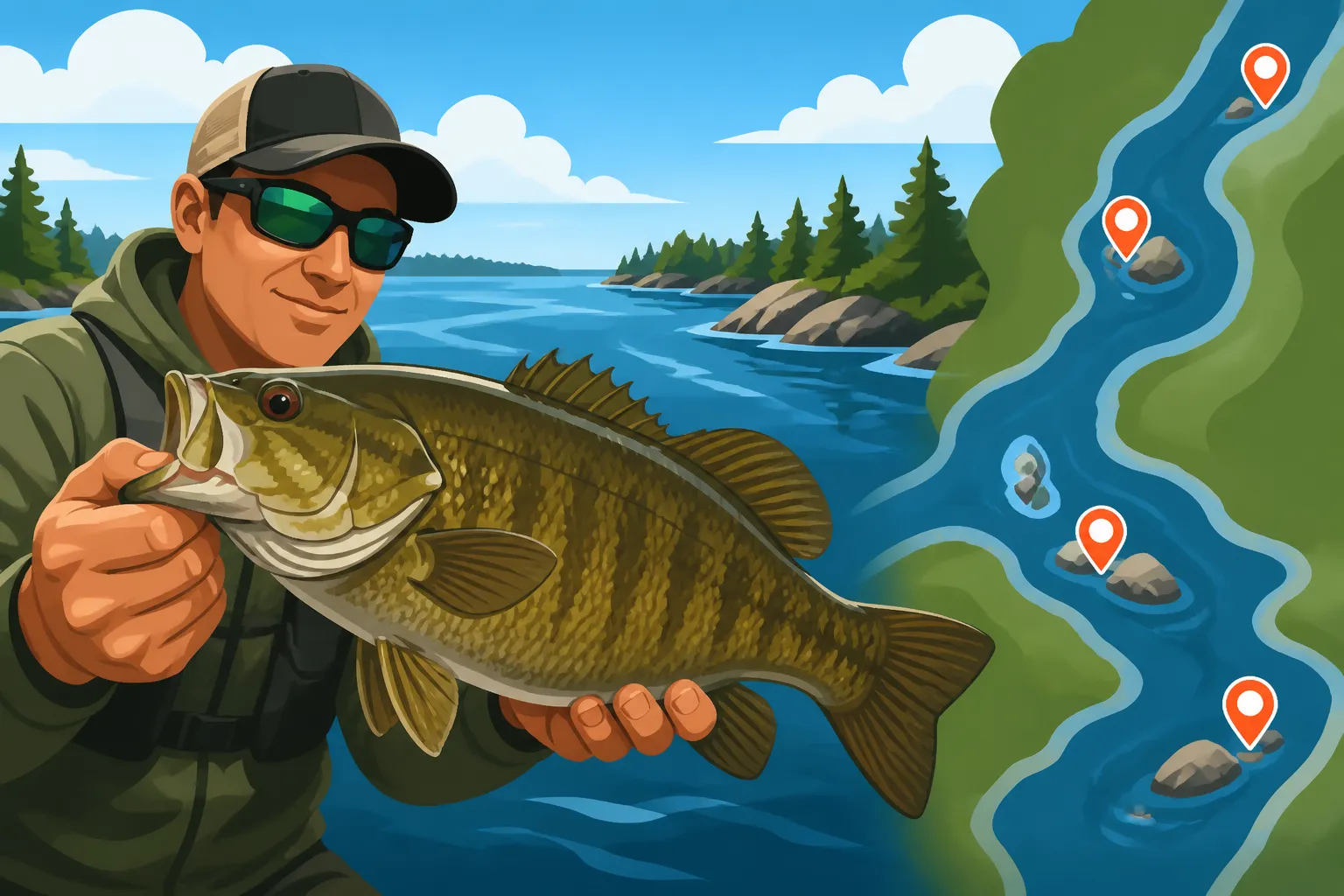
Current is perhaps the most defining characteristic of the St. Lawrence River, and smallmouth bass use it to their advantage. They don't want to fight the full force of the main channel current all day, so they seek out areas where the current is broken or slowed down. These are known as current seams and eddies. A current seam is where fast-moving water meets slower water, creating a distinct line. Smallmouth will sit just inside the slower water, facing into the faster flow, waiting for food to be swept past them. Eddies are swirling pockets of calm water, often found downstream of a large rock, point, or island. These provide excellent resting and feeding zones. Imagine a large boulder in the middle of a channel; the water flowing around it will create a distinct "wash" area and then an eddy behind it. Both the front (upstream) side of the boulder where the current splits, and the eddy behind it, are prime smallmouth locations. Learning to "read the water" and identify these current breaks is a skill that will dramatically increase your catch rate on the St. Lawrence.
The Importance of Forage
Like any predator, smallmouth bass go where the food is. On the St. Lawrence, their diet is incredibly diverse, but certain forage species play a huge role. Gobies, especially the invasive round goby, have become a dominant food source for many St. Lawrence smallmouth. These bottom-dwelling fish are easy meals and are found in rocky, gravelly areas, which perfectly aligns with smallmouth habitat preferences. Beyond gobies, smallmouth will feed on various minnow species, crayfish, and even smaller panfish. If you can locate schools of baitfish, or areas rich in crayfish and gobies, you're likely to find smallmouth. This often means focusing your efforts on shallower flats adjacent to deep water, especially in the mornings and evenings when bass push up to feed, or on deeper humps and shoals where gobies are prevalent. Understanding the local forage and mimicking it with your lures or bait is a cornerstone of successful smallmouth fishing here.
Top Smallmouth Bass Hotspots on the St. Lawrence River
While the entire St. Lawrence River holds smallmouth, certain regions and types of areas consistently produce better results due to their unique structural and environmental characteristics. From the vastness of the Thousand Islands to the more defined channels further downstream, each section offers its own brand of smallmouth fishing.
The Thousand Islands Region
When people think of St. Lawrence River smallmouth, the Thousand Islands region immediately comes to mind. This iconic stretch, roughly from Cape Vincent to Alexandria Bay, is a labyrinth of islands, shoals, deep channels, and rocky points. It's truly a smallmouth paradise. The sheer amount of prime habitat here is staggering. Look for areas around larger islands like Grindstone Island, Wellesley Island, or Wolfe Island (though part of this is Canadian, the U.S. side offers plenty). Focus on rocky shorelines, particularly those with steep drop-offs or large boulder fields. The current funnels through the narrower passages between islands, creating ideal ambush points for smallmouth. Submerged humps and shoals, often marked on nautical charts, are also incredible spots. These underwater structures act like magnets, attracting baitfish and, consequently, smallmouth. Exploring the numerous bays and inlets that dot the islands can also yield results, especially during cooler water periods when bass might seek slightly warmer, shallower water.
Upper River Stretch Ogdensburg to Massena
Moving further downstream from the Thousand Islands, the river takes on a slightly different character, particularly in the stretch from Ogdensburg to Massena. While still wide and powerful, this section often features more prominent channels and fewer islands, with more defined main river flow. However, don't let the seemingly less complex structure fool you; this area holds some absolute giants. Here, smallmouth fishing often revolves around the numerous points and bends in the river, particularly those with significant rock formations or current breaks. Areas around bridges, like the Ogdensburg-Prescott International Bridge, can also be productive due to the current disruption and structural elements they provide. Tributary mouths, which we'll discuss next, are also important here. The water can be a bit more stained in some parts of this section compared to the crystal-clear Thousand Islands, which might influence lure choices. Anglers seeking to explore these waters might consider booking a local guide through platforms like FishingBooker, as their intimate knowledge of specific eddies and current lines can be invaluable.
Tributary Mouths and Bay Areas
Another highly productive type of location on the St. Lawrence River for smallmouth bass are the mouths of its numerous tributaries and the expansive bay areas. These spots offer a change of pace and often more diverse forage and cover. Tributaries like the Oswegatchie River or Grass River, where they meet the St. Lawrence, create unique environments. The inflowing water often carries nutrients and baitfish, attracting smallmouth. The current dynamics at these confluences are usually distinct, forming eddies and seams that bass exploit. Similarly, large bay areas, such as those found around Alexandria Bay or near Ogdensburg, provide more sheltered waters. While the main river flow might be strong, these bays offer calmer areas with submerged vegetation, rock piles, and points that smallmouth readily inhabit. They can be particularly good during periods of strong winds on the main river, offering a more comfortable fishing experience while still holding plenty of active fish. Targeting weed lines, docks, and rocky points within these bays can be incredibly effective.
Essential Techniques for St. Lawrence Smallmouth
Catching St. Lawrence River smallmouth isn't just about finding them; it's about presenting your offerings effectively in varied conditions. The river's strong currents and diverse structures demand versatility in your angling approach, from bait selection to retrieve speeds.
Live Bait Rigging and Presentation
When it comes to consistently catching St. Lawrence River smallmouth, especially trophy-sized fish, live bait is king for many seasoned anglers. Shiners, chubs, and especially round gobies are incredibly effective. The key is to present them naturally. A simple drop-shot rig or a three-way swivel rig is often preferred to keep your bait near the bottom where smallmouth are feeding and where gobies naturally reside. For drop-shotting, use a circle hook (sizes 1 to 1/0) hooked through the lips or dorsal fin of a live goby, keeping it suspended just off the bottom. This allows the bait to swim naturally with the current without getting hung up. For a three-way swivel rig, attach a bell sinker to a short dropper line (6-12 inches) and a longer leader (2-4 feet) with your live bait to the other two swivels. This setup is excellent for drifting over rocky bottoms. Remember to check local regulations on baitfish collection and use, as rules can vary. The natural scent and movement of live bait can often entice bites when artificials might be ignored, particularly during slower feeding windows. You can learn more about New York Fishing Regulations Explained to ensure you're compliant.
Artificial Lures and Their Applications
While live bait is incredibly effective, artificial lures offer their own set of advantages, allowing for more aggressive fishing and covering more water. For St. Lawrence smallmouth, a diverse tackle box is essential. Tube jigs are perhaps the most iconic smallmouth lure on the river. Mimicking a goby or crayfish, tubes in green pumpkin, smoke, or watermelon with flakes, rigged on a heavy internal jig head (3/8 oz to 1/2 oz), are deadly when dragged, hopped, or even jigged vertically along rocky bottoms. Drop shot rigs with soft plastic minnows or worms are also highly effective, especially in clear water or when fish are finicky. Other go-to lures include swimbaits (like Keitech Swing Impact FAT or Berkley Power Swimmer), particularly in clear water for imitating baitfish, and crankbaits that dive to relevant depths, ideal for covering flats and rocky points quickly. For deeper water or when fish are holding tight to structure, jigging spoons or blade baits can trigger reaction strikes. Topwater lures like poppers and walking baits can create explosive bites during low-light conditions or when bass are actively chasing bait on the surface, making for some truly exhilarating fishing. To get a better idea of what to use, check out Best Smallmouth Bass Lures for Clear Water.
Reading the Water and Seasonal Movements
Successful smallmouth fishing on the St. Lawrence isn't static; it requires understanding how the fish move throughout the seasons and how to interpret the water around you. In early spring, post-ice-out, smallmouth often congregate in shallower bays or protected areas with slightly warmer water, getting ready to spawn. As summer progresses, they move to deeper, cooler main river structures, like prominent points, humps, and current seams, where oxygen levels are good and forage is plentiful. During the fall, they'll often feed aggressively in preparation for winter, pushing into shallower flats during prime feeding times and retreating to deeper structures as temperatures drop.
Reading the water means paying attention to subtle clues: baitfish activity on the surface, diving birds, changes in current speed, and even the clarity of the water. A subtle ripple might indicate a current seam, and calm, dark water might suggest a deeper eddy. Using a quality fish finder to identify bottom transitions, baitfish schools, and isolated boulders is indispensable. Always be mindful of boat traffic and strong winds, which can make fishing challenging. Adapting your techniques and locations based on the season and real-time conditions is the hallmark of a successful St. Lawrence smallmouth angler. If you're looking for Best Time of Year to Catch Trophy Bass in New York, understanding these seasonal shifts is critical.
Planning Your St. Lawrence Smallmouth Adventure
A trip to the St. Lawrence River for smallmouth bass is an adventure, and a little preparation goes a long way. Beyond knowing where to cast, understanding the practicalities of gear, regulations, and local expertise will ensure a smooth and successful outing.
Gear Recommendations and Boat Considerations
Fishing on the St. Lawrence River, especially in the larger channels, demands appropriate gear. For smallmouth, medium-heavy to heavy power spinning or casting rods (6'6" to 7'6") paired with reels spooled with 10-20 lb braided line (with a fluorocarbon leader of 8-15 lb) are ideal. This setup provides the backbone needed for battling strong river smallmouth and pulling them out of rocky cover. Bring a variety of jig heads (1/4 oz to 3/4 oz) to match current and depth, along with plenty of soft plastics like tubes, swimbaits, and drop-shot worms. Don't forget a sturdy landing net!
For boaters, having a reliable vessel capable of handling large river conditions is essential. The St. Lawrence can get very rough, very quickly, especially with strong winds or heavy boat traffic. A deep-V hull is often preferred for comfort and safety. A good GPS/chart plotter is non-negotiable for navigation through the numerous islands and for marking productive fishing spots and hazards. A powerful trolling motor (preferably with GPS spot-lock features) is also invaluable for holding position against the current, allowing you to thoroughly work a piece of structure without constantly repositioning. Always ensure your boat registration is up to date and that you have all required safety gear; you can find details on Boat Registration Requirements for Anglers.
Navigating Regulations and Licensing
Before you even wet a line, understanding New York's fishing regulations and securing the proper licenses is a must. All anglers 16 years of age and older need a valid New York State fishing license to fish in freshwater, which includes the St. Lawrence River. You can easily obtain a license online through the New York Department of Environmental Conservation (DEC) website, or from various license issuing agents like sporting goods stores and town clerks. Depending on where you plan to fish, you might also need to be aware of reciprocal agreements if you plan to cross into Canadian waters, though typically you'd need a separate Canadian license.
Beyond the general license, be mindful of specific regulations for smallmouth bass. This includes minimum size limits, daily creel (bag) limits, and season dates, which can vary by water body and sometimes change year to year. For example, there's often a catch-and-release only period for bass in the spring before the regular season opens. Always carry a copy of the current New York State Freshwater Fishing Regulations Guide, which is available online or wherever licenses are sold. Staying informed about New York Fishing License Guide and New York Fishing Season Dates and Catch Limits will prevent any unexpected issues.
Finding Guides and Local Expertise
Even for experienced anglers, navigating a massive river like the St. Lawrence can be daunting. This is where local fishing guides truly shine. A good guide has an intimate knowledge of the river, understanding seasonal patterns, current hotspots, and the most effective techniques. They can save you countless hours of searching and significantly increase your chances of success, especially if you're targeting trophy smallmouth. Many excellent guides operate out of towns like Clayton, Alexandria Bay, and Ogdensburg.
Platforms like FishingBooker are a great resource for finding reputable St. Lawrence River fishing guides. You can browse various captains, read reviews, compare prices, and see what specific species they specialize in, like smallmouth bass. Often, a guide will provide all the necessary gear, tackle, and even bait, making your trip hassle-free. It's also a fantastic way to learn the ropes, pick up local tips, and discover new techniques that you can then apply on future trips. Don't underestimate the value of local expertise; a guided trip can be an educational experience that pays dividends for years to come. For more options, look into St. Lawrence River Fishing Guides.
| Location Type | Key Features | Best Times to Fish | Common Techniques |
|---|---|---|---|
| Thousand Islands | Rocky points, shoals, islands, deep channels, current seams | Spring, Summer, Fall | Drop shot, tube jigs, crankbaits, topwater |
| Upper River Stretch | River bends, prominent points, current breaks, bridge structures | Summer, Fall | Live bait, swimbaits, deep crankbaits, jigs |
| Tributary Mouths/Bays | Confluences, sheltered waters, weed lines, docks, varied forage | Spring, Fall, Early Summer | Spinnerbaits, swim jigs, soft plastics, live bait |
| Submerged Humps/Shoals | Underwater rock piles, transitions, current deflectors, goby habitat | Year-round (open water) | Tube jigs, drop shot, jigging spoons, live bait |
| Current Seams/Eddies | Where fast and slow water meet, behind obstructions, deep holes | Year-round (open water) | Drop shot, tubes, live bait, jigs |
Disclaimer
Please note that fishing regulations, including license requirements, season dates, and catch limits, are subject to change by the New York State Department of Environmental Conservation (DEC). Always consult the most current official DEC fishing guide before heading out on the water. This article is intended for informational purposes only and does not constitute legal advice.