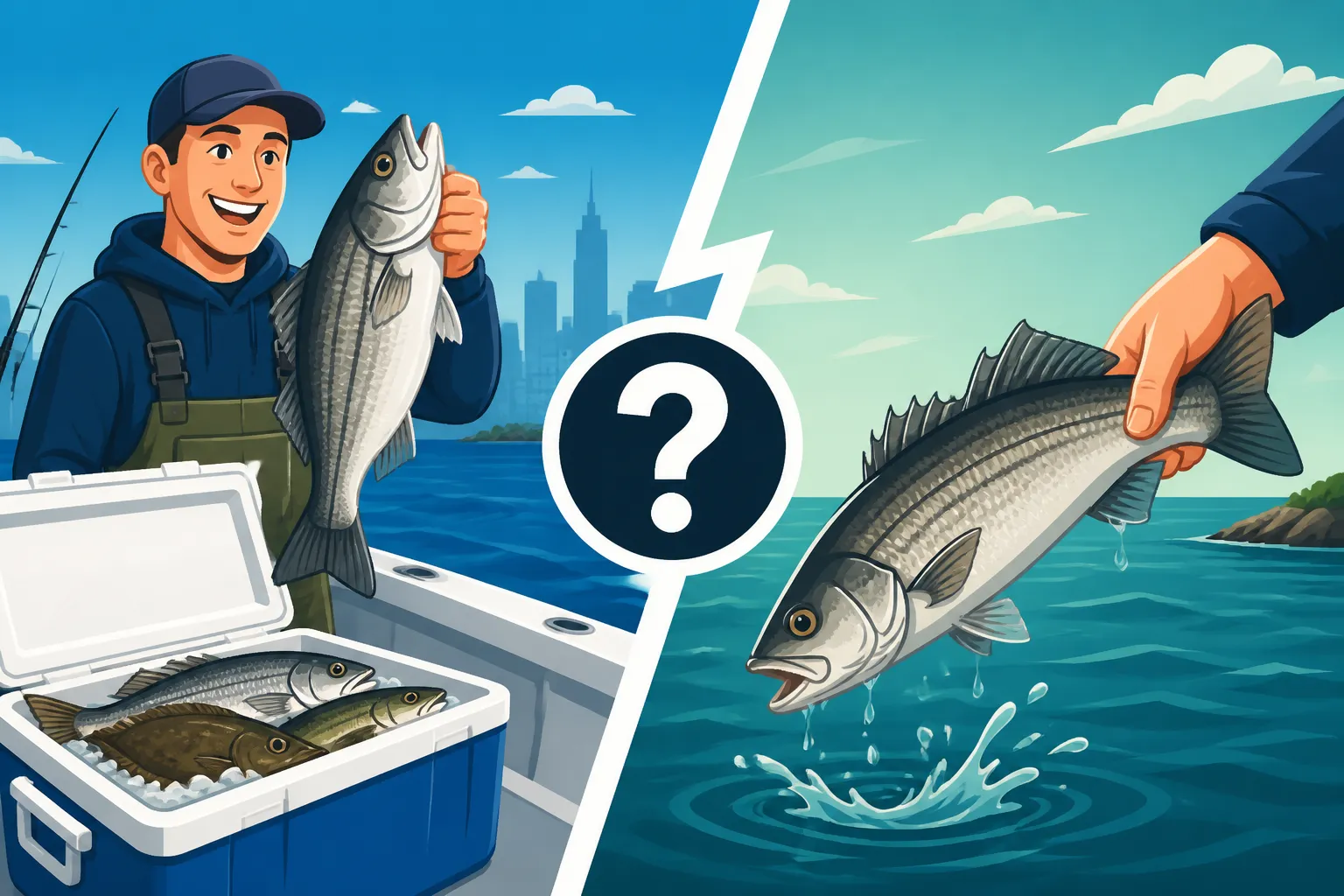
Can You Keep the Fish You Catch on a Charter?
One of the most exciting parts of booking a New York fishing charter is the anticipation of what you might reel in. Many anglers dream of bringing home a cooler full of fresh fish to share with family and friends, but the reality of keeping your catch isn't always as simple as just landing a fish. This guide will walk you through the various factors that determine whether you can take your prized catch home, from state regulations to charter policies and even your own ethical considerations.
The Thrill of the Catch and the Question of Keeping It
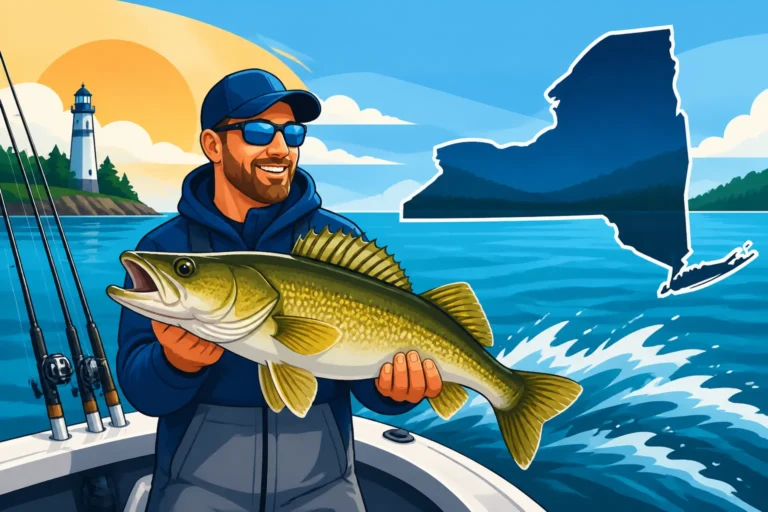
There's a special kind of satisfaction that comes with catching a fish. The tug on the line, the fight, the moment it breaks the surface – it's all part of the magic. For many, that magic culminates in the joy of sharing the bounty, whether it's a fresh meal on the grill or the pride of showing off a substantial fillet.
The Angler's Dream: Bringing Home Dinner
For generations, fishing has been about sustenance as much as sport. The idea of "catching dinner" is deeply ingrained in our angling heritage. You picture yourself on the water, the sun glinting off the scales of a beautiful fish, and then later, the sizzle of that same fish in a pan. It’s a complete experience, connecting the adventure on the water to the meal on your plate.
This dream is a significant motivator for many who book a charter. They're not just looking for a boat ride; they're looking for an opportunity to harvest fresh, wild-caught fish. It's a tangible reward for the time and effort spent, and it's perfectly natural to expect that a fish caught under the guidance of a professional charter captain would be yours to keep.
The Nuance: Why "Can I Keep It?" Isn't Always Simple
While the desire to keep your catch is completely understandable, the answer to "Can I keep the fish I catch on a charter?" is often, "Yes, but it depends." It's not a straightforward 'always' or 'never' situation. A complex web of factors, including specific state regulations, the individual charter's operating policies, the type of fish you target, and even environmental considerations, all play a significant role.
Ignoring these nuances can lead to disappointment or, worse, legal issues. Your charter captain isn't just there to find the fish; they're also your guide through these regulations, ensuring that everyone on board has a legal and ethical fishing experience. Understanding these layers before you step on the boat will help set realistic expectations and ensure your trip is enjoyable and compliant.
Understanding New York's Fishing Regulations: Your First Barrier to Keeping Fish
New York State has a robust set of fishing regulations designed to protect fish populations and ensure sustainable angling for everyone. These rules don't disappear just because you're on a fancy charter boat; in fact, your captain is obligated to strictly enforce them.
Species-Specific Rules: From Stripers to Salmon
One of the biggest factors in determining if you can keep your catch is the species of fish you're targeting. New York has unique rules for nearly every fish, covering everything from the mighty striped bass in the Hudson River to the various salmon species in Lake Ontario tributaries. For instance, you might be targeting striped bass, which are often subject to strict "slot limits." This means only fish within a very specific size range can be kept, and anything too small or too large must be immediately released. These rules are in place to protect both juvenile fish and large breeding adults.
Similarly, if you're out chasing Chinook salmon in the fall, there will be daily limits on how many you can keep. These limits are set to manage pressure on the spawning runs and ensure future generations of fish. The regulations are designed to be dynamic, changing with the health of the fish populations and environmental conditions. It's truly a complex system, and a good captain stays on top of every detail. You can dive deeper into these specifics in our New York Fishing Regulations Explained article.
Size and Bag Limits: The Numbers Game
Beyond species-specific regulations, the state also imposes general size and bag limits. A "size limit" dictates the minimum or, in some cases, both minimum and maximum length a fish must be to be legally harvested. This is crucial for allowing fish to reach reproductive maturity and for managing the overall age structure of a population. Catching a fish that's even an inch under the minimum size means it must go back into the water, no matter how big it feels on the line.
"Bag limits," also known as daily creel limits, restrict the number of fish of a particular species an individual angler can keep in a single day. These limits vary wildly depending on the species and the body of water. For example, New York Bass Season Dates or New York Walleye Season and Limits will outline very clear daily possession limits. Your captain will keep a close eye on the cumulative catch of everyone on board to ensure that the group doesn't exceed these limits. If you're on a multi-person charter, the total number of fish kept is divided among the licensed anglers on board, not necessarily by how many each individual caught.
Your License and Registry: The Essential Paperwork
Before you even step foot on the charter boat, you need to ensure your own legal fishing status. In New York, almost all anglers over a certain age are required to possess a valid fishing license for freshwater fishing or be registered with the Recreational Marine Fishing Registry for saltwater fishing. This applies to everyone, even if you're on a chartered trip. The charter captain's license covers the boat's operation, not your individual right to fish.
If you don't have the proper New York Fishing License Types Explained or your New York Saltwater Fishing Registration Guide isn't current, any fish you catch, even if it's within legal size and bag limits, cannot legally be kept. It's your responsibility to acquire the necessary permits beforehand. You can typically purchase these online, at sporting goods stores, or through town clerks. Knowing the New York Fishing License Costs and Options can help you budget and plan ahead. Always carry proof of your license or registration with you on the water, whether it's a physical copy or a digital version on your phone.
How Charter Boat Policies Influence What You Take Home
Even if state regulations allow you to keep a fish, the specific policies of the charter boat you've booked can also dictate what happens to your catch. It's vital to communicate with your charter captain or booking agent before your trip to clarify these details.
Captain's Orders: Why They Call the Shots
When you step aboard a charter boat, the captain is not just navigating the waters; they are the ultimate authority on board. Their extensive experience, knowledge of local fishing grounds, and deep understanding of regulations make them indispensable. A good captain will always prioritize safety, legal compliance, and the long-term health of the fishery. This means that if a captain determines that a fish must be released, even if you personally believe it's legal, their word is final.
The captain's license and reputation are on the line with every trip. They know the nuances of the local regulations, including any temporary emergency closures or specific rules for certain areas, like those you might find in New York Special Regulations Waters List. They also have a vested interest in conservation, as healthy fish populations mean a healthy business for them. Trust their judgment; they're looking out for everyone, including the fish.
Catch-and-Release vs. Harvest-Oriented Charters
Not all fishing charters are created equal when it comes to keeping fish. Some charters are explicitly catch-and-release, focusing on the thrill of the fight and the challenge of landing a trophy fish, followed by its safe return to the water. This is particularly common with certain species known for their fighting prowess or those under strict conservation efforts, like some muskie or large trout. Conversely, many charters are "harvest-oriented," meaning they aim to help you fill a cooler with legal-sized fish to take home.
It's absolutely essential to clarify the charter's policy when you book. Don't assume. A simple question like, "Is this a catch-and-release trip, or can we keep our legal limit?" can prevent disappointment. When browsing for trips on platforms like FishingBooker, pay close attention to the trip descriptions and contact the captain directly if you have any doubts. This upfront communication ensures your expectations align with the type of experience the charter provides.
Conservation and Ethical Considerations on Board
Beyond legal requirements and charter policies, many anglers today are deeply committed to conservation. Even if you're legally allowed to keep a certain number of fish, you might choose to release some, especially if they are large breeding stock or if you simply don't need that many. This ethical choice contributes to the sustainability of the fishery and ensures there are plenty of fish for future generations.
If you decide to release fish, particularly those you've fought hard, it's crucial to practice proper Catch-and-Release Handling Rules. Your captain and crew will be experts in this, demonstrating how to quickly unhook, handle, and release a fish with minimal stress to improve its survival chances. Taking a quick photo and then ensuring a healthy release is a deeply rewarding experience that many anglers now prefer over filling a cooler.
Practicalities of Keeping Your Prized Catch
So, you've landed legal fish on a charter that allows you to keep them. What happens next? There are a few practical considerations to keep in mind to ensure your catch makes it home in prime condition.
Fish Cleaning Services: Convenience on the Water
Many New York fishing charters offer fish cleaning services as part of their package or for an additional fee. This is a huge convenience that can save you a lot of time and mess once you get back to shore. Imagine landing a limit of walleye or a few good-sized salmon. Cleaning them yourself can be a laborious task, especially if you're not experienced or don't have the right setup.
Professional cleaning usually involves filleting the fish, removing the skin and bones, and bagging the fillets for easy transport. Some captains might even scale and gut whole fish if that's what you prefer. Always ask about this service beforehand, including any associated costs. It’s often well worth the expense for the convenience and expert preparation. This service is a great example of how a charter makes the entire fishing experience more enjoyable and less about the dirty work.
Packing and Transporting Your Fish Home
If you plan on taking fish home, you must come prepared with a cooler and plenty of ice. A small lunch cooler won't cut it for a successful day on a charter. You'll need a large, well-insulated cooler that can accommodate your fillets and enough ice to keep them properly chilled for the journey home. Fish spoils quickly, so maintaining a cold temperature is paramount for both food safety and taste.
For a full day's trip, aim for a cooler that's about half full of ice before you even leave the dock. As the fillets are prepared, they can be placed directly on the ice, or in sealed bags on the ice. The goal is to keep them as close to freezing as possible without actually freezing them solid (unless you plan to freeze them upon arrival). Consider bringing separate bags or containers for different species if you catch a variety, especially if you plan to share with others. Always confirm with the captain where and how fish will be stored on the boat until cleaning. Our What to Bring on a New York Fishing Charter guide offers more packing tips.
When You Don't Want Your Full Limit
It's important to remember that just because you can keep your legal limit of fish doesn't mean you have to. If you catch more legal fish than you can reasonably eat or freeze, or if you simply prefer to release some, you have that option. A good captain will respect your choice and assist with a safe release.
In some cases, if you have more fish than you want but don't want to release them, you might be able to offer them to the captain or crew. However, this should always be done with the captain's permission and understanding of their policy. Never assume the crew wants your fish, and certainly don't offer them fish that are illegal to keep. It's best to discuss this discreetly with the captain or first mate. The overarching principle is responsible angling: take what you need, release what you don't.
Making Sure Your Fishing Trip is a Success (and Delicious!)
A successful fishing charter isn't just about catching fish; it's about enjoying the entire experience, from the moment you book to the satisfaction of a fresh meal. Proper planning and communication are key.
Asking the Right Questions Before You Book
To avoid any surprises regarding your catch, the best approach is to be proactive. Before you finalize your booking, take the time to ask your potential charter captain or booking agent some specific questions:
- "What are the typical size and bag limits for the species we'll be targeting on this trip?"
- "Do you offer fish cleaning services, and is there an additional charge for that?"
- "What is your policy on keeping fish? Are we allowed to keep our legal limit, or is this a predominantly catch-and-release trip?"
- "Do I need to bring my own cooler and ice for transport?"
Platforms like FishingBooker are great for finding a wide array of charters and often provide detailed information in their listings. Don't hesitate to use their communication features to get direct answers from the captains. By asking these questions, you ensure that your expectations align with what the charter offers, making for a much smoother and more enjoyable outing. This also helps you follow guidelines like those in How to Choose a New York Fishing Charter.
Essential Gear for Bringing Home Your Catch
Beyond your personal fishing license, which is a must as covered in New York Fishing License Guide, preparing for a successful harvest means thinking about the logistics of getting your fish from the boat to your kitchen.
Here's a quick checklist of essential gear:
- Large Cooler: As mentioned, this is non-negotiable for keeping your catch fresh. The bigger, the better, especially if you anticipate a good haul or have a long drive home.
- Plenty of Ice: Pack more than you think you'll need. Ice melts, especially on a warm day. Consider block ice for longevity and crushed ice for quickly chilling fillets.
- Ziploc Bags or Vacuum Sealer Bags: These are great for individual portions of fillets once cleaned, keeping them separate and preventing "freezer burn" if you plan to store them long-term.
- Towels or Rags: Handy for keeping things clean during handling, especially if you end up doing some of your own cleaning.
Being prepared with these items ensures that when you do catch those legal, keeper fish, you're ready to handle them properly and enjoy them at their freshest. The joy of a fishing trip isn't just in the catching; it's in the entire journey, right up to the delicious meal shared with loved ones.
Disclaimer
This article is for general informational purposes only and does not constitute professional advice. Laws, prices and regulations vary by location and change over time. Consult a qualified professional for guidance on your specific situation.