What Is the Daily Limit on a Lake Ontario Salmon Charter?
One of the trickiest parts of planning a fishing trip, especially to a vast and bountiful place like Lake Ontario, is figuring out the rules. You've booked that exciting salmon charter, envisioned landing a trophy Chinook, but then a question pops into your head: "What exactly is the daily limit?" It's a common concern, and frankly, regulations can feel like a labyrinth, especially when you're on a charter and aren't sure if the boat has a collective limit or if it's truly individual. This guide aims to clear up that confusion, explaining how daily limits work on Lake Ontario salmon charters so you can focus on the thrill of the catch.
Demystifying New York's Salmon Fishing Regulations
Before stepping onto any charter boat, it's crucial to understand that all fishing activities in New York, even those guided by experienced captains, are governed by the state's Department of Environmental Conservation (DEC) regulations. These rules are put in place to ensure the sustainability of our fisheries, protecting fish populations for future generations of anglers. While your charter captain is an expert on these rules, having a basic understanding yourself can enhance your trip and prevent any accidental missteps.
New York's fishing regulations cover a wide array of specifics, from New York Fishing Season Dates and Catch Limits to specific gear requirements. For Lake Ontario salmon, these rules primarily focus on the number of fish you can legally keep (the daily limit) and sometimes, minimum size requirements. These regulations can vary slightly by species and even by specific bodies of water, which is why it's so important to be informed.
You might be thinking, "But I'm paying a captain, surely they handle all that?" And yes, they absolutely do! Reputable charter captains are well-versed in the current regulations and are there to ensure everyone on board fishes legally. However, understanding the rules yourself helps you be an active participant in responsible angling and allows you to make informed decisions during your trip.
Statewide Daily Limits for Salmon Species
When it comes to salmon, New York State typically manages different species with specific daily creel limits. These limits dictate how many fish of a certain species you can legally possess in a single day. For Lake Ontario, the primary target salmon species are Chinook (King) salmon and Coho (Silver) salmon.
Historically, the daily limits for these species have been relatively consistent, often allowing for a specific number of salmon per angler per day. For example, you might find a regulation that states "three salmon (Chinook and/or Coho) in any combination." This means that you could keep three Chinook, or three Coho, or a mix, as long as the total doesn't exceed three fish. It's not uncommon for these limits to combine similar species, especially when they share the same habitat and are often caught using similar methods.
These limits aren't arbitrary; they are the result of extensive biological research and population assessments conducted by the DEC. They consider factors like spawning success, natural mortality, and angler harvest rates to set limits that promote healthy fish stocks. Always remember to check the very latest New York Fishing Regulations Explained before your trip, as these can be updated by the DEC.
Species-Specific Regulations on Lake Ontario
While statewide rules provide a baseline, Lake Ontario often has specific regulations that apply directly to its unique fishery. This can include minimum size limits, which dictate that a fish must be a certain length to be legally kept, regardless of the daily limit. For salmon on Lake Ontario, these size limits are critical for allowing younger fish to mature and contribute to future spawning runs.
For instance, a regulation might state a daily limit of three salmon, but also include a minimum length of 15 inches for Chinook and Coho. If you catch a fish under that length, even if you haven't reached your daily creel limit, it must be immediately released back into the water unharmed. This emphasis on size helps protect juvenile fish and ensures a strong breeding population.
These species-specific regulations are often detailed in the annual New York State Fishing Regulations Guide, which you can usually pick up wherever you buy a New York Fishing License Guide or view online via the DEC's website. Your charter captain will have all this information at their fingertips, but it's always good to be aware of what makes the Lake Ontario salmon fishery so special.
How Daily Limits Apply to Charter Boats
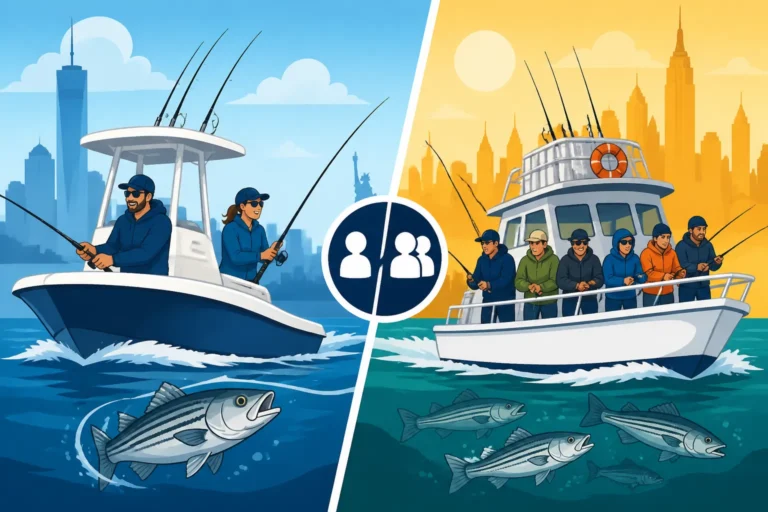
This is where the rubber meets the road for most anglers booking a trip! The common misconception is that a charter boat, as a single entity, gets a single, larger daily limit. However, that's generally not how it works. When you're out on a New York Lake Ontario salmon charter, the daily limit typically applies to each individual angler on board, not the boat as a whole.
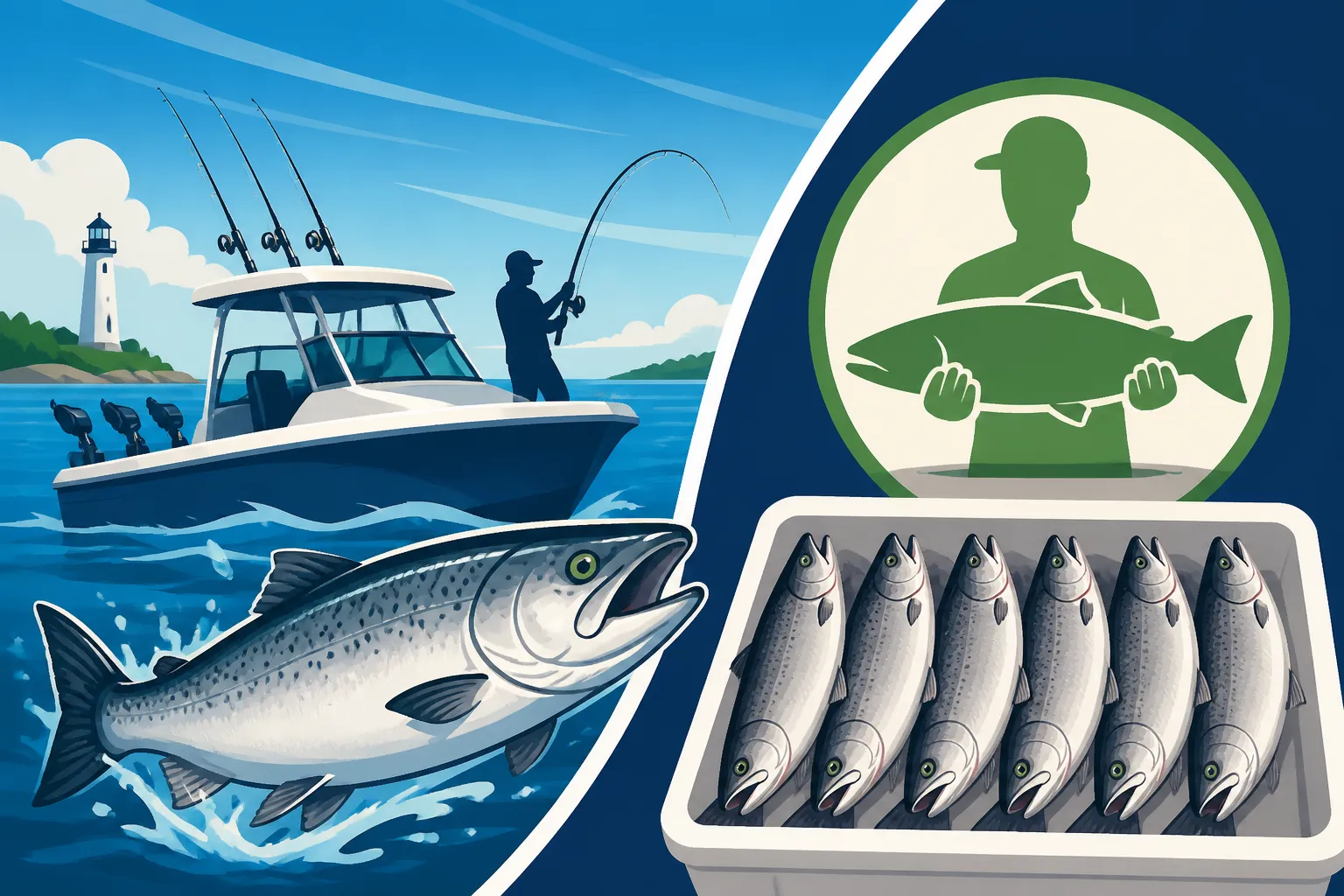
This means that if there are four licensed anglers on a charter trip, and the daily limit for salmon is three fish per person, the group collectively has the potential to harvest twelve salmon (4 anglers x 3 fish each). It's a common relief for many first-time charter clients to learn this, as it significantly increases the group's opportunity to bring home a good haul of fresh salmon.
Your charter captain is the steward of these rules on their vessel. They will typically keep a running tally of the fish caught and kept by each person to ensure everyone stays within legal bounds. This system ensures fairness among anglers and strict adherence to conservation guidelines. When booking, consider using platforms like FishingBooker to find reputable captains who clearly communicate these policies.
The "Per Angler" Rule in Practice
Let's break down the "per angler" rule with a real-world scenario. Imagine you're on a six-person Lake Ontario salmon charter. The captain informs you that the daily limit for Chinook salmon is three per person. As the day progresses, Angler A catches three Chinooks, Angler B catches two, Angler C catches one, Angler D catches three, Angler E catches two, and Angler F catches zero.
In this scenario, Anglers A and D have reached their individual daily limit of three salmon. They cannot keep any more Chinooks for the day, even if the rest of the boat hasn't reached its collective potential. Anglers B and E can still keep one more Chinook each, Angler C can keep two more, and Angler F can still keep three more. The key takeaway here is that your limit is your limit. It doesn't transfer to other anglers, nor does it get pooled.
This individualized approach empowers each angler to manage their own catch. It also highlights the importance of each person on board having their own valid New York State fishing license and, if required, any specific stamps or registrations like the Marine Fishing Registry for saltwater species (though for Lake Ontario salmon, a freshwater license is typically what you'll need).
What Happens When the Limit is Reached?
So, what happens once you, or your fellow anglers, hit that coveted daily limit for salmon? The typical protocol on a well-run Lake Ontario salmon charter is quite straightforward.
Once an individual angler reaches their daily limit for a specific species, they must stop actively targeting and keeping that species. For example, if you've caught your three Chinook salmon, you might switch your focus to other species that have different limits, if available and in season, or you might choose to practice catch-and-release for the remainder of the trip for salmon. Many charters offer diverse fishing opportunities, especially in the bountiful waters of Lake Ontario, allowing you to target different types of fish like Lake Trout or even other species that might be biting.
Your captain will guide this process. They often carry the necessary gear for multiple species and will adjust tactics accordingly. This ensures that everyone continues to have a productive and enjoyable fishing experience, even if they've already filled their salmon quota. It's a fantastic opportunity to try out new techniques or catch a different kind of fish!
Practical Implications for Your Charter Trip
Understanding daily limits isn't just about avoiding a fine; it's about making the most of your charter experience. You've invested time and money into this trip, and knowing how limits work can help you set realistic expectations and communicate effectively with your captain. It's also about appreciating the conservation efforts that keep these fisheries healthy.
For many, the goal of a charter is not just to catch fish, but to catch enough to bring home for a delicious meal. Knowing your individual limit beforehand helps you plan how much fish you can realistically expect to take home. It also allows you to enjoy the process of fishing without the constant worry of inadvertently breaking a rule.
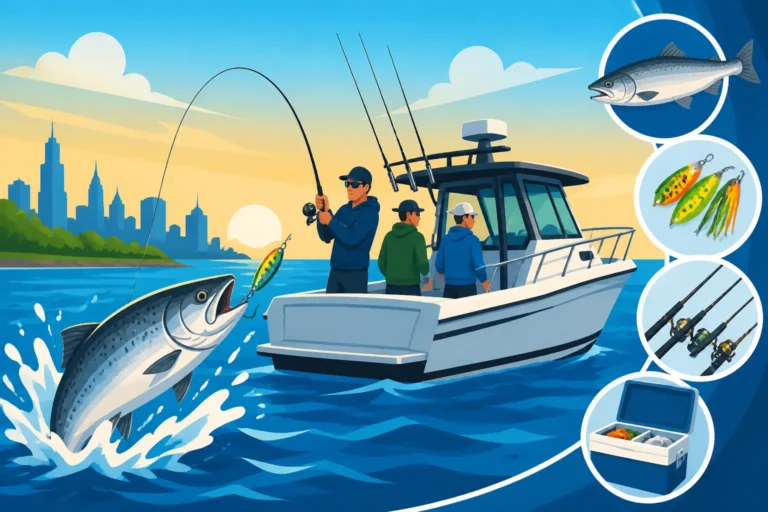
Platforms like FishingBooker not only connect you with captains but also often provide details about the expected catch and regulations for specific trips, helping you choose a charter that aligns with your fishing goals. Don't hesitate to reach out to your chosen captain directly if you have any lingering questions about specific limits for your trip.
Maximizing Your Catch Within Limits
While daily limits are in place, there are still plenty of ways to maximize your overall fishing experience and potential harvest on a Lake Ontario salmon charter. One key strategy is to be open to targeting multiple species. While salmon might be your primary target, Lake Ontario is also home to other fantastic game fish like Lake Trout, Steelhead, and Brown Trout.
If you reach your salmon limit early in the day, don't pack it in! Your captain might suggest switching to a different spread or moving to another area to target these other species, each with their own distinct daily limits. This not only keeps the rods bent but also allows you to diversify your cooler contents. Imagine bringing home a mixed bag of Chinook salmon and a beautiful Lake Trout – that's a true Lake Ontario trophy experience!
Another way to make the most of your trip is to practice selective harvesting. If you've caught a few smaller fish that meet the legal size, but you're hoping for a true "hog," you might choose to release those smaller fish, assuming they are healthy enough to survive, to leave room for a potential larger catch later in the day, provided you haven't hit your limit. This is a personal choice, but one that many experienced anglers consider.
Communication with Your Captain
The single most important tip for any angler on a charter trip, especially regarding regulations and limits, is open and clear communication with your captain. Your captain is your guide, your expert, and your advocate on the water. They are there to ensure you have a safe, enjoyable, and legal fishing trip.
Before or at the start of your trip, ask your captain about the specific daily limits for the species you'll be targeting. Don't assume anything. Confirm if there are any current special regulations or local nuances for the area you'll be fishing on Lake Ontario. A good captain will appreciate your proactive approach and be happy to explain everything in detail. This conversation ensures everyone is on the same page and avoids any misunderstandings later in the day.
During the trip, keep track of your own catch, and don't be shy about asking the captain or deckhand to confirm if a fish meets the size requirements or if you're approaching your limit. Remember, they are there to help, and their expertise is invaluable. They've likely answered these questions hundreds of times!
Beyond the Daily Limit: Other Important Regulations
While knowing the daily creel limit for salmon on Lake Ontario is paramount, it’s just one piece of the regulatory puzzle. There are other important rules and guidelines that charter captains and anglers alike must adhere to, all designed to foster a healthy ecosystem and a fair fishing environment for everyone. Ignoring these can lead to fines or, more importantly, can harm the fishery we all love.
It’s easy to get caught up in the excitement of the catch, but a responsible angler always keeps the full scope of regulations in mind. Think of it as being a good steward of the water. Your charter captain will certainly oversee these aspects, but being aware helps you understand the bigger picture and appreciate the rules designed to protect our natural resources.
For those looking to dive deeper into the specifics, the New York DEC Fishing Regulations Guide is an excellent resource, often available online and in print at sporting goods stores. This comprehensive guide covers everything from species identification to protected areas.
Size Limits and Season Dates
As briefly touched upon earlier, daily limits aren't the only restriction; size limits are equally vital. These minimum length requirements ensure that fish have a chance to grow and mature, contributing to the next generation of anglers' catches. For salmon on Lake Ontario, these usually mean that any fish caught below a certain length, even if you haven't reached your daily bag limit, must be carefully released.
Imagine landing a beautiful Coho, but it's just shy of the legal size. It can be a little heartbreaking, but releasing that fish ensures it has a chance to spawn and grow even larger, perhaps becoming a trophy catch for you or another angler in the future. Your charter captain will have a measuring device on board and will quickly determine if your catch is a "keeper" or needs to go back into the water.
In addition to size limits, New York Fishing Season Dates and Catch Limits are critical. Different species have different open and closed seasons. For example, while salmon fishing might be in full swing, there might be a closed season for a specific trout species to protect them during their spawning period. Charter captains are constantly aware of these dates and will only target species that are legally open to harvest. These seasonal windows are designed to align with fish life cycles, minimizing disturbance during vulnerable periods.
Licensing Requirements for Anglers on Charters
This is another common point of confusion for those booking a charter: "Do I still need a fishing license if I'm on a guided trip?" The answer is almost always a resounding yes. Every individual angler on a New York State fishing charter, regardless of their age (with specific exceptions for very young children or those participating in New York Free Fishing Days Calendar), must possess a valid New York State fishing license.
Your charter captain provides the boat, the expertise, the tackle, and the safety equipment, but they don't provide your personal fishing license. This license is your individual permit to fish in the state's waters. It helps fund conservation efforts, fisheries management, and habitat restoration, so it's a small but significant contribution to the sport we all love. You can easily purchase a license online, at a town clerk's office, or at many sporting goods stores. For full details, check out our guide on How to Get a Fishing License in New York.
Remember, getting caught fishing without a license can result in fines and other penalties. It’s always best to be prepared and have your license with you, whether in physical form or digitally on your phone, as specified by current regulations. Your charter captain may even ask to see proof of your license before leaving the dock.
Typical Lake Ontario Salmon Limits at a Glance
While specific numbers can fluctuate, here’s a general overview of how daily limits often look for salmon on Lake Ontario. This table is for illustrative purposes based on common historical regulations and should always be cross-referenced with the latest New York State DEC guide.
| Species | Typical Daily Limit (per angler) | Common Minimum Size Limit (inches) |
|---|---|---|
| Chinook Salmon | 3 | 15 |
| Coho Salmon | 3 | 15 |
| Brown Trout | 3 | 15 |
| Lake Trout | 3 | 20 |
| Steelhead Trout | 3 | 16 |
Note: The daily limit for "salmon" (Chinook/Coho) is often a combined limit, meaning you can keep a total of 3 salmon, regardless of species. Brown Trout, Lake Trout, and Steelhead usually have separate limits, but it's crucial to check current regulations for specifics and any special water exceptions.
This table serves as a quick reference but always defer to the official DEC regulations. Your charter captain will be your best immediate source for current, precise limits on the day of your trip. Don't be afraid to ask!
Disclaimer
This article is for general informational purposes only and does not constitute professional advice. Laws, prices and regulations vary by location and change over time. Consult a qualified professional for guidance on your specific situation.